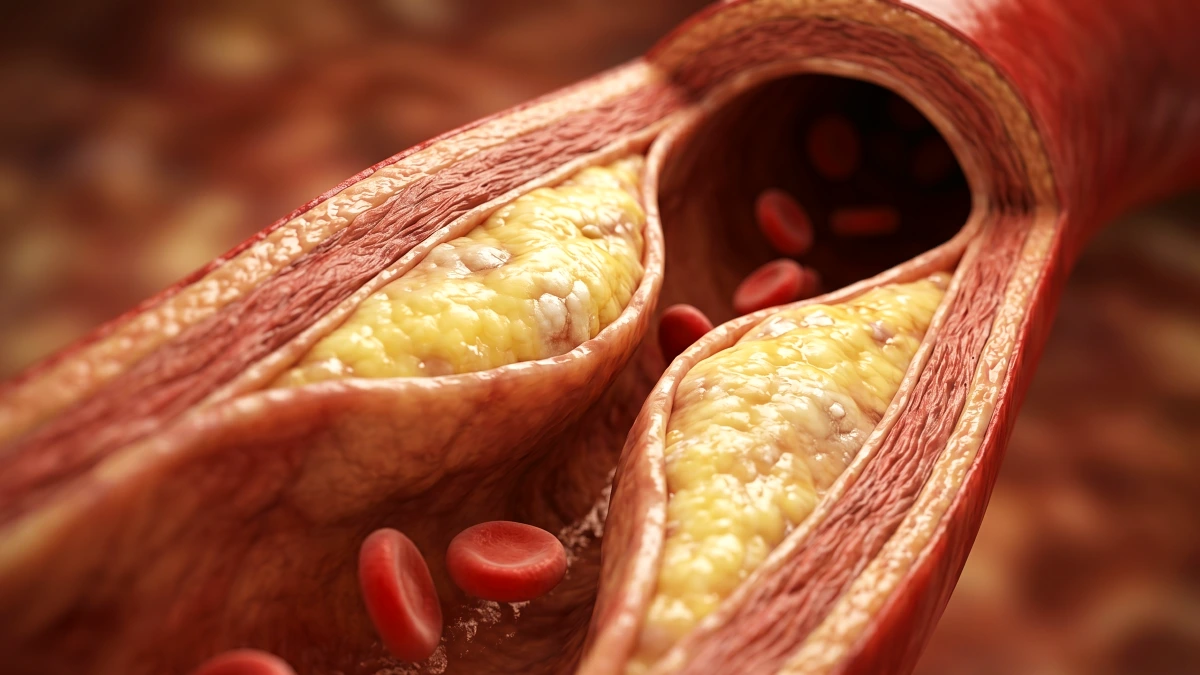
You cannot feel plaque building up in your bloodstream. But your body is constantly sending you subtle and urgent warnings. Many people brush off chest pressure or leg cramps. They think they are just getting older or being out of shape.
According to top cardiologists, spotting early symptoms can save your life. You will learn the 9 critical warning signs that your blood vessels are dangerously narrowed. You will also find out exactly when to call a doctor.
Younger people are not immune to these issues. Heart problems are rising in people in their 30s and 40s. Sitting too much and eating processed foods cause much of this. High stress also plays a major role. You are at higher risk if you have any of these conditions:
- High blood pressure
- High cholesterol
- Diabetes
- A smoking habit
Let us look at the key symptoms of blocked arteries so you can protect your health.
1. Classic Chest Squeezing (A Key Sign of Clogged Arteries)
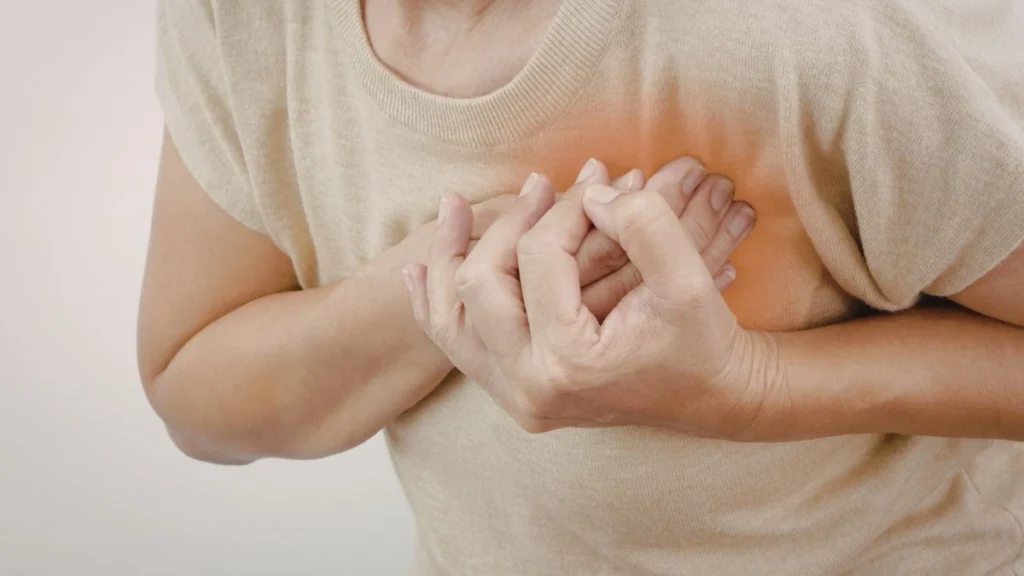
Think about a heavy weight pressing down on your chest. This crushing pressure is a condition called angina. It often feels like an elephant is sitting right on your ribs.
Physical or emotional stress usually triggers this pain. The squeezing goes away when you sit down and rest. A real heart attack keeps hurting even after you stop moving. Do not ignore these coronary artery disease signs.
About 1 in 4 Americans will experience a plaque related event in their lifetime. If your chest hurts every time you climb stairs but stops when you sit, tell your doctor right away.
2. Shortness of Breath During Routine Tasks
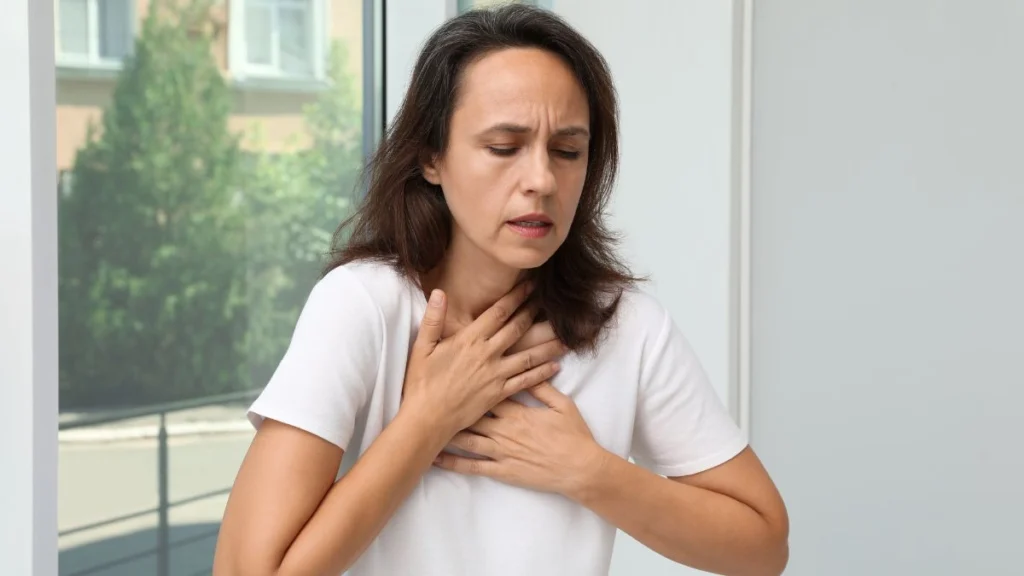
Picture yourself carrying a laundry basket upstairs. Suddenly you feel like you cannot get enough air. This severe breathlessness means your heart is working too hard.
Your heart beats faster to push blood through narrowed tubes. It acts like a pump fighting a blocked hose. Nearly 47 percent of US adults have hypertension according to 2026 AHA data. High blood pressure forces your heart to work much harder.
Shortness of breath during easy tasks is one of the clearest symptoms of blocked arteries. If making the bed leaves you gasping for air, you need to see a doctor quickly.
3. Extreme, Unexplained Fatigue

Your alarm goes off and your bones feel completely drained. This deep exhaustion happens when restricted blood flow starves your muscles of oxygen. Your organs simply do not get the fuel they need.
Women often experience this profound fatigue as a main warning sign instead of classic chest pain. Mayo Clinic data shows that fatigue is one of the most overlooked early warnings in female patients. People brush it off as bad sleep.
Watch out for these hidden signs of plaque in arteries. If you feel totally wiped out after a normal day of work, talk to a cardiologist.
4. Leg Pain or Cramping When Walking (Claudication)
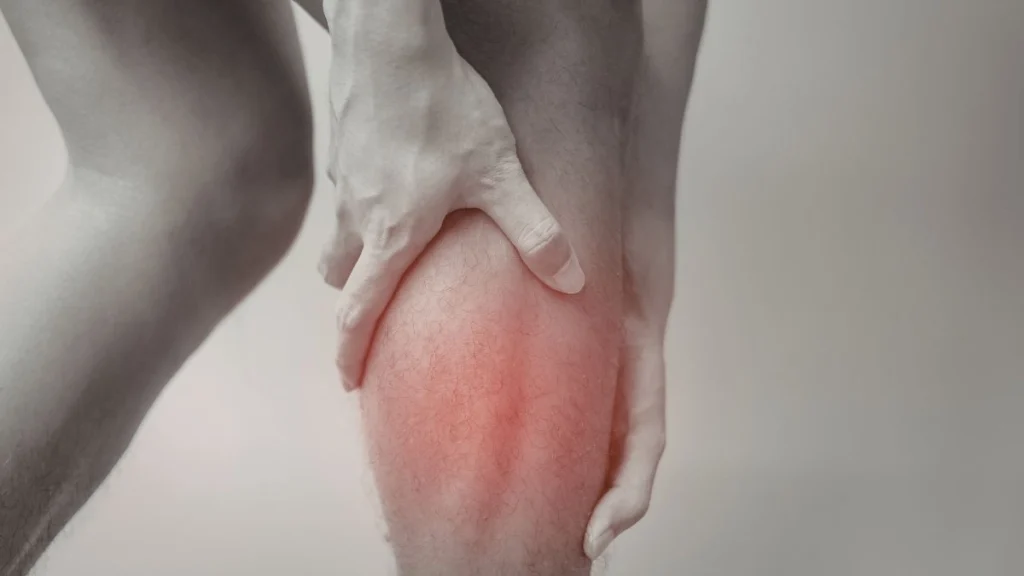
While chest pain is famous, your legs can sound the alarm much earlier. You walk down the street and a sharp cramp hits your calf. This condition points to Peripheral Artery Disease.
This pain strictly happens when you move and stops when you rest. Your leg muscles demand more oxygen while walking. The blocked pipes cannot deliver it.
Leaving Peripheral Artery Disease untreated can lead to severe issues like gangrene or amputation. These cramps are huge symptoms of blocked arteries. If a walk to the mailbox hurts your legs every single time, call your doctor.
5. Unusually Cold Feet or Hands
Your toes feel freezing even in a warm room. This means warm blood is not reaching your body parts. You can try a simple touch test.
Feel both of your feet at the same time. If one foot feels cold to the touch compared to the other, you might have a localized blockage. Smokers face a highly elevated risk for this specific problem.
Do not pass this off as poor circulation from winter weather. These are serious signs of clogged arteries. If one hand or foot stays constantly cold, schedule a medical check.
6. Unexplained Jaw, Neck, or Back Pain
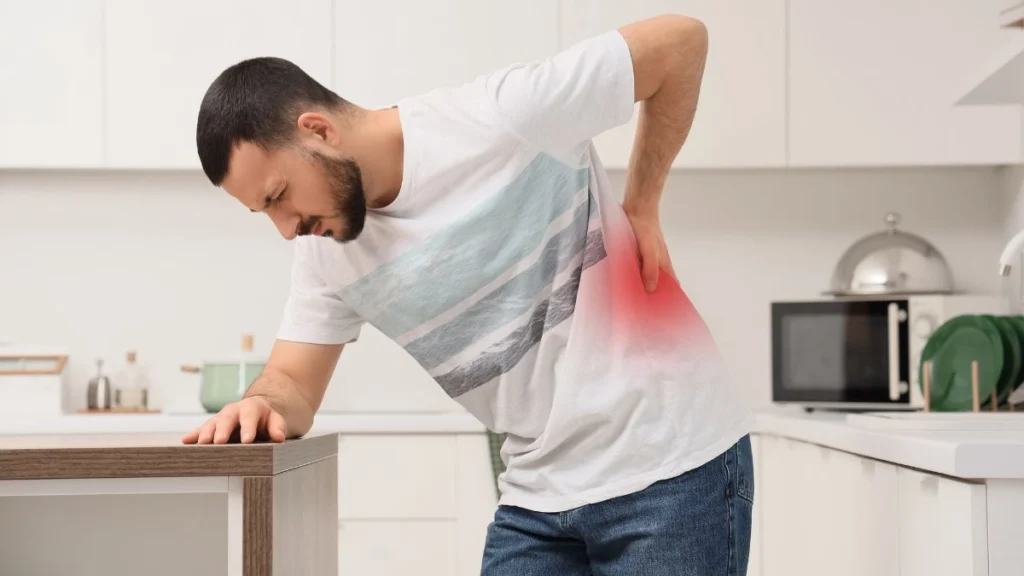
An odd ache spreads through your jaw while you eat breakfast. This is a notorious hidden heart attack symptom. Your brain gets confused by nerve signals from a distressed heart.
The brain sends pain signals to your jaw, neck, or upper back instead of your chest. People often visit a dentist for this pain. They do not realize it is coming from their heart.
These are common coronary artery disease signs in both men and women. If your jaw throbs only when you exercise or stress out, you need to see a heart specialist.
7. Sudden Dizziness or Loss of Balance

You stand up from your chair and the room spins. Sudden dizziness points to Carotid Artery Disease. These are blockages in the neck arteries that supply blood to your brain.
Inadequate blood flow to the balance centers of your brain causes you to feel dizzy or faint. The ultimate danger here is a transient ischemic attack or a mini stroke.
These moments of spinning are serious signs of plaque in arteries. If you lose your balance for no obvious reason, get medical help immediately.
8. Heart Palpitations and Fluttering
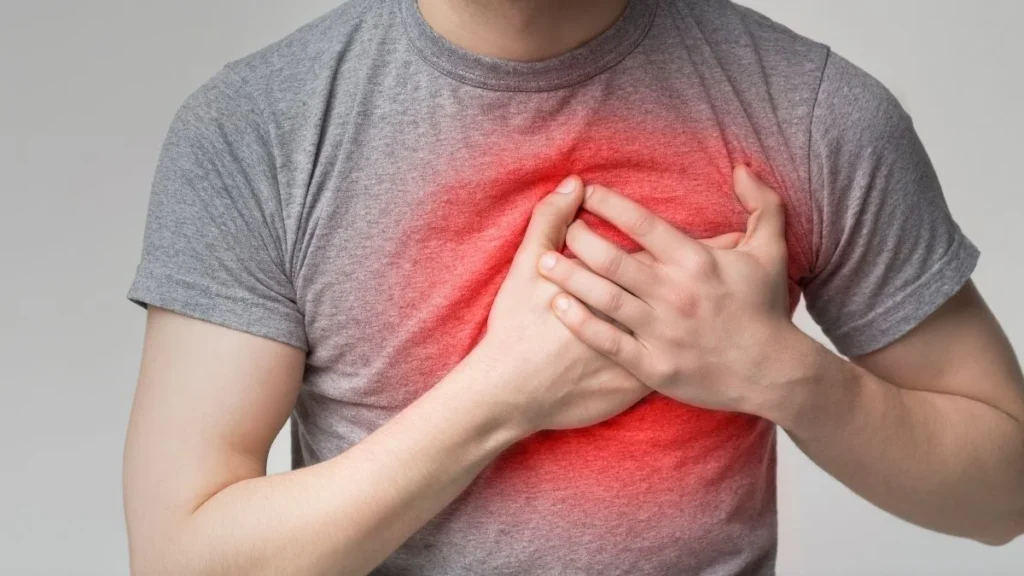
You sit on the couch and your heart suddenly races or skips a beat. Rapid fluttering happens when a heart lacks adequate blood supply.
The heart beats irregularly or faster to try and fix the low blood flow. Blockages can disrupt the electrical signaling in your heart.
Dr. Dharam Kumbhani from UT Southwestern explains that a completely blocked artery acts like a boulder blocking a traffic tunnel. This causes massive stress on the heart muscle. If you feel frequent irregular beats, you must consult a doctor.
9. Sores on Your Feet or Legs That Won’t Heal
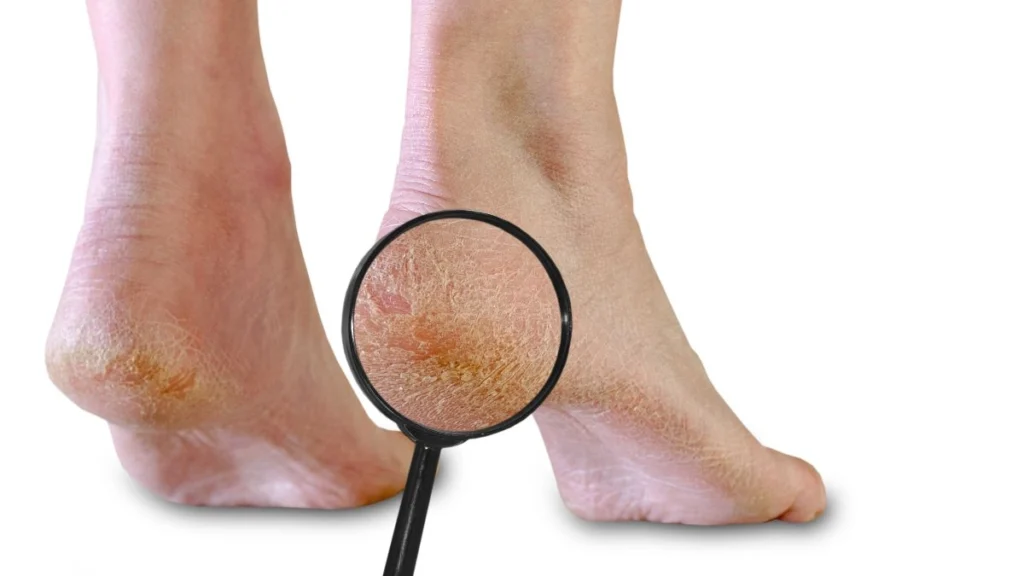
You notice a small scrape on your ankle. Weeks pass by and the open sore still looks dark and discolored. Your tissues are literally suffocating.
Healing requires a strong flow of oxygen and nutrients. Vascular specialists state that tissue death begins when oxygen drops below critical levels.
These slow healing wounds are dangerous signs of clogged arteries. If a cut on your toe takes over a month to heal, contact a vascular specialist right away.
Conclusion
Clogged arteries do not happen overnight. They take decades of plaque to build up. But your body gives you clear warnings. You might feel chest pressure, deep fatigue, leg cramps, or cold feet.
If you recognize more than one of these symptoms, do not wait. Schedule an appointment with your doctor right away. They can run a simple ABI Test for your legs. They might also order a Coronary Calcium Scan to check your heart.
If you experience chest pain that does not stop, call 911 immediately. Don’t ignore the signs of clogged arteries. Early detection is your best defense against heart disease.