

You wake up in the middle of the night with a terrible leg cramp. You might brush off poor sleep or constant fatigue as just a normal part of getting older.
But your body might actually be crying out for a vital mineral. As we cross the age of 50, our bodies lose the ability to absorb nutrients efficiently. This leaves a vast majority of older adults unknowingly depleted of magnesium.
Your body needs this mineral for over 300 biochemical reactions. You will discover the exact 13 magnesium deficiency signs that show up on your body first. You will also learn why adults over 50 face the highest risk.
1. Muscle Cramps and Nighttime Spasms

Waking up with a tight calf muscle is often the very first warning. Your muscles need magnesium to relax after they tighten. When your levels drop, the muscle gets stuck in a hard cramp. This causes sharp pain in the middle of the night.
You might notice this mostly in your legs and feet. A simple mineral fix often stops these painful nights completely.
2. Chronic Fatigue and Daily Weakness

You might feel totally drained even after a full night of sleep. Magnesium acts like a spark plug for your cells to make energy. Without it, your whole body feels heavy and slow.
Doing basic chores can suddenly feel like a massive physical drain. Your muscles simply lack the fuel they need to keep moving. Rest alone will not fix this kind of deep tired feeling.
3. Unexplained Numbness and Tingling

Healthy nerves need minerals to send clear signals to your brain. Low magnesium causes these delicate nerve endings to misfire constantly. You might feel a strange pins and needles feeling in your fingers or toes.
Sometimes your hands might go numb for no clear reason. This strange feeling happens because the nerves cannot turn off. It is a direct signal that your nervous system needs support.
4. Muscle Tremors and Eye Twitches
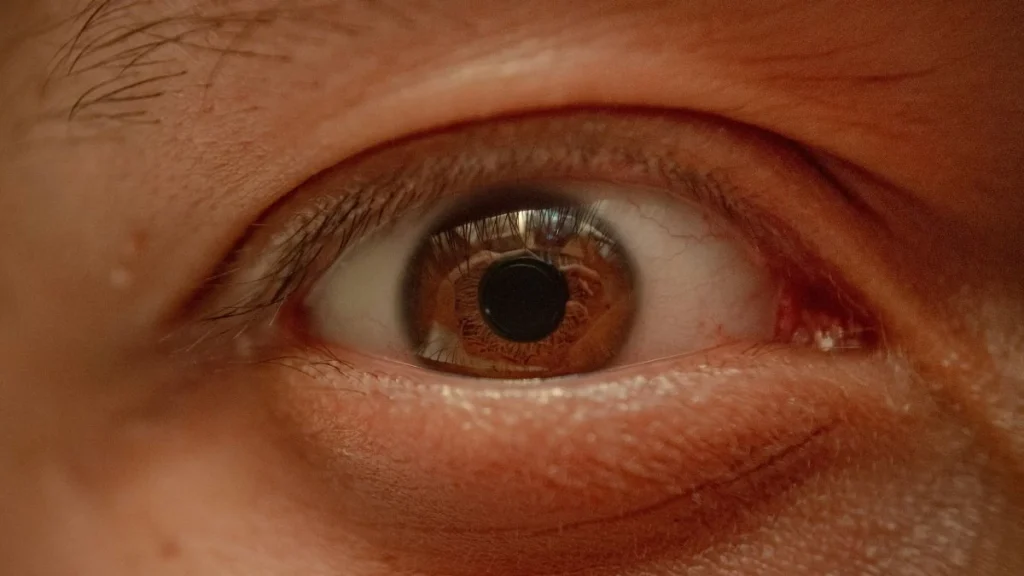
Have you ever had an annoying twitch near your eye that will not stop? Small muscles will often contract on their own when minerals are low. You might notice your arm or leg jerking right as you fall asleep.
These random shakes happen because the muscle lacks the tools to stay calm. Your body is trying to work but missing the right parts. Fixing your diet can calm these jumps down quickly.
5. Insomnia and Poor Sleep Quality

Falling asleep is incredibly hard when your brain cannot quiet down. Magnesium acts as a natural brake pedal for your busy mind. It creates the chemicals your body needs to feel sleepy and peaceful.
Without it, you might stare at the ceiling for hours. You might also wake up constantly and struggle to get back to bed. Your brain needs this fuel to finally rest.
6. Brain Fog and Memory Slips
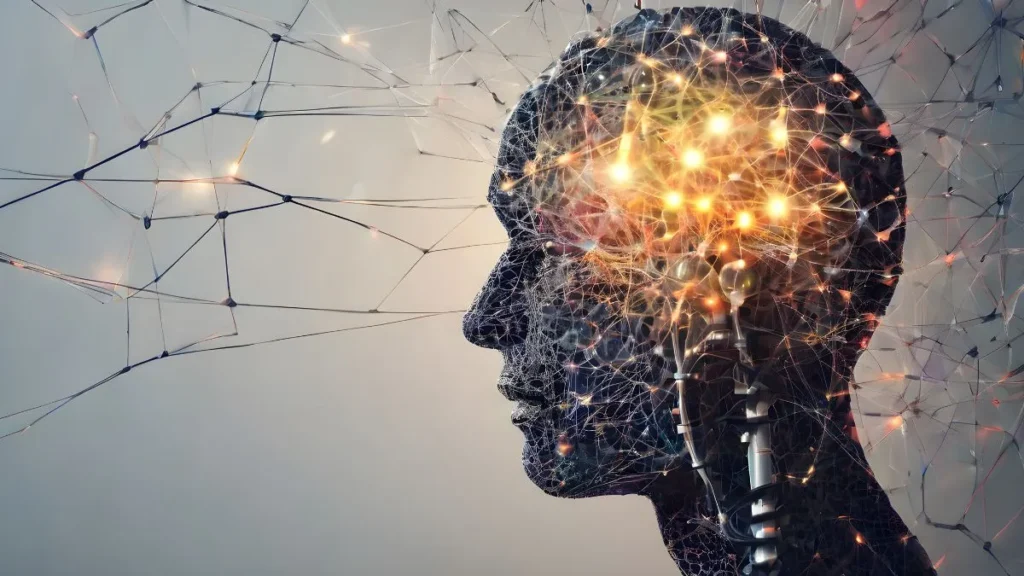
Losing your train of thought can feel very scary as you get older. You might forget simple words or why you walked into a room. Brain cells need strong signals to talk to each other clearly.
A lack of minerals makes these signals weak and confused. Your memory gets cloudy and focusing becomes a big struggle. Restoring your levels often clears away this mental fog.
7. Sudden Anxiety and Low Mood

Feeling constant worry for no reason is not always in your head. Your brain needs proper nutrition to keep your mood stable and calm. When magnesium drops, your stress hormones spike up quickly.
You might feel a heavy sense of dread or deep sadness. Doctors often mistake this chemical shortage for a mental health problem. Giving your brain the right minerals can lift this heavy cloud.
8. High Irritability and Mood Swings

Tiny problems might suddenly make you feel very angry or annoyed. A tired nervous system makes you react poorly to normal daily stress. You might snap at your family or feel angry over small mistakes.
This happens because your brain lacks the chemical tools to stay patient. Your emotional filter wears thin when your body is starving for fuel. A balanced diet helps you handle stress much better.
9. Heart Palpitations and Flutters

Your heart is a hard working muscle that needs a steady beat. Low minerals can make your heart skip a beat or flutter fast. You might feel a sudden racing feeling right in your chest. This happens because the heart muscle cannot relax between beats.
It is a very scary feeling that requires immediate attention from a doctor. Keeping your electrolytes balanced keeps your heart rhythm smooth.
10. Stubborn High Blood Pressure

Blood vessels are wrapped in smooth muscle that must stay relaxed. Without magnesium, these vessels squeeze tight and narrow the space for blood. This forces your heart to pump much harder to move blood around.
Your blood pressure numbers will stay high even if you eat well. Some common blood pressure pills actually drain your minerals even faster. Relaxing these vessels requires a steady supply of proper nutrition.
11. Tight Breath and Airway Spasms

Taking a deep breath should feel easy and automatic. The small tubes inside your lungs are lined with muscle tissue. When minerals fall too low, these breathing tubes can suddenly squeeze together.
This makes your chest feel tight and makes breathing difficult. People with asthma often notice their breathing gets much worse. Relaxing these lung muscles is crucial for getting enough oxygen.
12. Loss of Appetite and Nausea

You might start feeling slightly sick to your stomach after eating. This gentle nausea makes you want to skip meals entirely. Skipping meals creates a bad cycle because you get even fewer nutrients.
Your stomach needs proper chemical balance to digest food smoothly. A lack of minerals throws off your entire digestive process. Eating smaller meals with high quality foods can slowly help.
13. Sudden Bone Loss and Osteoporosis

Most of the magnesium in your body lives deep inside your bones. Your bones will break down and become weak without this core building block. Taking extra calcium pills does not help if you lack other minerals.
Your body needs both to build strong and solid bone tissue. A sudden drop in bone density is a massive red flag. You must fix your total mineral balance to protect your frame.
Summary of the 13 Warning Signs
| Sign Number | Warning Sign | What It Feels Like |
| 1 | Muscle Cramps | Painful tight calves or feet at night. |
| 2 | Chronic Fatigue | Deep physical drain and heavy limbs. |
| 3 | Numbness and Tingling | Pins and needles in your hands or toes. |
| 4 | Muscle Tremors | Random eye twitches or leg jerks. |
| 5 | Insomnia | Staring at the ceiling with a busy mind. |
| 6 | Brain Fog | Forgetting words and losing focus easily. |
| 7 | Anxiety and Depression | Sudden dread or sadness for no reason. |
| 8 | High Irritability | Snapping at loved ones over tiny things. |
| 9 | Heart Palpitations | A racing or fluttering chest. |
| 10 | High Blood Pressure | Stubbornly high numbers despite diet. |
| 11 | Tight Breath | Chest feels squeezed when taking a breath. |
| 12 | Appetite Loss | Mild nausea that makes you skip meals. |
| 13 | Bone Loss | Sudden weakness or thinning of the bones. |