
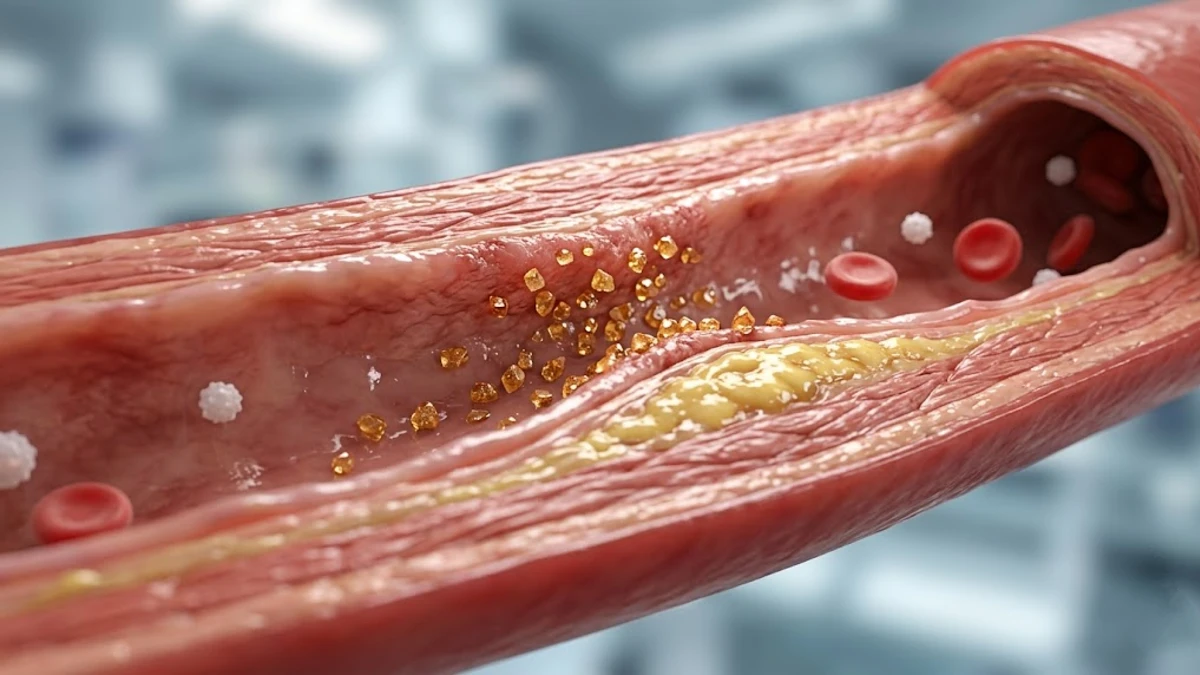
Your annual physical says your fasting blood sugar is perfect. But your arteries might be telling a completely different and much stickier story.
Most people think blood sugar is not their problem if they do not have diabetes. Yet they experience annoying daily symptoms they cannot explain. You might suffer from hidden blood sugar spikes if you have these issues:
- Sudden fatigue around 3 PM.
- Intense sugar cravings two hours after eating.
- Unexplained brain fog that ruins your focus.
We will uncover the silent sugar damage caused by isolated post meal glucose spikes. You will learn about 6 surprising habits triggering them.
1. The Naked Carbohydrate Trap
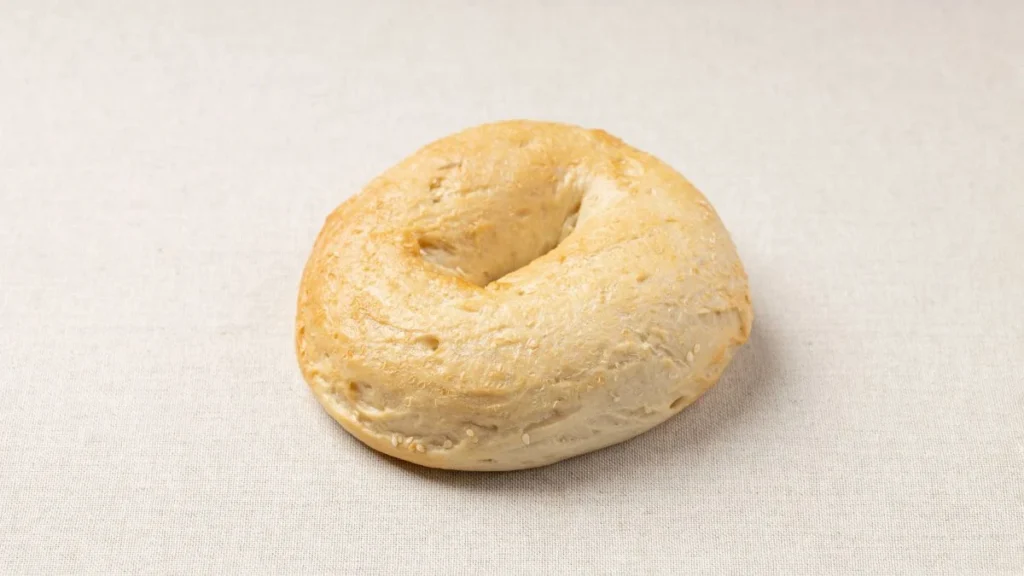
You probably eat a plain bagel or a piece of fruit by itself. Eating carbohydrates alone causes extremely rapid digestion and absorption. This fast process floods your bloodstream with excess glucose almost instantly.
This rapid flood creates Reactive Oxygen Species or ROS that cause severe oxidative stress. This stress severely inflames your endothelial cells. These are the delicate inner linings of your blood vessels.
This sudden inflammation makes your arteries sticky and highly prone to dangerous plaque buildup over time. This is the exact definition of silent sugar damage.
Combining your carbohydrates with healthy fats or proteins slows down how fast your stomach empties.
Metabolic Harmony
Balancing the Glucose Curve
Fruit & Fat Pairing
Pair your morning fruit with a handful of almonds to slow digestion and prevent a rapid sugar spike.
Carb Buffering
Spread peanut butter on your bagel to effectively flatten your glucose curve with healthy fats.
Macronutrient Synergy
Always eat a solid source of protein alongside your carbohydrates for steady, prolonged energy.
Naked Starches
Avoid eating plain starches on an empty stomach, which guarantees a rapid and exhausting energy crash.
2. The Habit of Sitting After Eating

You likely sit down on the couch immediately after eating dinner. Sitting leaves all that new glucose circulating endlessly in your blood. Your resting muscles are simply not demanding any new energy to function.
This prolonged circulation forces glucose to act like microscopic shards of glass inside your veins. As a result, this continuous damage targets and weakens your tiny blood vessels over time.
Your normal fasting sugar might look great the next morning. But the damage from the night before is already done. These hidden blood sugar spikes are actively stiffening the walls of your arteries.
Walking for 10 to 15 minutes after eating uses up this circulating glucose immediately. Your moving muscles act as an invisible sink to drain the excess sugar rapidly.
- Take a brisk 10 minute walk immediately after eating your largest meal today.
- Do light chores around the house right after dinner to keep moving.
- Avoid laying down or sitting still for at least 30 minutes post meal.
- Use your muscles to burn circulating glucose before it damages your arteries.
3. The Cortisol Surge from Poor Sleep
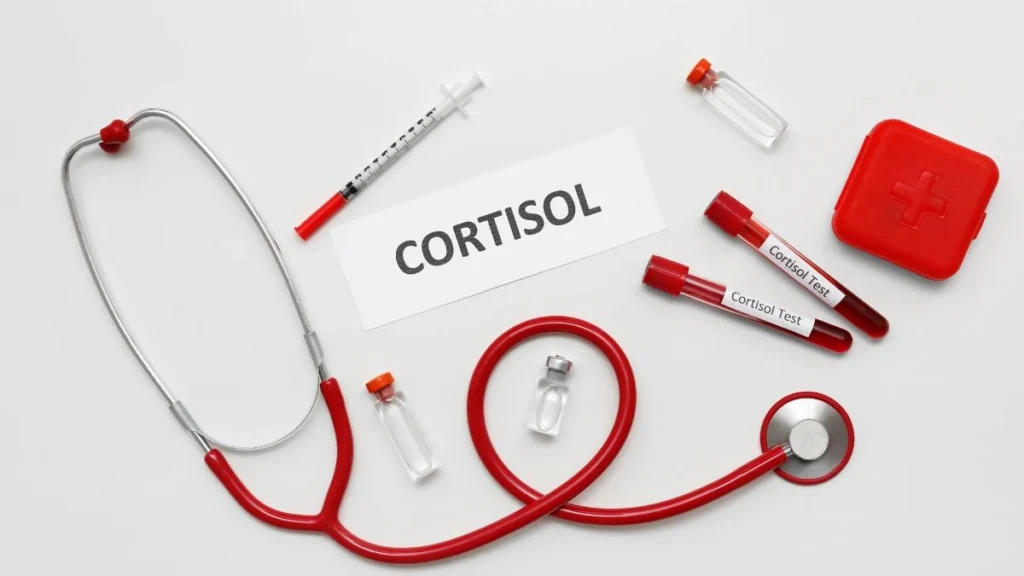
You stay up too late and miss out on deep sleep. Sleep deprivation severely stresses your physical body. This sudden stress triggers a massive release of the hormone cortisol.
Cortisol tells your liver to dump stored glucose into your blood for emergency energy. Because of this hormonal reaction, you wake up with elevated sugar levels before you even eat breakfast.
But it gets worse. Recent 2026 data shows that just one night of poor sleep increases post meal glucose spikes the next day by up to 16 percent. Your body needs proper rest to regulate hormones correctly.
Keeping your cortisol low prevents your liver from dumping unwanted sugar into your blood. Consistent sleep prevents these spikes from happening entirely.
- Prioritize seven full hours of sleep tonight to keep morning cortisol levels flat.
- Turn off screens an hour before bed to improve your sleep quality.
- Go to sleep at the exact same time every night to set your rhythm.
- Manage your sleep schedule to completely stop morning hormone surges.
4. Drinking Black Coffee on an Empty Stomach
You probably grab your morning coffee before you even drink a glass of water. Caffeine stimulates your nervous system rapidly and powerfully. This stimulation can trigger a mild stress response very early in the day.
In many people, this early caffeine drastically reduces morning insulin sensitivity. Even more surprisingly, this causes whatever you eat for breakfast to spike your blood sugar abnormally high.
Doctors call this the Dawn Phenomenon. This process creates silent sugar damage while you still think your normal fasting sugar is perfectly fine.
Having a protein rich breakfast first changes your entire morning biology. The protein helps buffer the caffeine spike and protects your early morning metabolic response.
- Drink your morning coffee only after you finish a breakfast high in protein.
- Have a large glass of water first thing in the morning instead of coffee.
- Eat eggs or Greek yogurt before pouring your first cup of caffeine.
- Test your morning blood sugar to see how black coffee affects you personally.
5. Relying on Artificial Sweeteners
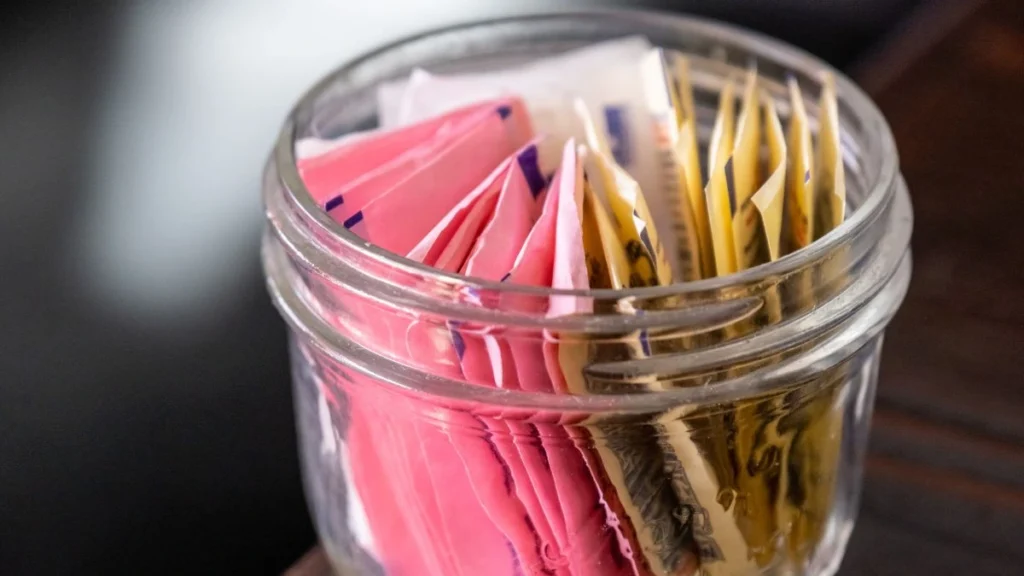
You buy diet sodas and zero calorie snacks to stay healthy. These processed products are actually tricking your biology completely. These artificial sweeteners lack actual calories. But recent studies show they can drastically alter your gut microbiome.
These sweet chemicals trick your brain into expecting real energy that never arrives. This chemical confusion leads to a diminished insulin response later in the day. You then experience unexpected and wild glucose swings when you finally eat real food.
Many sugar free processed snacks also contain hidden refined starches that cause massive hidden blood sugar spikes.
Your body processes natural ingredients much better than chemical substitutes. Avoiding artificial sweeteners keeps your brain and gut connected properly.
- Stop buying heavily processed diet foods and stick to whole food ingredients.
- Drink sparkling water with lemon instead of chemical filled diet sodas.
- Read labels carefully to avoid hidden refined starches in sugar free snacks.
- Train your taste buds to enjoy natural foods without extreme chemical sweetness.
6. Living with Constant Low Grade Stress

You constantly worry about work emails and endless daily tasks. Emotional and psychological stress releases adrenaline and cortisol daily. This dangerous hormonal cascade pulls glucose directly out of your liver.
Your body dumps this sugar into your blood to prepare your muscles for a physical threat. But that physical threat never actually comes. This creates a continuous loop of sticky and inflamed arteries over time.
Dr. Scott Joy notes that this specific inflammation damages blood vessels, the heart, and the brain. This creates dangerous post meal glucose spikes without you even eating.
Lowering your daily stress tells your liver to keep its glucose stored away safely. A calm nervous system equals perfectly stable blood sugar.
- Practice five minutes of deep breathing daily to lower your baseline stress hormones.
- Step away from your computer and stretch when you feel work anxiety rising.
- Do not read stressful work emails immediately after eating a large meal.
- Make daily relaxation a strict priority to protect your artery health.
Conclusion: Take Control of Your Arteries
Fasting blood tests are just a brief snapshot of your health. But what happens after you eat is a continuous movie. Protecting your arteries means actively managing your body after your meals.
A 2026 study published in Diabetes, Obesity and Metabolism proved something very scary. Unusually high blood sugar spikes are causally linked to a 69 percent increased risk of Alzheimer’s disease.
Dr. Andrew C. Mason states these hidden blood sugar spikes reflect lifelong exposure and massive systemic damage.
You need to start monitoring your daily habits right now to protect your normal fasting sugar. Over the counter Continuous Glucose Monitors are fully mainstream in 2026. Tools like the SIBIONICS GS1 or Zoe App programs map your exact food reactions easily.
Here is how you can stop the damage today:
- Pair your carbohydrates with protein.
- Walk for 10 minutes after your biggest meal.
- Get seven hours of sleep tonight.
- Consider trying a continuous glucose monitor to track your personal data.