
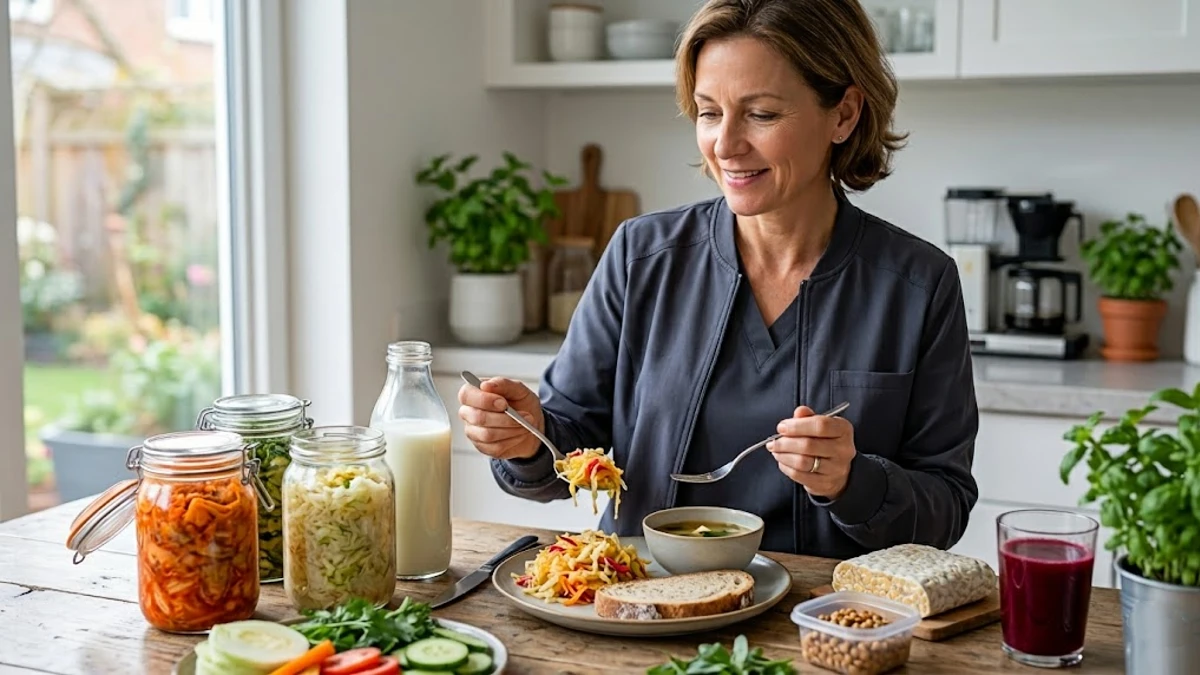
As we age, our gut microbiome naturally loses its bacterial diversity. This leads to a problem scientists call inflammaging. Inflammaging is what happens when inflammation meets aging. It triggers sluggish digestion, poor nutrient absorption, and a weakened immune system.
But there is good news. You can fight back with your fork. You will discover the 11 specific foods top gastroenterologists eat daily to restore gut youthfulness. This list includes a rare Japanese superfood at number 7 that most Westerners have completely missed.
These fermented foods for gut aging are powerful tools. Dr. Saurabh Sethi, a Harvard trained gastroenterologist, notes that fermented foods rank higher than standard fiber for immediate gut flora repair.
1. Kefir: The Microbiome Multiplier
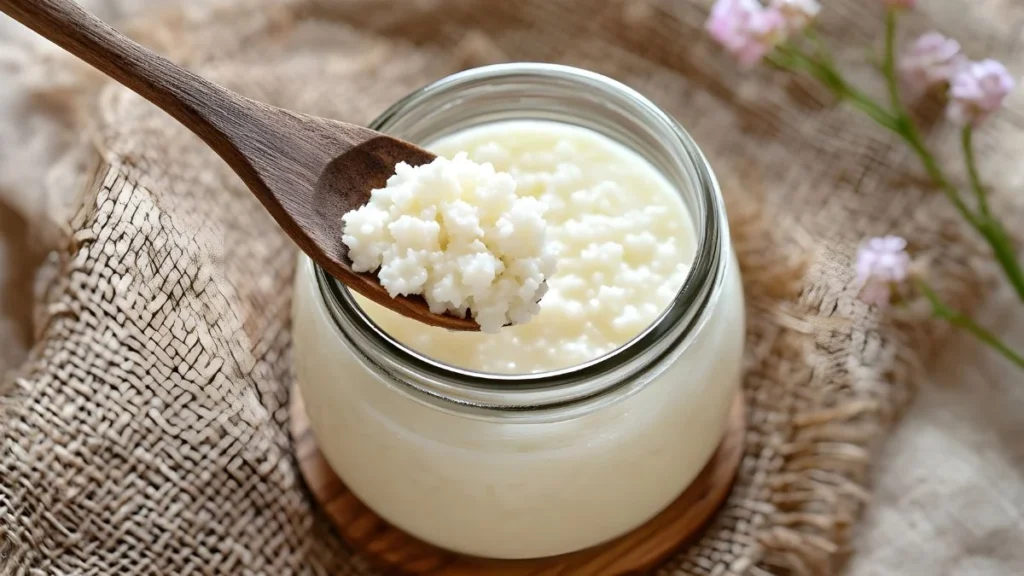
Think yogurt is the ultimate gut healer? Think again. Kefir is a tangy, drinkable powerhouse that completely outshines standard yogurt. Traditional milk kefir contains up to 61 different strains of bacteria and yeasts.
This makes it one of the best probiotic foods for longevity. It helps with blood sugar control and provides an excellent source of vitamins B, C, and K.
The sheer volume of good bacteria helps rebuild a damaged gut wall fast. Here is the truth: variety matters more than quantity. Kefir delivers that variety in every sip.
2. Unpasteurized Sauerkraut: The Fiber Rich Defender
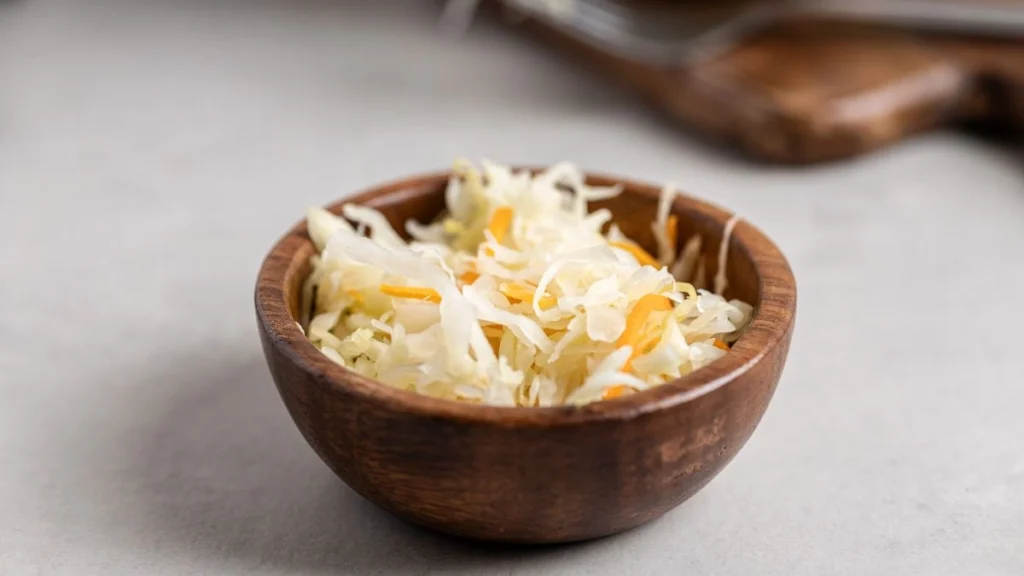
Most supermarket pickles are just cucumbers sitting in vinegar. They are not fermented! Real, unpasteurized sauerkraut is completely different.
It uses salt and water to create natural lacto fermentation. This cabbage dish is high in prebiotic fiber. That fiber feeds the good bacteria already living in your stomach.
Pasteurized versions on dry grocery shelves are dead food. The heat kills all the good bugs. Eating live sauerkraut daily for six weeks is clinically linked to irritable bowel syndrome relief.
3. Kimchi: The Spicy Anti Inflammatory
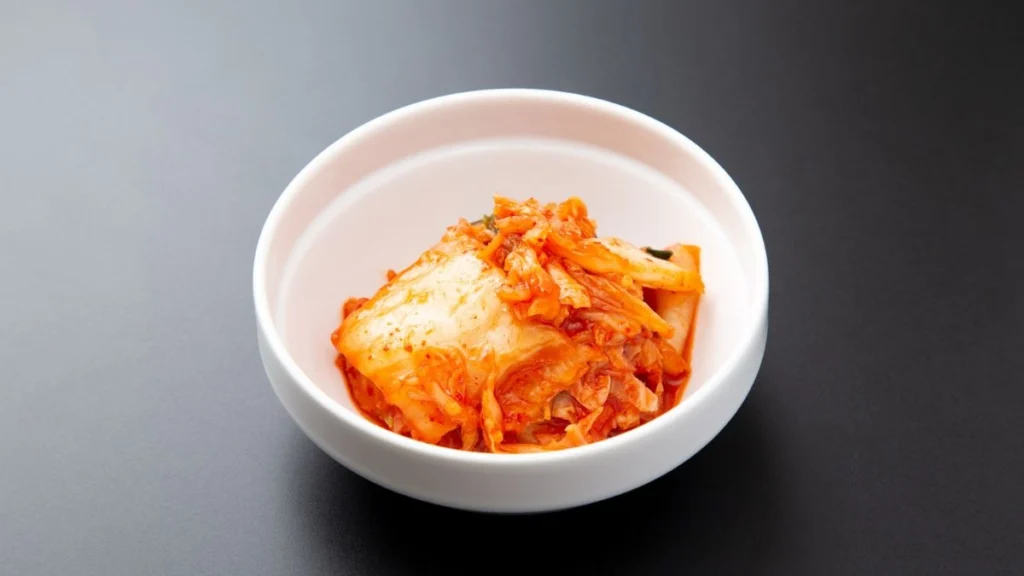
If you prefer bold flavors, step away from the sauerkraut and pick up some kimchi. This spicy Korean staple combines fermentation with nutrient dense vegetables like cabbage and radishes.
It lowers cholesterol and improves blood sugar control. The specific Lactobacillus kimchi strain actually accelerates gut healing. It reduces the fiery inflammation that causes digestive pain.
A landmark Stanford University study showed that eating a diet high in fermented foods lowers inflammatory markers. The researchers suggest aiming for up to 6 servings a day.
4. Miso: The Umami Enzyme Booster
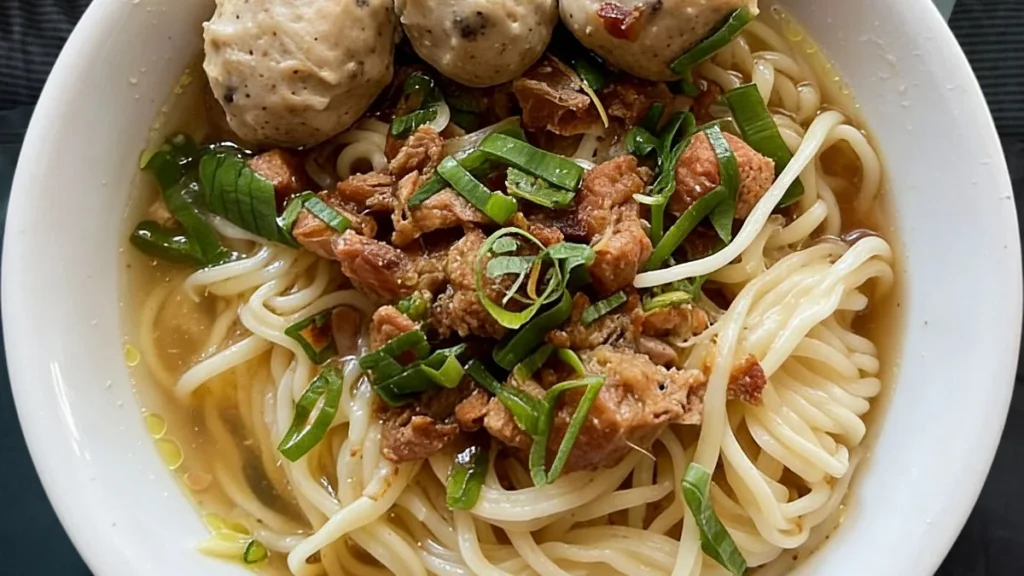
Craving something warm and savory? Miso is a fermented soybean paste packed with digestive enzymes. These enzymes aid in breaking down your food so you absorb more nutrients.
It is incredibly gentle on the stomach. Miso adds a deep, savory umami flavor to meals without adding high calories. But there is a catch. Boiling water destroys the beneficial bacteria. You have to treat it carefully to get the health benefits.
5. Tempeh: The Prebiotic Probiotic Combo
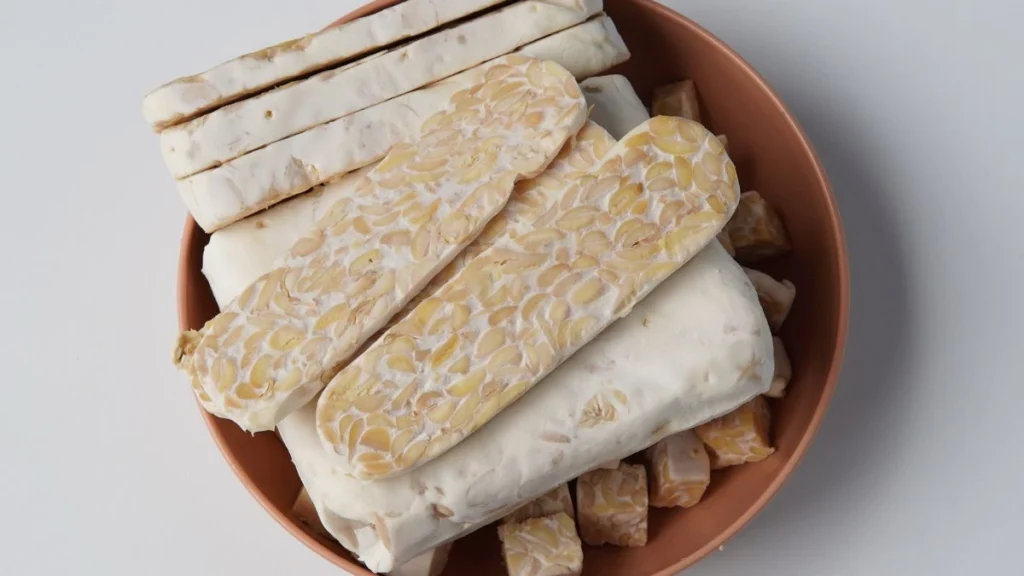
Meatless meals often leave people feeling bloated. Tempeh fixes that problem. It is made from fermented soybeans pressed into a firm cake. It is high in plant protein and incredibly easy to digest.
Tempeh acts as a two for one deal in an anti aging microbiome diet. It serves as both a probiotic and a prebiotic because of its high fiber content.
Dr. Ulysses Wu emphasizes the importance of combining probiotics with prebiotics to make the good bacteria stick around.
6. Kombucha: The Antioxidant Elixir
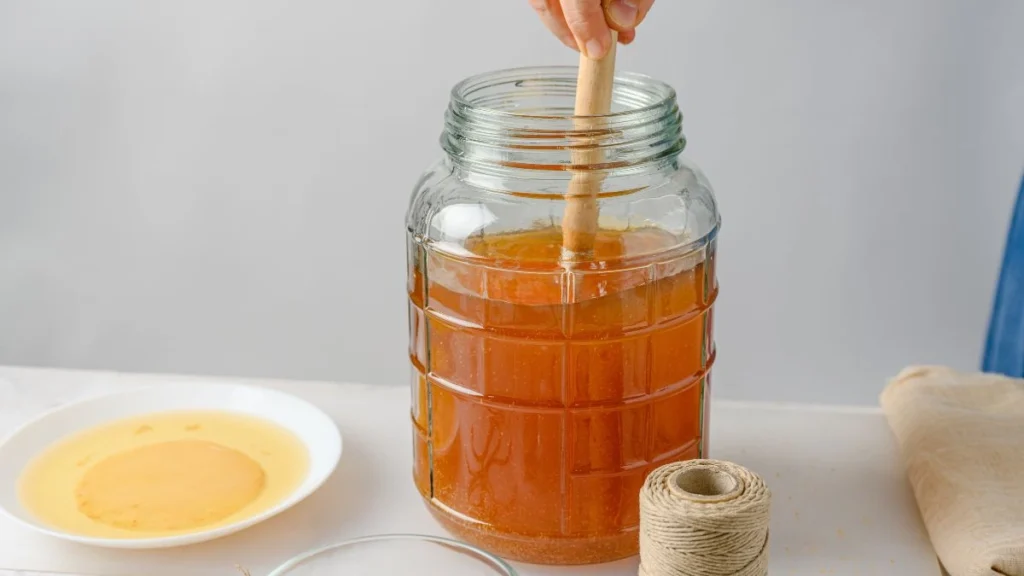
If you prefer drinking your probiotics rather than chewing them, kombucha is a great choice. It is a lightly carbonated fermented tea rich in antioxidants.
This bubbly drink promotes a highly diverse gut flora. But you must read the labels carefully. Many commercial brands are basically soda in disguise.
They pack over 15 grams of added sugar per bottle. High sugar feeds the bad bacteria in your gut, defeating the whole purpose.
7. Natto: The Anti Aging Secret Weapon
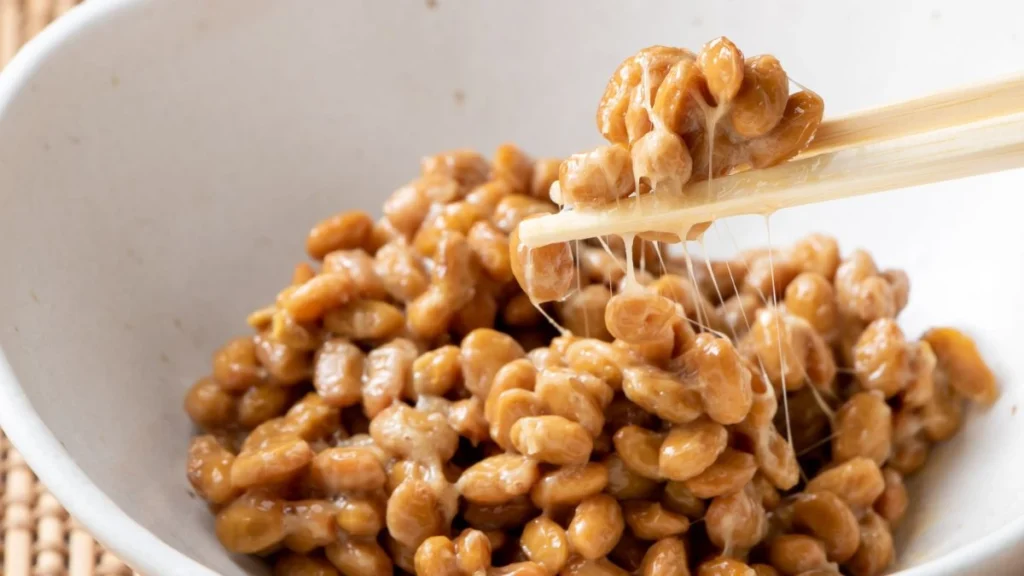
Here is the secret most Westerners miss. Natto is a dish of fermented soybeans with a very distinct, sticky, and stringy texture. It is a staple in Japan for longevity but practically unheard of in Western diets.
Why do gastroenterologists love it? It is incredibly rich in Nattokinase. This is a rare enzyme strongly linked to cardiovascular longevity and a healthy heart. It also contains massive amounts of Vitamin K2.
Vitamin K2 is vital for bone health because it directs calcium straight to your bones instead of letting it build up in your arteries.
Natto might look strange, but it repairs cellular damage fast. Organizations like the International Scientific Association for Probiotics and Prebiotics point to unique foods like this for optimal health.
8. Sourdough Bread: The Postbiotic Powerhouse
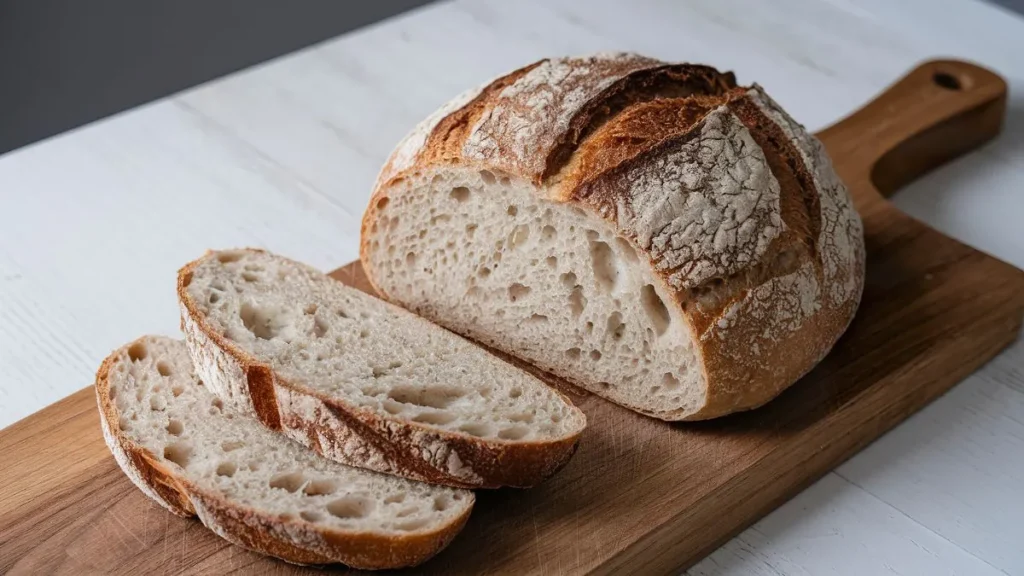
Think all bread causes bloating? Think again. Real sourdough bread undergoes a long fermentation process. This breaks down the gluten and starches before you even take a bite.
This makes it highly digestible and much gentler on your blood sugar than standard white bread. People often worry that the baking heat kills the live probiotics.
That is true. But the process leaves behind postbiotics. These are beneficial microbial byproducts that still feed your gut and reduce inflammation.
9. Live Culture Yogurt: The Daily Classic
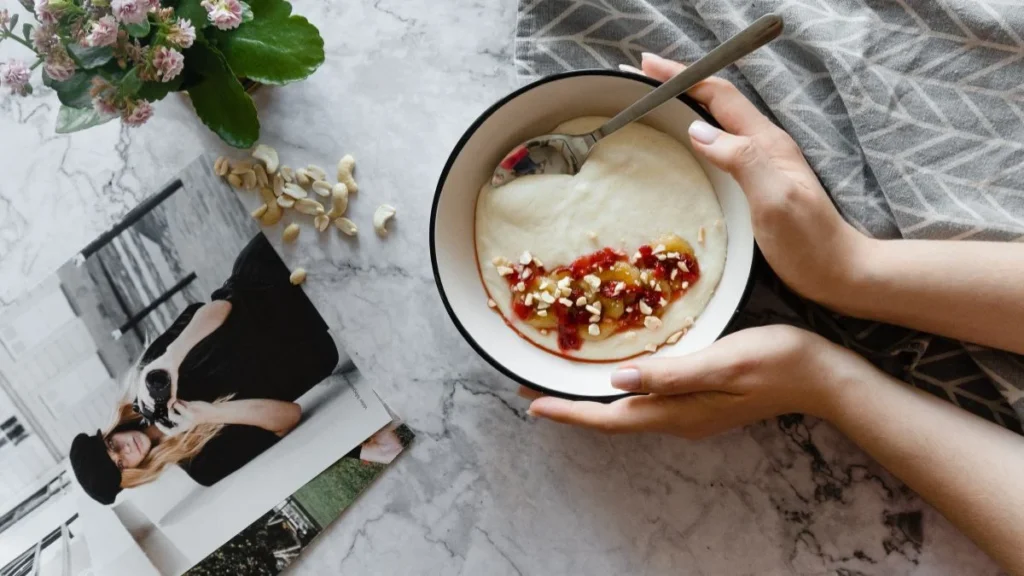
Sometimes the simplest answers are the best. Plain yogurt is highly accessible and easy to find at any corner store. It is rich in the Lactobacillus acidophilus strain. This makes it excellent for easing lactose intolerance and calming an upset stomach.
When looking for gastroenterologist gut health tips, adding plain yogurt is always near the top of the list. You can track your personal microbiome diversity using gut testing platforms like ZOE to see how well it works.
10. Aged Soft Cheeses: The Acid Resistant Survivors
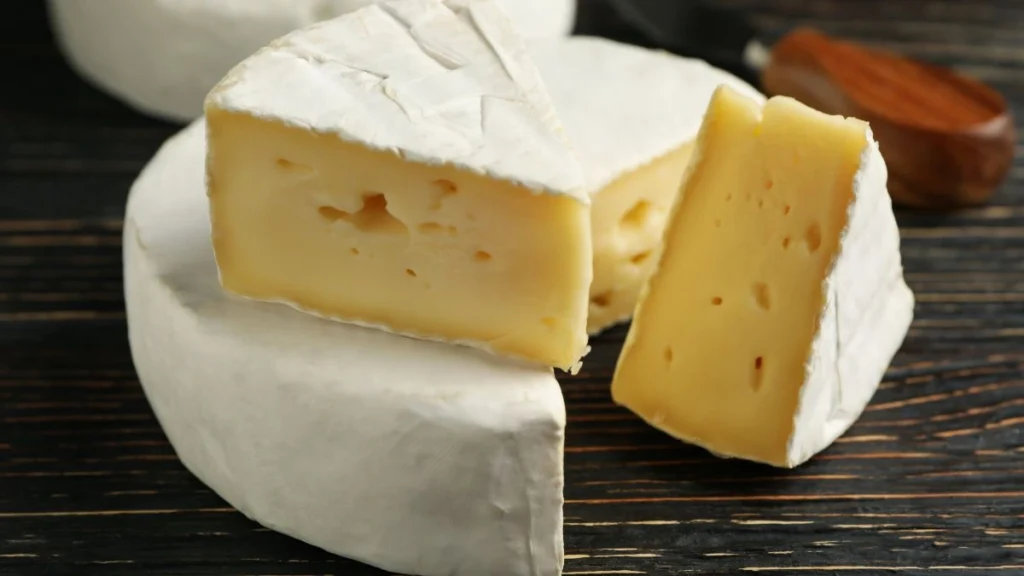
Cheese lovers can rejoice. Not all probiotics survive the harsh bath of human stomach acid. But the bacterial strains found in certain fermented soft and aged cheeses are incredibly tough.
Options like raw Gouda or aged Cheddar are hardy enough to survive the trip all the way to your intestines. They deliver their benefits right where you need them most. You do not need to eat a massive amount to see the benefits.
11. Beet Kvass: The Liver and Gut Tonic
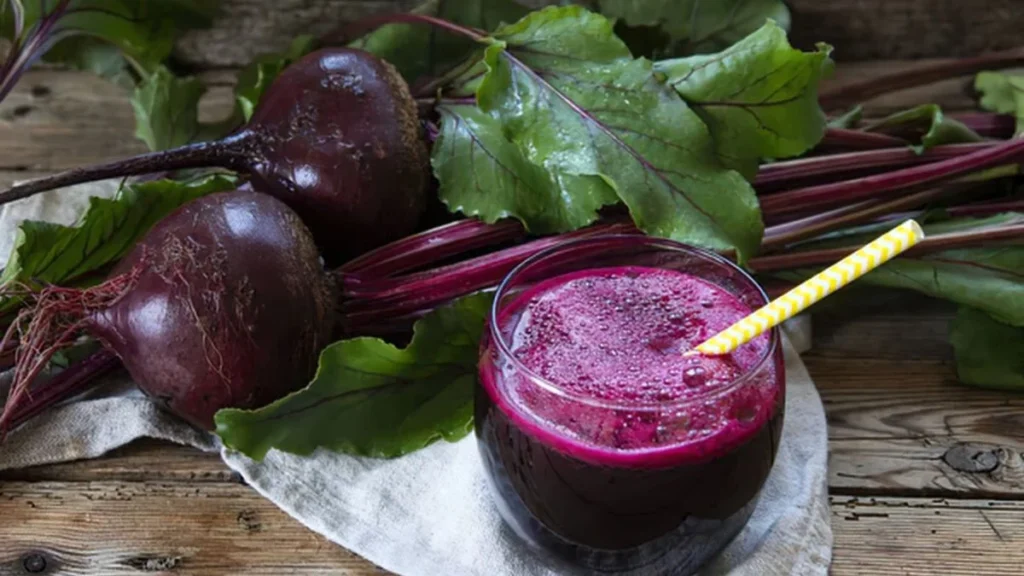
Need a serious detox? Beet kvass is an Eastern European fermented beverage made from whole beets. It is phenomenal for liver support. It works by thinning your bile, which directly aids in fat digestion.
If you struggle to digest heavy meals, this earthy drink helps tremendously. It is highly concentrated in a compound called betaine. Betaine actively fights cellular aging and protects your internal organs from daily stress.