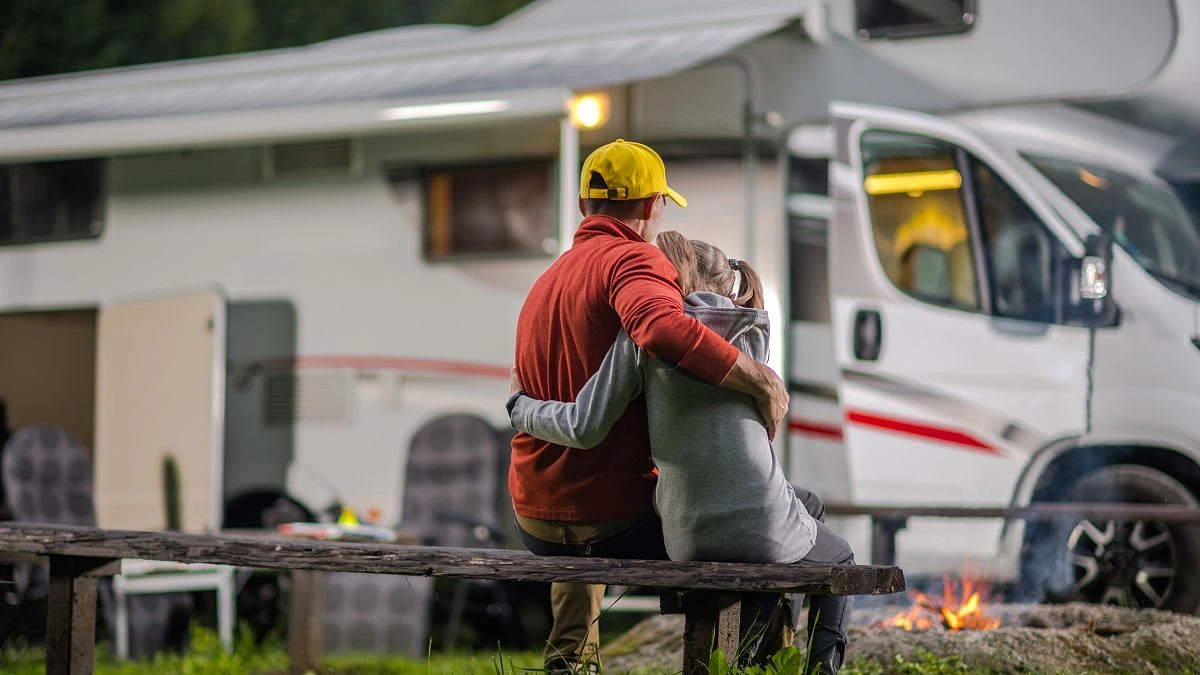
You pull into an RV park after a long day on the road. Everyone is tired, dinner is late, and the site is already paid for. You want to unhitch, connect the power, and settle in.
That is exactly when small warning signs are easy to dismiss.
A clean website cannot show you a scorched power outlet. A row of trees can hide a flood channel. A locked entrance gate means little when the emergency exit is blocked or nobody answers the office phone after dark.
Good RV park safety starts before the stabilizers come down. Spend five minutes checking the site, roads, utilities, staff, and surrounding land while your rig is still ready to move.
The 5 Minute RV Park Safety Check Before You Unhitch
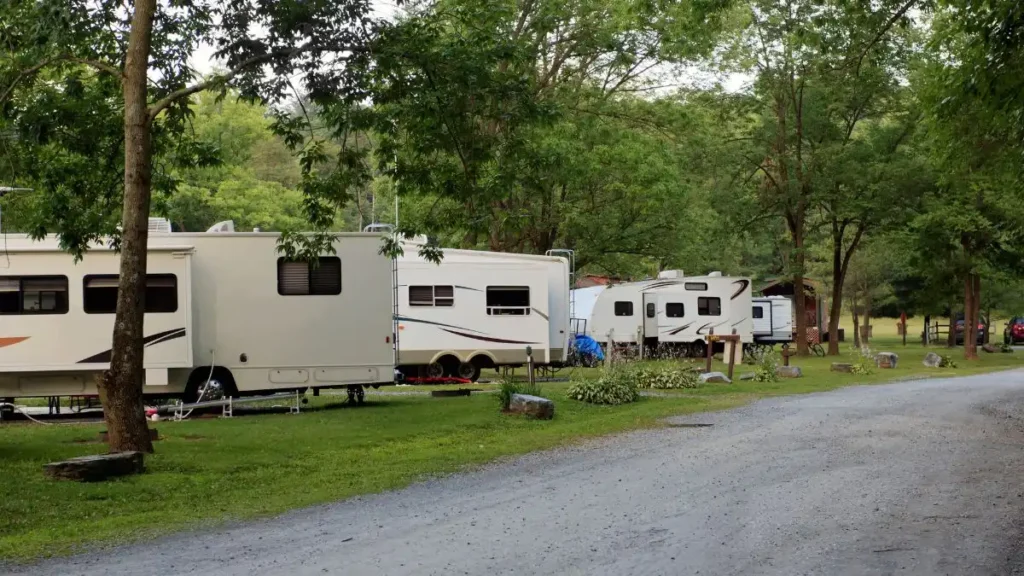
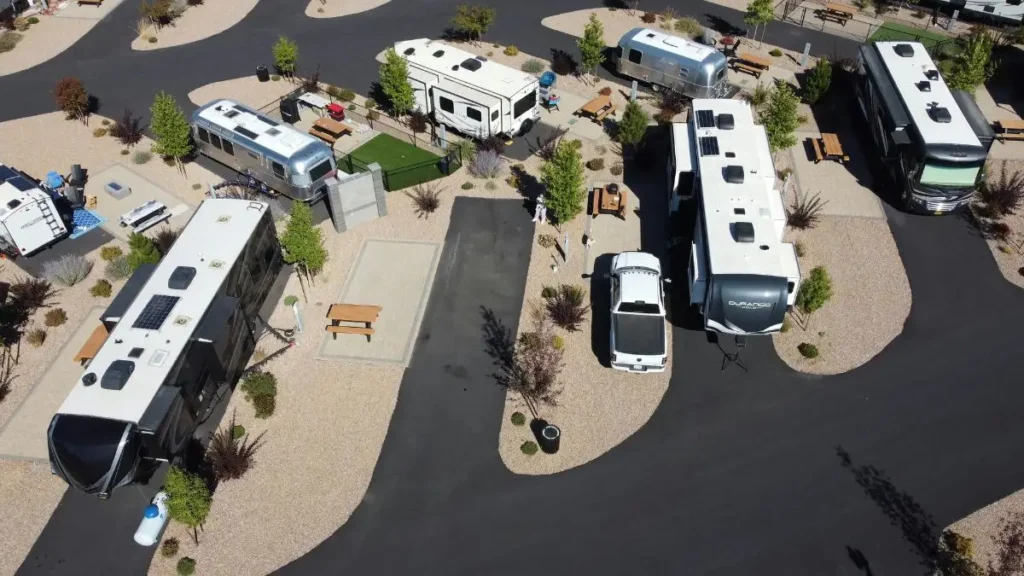
Keep your trailer connected while you inspect the park. Motorhome owners should avoid extending slides, lowering jacks, or unloading gear until the check is complete.
Drive through slowly and look at five things:
- Your assigned site
- The electrical pedestal
- The nearest exit
- The surrounding ground
- The route a large RV would use during an emergency
Then speak with the office. Ask how guests receive severe weather alerts, where they go during a tornado or flood, and whom they call after hours.
The National Park Service advises campers to research local risks, listen to park staff, and plan before problems develop. That advice applies to private RV parks too.
You are not looking for a perfect resort. Faded paint, old picnic tables, or gravel roads do not prove a place is dangerous.
You are looking for failures that could affect your health, your rig, or your ability to leave.
1. The Office Cannot Explain Its Emergency Plan

Ask a simple question at check in:
“What should we do if there is severe weather tonight?”
A prepared employee should be able to point out the shelter, evacuation route, emergency contact number, or local alert system. The answer does not need to sound formal. It does need to be clear.
Be careful when staff members:
- Give different answers
- Do not know where the shelter is
- Cannot identify the exit route
- Tell you to wait until something happens
- Have no way to contact guests
The National Weather Service sends official alerts for hazards such as tornadoes, flash floods, hurricanes, extreme winds, and dust storms. Wireless alerts help, but they should not replace a park evacuation plan.
Ask where you should go before the storm arrives. You do not want to solve that problem at 2 a.m.
2. The Park Sits Beside Water With No Flood Plan
A waterfront site can look peaceful. It can also be the lowest ground in the area.
Look beyond the view. Check for a river, creek, drainage ditch, canyon, dry wash, dam, or steep slope upstream. A storm miles away can send water into a low campground even when little rain falls over your site.
The Texas Water Development Board advises campers near water to ask park operators about flood warnings and safe evacuation plans.
Before you book, enter the campground address in FEMA’s Map Service Center. FEMA identifies it as the official public source for federal flood hazard information. The tool lets you view the current flood map for a community.
When you arrive, ask:
- Has this part of the park flooded before?
- How will guests receive a warning?
- Which road leads to higher ground?
- Can that road handle large trailers?
- How quickly should guests leave?
Keep emergency alerts turned on. Do not assume every lower level flood warning will trigger a loud phone alert. National Weather Service guidance says wireless alerts for flash floods focus on events tagged with considerable or catastrophic damage threats.
If heavy rain is expected and the park has no clear evacuation plan, choose higher ground.
3. The Electrical Pedestal Looks Burned or Broken
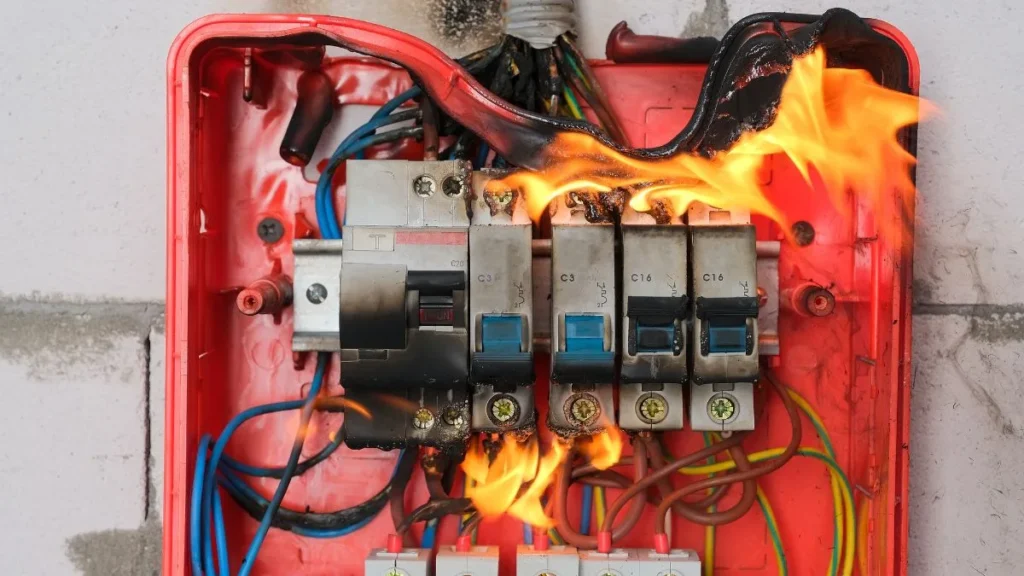
Inspect the electrical pedestal before touching it or connecting your cord.
Look for:
- Dark burn marks
- Melted plastic
- A loose outlet
- Missing covers
- Exposed wires
- Buzzing sounds
- A strong burned smell
- Water inside the box
- A breaker that will not stay in position
Do not connect to a damaged pedestal just because the air conditioner turns on. An outlet can supply power and still have a grounding, voltage, or wiring fault.
The RV Industry Association says parks should test their electrical systems for proper ground continuity. It also notes that a lost ground or current on a grounding conductor can create a serious electrical hazard.
Ask for another site. If staff dismisses visible heat damage or exposed wiring, that response is another warning sign.
A portable electrical management system can test common power faults before electricity enters your RV. Examples include Progressive Industries EMS units, Southwire protection devices, and Hughes Autoformers Power Watchdog models.
Use the correct model for your RV service. A 30 amp RV needs equipment made for 30 amp service. A 50 amp RV needs the matching version.
Electrical protection is a backup. It does not make a broken pedestal acceptable.
4. Roads and Exits Are Blocked
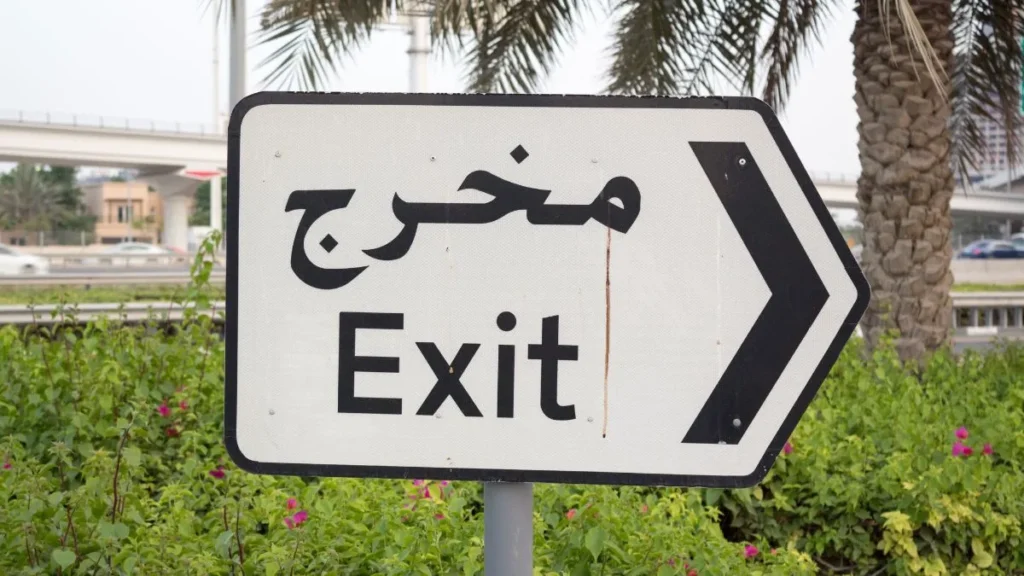
A safe site should have a usable path to the exit.
Walk or drive the route before you settle in. Check for parked trucks, low branches, deep holes, narrow turns, construction barriers, locked gates, and trailers that extend into the road.
Pay close attention when:
- The park has one entrance
- The road ends near your site
- Guests park on both sides of a narrow lane
- A large rig cannot turn around
- The exit requires staff to open a gate
- Floodwater could cut off the only road
Ask whether there is a second exit. Then confirm that it is wide enough and unlocked when guests may need it.
Do not let staff place you in a site that traps your tow vehicle behind the trailer. A pretty corner site loses its appeal when you cannot leave without moving several cars.
5. Nobody Can Tell You How to Reach Staff After Hours
The office does not need to stay open all night. The park does need a clear system for urgent problems.
Look for a posted number near the office, park map, entrance gate, or check in materials. Ask who responds to power faults, burst water lines, threatening behavior, fires, and medical emergencies.
A good after hours system may involve:
- An onsite host
- A manager’s phone number
- A security number
- A call box
- Written emergency instructions
Test the number if the instructions are unclear. You can say you are confirming it before settling in.
No answer does not always mean the park is unsafe. A voicemail may be normal. The concern grows when there is no posted process, no host, no emergency information, and no staff presence.
6. The Park Is Dark Where People Need to Walk
Darkness alone is not a problem. Many campers prefer limited lighting because it improves sleep and preserves the night sky.
The concern is poor lighting around hazards.
Check these areas after sunset when possible:
- Road crossings
- Stairs
- Bathroom entrances
- Laundry rooms
- Dumpsters
- Playground paths
- Uneven pavement
- Sharp turns
- Shared gathering areas
Broken fixtures and deep shadows make falls, vehicle conflicts, and unnoticed activity more likely.
Your site should not be flooded with bright light. You should still be able to reach basic facilities without stepping into traffic or tripping over an unseen curb.
Carry a flashlight. Add a small motion light near your steps when park rules allow it. Aim it down so it helps you without shining into nearby RVs.
7. The Gate and Cameras Are Mostly for Show
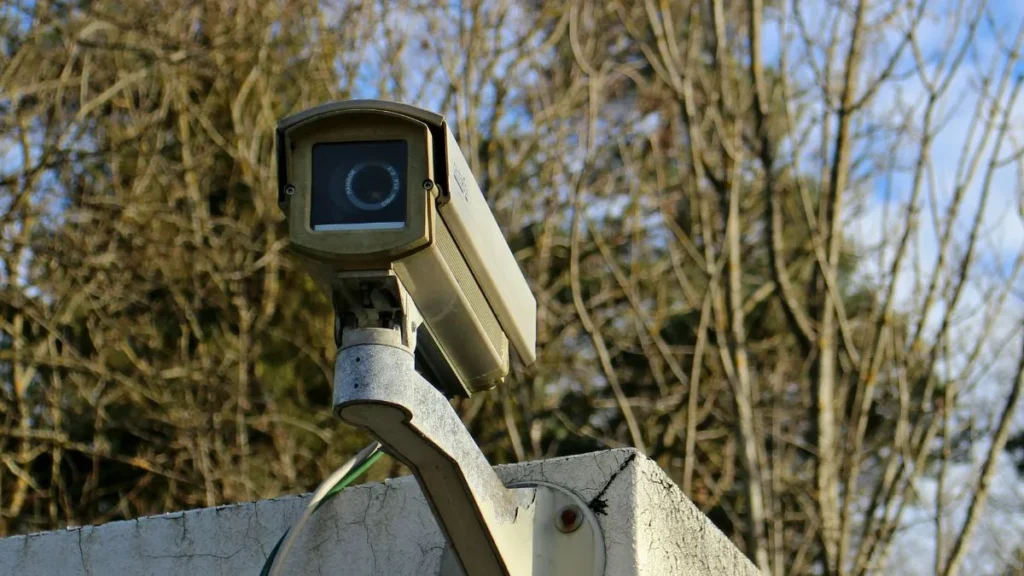
A metal gate can make a listing feel secure. Look at how it works in real life.
Does the gate close after each vehicle? Do visitors receive temporary access? Are entry codes written where anyone can see them? Can a person walk around the barrier without being noticed?
The same rule applies to cameras. A camera may record an event, but it cannot stop one. Some systems are not monitored live. Others may be broken or aimed in the wrong direction.
Ask management:
- Is the gate locked overnight?
- How do visitors enter?
- Are cameras recording?
- Who reviews footage after an incident?
- Is a staff member present at night?
A park without a gate can still be well managed. A gated park can still have weak security.
Look at access control, staff response, lighting, and guest behavior together.
8. Recent Reviews Repeat the Same Safety Complaint

One angry review tells you little. A repeated pattern deserves attention.
Sort reviews by newest rather than highest rated. Search the page for words such as:
- Theft
- Flood
- Power
- Voltage
- Fight
- Police
- Loose dogs
- Speeding
- Broken gate
- No staff
- Fire
- Sewer
- Unsafe
Campendium provides campground listings and traveler reviews that can help you compare recent experiences.
Check more than one platform. Compare Campendium, RV LIFE Campgrounds, Google reviews, and recent social posts. Look at the dates because a new owner may have fixed an old problem. The reverse can also happen.
Pay special attention to how management responds. A calm reply that explains a repair or policy change is more useful than an argument with the reviewer.
Do not treat complaints about small sites or unfriendly staff as proof of danger. Focus on reports involving direct threats, failed utilities, blocked access, floods, fires, animals, or repeated theft.
9. Loose Dogs or Wildlife Attractants Are Everywhere
One escaped dog does not define a whole park. Several loose dogs with no staff response point to weak rule enforcement.
Watch for:
- Dogs running between sites
- Pets tied where they can reach the road
- Owners ignoring leash rules
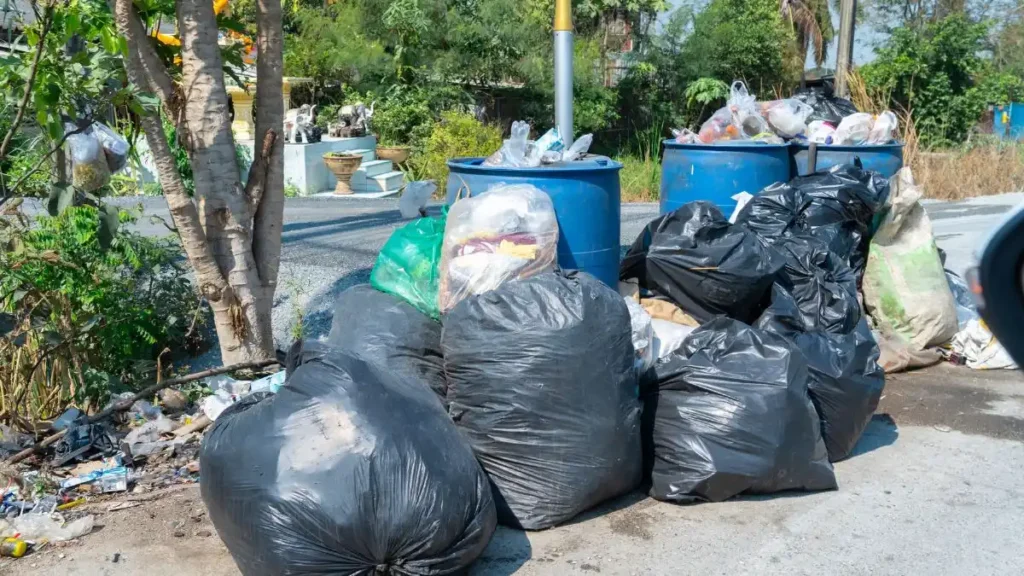
- Open trash bags
- Food left outside overnight
- Overflowing dumpsters
- Guests feeding wild animals
These problems affect children, older adults, cyclists, walkers, and other pets.
Food waste can also draw wildlife into the campground. The National Park Service advises campers to secure food and prevent animals from gaining access to it. Animals that learn to connect people with food can become aggressive.
Ask the office about local wildlife rules. Requirements can change from one area to another. Some parks allow food inside a locked vehicle. Others require approved lockers or bear resistant containers.
Keep pet vaccination records available. Carry a sturdy leash and a small light for night walks.
Leave when an aggressive animal is roaming and staff cannot control the situation.
10. The Site Is Soft, Washed Out, or Badly Drained

Walk the site before backing in.
Look for deep tire ruts, sinking ground, washed gravel, standing water, exposed roots, broken pavement, or soil pulling away from a slope. Check the area where your wheels, jacks, and stabilizers will sit.
Soft ground can shift under a heavy RV. Water may also hide holes or sharp debris.
Ask for another site when:
- The ground moves under your shoes
- A wheel would sit close to a drop
- Water is flowing across the pad
- The site slopes into a ditch
- Erosion is visible around the edge
- A retaining wall looks damaged
Leveling blocks can correct a modest slope. They cannot repair unstable soil.
Do not place jacks on crumbling pavement or near the edge of a washed out bank. Your rig is too heavy for guesses.
11. Fire Risks Are Being Ignored
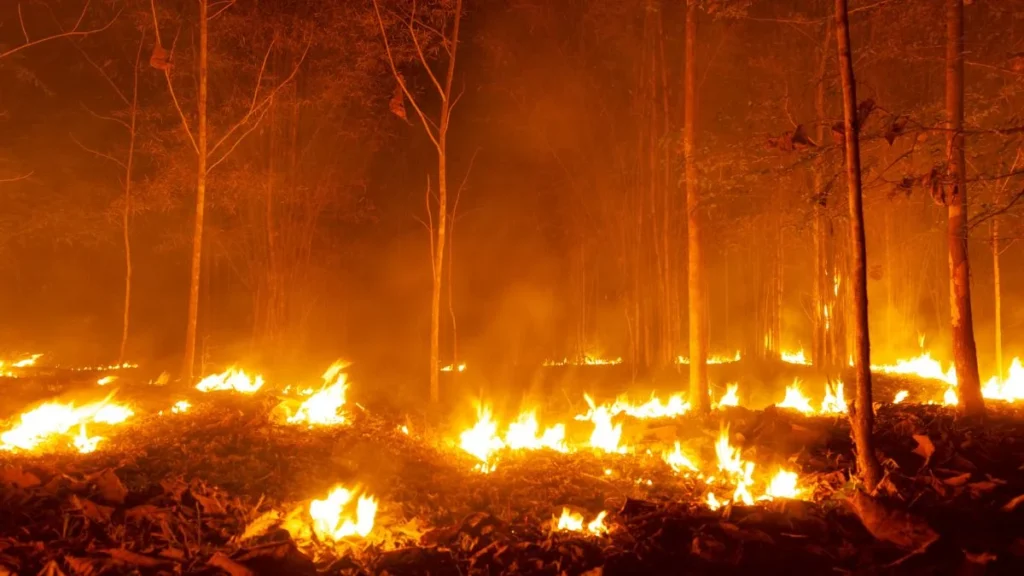
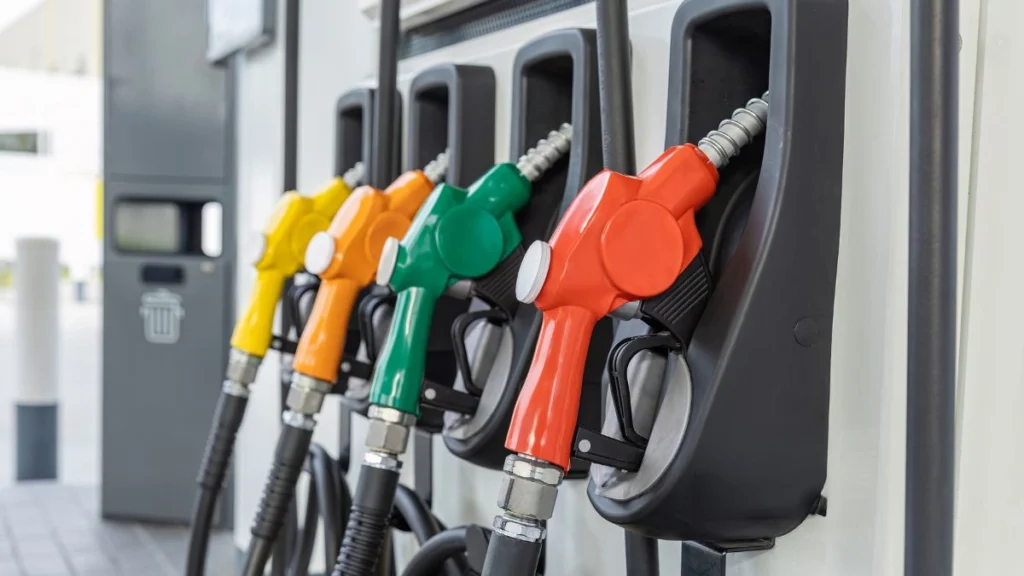
Campgrounds place fuel, propane, vehicles, cooking equipment, dry plants, and electrical cords close together. Basic fire rules matter.
The National Fire Protection Association warns that RV fires can involve electrical systems and recommends simple prevention steps for motorhomes, campers, and trailers.
Watch for:
- Grills pressed against RV walls
- Fires under awnings
- Extension cords with visible damage
- Cords crossing vehicle lanes
- Dry grass around fire rings
- Propane odors
- Blocked fire extinguishers
- Fireworks during a burn restriction
- Hot ashes placed near trash
Check local fire rules before lighting anything. Wind can make a legal campfire unsafe within minutes.
Inside your RV, test the smoke alarm, carbon monoxide alarm, and propane alarm. Check the fire extinguisher gauge and make sure you can reach it quickly.
Move away and contact emergency services when you smell strong propane or see active fire. Do not search for the leak while standing in a dangerous area.
12. Management Ignores Threats, Fighting, or Dangerous Driving
Campgrounds are social places. Children play, dogs bark, trucks arrive late, and neighbors sometimes talk around a fire.
That is different from threatening behavior.
Take action when you see:
- Physical fights
- Direct threats
- Property damage
- Vehicles racing through occupied areas
- Drivers who appear impaired
- Repeated harassment
- Weapons handled in a threatening way
- Staff refusing to address a serious complaint
Do not confront an aggressive stranger to prove a point. Lock your doors, keep your phone with you, and move to a safer public area.
USAGov recommends contacting the local law enforcement agency where an incident occurs. Federal, state, and local agencies also collect crime information that can help travelers research an area before arrival.
Call emergency services when anyone faces immediate danger.
A refund dispute can wait. Your safety cannot.
13. Your Site Gives You No Fast Way Out
Think about departure before you set up.
Can you reach the driver’s seat quickly? Is the tow vehicle blocked by another car? Would you need to remove a large outdoor setup before moving? Can you retract the slides and leave without asking several neighbors to move?
During normal weather, a full setup is fine. During a flood watch, fire warning, wind event, or growing security concern, stay ready.
That may mean:
- Keeping the tow vehicle connected
- Leaving the awning closed
- Storing chairs inside
- Keeping keys in one known place
- Pointing the vehicle toward the exit
- Saving the exit route offline
- Filling enough fuel to leave the area
Do not wait for water, smoke, or disorder to reach your site.
Leaving early may feel overly cautious. Leaving late can remove your choices.
When One Warning Sign Is Enough to Leave
Most park problems should be judged as a pattern. An old bathroom and weak mobile service may be annoying, but they are not automatic reasons to leave.
Some dangers deserve immediate action on their own.
Leave or move to a safe area when you find:
- Rising water near the campground
- An active fire
- Exposed live electrical parts
- A strong propane smell
- Direct threats or violence
- An aggressive loose animal
- A blocked emergency route
- An evacuation order
- Ground that is failing under your rig
Do not let a prepaid fee trap you. Ask for a refund later.
Move to a well lit public place, fuel station, truck stop, rest area, or alternate campground while you make a new plan. Check local parking rules before staying overnight.
Call emergency services when the threat is immediate. Tell the dispatcher your campground name, site number, road, and nearest entrance.