
Most people believe a pill is the ultimate shield against diabetes. But the most powerful tool for flattening after meal glucose spikes is likely sitting in your closet right now. Grab your walking shoes.
You eat a healthy meal. You take your prescribed medication like Metformin. But you still watch your continuous glucose monitor spike into the red zone. This leaves you feeling exhausted and frustrated.
You will discover why the simple act of walking targets glucose spikes in a way that many daily medications simply cannot. Recent clinical studies back this up.
The Hidden Truth About After Meal Spikes And Why Meds Fall Short
Think of Metformin as the thermostat for your house. It keeps the background temperature stable. But walking after a meal is like opening a window to let the smoke out immediately. Doctors often focus on fasting glucose.
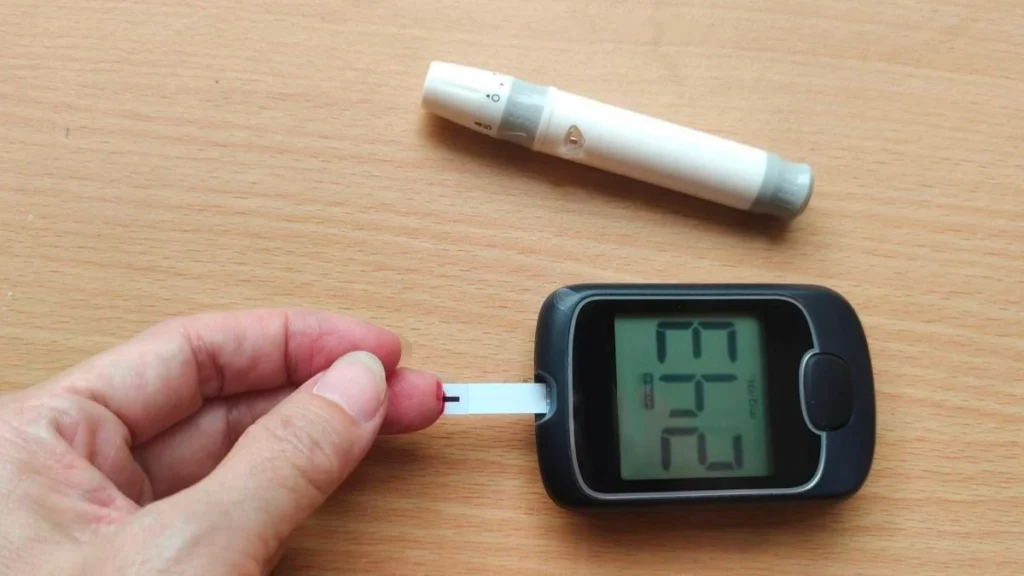
Medications target those fasting levels very well. However they often miss postprandial glucose. This is the sugar spike that happens right after you eat.
Medications take time to synthesize in your body. But muscular contraction from walking uses glucose immediately. Your muscles act like sponges for sugar. They do not even need insulin to do this. Doctors call this insulin independent glucose uptake.
That afternoon crash you feel is a symptom of a glucose roller coaster. Pills do not always prevent this rapid rise and fall. After meal spikes account for a large portion of elevated A1C levels.
This happens even in medicated patients. You need an active strategy to lower postprandial glucose. When you master walking after meals blood sugar stability improves dramatically.
3 Scientific Studies Showing Walking Beats Medication For Acute Spikes

The clinical data from recent years is impossible to ignore. Walking is a highly effective treatment.
- A landmark Sports Medicine review by AJ Buffey showed incredible results. Just 2 to 5 minutes of light walking significantly breaks up glucose spikes compared to prolonged sitting.
- A 2025 Scientific Reports study proved the power of a short walk.
A 10 minute walk immediately after eating lowered peak glucose to 164.3 mg/dL compared to 181.9 mg/dL in sedentary subjects.
- Dr Loretta DiPietro published a classic Diabetes Care study. She found that three 15 minute walks after meals improve 24 hour glycemic control. This works better than one 45 minute sustained morning walk.
Medications offer a broad stroke effect. But they cannot match the acute peak blunting effect of movement. The American Diabetes Association strongly supports after meal exercise.
The 10 to 30 Minute Window: How to Time Your Walk Perfectly

Blood glucose typically peaks 60 to 90 minutes after eating. You need to catch the sugar as it enters your bloodstream. Start your walk 10 to 30 minutes after you finish your meal. This is the perfect window of opportunity.
Many people believe the intensity myth. You do not need to jog or sweat. A brisk conversational pace is the clinically proven sweet spot. Keep your speed around 3 miles per hour.
Let us look at an example. A desk worker eats a heavy pasta dinner. They sit on the couch at 6:30 PM. Their sugar skyrockets. Another person eats the exact same meal.
They take a 10 minute walk after eating. That short walk brings the spike down by 20 to 30 percent.
4 Steps to Your Actionable After Meal Walking Protocol
You can start this habit today. Follow these simple steps to protect your energy.
- Pick your two heaviest carb meals. This is usually lunch and dinner.
- Set a timer for 10 to 15 minutes of continuous walking.
- Do not let weather stop you. Wear cushioned shoes. Pacing indoors or walking the office hallways works well. Indoor pacing is slightly less impactful than outdoor walking but still highly effective.
- Track your results. Use a continuous glucose monitor or a traditional finger prick monitor.
Comparing Medical Options With Daily Movement
It helps to see the difference clearly. Here is how daily movement stacks up against common medical options for acute sugar spikes.
| Feature | Prescription Medication | 10 Minute Walk |
| Speed of Action | Takes hours to peak | Works immediately |
| Cost | Monthly pharmacy bills | Completely free |
| Target Area | Background fasting glucose | Acute after meal spikes |
| Side Effects | Nausea or stomach issues | Better mood and digestion |
What to Do If You Take Fast Acting Meds
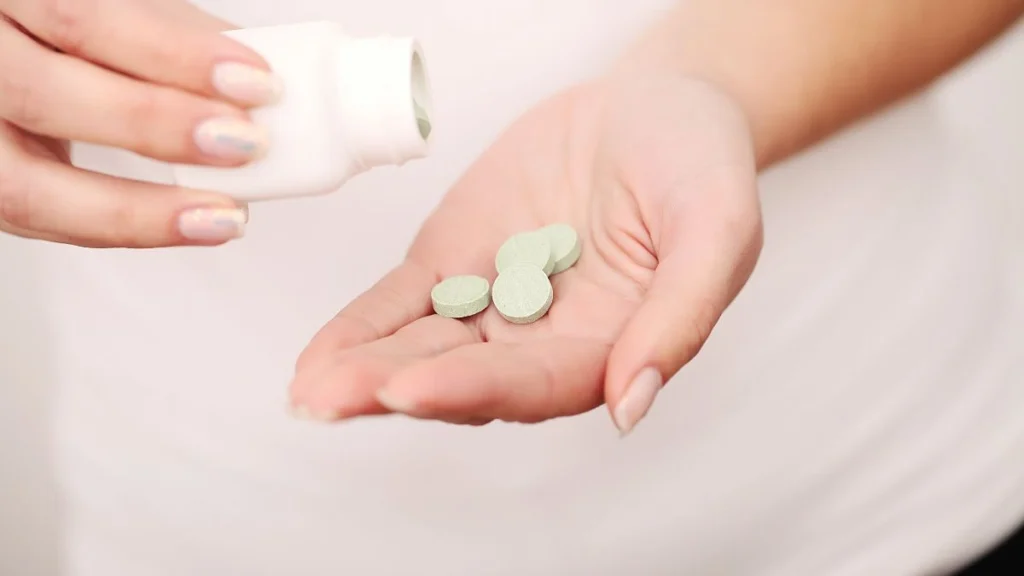
Safety always comes first. Walking drops blood sugar fast. If you take insulin you must monitor your numbers closely. This prevents your levels from dropping too low. Talk to your doctor about adjusting your dose as your lifestyle improves.
How to Stop the 2 PM Energy Crash at Work
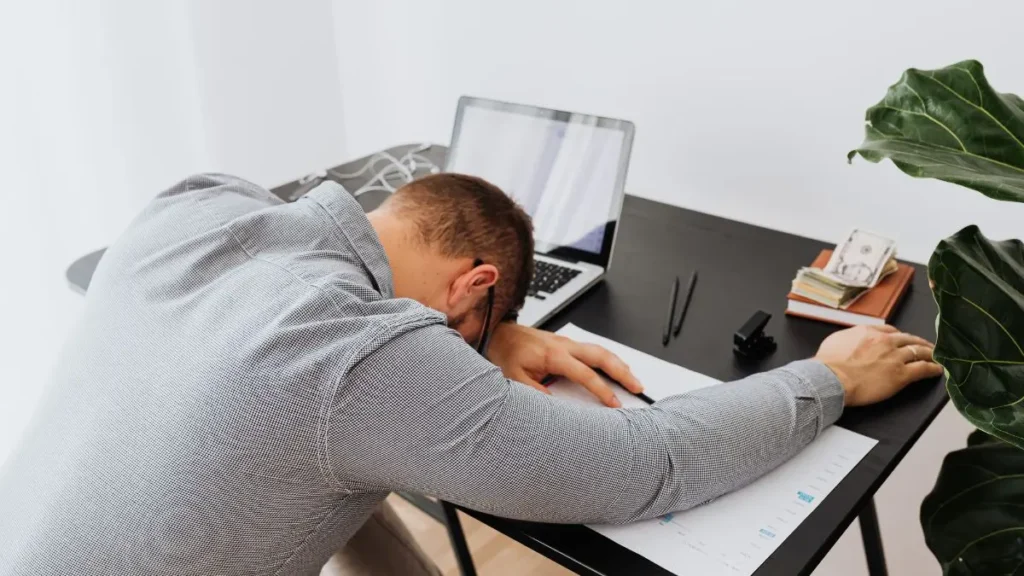
Many people hit a wall of exhaustion right after lunch. You stare at your computer screen and struggle to keep your eyes open. This is a direct result of a blood sugar spike and the inevitable crash.
Your lunch digests rapidly. Glucose floods your system. If you sit at your desk all afternoon that sugar has nowhere to go.
Taking a short walk around your office building changes everything. You burn that fuel before it forces your energy levels to collapse.
Your afternoon focus will stay sharp. You will feel lighter and more productive. You will not even need that third cup of coffee to finish your shift.
3 Simple Indoor Alternatives for Bad Weather
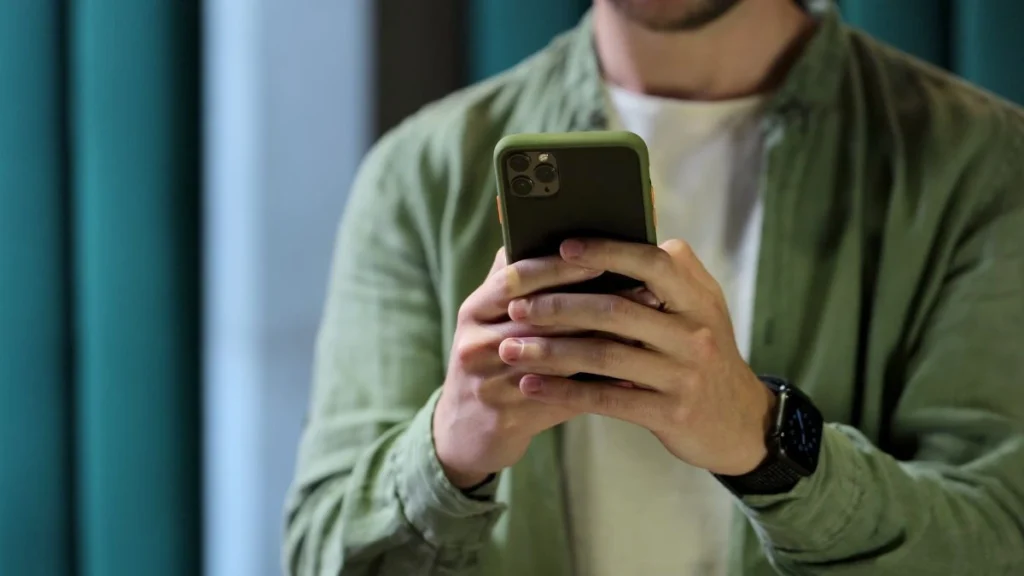
Sometimes an outdoor walk is simply not possible. It might be raining or too dark outside after dinner. You still need to move your muscles to clear that extra sugar. You have great options right inside your home.
Micro-Movement Hacks
Burn Glucose Without a Gym
Do the Dishes Immediately
Standing and moving your arms around the kitchen counts as light activity. Knocking out chores right after a meal prevents a sharp glucose spike.
Pace While on Your Phone
Walk back and forth in your hallway while you scroll social media or talk to a friend. These accumulated steps burn significant calories over time.
Try Seated Calf Raises
Lift your heels up and down while sitting in your chair. The soleus muscle in your calf burns a massive amount of glucose with very little effort.
Conclusion
Walking after meals is a scientifically validated way to blunt glucose spikes. It is completely free and works immediately. This habit serves as a powerful companion to traditional medications. It is also a fantastic alternative for prediabetics.