
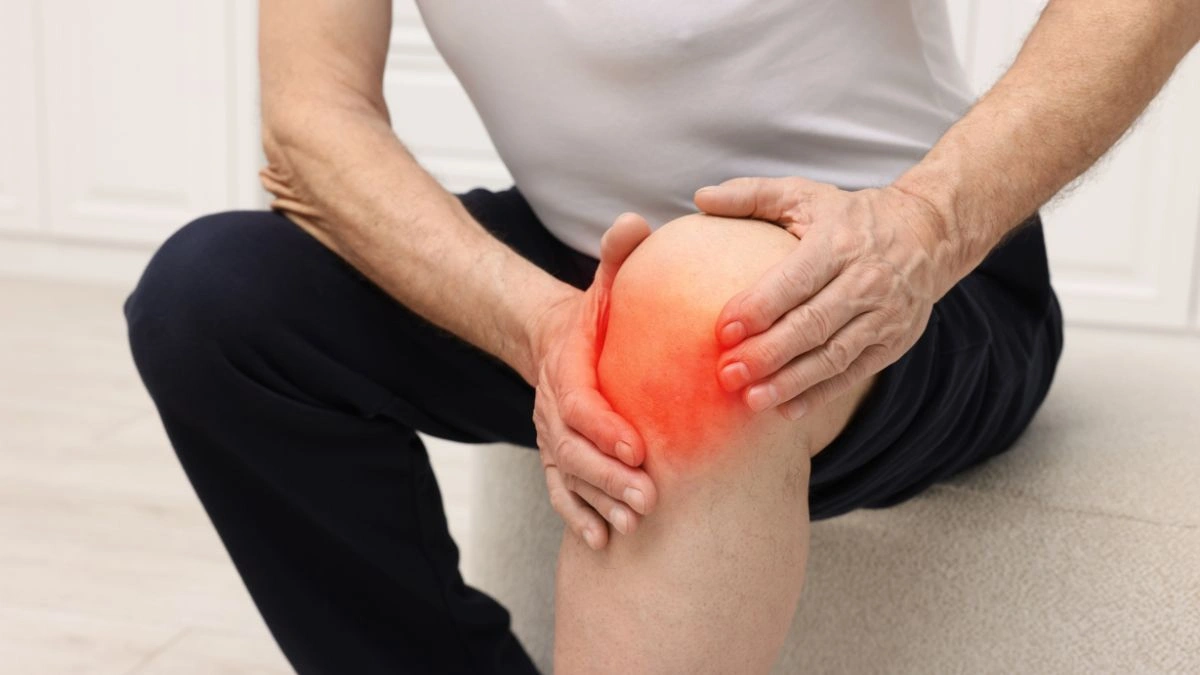
We have all heard that familiar snap, crackle, and pop when getting out of bed. But after 50, not every joint sound is just a harmless sign of aging.
Most people brush off joint noises as normal wear and tear. They accidentally ignore early warning signs of severe joint degradation until it is too late for basic treatments.
You will find out how to tell the difference between harmless gas bubbles and the seven specific joint sounds that signal structural damage, arthritis, or tears. You will also learn exactly what to do next.
1. The Bone on Bone Knee Grind (Accompanied by Aching)

This gritty sandpaper feeling is called crepitus. It is very different from a standard loud knee pop. Cartilage is like the brake pads on your car. When it wears thin, the bare bones grind together. This signals a breakdown of the protective tissue in your knee.
According to CDC data, over 50 percent of adults over 65 develop osteoarthritis. While the noise is alarming, the real concern is the constant aching that follows. These are classic osteoarthritis symptoms over 50. This points directly to advanced joint decay.
Watch for these red flag symptoms:
Inflammation Warning Signs
Monitor Joint Health
Prolonged Stiffness
Experiencing morning stiffness lasting longer than 30 minutes is a key clinical indicator of systemic joint inflammation.
Post-Activity Pain
Pay close attention to a deep aching after physical activity, which signals ongoing structural stress on the cartilage and tissues.
Localized Heat
Do not ignore a feeling of heat or warmth around the joint, as this is a primary and active sign of an inflammatory response.
If your knee grinding sounds like this, you should see a doctor. An X ray is the best first step to check for cartilage loss.
2. The Loud Knee Pop Followed by Immediate Swelling

This sudden noise is not a gas bubble. A sharp pop during a twisting motion often signals a torn meniscus or ligament damage. Many degenerative meniscus tears happen without any athletic trauma. They are highly common when you are older. But symptomatic tearing needs medical care.
The sound matters, but the real issue is the feeling of instability that follows. This points directly to structural damage inside the knee. You might experience painful clicking joints when you try to walk.
Watch for these red flag symptoms:
- Swelling within 24 hours of the pop
- A sensation of the knee giving way
- The knee locking when you try to straighten it
If you suspect a meniscus tear over 50, stop walking on it. You need a physical exam and an MRI to see the soft tissue damage.
3. The Shoulder Catch and Click With Arm Weakness

If your shoulder clicks every time you reach up to grab a heavy coffee mug, pay attention. Reaching overhead should never hurt.
A clicking noise combined with sudden arm weakness points to a rotator cuff tear or severe tendinitis. You might struggle to put on a coat or reach a high cabinet.
While the shoulder clicking is annoying, the main problem is the lack of strength. This points directly to muscle or tendon failure. You should never ignore new joint sounds after 50.
Watch for these red flag symptoms:
- Inability to lift a gallon of milk
- Pain radiating down the arm
- Severe pain when sleeping on that side
If this sounds familiar, an orthopedic specialist needs to evaluate you. An ultrasound or MRI can reveal the exact location of the tear.
4. The Deep Hip Clunk Accompanied by Groin Pain

Your hip joints are buried deep under muscle. A loud hip clunking noise often means the cartilage ring inside the socket is torn. This ring is called the labrum.
Sometimes it means the bones are shaped poorly and pinch together. True hip joint pain is felt in the groin, not the outer thigh.
Knowing joint popping when to worry is crucial here. The deep sound is concerning, but the sharp groin pinch is the real warning. This points directly to internal hip damage.
Watch for these red flag symptoms:
- Sharp pain deep in the groin crease
- Catching feeling when tying your shoes
- Stiffness that makes it hard to walk normal
If your hip catches and hurts, talk to a physical therapist. They will likely recommend an MRI to check the extent of the labral tear.
5. The Neck Crunch With Tingling in Your Hands
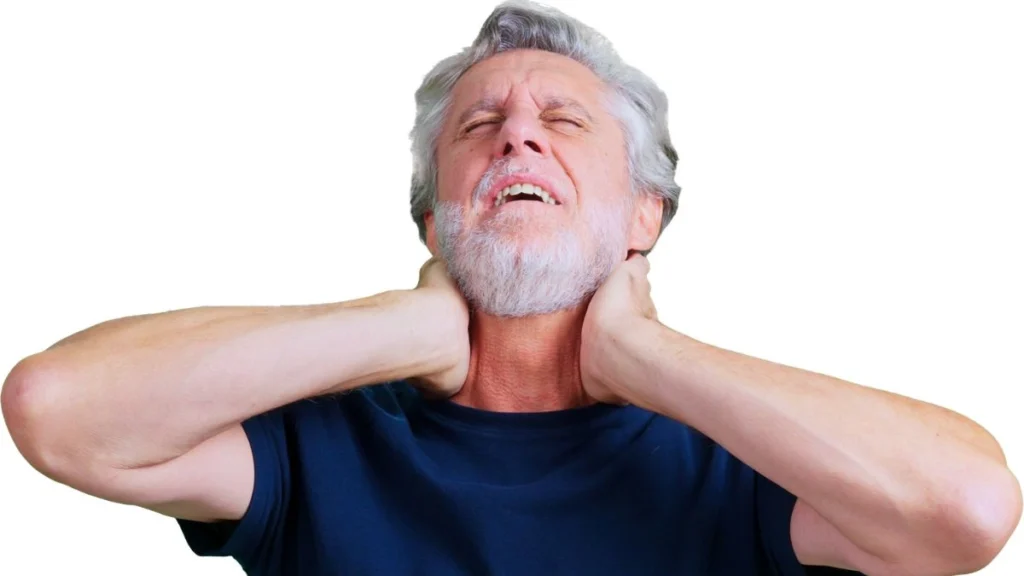
Neck crepitus is very common as we age. But a grinding sound paired with odd sensations in your hands is a neurological red flag. It often means the bones in your neck are pressing on nerves. This condition is called cervical radiculopathy.
It is one of the more serious osteoarthritis symptoms over 50. The neck grinding is a symptom, but the real danger is the nerve compression that follows. This points directly to a pinched nerve in your spine.
Watch for these red flag symptoms:
Nerve Compression Signs
Neurological Warning Symptoms
Sensory Disruption
Experiencing numbness or pins and needles in your fingers is often the first indicator of median or ulnar nerve compression.
Motor Skill Loss
Take notice if you find yourself dropping items unexpectedly. This points to a sudden loss of spatial awareness and muscle control.
Diminished Force
Losing grip strength in one hand can make daily tasks difficult and signifies that the nerve condition is beginning to affect muscle integrity.
If you feel nerve pain, stop doing heavy lifting. A specialist will need an MRI of your cervical spine to locate the pinched nerve.
6. The Jaw Snap That Leads to Locking or Headaches

Jaw joint disorders peak in middle age. This happens after years of stress grinding or natural dental changes. The joint that connects your jaw to your skull is called the temporomandibular joint.
A sharp jaw snapping sound that triggers migraines requires attention. This is a very common cause of painful clicking joints. The snapping is loud, but the real issue is the muscle tension that follows. This points directly to joint dysfunction or a displaced disc in the jaw.
Watch for these red flag symptoms:
- The jaw locking open or closed
- Pain spreading to your ears or neck
- Chronic morning headaches
If your jaw catches regularly, see a dentist who specializes in jaw pain. They can fit you for a custom splint to protect the joint.
7. The Artificial Joint Squeak or Clunk
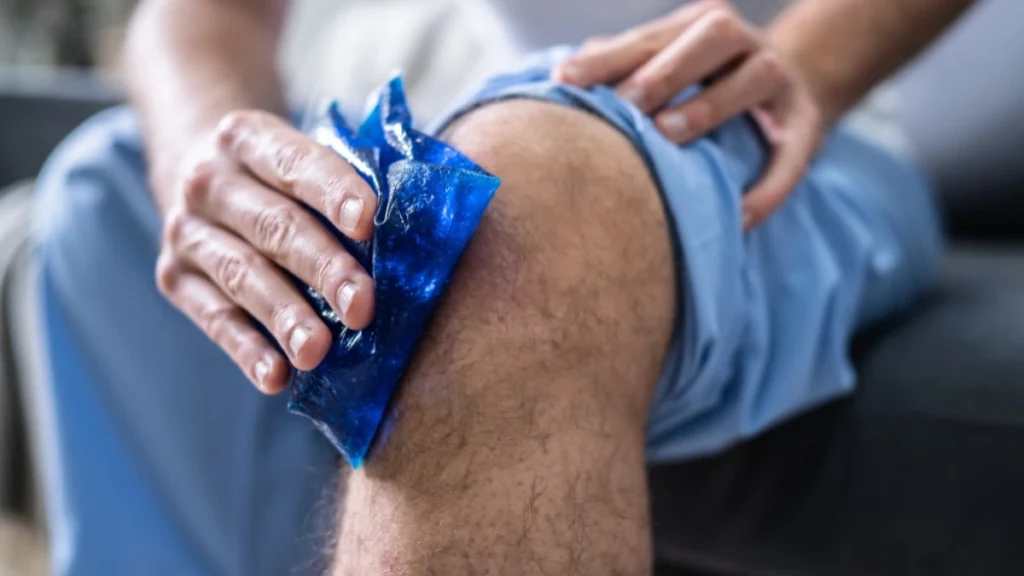
If you have had a joint replacement, new mechanical noises are a major warning sign. Sounds like squeaking or clunking can indicate that the hardware is coming loose. It might also mean the plastic spacer is wearing out.
Modern implants last 15 to 20 years. But knee replacement clicking should never be ignored. The mechanical noise is the first clue, but the real threat is implant failure.
This points directly to hardware problems. New joint sounds after 50 are especially critical if you have metal parts.
Watch for these red flag symptoms:
- A feeling that the joint is unstable
- New pain years after the surgery
- Redness or warmth around the scar
If your artificial joint makes noise, call your surgeon today. Sudden mechanical noises require immediate X rays to check the hardware placement.