
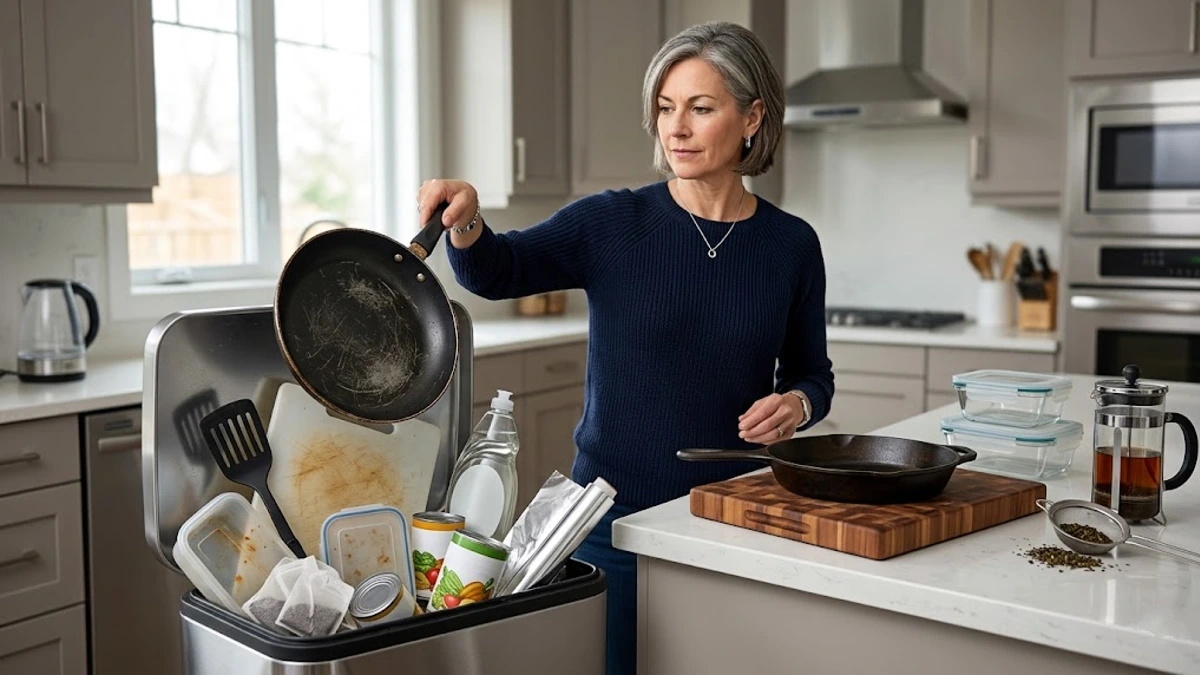
As a toxicologist, Harry spends his days analyzing how chronic, low dose chemical exposures impact human health. When he turned 50, he realized his own kitchen was a chemical minefield.
He was doing everything right by eating clean, but his tools were toxic. You are likely preparing healthy meals completely unaware of the hidden dangers.
Your cookware, storage, and utensils could be leaching microplastics, PFAS, and endocrine disruptors in food directly into your meals. This constant exposure creates a massive problem for your longevity and metabolic health.
Here are the exact 11 toxic kitchen items to throw away that Harry immediately purged from his home. He reveals the scientific reasoning behind his choices.
1. Black Plastic Utensils (The Electronic Waste Hazard)
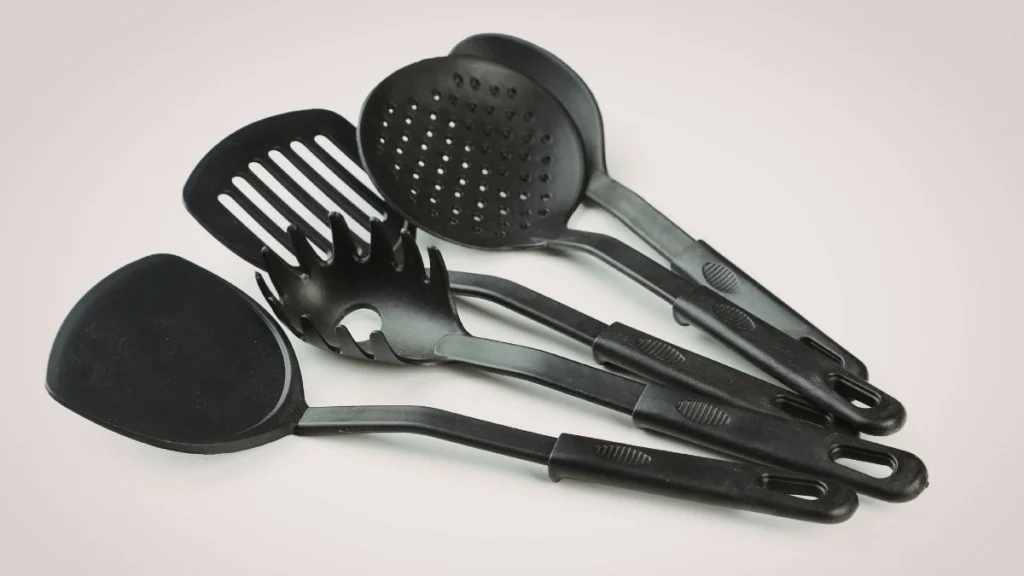
That black spatula you use to scramble your eggs might have started its life as a television casing. Black plastic serving spoons and spatulas are often made from recycled electronic waste. Heating these utensils leaks toxic flame retardants directly into hot food.
A recent Chemosphere study found toxic flame retardants in 85 percent of tested black plastic products. These chemicals build up in your body over time. Replacing them is one of the easiest non toxic kitchen swaps you can make.
The Swap:
- Solid wood utensils
- Bamboo serving spoons
- Food grade silicone spatulas
2. Scratched Non Stick Cookware (The Forever Chemical Trap)
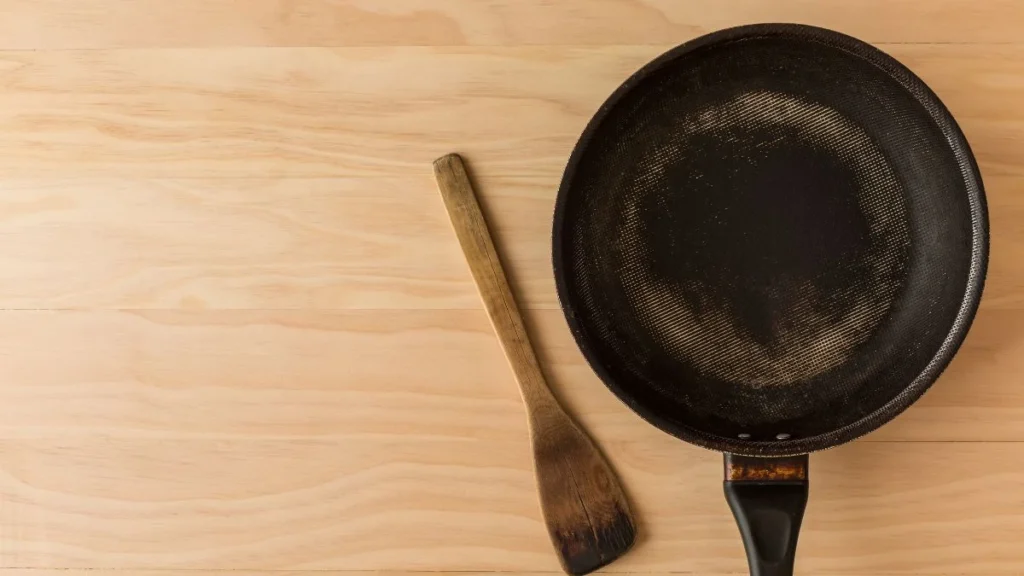
While your spatulas are bad, the pan you cook in could be worse. Teflon and similar slick coatings contain PFAS. These are known as forever chemicals because they never break down in your body or the environment.
Once scratched, these pans release millions of microplastic particles and PFAS chemicals into your eggs and vegetables. Just one surface scratch on a coated pan can leave behind over 9,000 plastic particles in your food.
Dr. Yvonne Burkart, an expert in reproductive toxicity, warns that PFAS are linked to immune system suppression and metabolic issues.
The Swap:
- Cast iron skillets
- Carbon steel pans
- High quality 18/10 stainless steel
3. Plastic Cutting Boards (The Microplastic Generator)
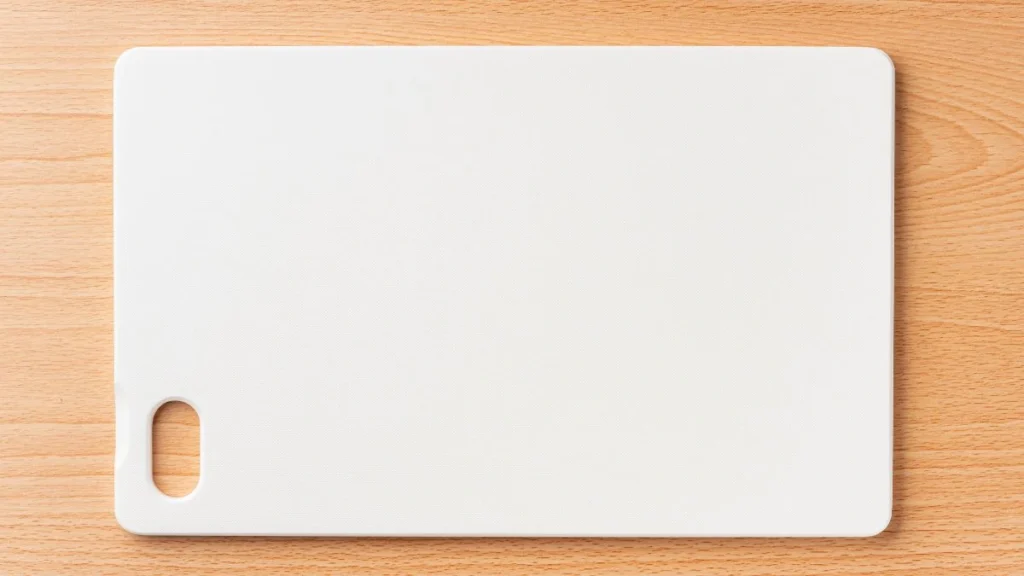
While your pans are a primary concern when heated, the next item contaminates your food before it even reaches the stove. Every knife slice on a plastic board cuts microscopic shards of plastic that attach to your ingredients.
Studies show that chopping on plastic boards can expose humans to tens of millions of microplastics annually. Ingesting microplastics in food can cause severe digestive irritation. Getting rid of these boards is a fast way to remove toxic kitchen items to throw away.
The Swap:
- Solid end grain wood boards like maple or walnut
- Thick tempered glass cutting boards
4. Cloudy or Scratched Tupperware
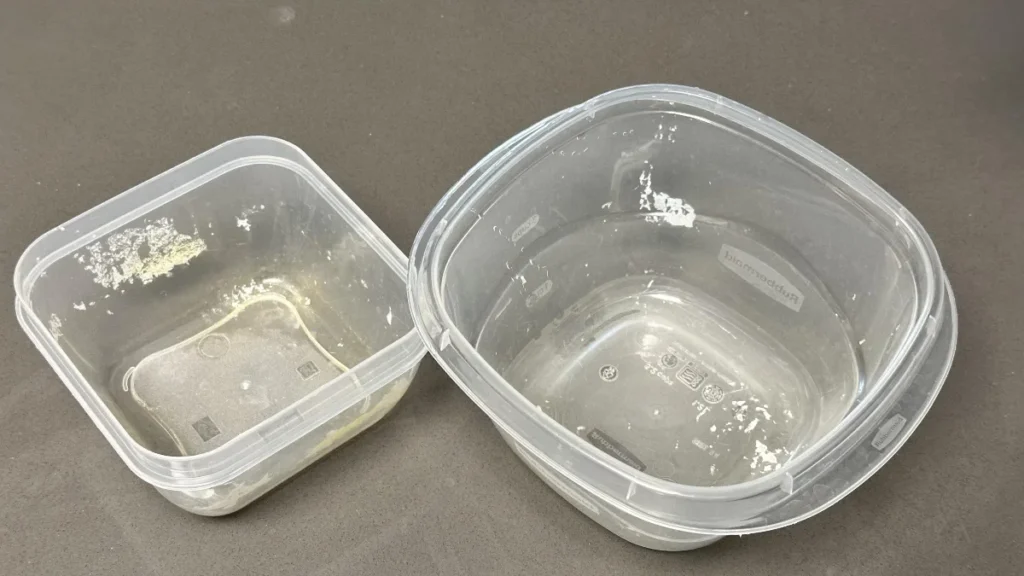
Even plastics labeled free of BPA degrade over time. This happens especially fast when they are washed in hot dishwashers or heated in the microwave. They release replacement chemicals like BPS which act as endocrine disruptors in food.
Endocrine disruptors are chemicals that hijack your body’s hormone system. If your plastic containers look cloudy, they are actively degrading and leaking chemicals. Throw them out today.
The Swap:
- Tempered glass containers with silicone lids
- Stainless steel bento boxes
5. Plastic Tea Bags and Coffee Pods
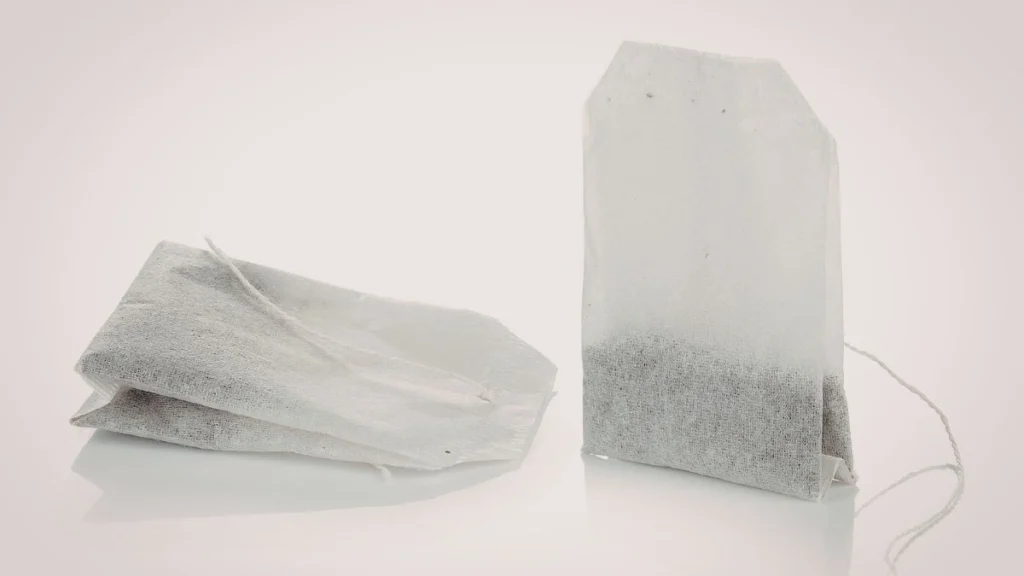
Your morning routine might be giving you a heavy dose of plastic. Pouring boiling water over plastic meshes used in many premium tea bags creates a massive release of toxins. Brewing espresso through plastic pods does the exact same thing.
McGill University researchers found that steeping a single plastic tea bag at brewing temperature releases about 11.6 billion microplastics. These microplastics in hot water are completely avoidable with a few non toxic kitchen swaps.
The Swap:
- Loose leaf tea in a stainless steel strainer
- Glass French press
- Stainless steel percolator
6. Aluminum Foil Used for High Heat Cooking
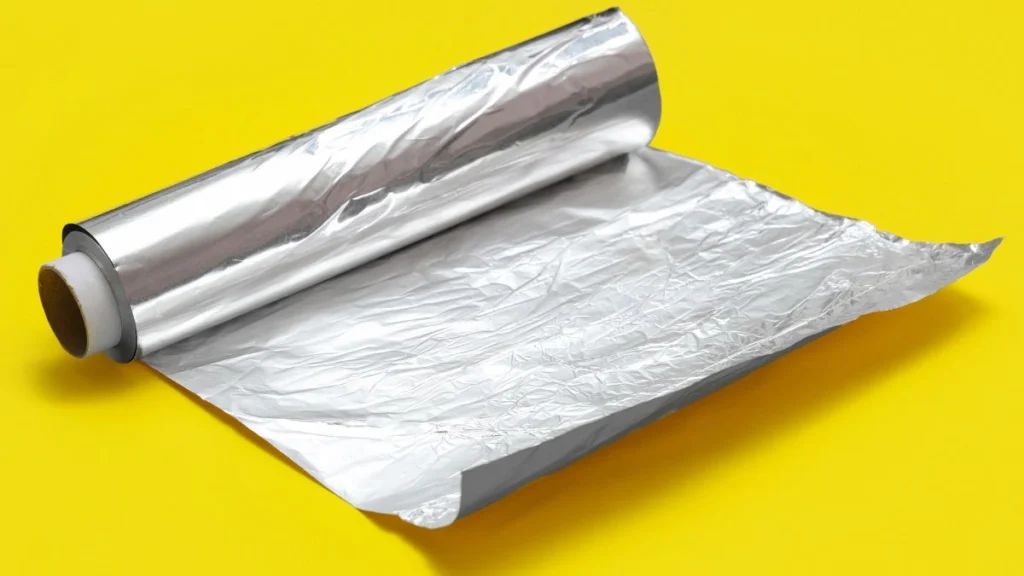
Aluminum foil is handy but it becomes dangerous at high temperatures. Cooking acidic foods like tomatoes or using foil for high heat baking causes aluminum to leach into your dinner. Excess aluminum exposure is linked to neurological concerns and bone diseases over time.
The Environmental Working Group suggests limiting heavy metal exposure wherever possible. Using foil for cold storage is fine, but keep it out of the oven.
The Swap:
- Unbleached parchment paper
- Covered glass baking dishes
- Stainless steel roasting pans
7. Fragranced Synthetic Dish Soaps

You wash your plates to make them clean, but scented dish soaps leave toxic residue behind. Synthetic fragrances often contain phthalates, which are another type of hormone disrupting chemical.
Hot water turns these chemicals into steam that you inhale while washing dishes. You can use consumer safety apps like Yuka or Clearya to scan your dish soap and see exactly what chemicals are hiding inside.
The Swap:
- Unscented castile soap
- Dish blocks made from natural oils
- Fragrance free liquid soaps rated green on the Yuka app
8. Bleached Paper Towels
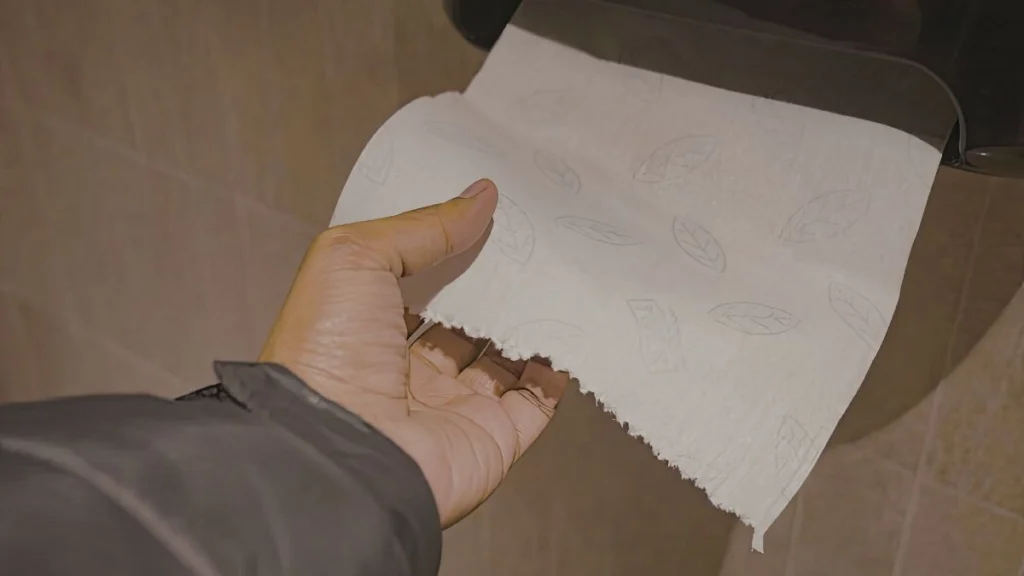
Most standard white paper towels go through a heavy bleaching process. This process can leave behind traces of dioxins, which are highly toxic environmental pollutants.
When you use these wet towels to cover food in the microwave or drain bacon grease, those chemicals transfer to your meal. You are eating the residue.
The Swap:
- Unbleached bamboo paper towels
- Reusable organic cotton cloths
- Swedish dishcloths
9. Scented Garbage Bags
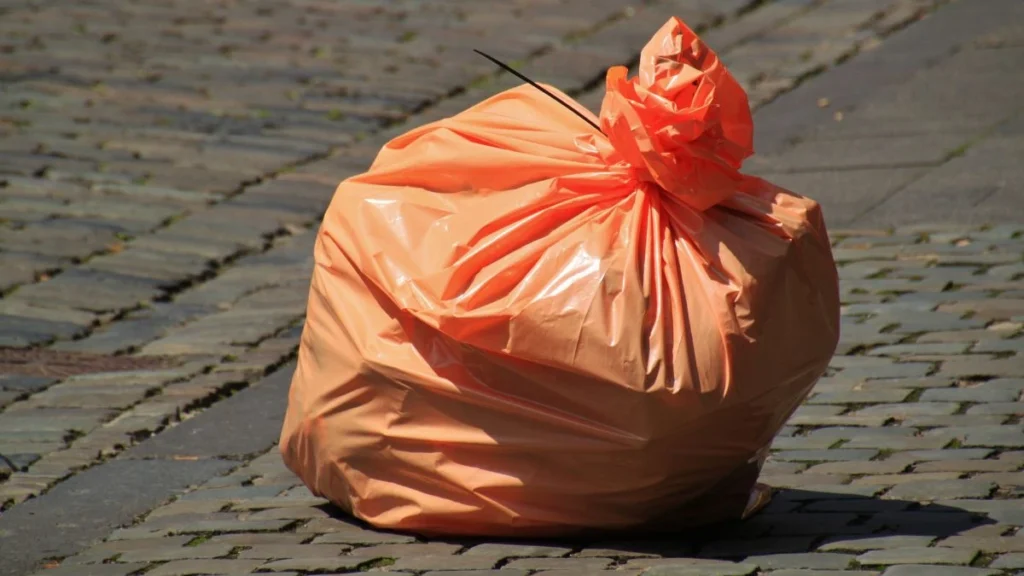
That fresh pine scent coming from your trash can is entirely chemical. Scented garbage bags are coated in synthetic fragrances and harsh deodorizers.
These volatile organic compounds gas off into your kitchen air constantly. You breathe them in every time you cook or eat in that room.
The Swap:
- Unscented recycled plastic bags
- Compostable food scrap bags
- Baking soda sprinkled in the bottom of the can for natural odor control
10. Plastic Electric Kettles
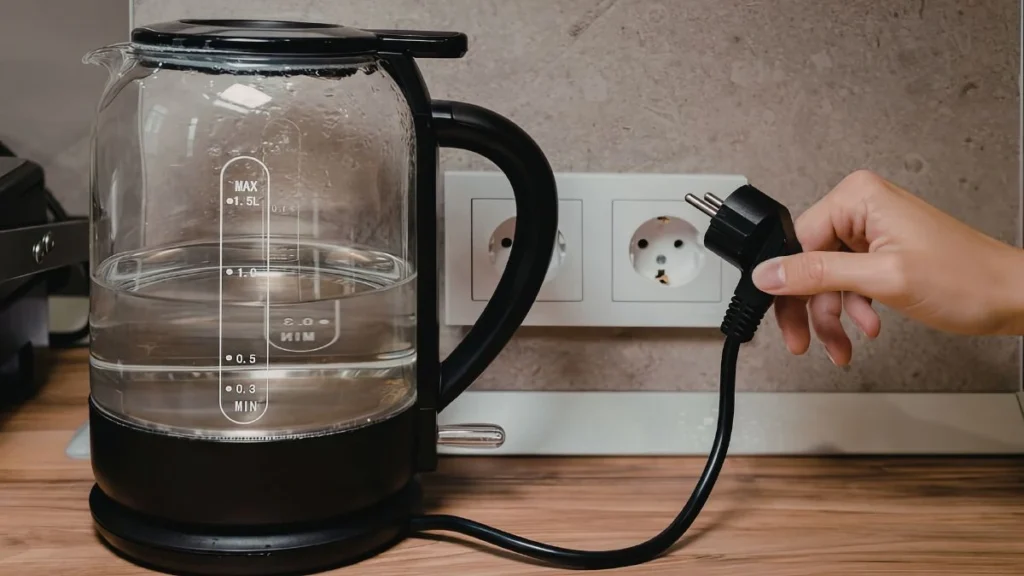
Boiling water in plastic is never a good idea. Heat accelerates the breakdown of plastic polymers. This means a plastic electric kettle releases huge amounts of microplastics and chemical softeners straight into your water.
You use this water for coffee, tea and cooking pasta. This creates a daily, chronic exposure to chemicals that you can easily prevent.
The Swap:
- Solid stainless steel stovetop kettles
- Glass electric kettles with zero plastic touching the water
11. Canned Foods with Chemical Linings
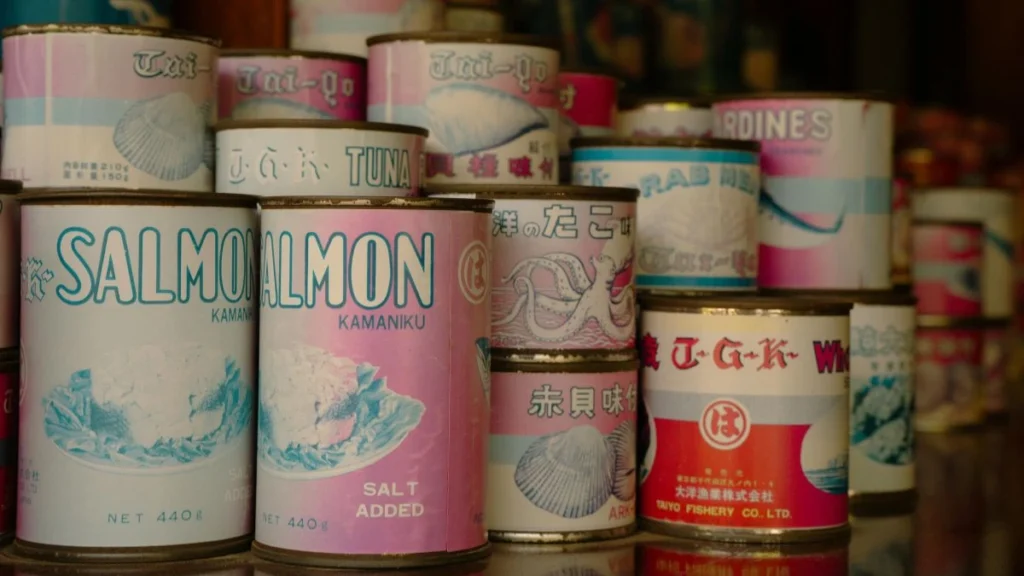
Many canned goods still use epoxy linings that contain BPA or its chemical cousins. Acidic foods like tomatoes or citrus are especially good at pulling these chemicals out of the lining and into the food.
BPA is one of the most well known hormone disruptors. It is linked to obesity, fertility issues and increased blood pressure.
The Swap:
- Tomatoes and beans packed in glass jars
- Fresh produce from the market
- Dried beans cooked from scratch