

After 50, our natural hormone production drops. This makes our bodies highly sensitive to synthetic chemicals called endocrine disrupting chemicals (EDCs). These hidden toxins mimic or block your real hormones.
They drive up stubborn belly fat, brain fog, and thyroid issues. These toxic exposures are major menopause hormone imbalance causes. Endocrine disruptors are like chemical hackers. They steal your real hormones’ parking spots, sending fake emails to your cells.
You do not need a total home demolition to protect your health. We are breaking down the 12 worst offenders in your home. We will start with the one item you need to throw in the trash today.
1. Plastic Food Storage Containers (BPA and BPS)

We all love the convenience of saving leftovers for tomorrow. But plastics leach chemicals called bisphenols into your food. This happens especially fast when you heat them.
They mimic estrogen and confuse your metabolic system. You might see labels saying BPA Free. That often means the company used BPS instead. BPS is just as harmful.
A recent Lancet Diabetes and Endocrinology review links bisphenols directly to adult obesity and metabolic syndrome. The Endocrine Society states these endocrine disrupting chemicals are a global health threat to the aging population.
The Fix: Swap your plastic Tupperware for glass mason jars or stainless steel bento boxes.
2. Scented Laundry Detergents and Fabric Softeners
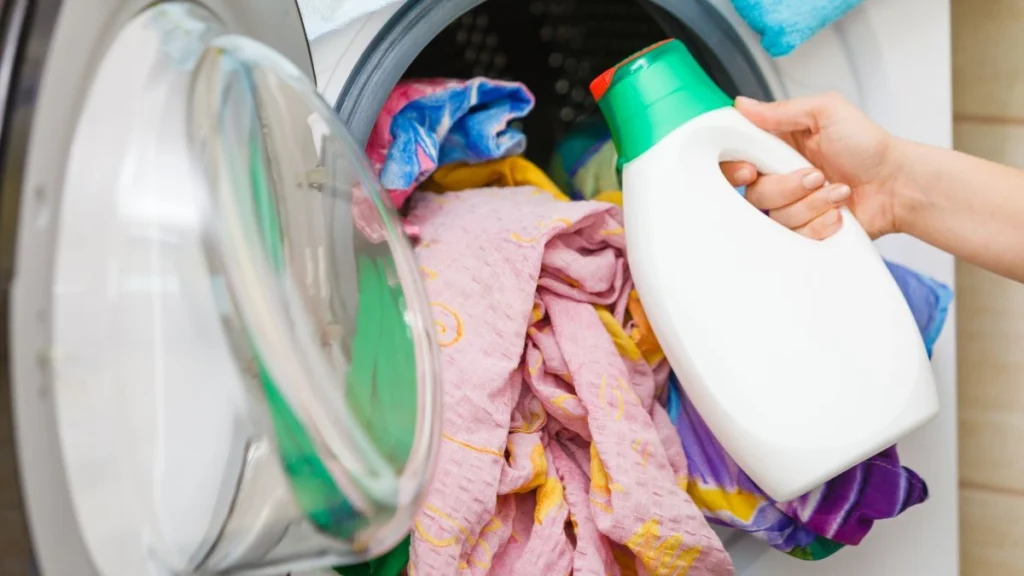
Your clothes smell like a fresh spring meadow straight out of the wash. While your kitchen holds plastic dangers, your laundry room hides the next threat. Chemical residue stays on your clothes and rubs into your skin all day.
Synthetic fragrances mask hundreds of hidden chemicals. U.S. law allows companies to hide these ingredients under the single word fragrance to protect trade secrets. This is known as the fragrance loophole.
Manufacturers heavily use Diethyl phthalate (DEP) to make scents stick to fabrics. This chemical is known to interfere with testosterone production. Creating a toxin free home over 50 starts with clean clothes.
The Fix: Switch to unscented detergents and use wool dryer balls instead of fabric softeners.
3. Plug In Air Fresheners and Synthetic Candles (Throw This Away FIRST!)
We all want our homes to smell inviting for guests. Just like your laundry detergent follows you around, your room scents fill your lungs. This is number three for a reason. These products actively vaporize Phthalates and VOCs directly into the air you breathe.
Phthalates alter thyroid function and reproductive hormones. Throwing them away takes 10 seconds and costs nothing. According to the EPA, indoor air can be two to five times more polluted than outdoor air.
Artificial home fragrances cause a huge part of this problem. These are the absolute worst hormone disruptors in household products.
The Fix: Unplug those air fresheners right now and open your windows for fresh air.
4. Scratched Non Stick Cookware (PFAS)
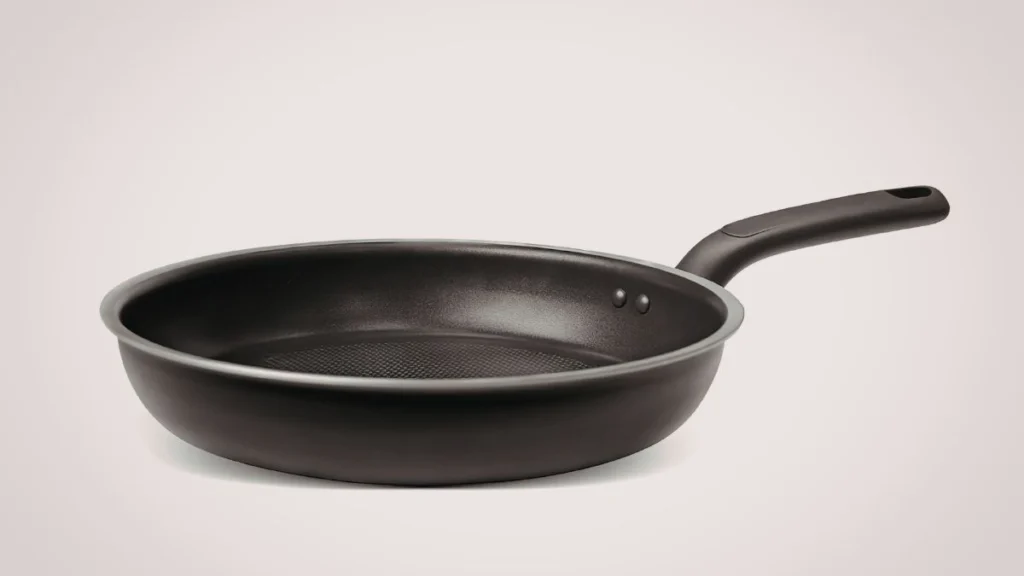
Cooking eggs without scrubbing the pan later feels like a huge win. After cleaning the air, let us look back at the stove. Teflon and similar coatings contain forever chemicals.
These PFAS chemicals build up in your blood over time. They disrupt thyroid hormone regulation. You need a healthy thyroid for proper metabolism after 50.
The Fix: Replace scratched pans with cast iron or safely coated ceramic skillets.
5. Vinyl Shower Curtains (PVC)
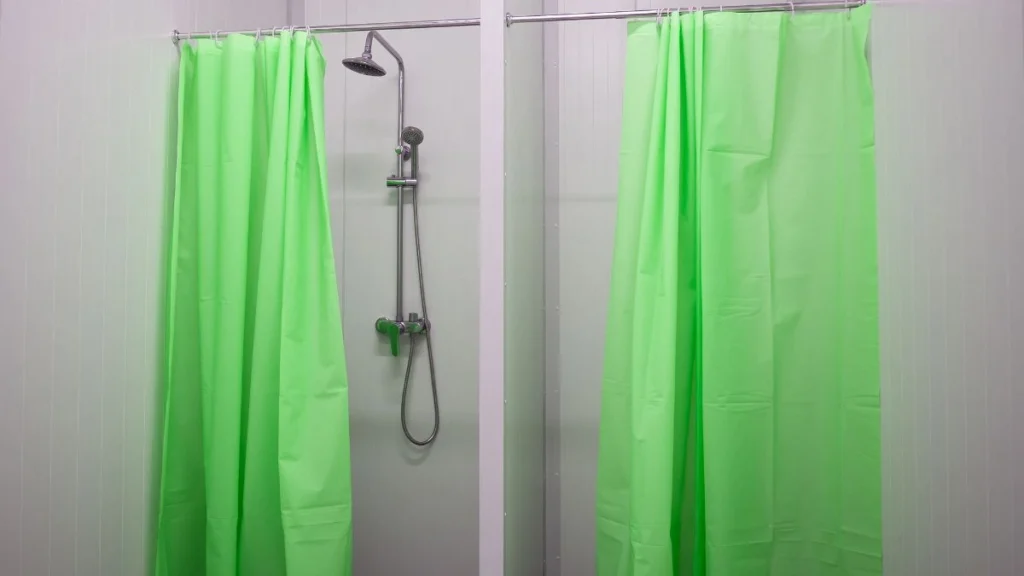
Unfolding a brand new liner makes the bathroom look perfectly clean. Moving from the kitchen to the bathroom reveals another hidden hazard. That new shower curtain smell is actually chemical off gassing.
The curtain releases up to 108 different volatile organic compounds and Phthalates into the air. Heat and steam from your shower make this release even worse.
The Fix: Buy a washable cotton or PEVA liner instead of cheap vinyl.
6. Anti Aging Creams and Lotions (Parabens)
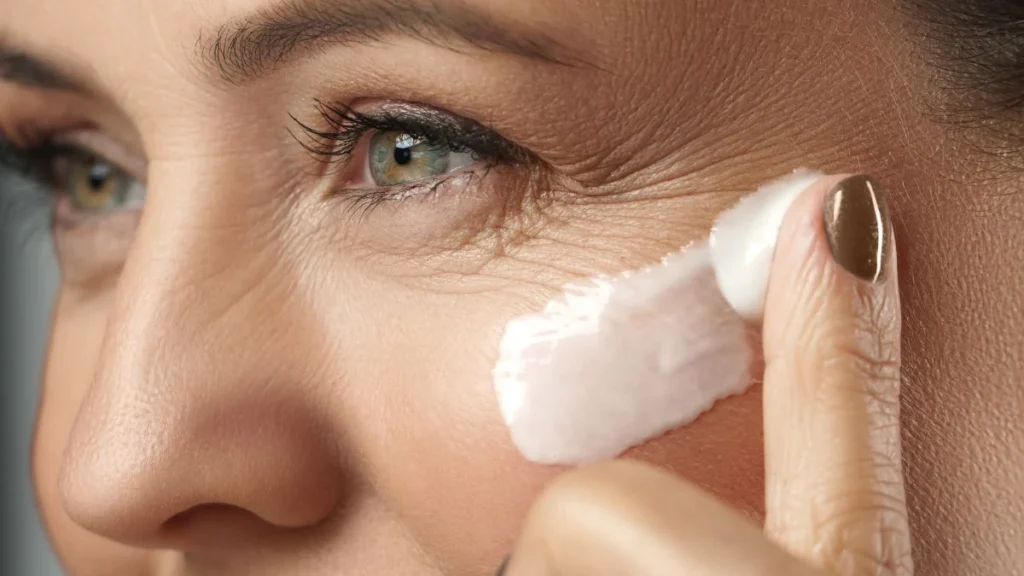
Smoothing on a rich moisturizer is a relaxing nightly ritual. While your shower curtain off gasses, your bathroom cabinet holds chemicals you apply directly.
What goes on your skin enters your bloodstream. Companies use Parabens as preservatives.
These chemicals act as xenoestrogens. Xenoestrogens are foreign, fake estrogens that mimic your real hormones. This makes estrogen dominance much worse during perimenopause.
“Environmental chemicals are subtly altering our bodies and hormones.” Dr. Shanna Swan, leading reproductive epidemiologist and author of Count Down.
Look out for these ingredients on labels:
- methylparaben
- propylparaben
- butylparaben
The Fix: Check your products using the EWG Skin Deep Database to find safe cosmetics.
7. Antibacterial Soaps (Triclosan)
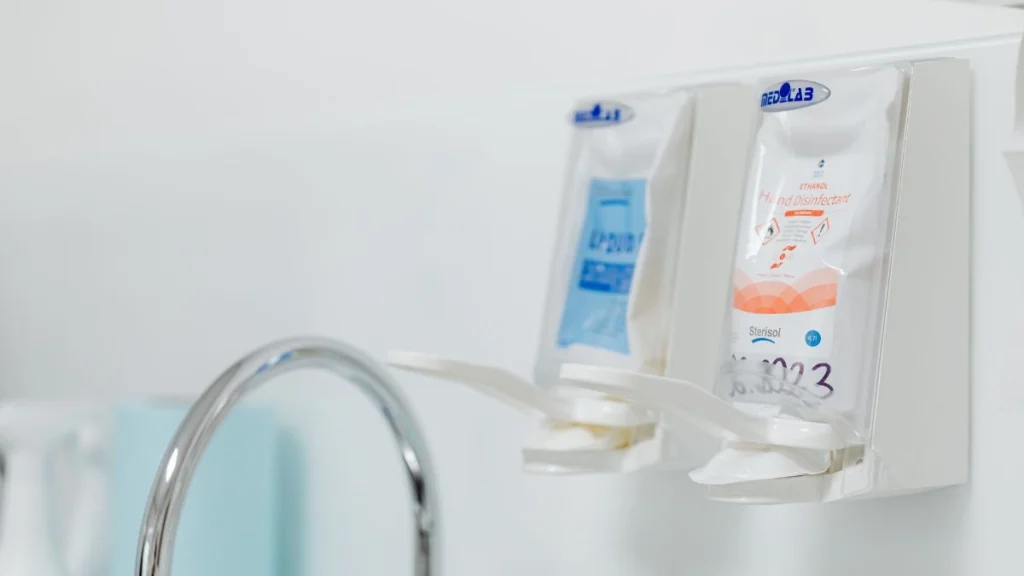
Killing germs seems like the best way to stay healthy. Right next to your daily lotion sits your hand soap. Officials banned Triclosan in some items. But it still lurks in many liquid body washes and cleaning supplies.
This chemical severely disrupts thyroid function. It also contributes to antibiotic resistance.
The Fix: Wash your hands with plain soap and warm water for 20 seconds.
8. Chemical Weed Killers (Glyphosate and Atrazine)
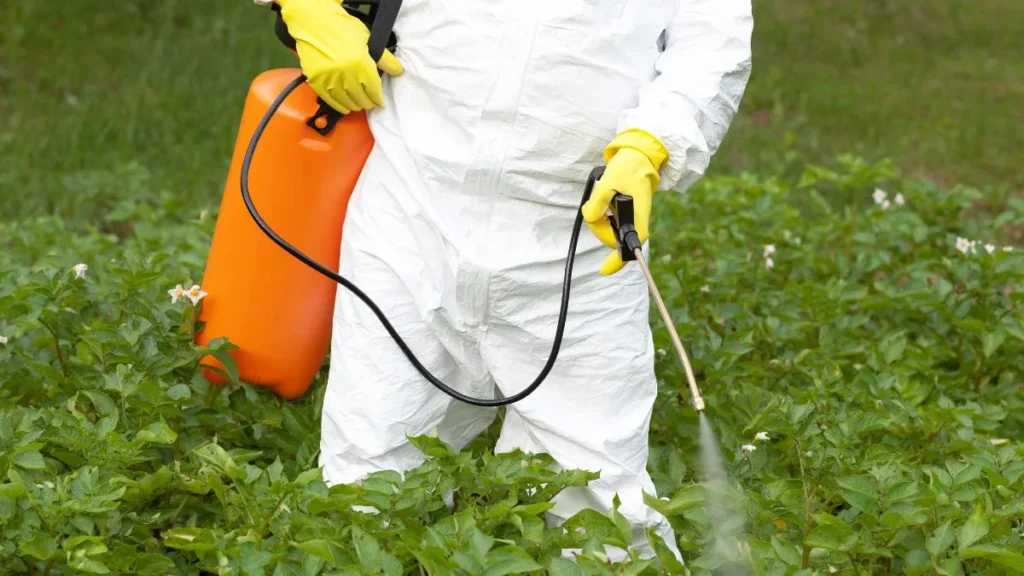
A perfectly green lawn without weeds looks beautiful. Let us step out of the bathroom and into the garden. People use chemical weed killers heavily in home gardening.
Atrazine is a well documented endocrine disruptor. It triggers excess estrogen production in the body. This extra estrogen confuses your aging endocrine system.
The Fix: Pull weeds by hand or use a simple vinegar and salt spray.
9. Canned Soups and Tomatoes (Epoxy Resin Linings)
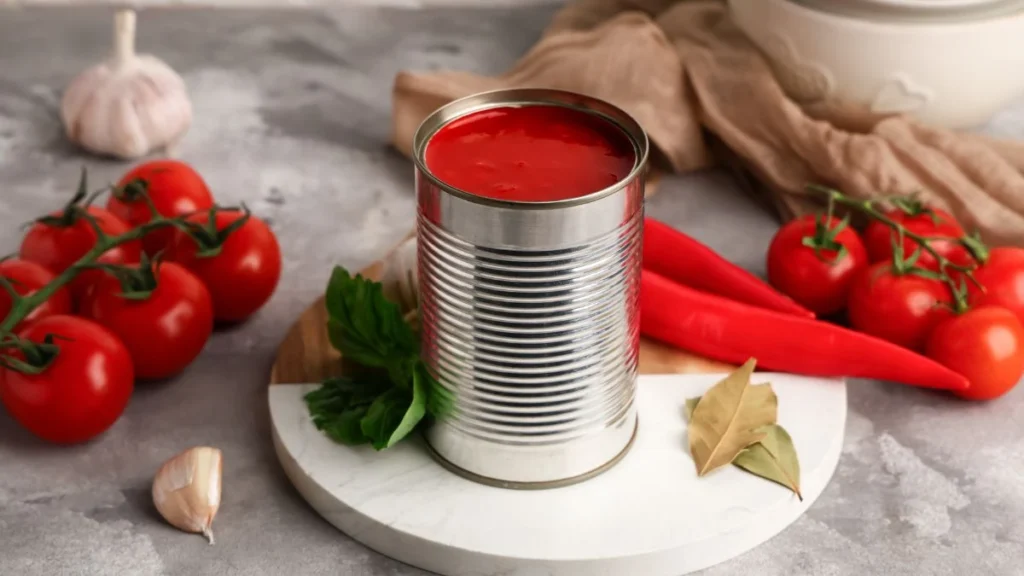
Grabbing a can of soup makes for a quick and easy lunch. Returning from the garden, we find more trouble hiding in the pantry. Cans have epoxy resin linings.
Acidic foods like tomatoes pull BPA directly out of the can lining. The chemical goes straight into your meal. CDC data shows over 90 percent of Americans have detectable levels of BPA in their urine.
The Fix: Buy tomatoes and soups in glass jars or cardboard cartons.
10. Old Couch Cushions and Mattresses (Flame Retardants / PBDEs)

Sinking into a soft couch at the end of the day is pure comfort. While the kitchen feeds you chemicals, your living room gathers toxic dust. Older foam furniture breaks down over time.
It turns into dust coated in polybrominated diphenyl ethers (PBDEs). These flame retardants act as severe thyroid hormone disruptors. You breathe in this dust every single day.
The Fix: Vacuum with a HEPA filter weekly to trap toxic dust.
11. Thermal Paper Receipts (Unbound BPA)

Keeping a receipt feels responsible for tracking your grocery budget. You leave your couch to run errands and face another sneaky chemical. The shiny coating on grocery receipts is pure, unbound BPA.
It absorbs through your skin in just seconds. Hand sanitizer makes your skin absorb it even faster.
“Endocrine disruptors contribute to metabolic issues and weight gain.” — Dr. Leonardo Trasande, Director of NYU Langone Center for the Investigation of Environmental Hazards.
The Fix: Ask cashiers to email your receipt or decline it entirely.
12. Chemical Multi Surface Cleaners (APEs)
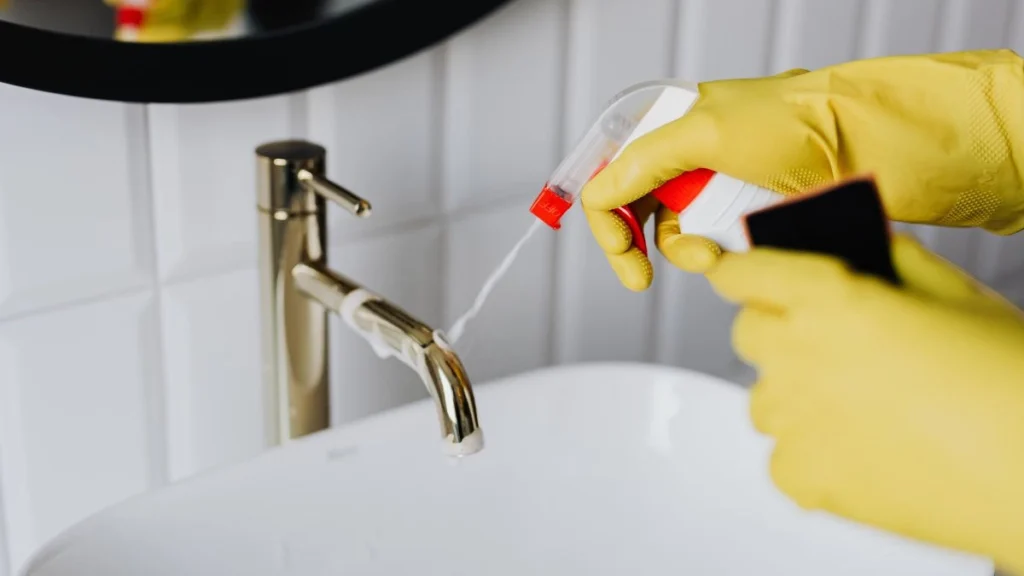
Spraying down your counters leaves the whole house looking spotless. Finally, the very products you use to clean your home leave toxins behind. Alkylphenol ethoxylates (APEs) are industrial surfactants.
They leave estrogenic residues on kitchen counters and bathroom sinks. Every time you touch the counter, you pick up these chemicals.
The Fix: Look for the EPA Safer Choice label when buying household cleaners.