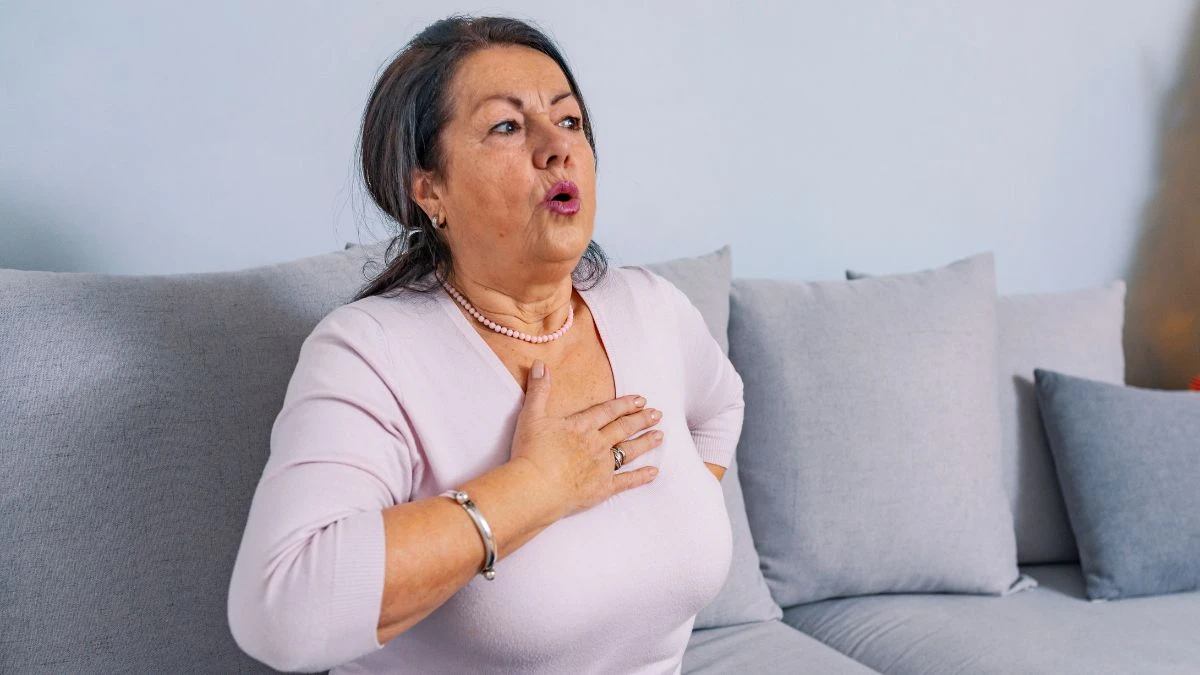
Most of us expect a heart attack to strike out of the blue like a lightning bolt. But research shows your body actually starts dropping hints up to a month in advance.
Between 41% and 59% of patients experience prodromal (early warning) symptoms days or weeks before a cardiac event.
People frequently dismiss cardiovascular red flags like indigestion or fatigue as just getting older or being stressed. You might think you just need more sleep. This mistake makes you miss a critical window to save your own life.
You will learn how to identify these early warning signs of a heart attack. We will cover the crucial differences between how men and women experience them.
1. Unusual, Crushing Fatigue That Doesn’t Make Sense
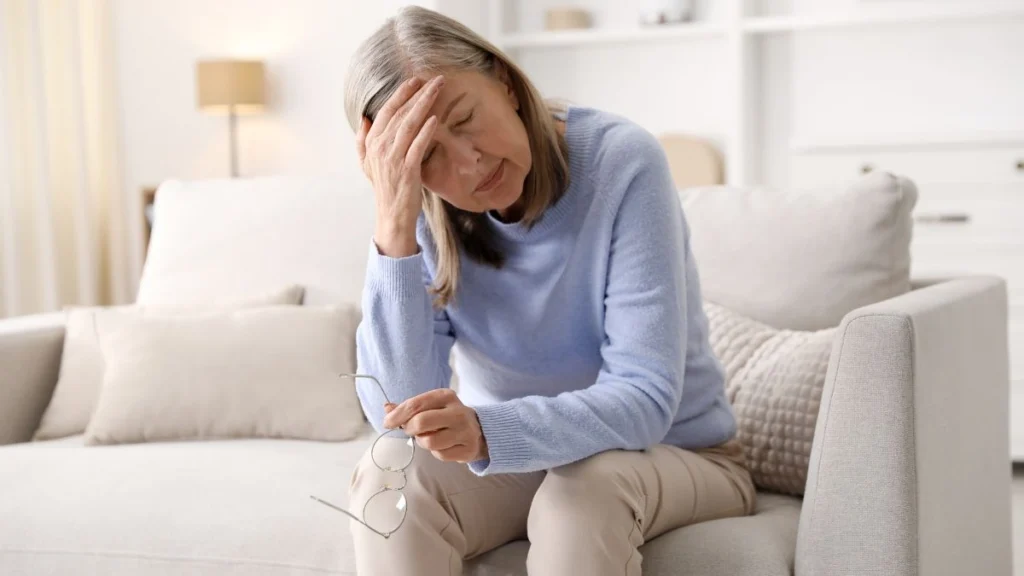
You might brush it off as a busy week. But heart fatigue feels entirely different from normal tiredness. Think of your heart like a car engine. When a fuel line is partially clogged, the engine sputters long before it totally stalls out.
This extreme exhaustion hits suddenly. You might struggle to make the bed. You might feel totally wiped out after taking a quick shower.
Dr. Martin from Geisinger Health explains this perfectly. He notes that some patients have extreme fatigue or unexplained weakness for days or weeks before a heart attack. This is one of the most common heart attack symptoms 30 days before the actual event.
Women often report this symptom more than men. If a good night of sleep does not fix your fatigue, it is time to call your doctor.
2. Sleep Disturbances and Sudden Insomnia

While fatigue leaves you feeling drained during the day, your nights might also become restless. You might start waking up frequently. Some people feel unexplainable anxiety or have racing thoughts that interrupt their sleep.
This is one of the more subtle ways your heart warns you. It affects women at much higher rates than men. A 2023 review showed that over 50% of female heart attack patients report sleep problems within four weeks of an event. Only 32% of men report the same issue.
Your body knows something is wrong. The reduced blood flow creates stress signals that wake you up. If you suddenly cannot sleep and have no history of insomnia, pay close attention to your physical state.
3. Unexplained Shortness of Breath

Have you found yourself gasping for air after walking up a single flight of stairs? You might feel completely winded while resting or doing very light activity.
Many people misdiagnose this as anxiety or asthma. Some just assume they are out of shape. But your lungs rely on your heart to pump enough blood. When the heart struggles, your lungs struggle too.
The American Heart Association (AHA) guidelines are very clear about this. Shortness of breath can occur with or without chest discomfort. It serves as a primary early warning sign.
Catching this symptom early is a key step in preventing a heart attack. If you feel breathless while doing simple tasks, get it checked out right away.
4. The Indigestion That Won’t Go Away

You might think you just ate something bad. But heartburn, nausea, and upper abdominal pain are major red flags.
These symptoms are especially dangerous for women because they mimic a basic stomach bug. This makes them easy to ignore. Digestive complaints are a leading cause of delayed emergency room visits. People assume they just have acid reflux.
But regular stomach medicine will not fix heart trouble. If an antacid does not clear up your heartburn after a few days, it is time to call a doctor. These digestive issues are actually common early warning signs of a heart attack.
Women often experience nausea and vomiting instead of the classic chest pressure. This difference is a highly shared and saved piece of medical advice.
5. Vague Chest Heaviness (Not Always Pain)

Most movies show heart attacks as a sharp and stabbing pain. We need to dispel that myth.
Early chest discomfort often feels like pressure or squeezing. Many patients describe it as feeling like an elephant is sitting on their chest. You might also feel a dull ache that comes and goes.
Recent clinical studies from 2023 show that chest heaviness and pain account for roughly 68% of early symptoms. The discomfort might stay in the center of your chest or spread outward.
These subtle heart attack signs are easy to excuse as muscle strain. But if the heavy feeling returns multiple times, your heart is asking for help.
When to Call Your Doctor vs Dialing 911
You need a clear plan so you know exactly what to do to prevent a heart attack.
Conclusion
Noticing these physical changes is not a reason to panic. It is actually a golden opportunity to intervene and protect your health.
Your body is giving you a heads up. Use this extra time wisely. Schedule a routine checkup with your healthcare provider this week. Ask them to assess your baseline risk factors like blood pressure and cholesterol.