

If you’re part of Generation X (born 1965-1980), new research has an alarming message. As this group starts turning 60, the National Cancer Institute projects they may face more cancer than Baby Boomers did at the same age.
This makes prevention a serious priority for every adult over 50. You want to protect your health, but the advice is overwhelming. It’s all about expensive, exotic “superfoods.” This article skips the hype. It gives you a practical, real plan.
First, a key point: no single food can prevent cancer. The real power comes from your daily pattern of eating. This guide focuses on 15 common, affordable foods that build that protective pattern.
You will also learn the simple preparation methods dietitians use. These methods help your body get the most protective compounds from these exact foods.
1. Broccoli (and all Cruciferous Veg)
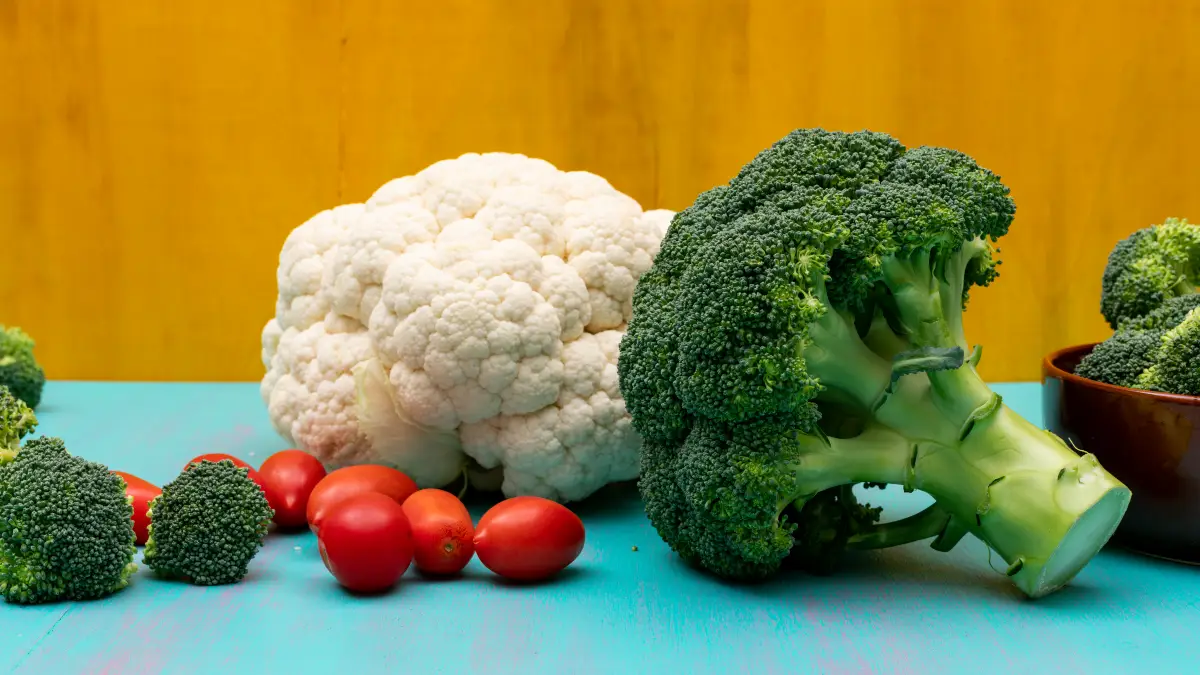
Broccoli’s protective power comes from a compound called sulforaphane. This compound has been in hundreds of studies. It helps protect cell DNA from damage. It also helps your body clear out carcinogens and gives strong anti-inflammatory effects.
A 2024 review of 35 studies found a clear link between eating broccoli and having a lower cancer risk. This suggests it has a strong protective biological effect.
How to Prepare It: This is one of the most important tips. Sulforaphane is not just sitting in the broccoli. It only forms when an enzyme is released.
This happens when you chop or chew the plant. This enzyme is immediately destroyed by heat. Boiling or microwaving broccoli for even one minute can destroy the enzyme. This stops sulforaphane from ever forming.
To get the most sulforaphane, follow these methods:
- Best Method: Lightly steam broccoli for no more than three to five minutes.
- The “Chop and Wait” Method: If you want to roast or boil it, first chop the broccoli. Then, let it sit for 40 minutes before you cook it. This “wait” time lets the enzyme do its job and create the sulforaphane. The sulforaphane itself is stable in heat.
2. Garlic
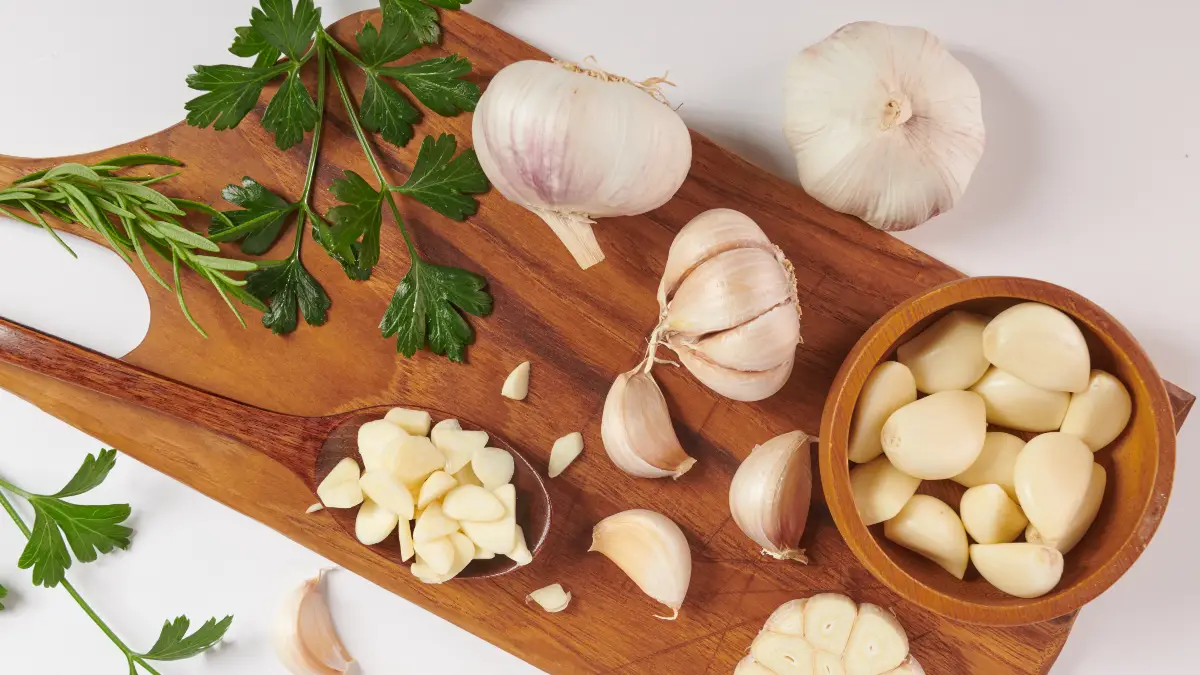
Garlic’s active compound is allicin. This is a strong sulfur molecule released when you crush garlic. In lab studies, allicin is shown to stop cancer cells from growing. It also helps cause apoptosis (a process where bad cells die).
While big studies on people eating garlic have been mixed, lab studies consistently show allicin’s anti-tumor effects. High intake of the whole garlic family (including onions and leeks) is linked to lower risks of digestive cancers, like colorectal cancer.
Just like broccoli, allicin isn’t in the whole clove. It only forms when an enzyme is released by crushing or chopping. This enzyme is also sensitive to heat.
Follow the “10-Minute Rule.” Always crush or chop fresh garlic and let it sit for 10 minutes before you put it in a hot pan. This lets the allicin form. For the best benefit, add the garlic near the end of the cooking process, not the beginning.
3. Tomatoes (Cooked)
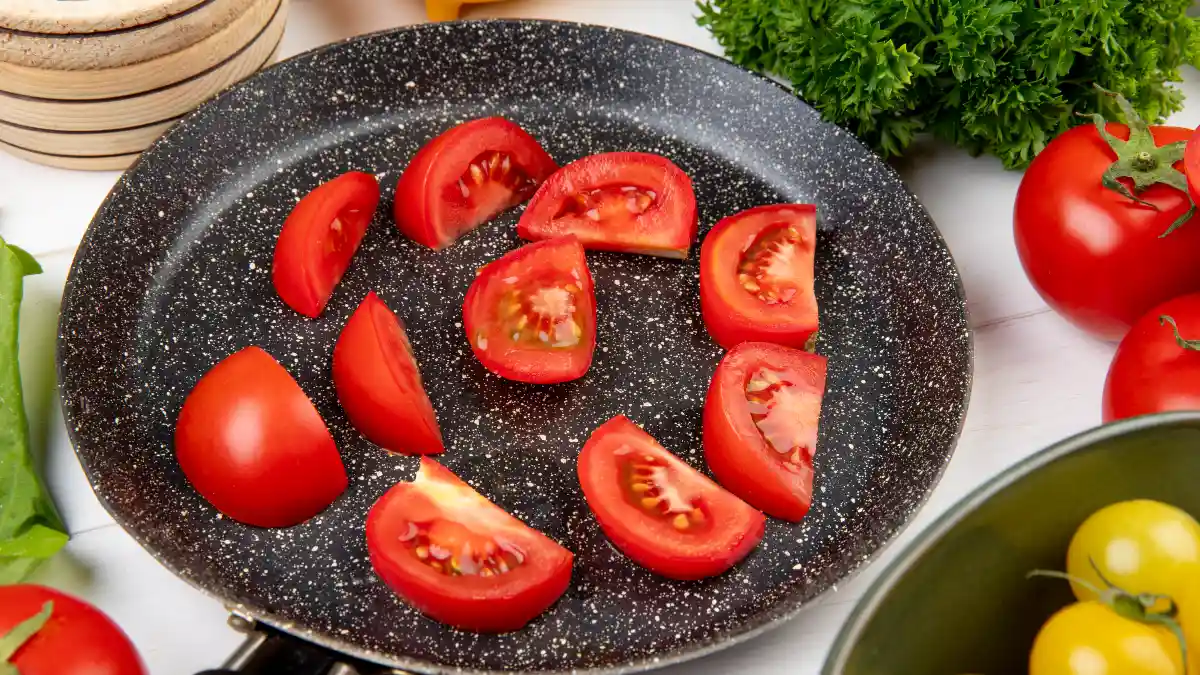
Tomatoes are the single richest and most common food source of lycopene. This is a powerful antioxidant.
The evidence, especially for prostate cancer, is strong. High intake of tomato products (like tomato sauce) has been linked to a 30-40% reduction in prostate cancer risk in some big studies. A 2024 review found that high lycopene in the blood was linked to a 17% lower risk of prostate cancer.
How to Prepare It: The body cannot easily absorb lycopene from raw tomatoes. To get this benefit, tomatoes must be cooked.
Heat breaks down the tomato’s tough cell walls. This makes the lycopene available for your body. One study found that cooking tomatoes can greatly increase the measurable lycopene.
For an added benefit, cook the tomatoes with a healthy fat. Lycopene is fat-soluble. Studies show that adding olive oil during cooking can “greatly increase” how much you absorb.
4. Walnuts
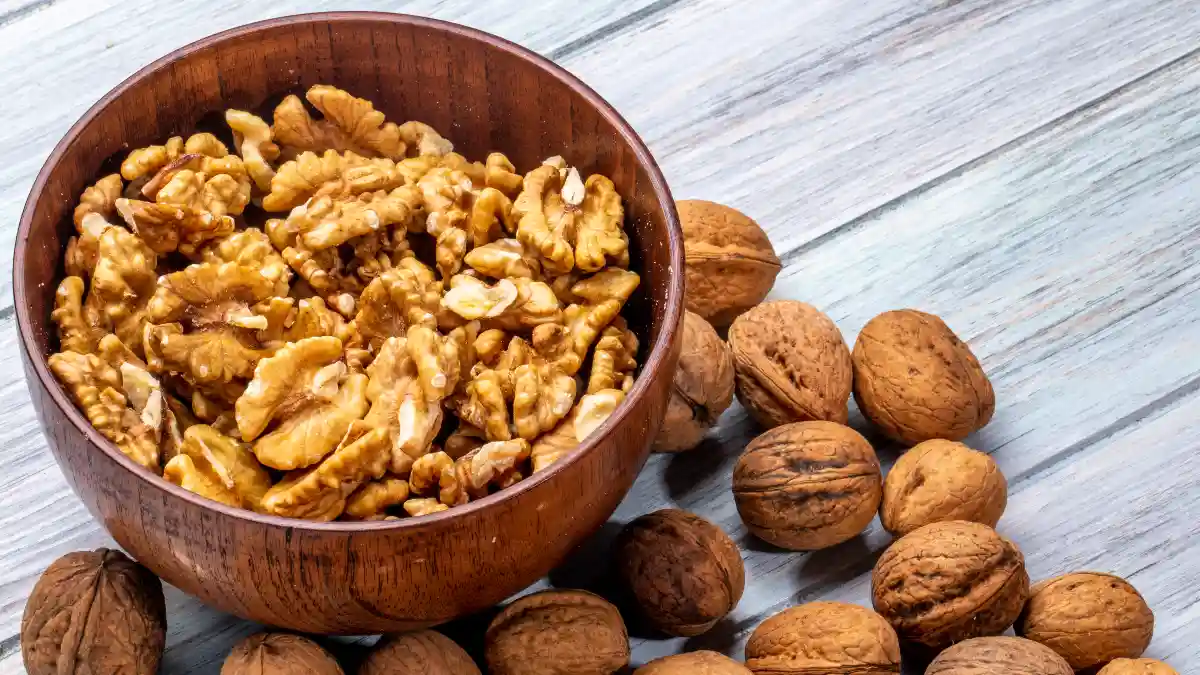
Walnuts are special. They are very rich in alpha-linolenic acid (ALA), a plant-based omega-3 fatty acid. This, plus a mix of other compounds, gives them strong anti-inflammatory properties that can help slow cancer cell growth.
A 2024 study noted that patients eating the largest amount of peanuts, walnuts, or almonds cut their breast cancer risk by 2- to 3-fold. In another study, prostate cancer survivors who ate nuts five or more times a week had a much lower risk of dying.
How to Eat It: A single serving is just one ounce. This is about a small handful or 1/4 cup. The AICR notes that eating just 20 grams a day (a “small handful”) was linked to a 15% lower overall cancer risk in one analysis. Add a 1/4 cup serving to oatmeal, salads, or yogurt.
5. Ground Flaxseed
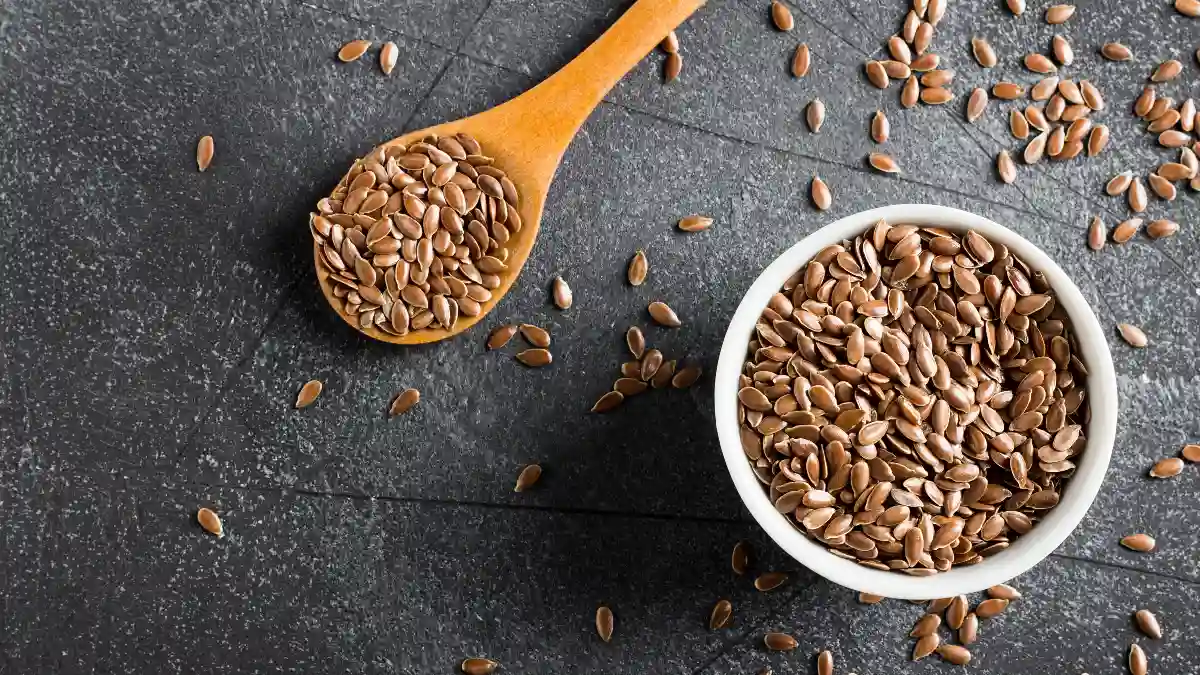
Flaxseed is the richest food source of lignans. These are compounds that your healthy gut bacteria turn into enterolactone. This compound is studied for its potential to lower the risk of hormone-sensitive cancers, like postmenopausal breast cancer.
A 2024 review showed that high lignan intake was linked to a 15% risk reduction for breast cancer in postmenopausal women. Even better, a clinical trial gave newly diagnosed breast cancer patients a muffin with 25 grams of flaxseed. After just 32 days, the flaxseed group showed a 34% reduction in tumor cell growth.
Your body cannot digest whole flaxseeds. The good stuff is locked inside the hard outer shell and just passes through you.
Therefore, flaxseed must be ground (it is sold as flax meal). Add 1-2 tablespoons to smoothies, oatmeal, or yogurt. Note: Flaxseed oil has healthy omega-3s but does not have the lignans.
6. Blueberries (and all Berries)
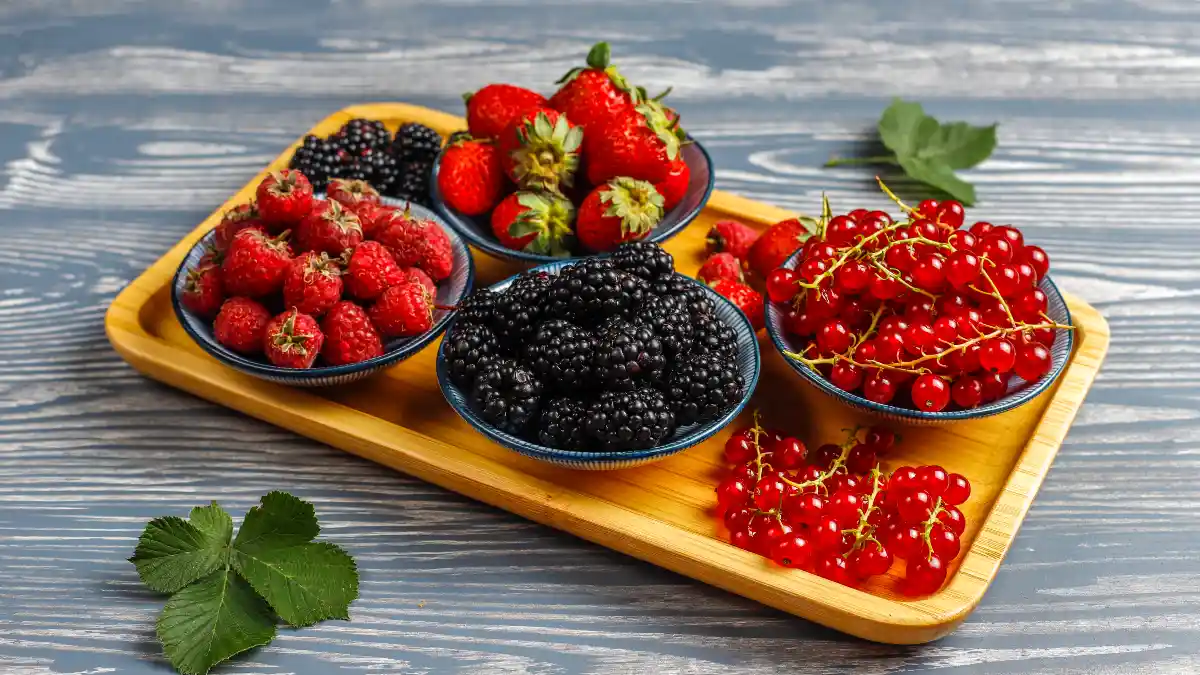
Berries are full of strong antioxidants. The main ones are anthocyanins (which give them their deep blue and red colors) and ellagic acid. These compounds “scavenge” free radicals. This helps protect your cell DNA from damage that can start cancer.
A 2024 study on blueberry anthocyanins noted their strong antioxidant power. Eating at least two servings of berries per week is linked to a lower risk of chronic diseases.
This is one of the easiest foods on the list. Both fresh and frozen berries are excellent. Freezing locks in their full nutritional value. The AICR says a portion is 1/2 cup. A common meal from oncology dietitians is 1/2 cup of berries on top of plain Greek yogurt.
7. Beans & Lentils (Legumes)
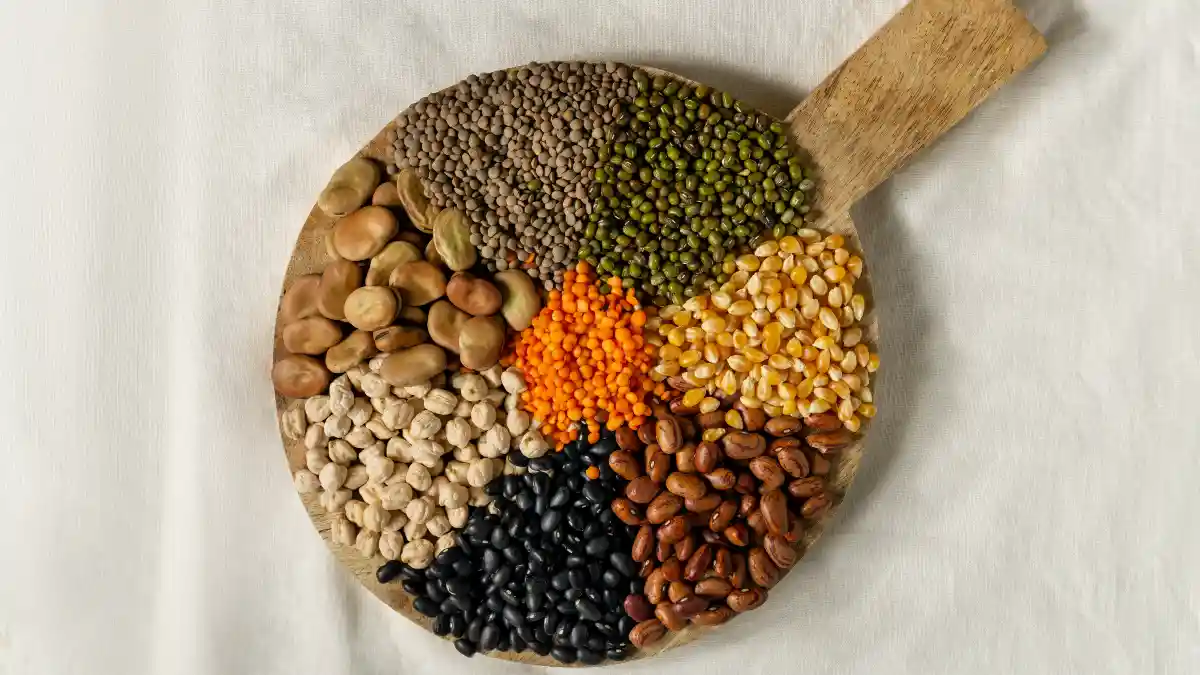
Legumes are a key part of a cancer-prevention diet. They are a cheap, plant-based protein source and one of the best sources of dietary fiber. This fiber is vital for gut health and is strongly linked to preventing colorectal cancer. It also helps you manage your weight by making you feel full.
Both the American Cancer Society (ACS) and AICR strongly recommend legumes as a key food group. A major BMJ review showed a 7% reduction in colorectal cancer risk for every 10-gram increase in daily dietary fiber. The AICR suggests aiming for 30 grams of fiber per day.
A single 1/2 cup serving of beans or lentils can give you a big part of that 30-gram goal. Canned beans are a perfectly healthy and easy option. Just rinse them to remove extra sodium. Add 1/2 cup to salads, mix into soups, or serve with brown rice.
8. Green Tea
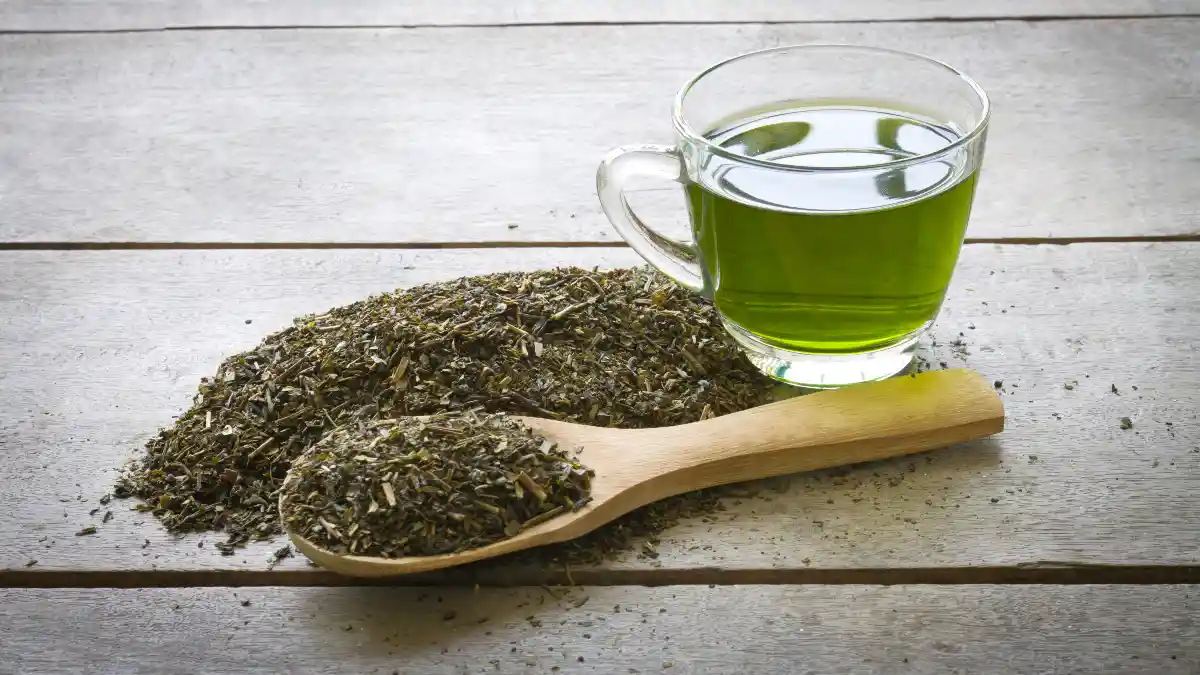
Green tea’s benefits come from a group of polyphenols called catechins, especially EGCG (epigallocatechin-3-gallate). In many lab studies, EGCG has been shown to affect critical cancer-signaling pathways, stop cell growth, and cause bad cells to die.
A 10-year study in Japan found that cancer start was delayed by an average of 7.3 years in women who drank 10 or more cups of green tea per day. In a clinical trial for colorectal adenomas (a growth that can become cancer), green tea extract cut recurrence by 51.6% compared to the group that didn’t take it.
While 10 cups is a lot, many health groups suggest a helpful amount is possible. Aim for 3 to 5 cups of brewed green tea per day.
9. Oats
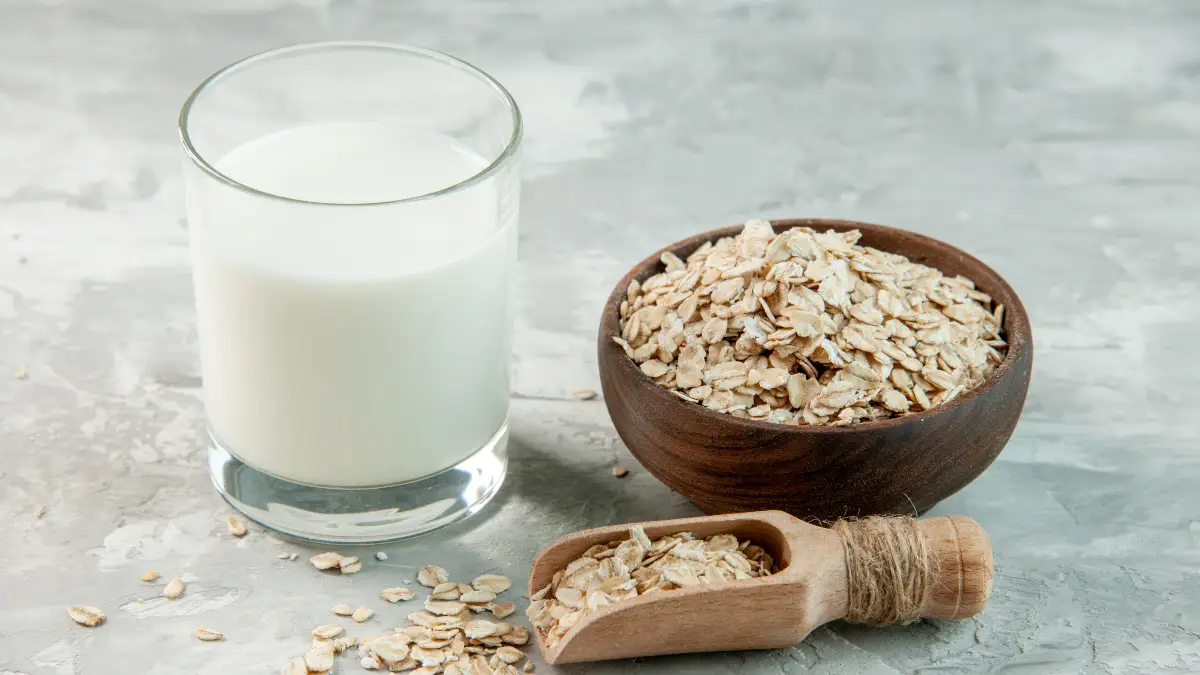
This “boring” breakfast is a powerful whole grain. Its unique strength comes from a soluble fiber called beta-glucan. This fiber is famous for heart health, but it’s also been studied for its ability to activate immune cells and its potential anti-tumor activity.
While more big studies in people are needed, current studies “suggest a weak protective effect of a high intake of oats on cancer risk”. Its most proven benefit is its high fiber content, which is key for colorectal health.
You can copy a breakfast idea straight from an oncology dietitian. Prepare overnight oats. One dietitian’s recipe includes rolled oats, soy milk, protein powder, chia seeds, and ground flaxseed.
10. Leafy Greens (Spinach & Kale)
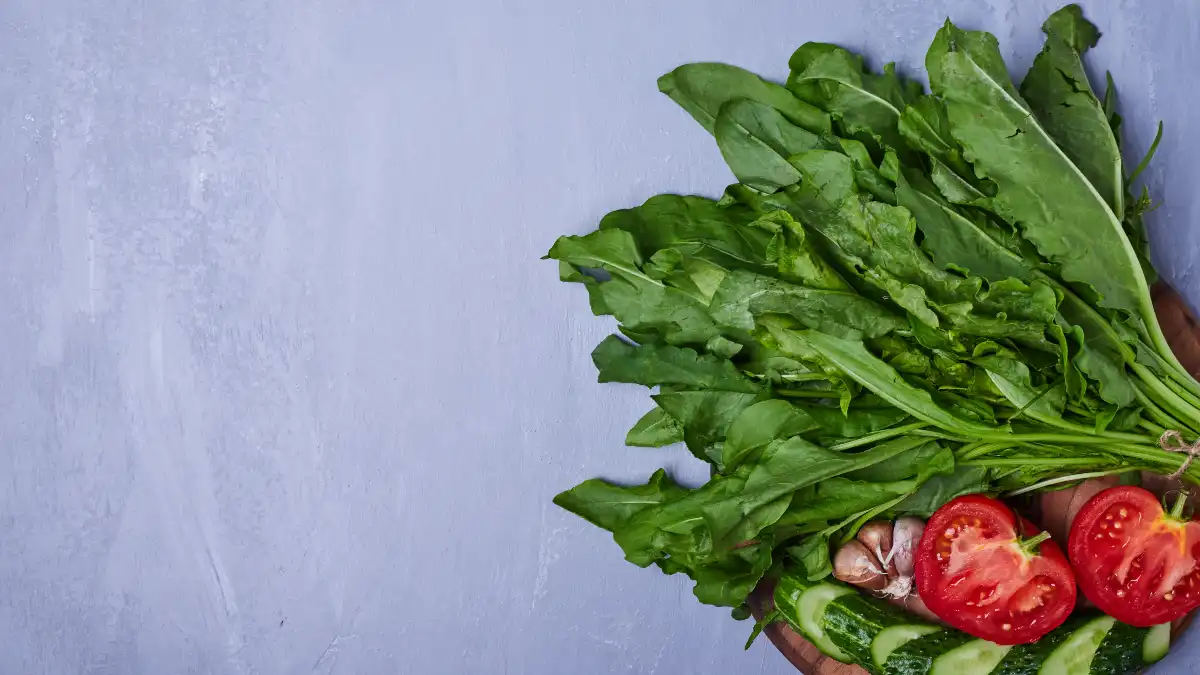
Dark leafy greens like spinach and kale are full of carotenoids, mainly lutein and zeaxanthin. These compounds act as antioxidants. Studies suggest they help control how cells talk to each other, which can stop abnormal cell growth. They are also a great source of folate.
High consumption of lutein has been linked in some studies with lower risks for kidney, bladder, and breast cancers.
How to Prepare It: Lutein is a fat-soluble carotenoid. To absorb these compounds, you must eat the greens with fat. Eating a “dry” salad wastes this potential. A dietitian-approved salad includes a dressing made with olive oil. For kale, rubbing the leaves with olive oil not only adds the fat but also breaks down the tough fibers. This makes it taste better.
11. Extra Virgin Olive Oil (EVOO)
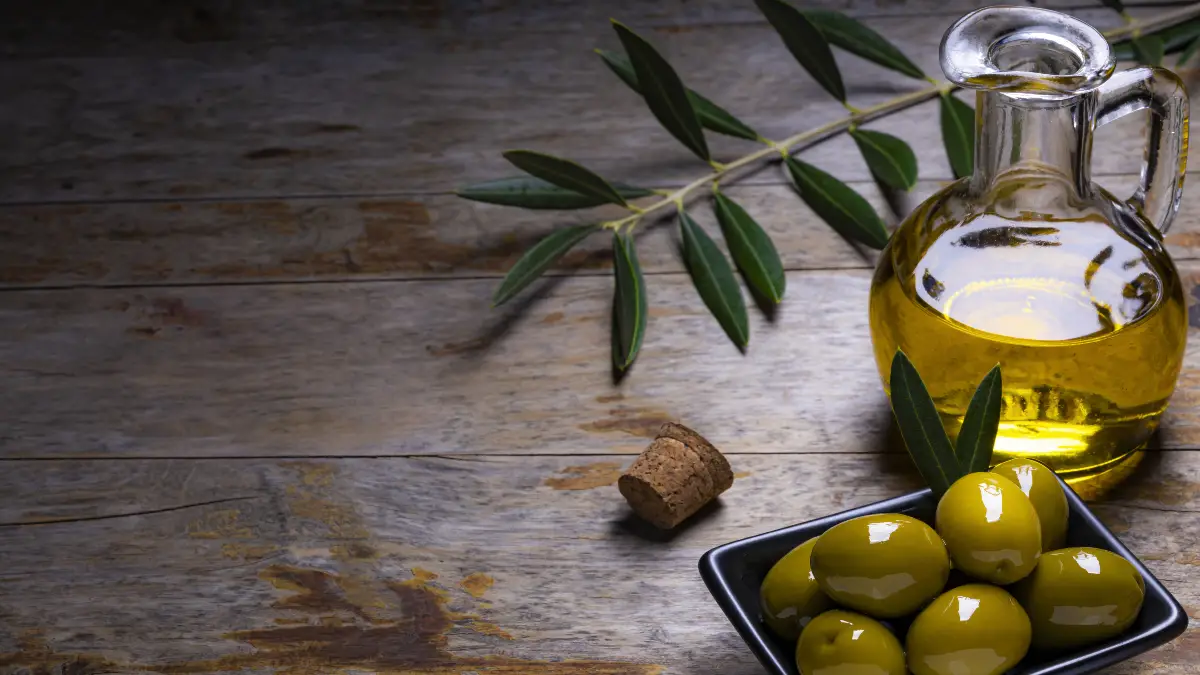
The “Extra Virgin” part is key. Unlike refined “light” olive oil, EVOO is unrefined. It keeps its powerful polyphenols, especially oleocanthal. This specific compound has been shown in lab studies to be very strong.
It ruptures a part of the cancer cell, causing it to die in as little as 30 minutes. It leaves healthy cells completely unharmed.
The data from large groups of people is amazing. A 2025 study of Italian adults found that people eating more than 50 grams of EVOO per day had a 60% lower risk of death from gastrointestinal cancers.
A separate 2022 review found that the highest olive oil consumption was linked to a 31% lower likelihood of any cancer.
This benefit is only in high-polyphenol EVOO. How do you find a good one? It is not about the color. A true high-polyphenol EVOO will give you a peppery “‘sting’ in the back of your throat”. Use it as a finishing oil on salads and vegetables, and for low-heat cooking.
12. Fatty Fish (Salmon)
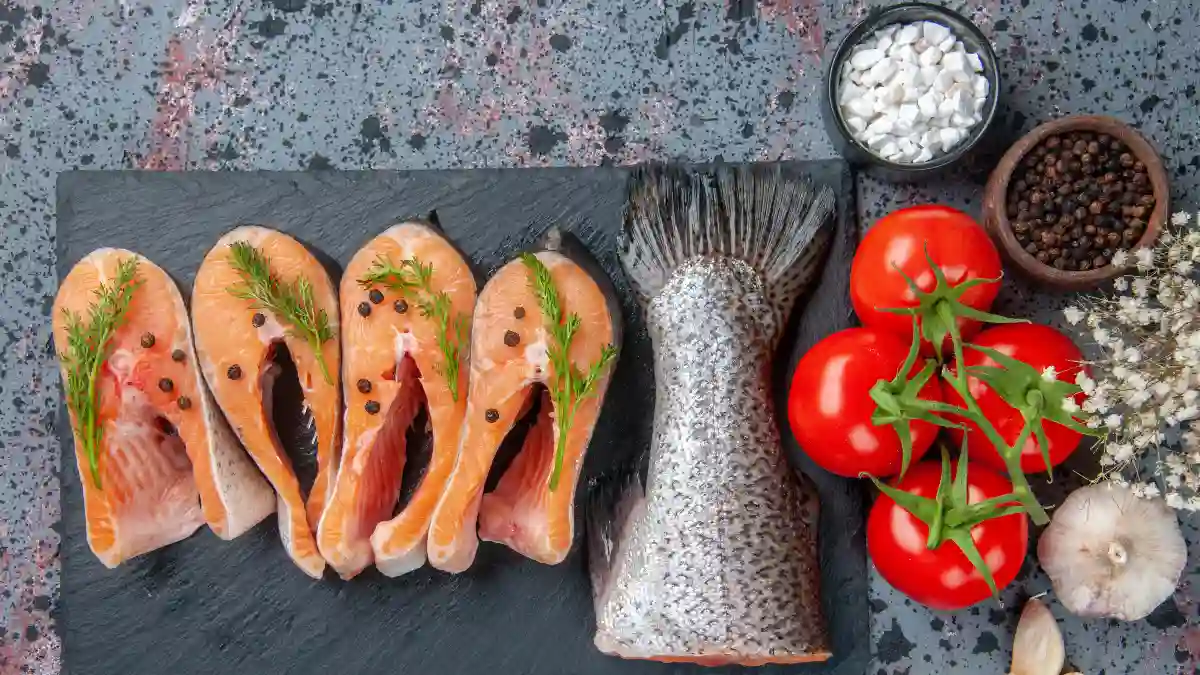
While this list is mostly plants, fatty fish is a key part of the anti-inflammatory Mediterranean diet. It is the best source of the long-chain omega-3 fatty acids EPA and DHA. These are proven to fight inflammation in the body.
A 2024 review found a strong protective effect of fish consumption against breast cancer in Asian populations. Other reviews suggest omega-3s may improve quality of life and reduce side effects like joint stiffness for breast cancer patients in treatment.
The American Cancer Society says to choose fish and poultry over red meat. A simple, dietitian-approved meal is an air-fried or baked fillet of salmon or mahi-mahi served on a rice bowl with vegetables.
13. Yogurt (with Probiotics)
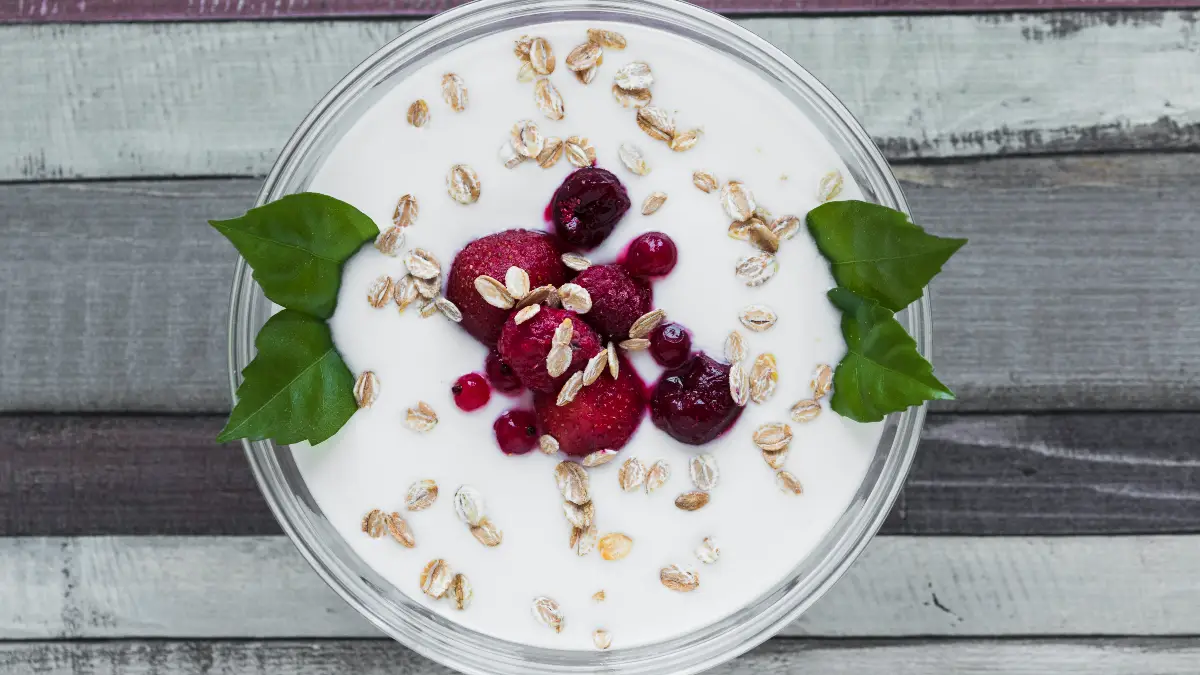
Fermented foods like yogurt and kefir put probiotics (good bacteria) into your gut. These are needed for a healthy gut, which in turn improves immune function. It also protects against germs that may be linked to colorectal cancer.
The evidence here is very specific. A long-term Harvard-led study found that men who ate two or more servings of yogurt per week had a much lower risk of developing colorectal cancer. The link was specifically for tumors that had Bifidobacterium, a type of good bacteria. This suggests the yogurt was directly changing the gut in a protective way.
How to Eat It: Not all yogurt is healthy. Choose plain, unsweetened Greek yogurt or kefir. Yogurts with fruit on the bottom are often full of added sugar, which adds to obesity risk.
14. Apples (with the peel)
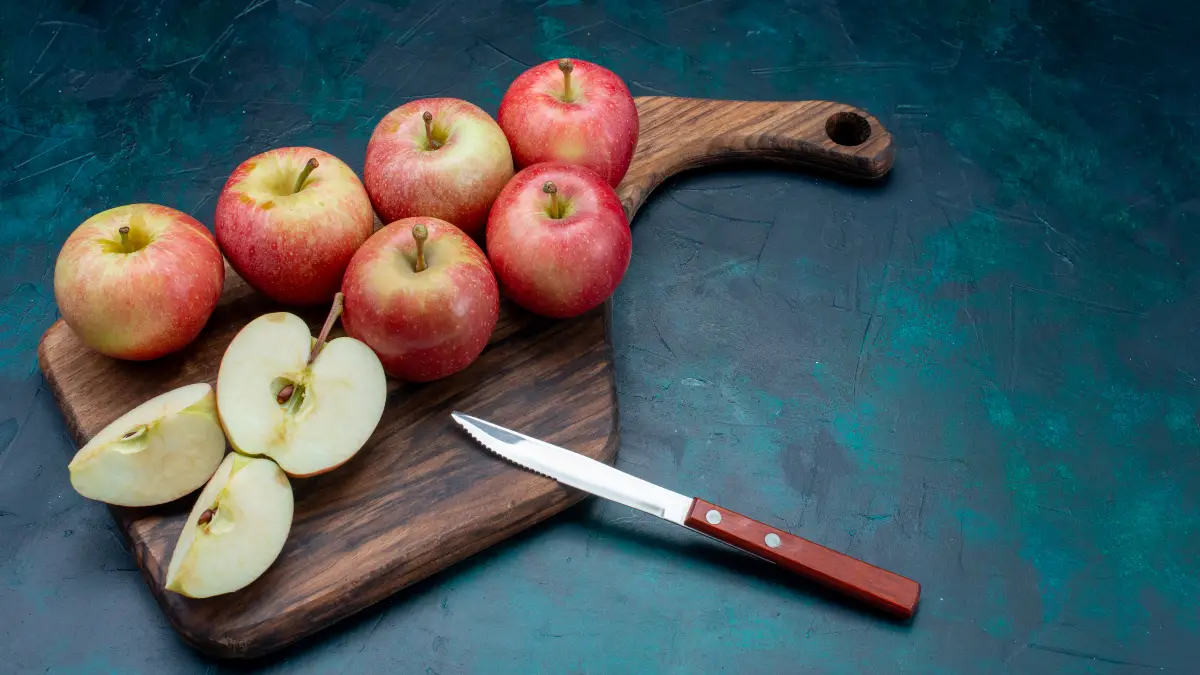
The old saying has science behind it, but the power is in the peel. Apple skin is a rich source of flavonoids, especially quercetin. Lab studies, including in mice, have shown that quercetin can slow the growth of lung cancer cells.
A large European study found a strong protective link for lung cancer in those who ate the most quercetin-rich foods. This group had a 35% risk reduction. In that group, apples were a primary source of quercetin.
Do not peel your apples. Research from Cornell University found that the peel has much higher amounts of these protective compounds than the flesh. The researchers noted that almost all of the anti-cancer activity is in the skin, not from the vitamin C in the flesh.
15. Red Grapes
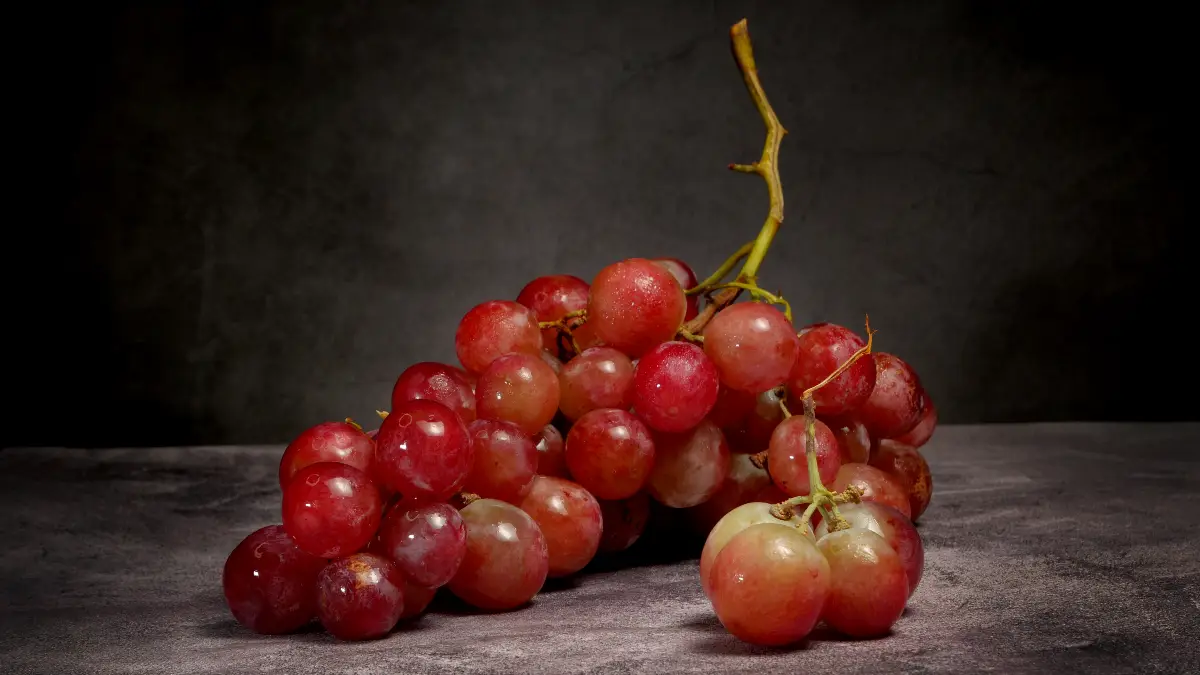
The skin of red grapes (and blueberries and peanuts) has resveratrol. This is a polyphenol that has shown promise in lab studies for its ability to slow tumor growth.
This compound has so much potential that a major UK clinical trial, COLO-PREVENT, was launched in late 2024. This trial is testing if a purified, low dose of resveratrol can stop bowel polyps (which can become cancer) from growing in at-risk patients aged 50-73.
It is very important to separate the food from the drink. This does not mean drinking red wine. Health experts are clear that alcohol is a “known cause of cancer”. To get resveratrol, eat whole red grapes, blueberries, or small amounts of peanuts.