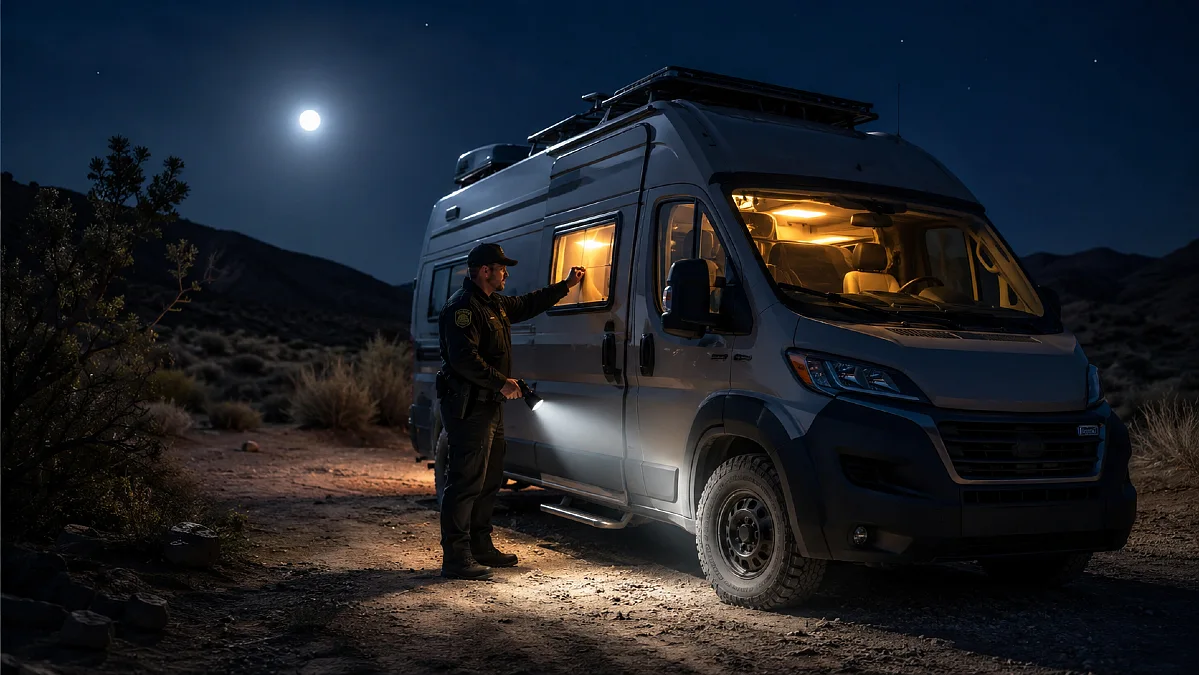
You finally fall asleep after a long day behind the wheel. Then someone pounds on your RV door at 2 a.m.
It may be a ranger, police officer, security guard, property owner, or tired neighbor. Whoever it is, you are probably being told to leave.
The worst part is that the spot may have looked perfect. It was quiet, flat, and listed on a camping app. But an empty space is not always a legal place to sleep.
These nine boondocking mistakes cause many late night problems. Here is how to avoid them before you park, lower the stabilizers, or turn off the lights.
Important: Camping rules can change by city, county, forest, park, and public land office. Always check the official page for the exact location before staying overnight.
1. Assuming an Empty Spot Is a Legal Campsite
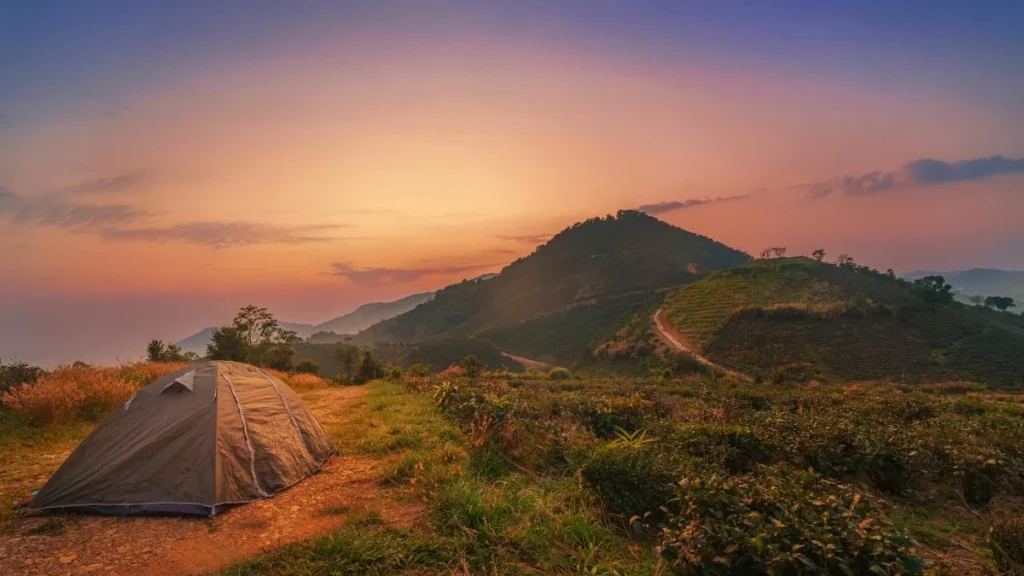
The first mistake is simple. You see open land and assume nobody cares if you stay.
That assumption can put you on private property, protected land, a closed road, or an area that allows daytime use only.
A place can be open to the public without being open to overnight camping. Trailheads, picnic areas, boat launches, scenic pullouts, and wildlife areas often have their own hours.
National parks are a common source of confusion. Entering a park does not give you permission to sleep in any parking area. Yellowstone National Park, for example, says car camping and overnight vehicle parking are not allowed in pullouts, picnic grounds, parking areas, or other places outside designated campgrounds.
Before choosing a site, answer two questions:
- Who manages this land?
- Does that manager allow camping at this exact spot?
Look for the agency name on signs and maps. It may be the Bureau of Land Management, Forest Service, National Park Service, a state agency, a county, a city, or a private owner.
Do not rely on appearance. A dirt lot beside public land may still be private.
2. Trusting a Camping App Without Checking the Date

Camping apps are useful. They are not permission slips.
A review may describe a stay from three years ago. Since then, the owner may have installed a gate. A town may have changed its parking law. A forest may have closed the road because of fire damage.
Start by reading the newest reports. Look for comments about signs, gates, patrols, road conditions, permits, and recent requests to leave.
Then check the official source.
For BLM land, open the local field office page. For national forest land, check the correct forest and ranger district. For a national park, read that park’s camping and parking pages.
The official rule matters more than an app pin.
Apps such as Campendium, iOverlander, and The Dyrt can help you find possible areas. Recreation.gov can help with developed sites and permits. Still, each tool should be part of your research rather than your final proof.
Save at least one backup location before you arrive. A second legal option turns a closed gate into a small delay instead of a midnight crisis.
3. Arriving After Dark Without Reading the Signs
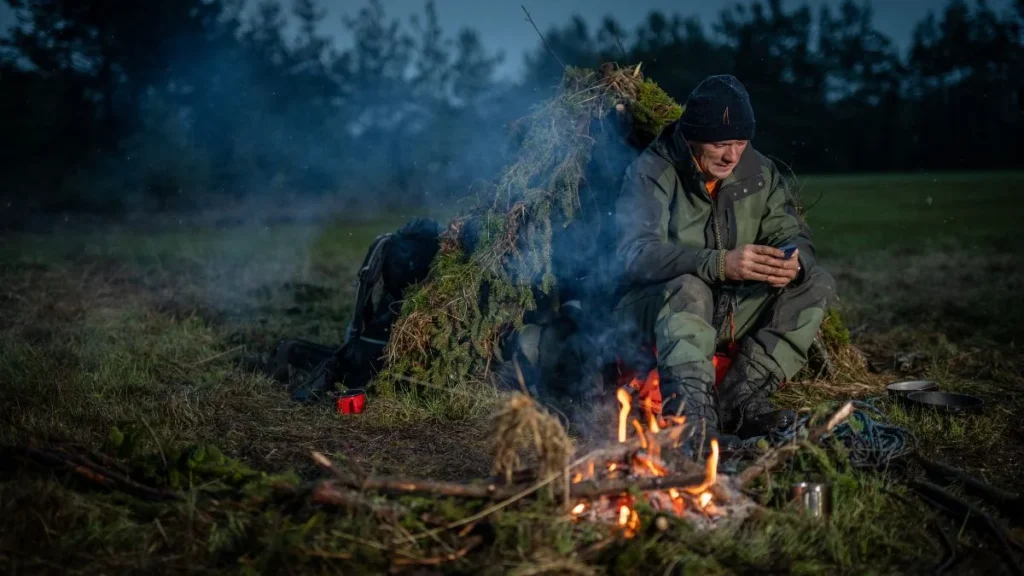
Arriving late can hide the exact information you need.
A small sign may say that the lot closes at sunset. Another may ban overnight occupancy while still allowing overnight parking for hikers. A seasonal closure may appear only at the start of the access road.
Property lines are also harder to see at night. So are soft shoulders, drainage ditches, low branches, and turnaround points.
Try to reach an unknown site at least one hour before sunset. Use that time to inspect:
- Entrance signs
- Parking limits
- Fire notices
- Permit instructions
- Private property markers
- Road conditions
- Space to turn around
- Signs of flooding or falling rocks
Take a clear photo of the entrance sign. You can read it again inside the RV without standing beside a dark road.
When a late arrival cannot be avoided, use a site that you have already confirmed through an official source. This is not the right time to test a random dirt track.
4. Setting Up Camp Where You Only Have Permission to Park
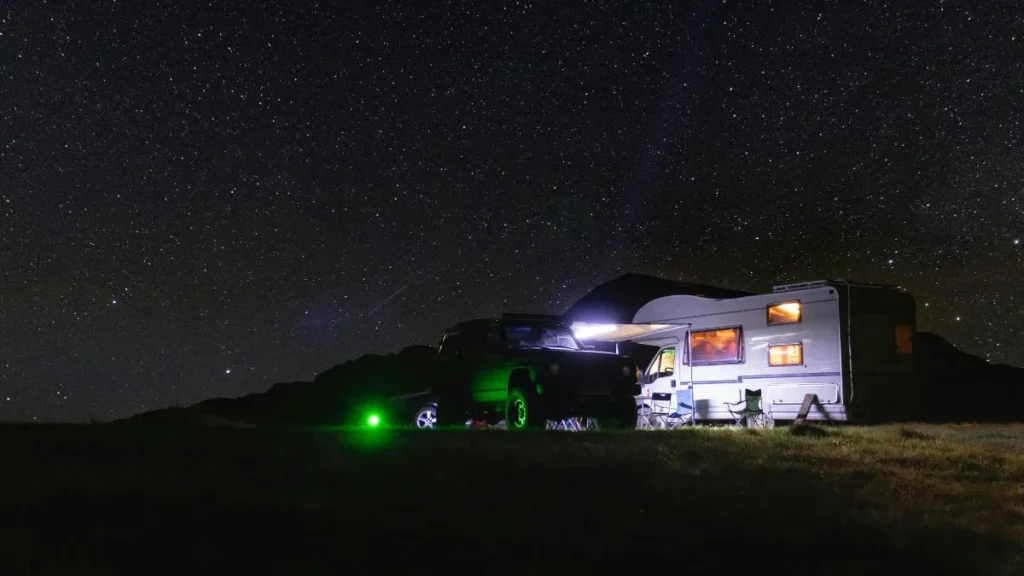
There is a big difference between parking and camping.
A business may allow you to remain in its lot overnight. That does not always mean you can open your awning, put out chairs, start a grill, extend every slide, and treat the lot like an RV resort.
Those actions take extra space. They can block traffic, snow removal, deliveries, emergency access, or other customers.
When staying in a retail lot, casino lot, truck stop, or similar place, ask the location directly. Local rules and property policies can differ even between locations owned by the same company.
Once you receive permission:
- Use the area chosen by staff
- Keep slides closed when space is tight
- Leave awnings and outdoor rugs stored
- Do not use leveling blocks if they could damage the surface
- Keep pets close
- Do not run a loud generator beside other vehicles
- Leave early
- Take every piece of trash with you
Think of this as a safe place to sleep, not a free campground.
A quiet and compact vehicle attracts less attention than a full outdoor setup.
5. Parking Outside a Legal Road or Campsite Boundary
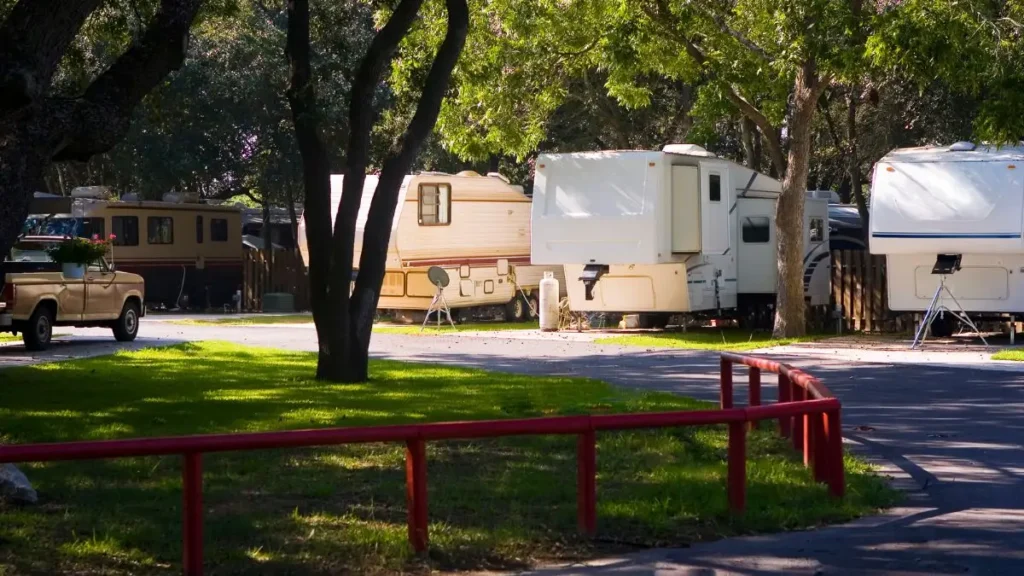
A road can look open and still be closed to motor vehicles.
This is common on national forest land. An old road may appear on a phone map even though it is no longer open for public driving.
The Forest Service uses Motor Vehicle Use Maps to show roads, trails, and areas that are legally open to motor vehicles. Routes missing from the map are not open to public motor use.
The Forest Service says these maps are legal records. Current 2026 map notices also warn that a route is closed when it does not appear on the official map, even when the road looks easy to drive.
Download the current map before you lose service.
Use it with a detailed road or terrain map because the legal map may have limited landmarks. The Forest Service Interactive Visitor Map can also help you compare roads and recreation areas.
Never drive around:
- Locked gates
- Dirt mounds
- Large rocks placed across a road
- Closure signs
- Fences
- Posts that block vehicle access
Use established pullouts or existing campsites where camping is allowed. Leave plants and undisturbed soil alone.
Leave No Trace advises campers to use durable surfaces and keep activity where vegetation is absent.
6. Ignoring Stay Limits and Special Camping Orders
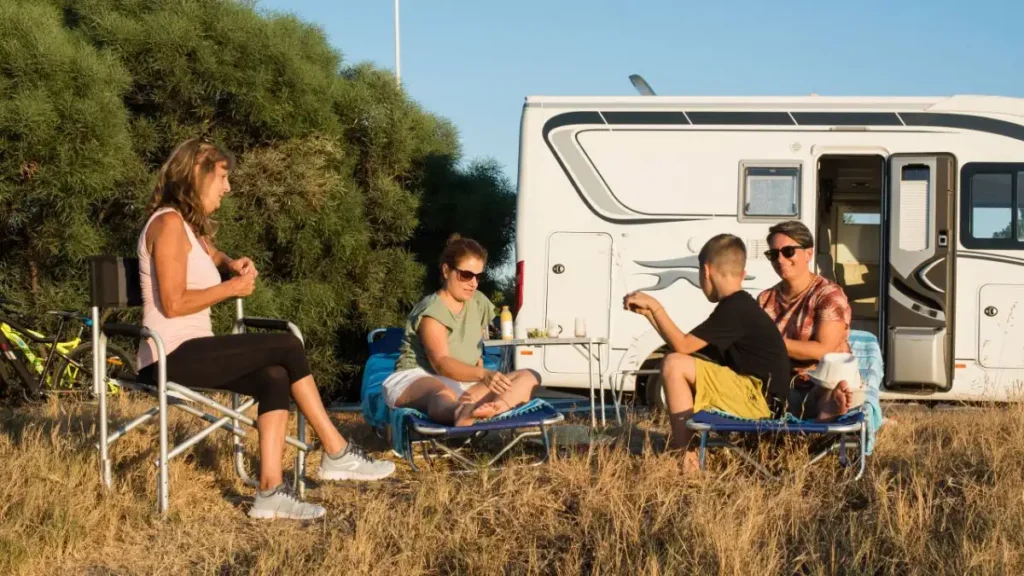
Many campers have heard about a 14 day camping limit. Some assume it applies everywhere in the same way.
It does not.
The BLM says dispersed camping is generally limited to 14 days within a 28 day period. It also warns that exact stay limits can differ by state and field office. After the limit, campers may need to move 25 to 30 miles away, depending on local rules.
Forest Service limits can also change by forest, district, season, or special order. Popular areas may use shorter limits or require camping in marked sites.
Do not assume that moving to the other side of the same road starts a new stay. It may still count as the same area.
Keep a note on your phone with:
- Arrival date
- Planned departure date
- Land manager
- Field office or ranger district
- Stay limit
- Permit number
- Office phone number
Call the local office when the wording is unclear. A five minute phone call is easier than packing your camp under headlights.
Long stays also draw more attention when a camp begins to look permanent. Keep your area clean. Do not build structures, store extra vehicles, or spread belongings across unused sites.
7. Making Enough Noise to Trigger a Complaint
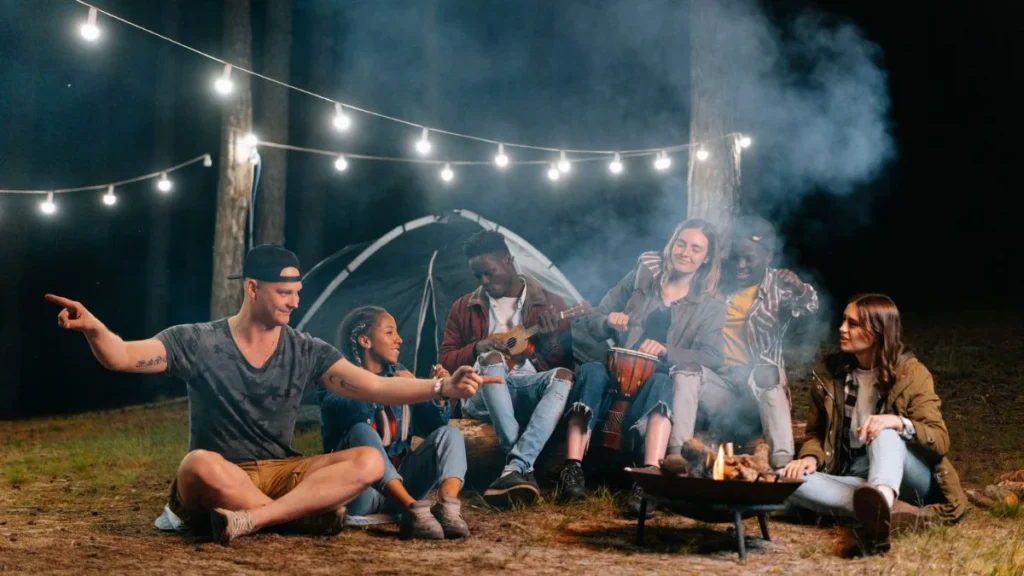
You may be miles from a town and still be close enough to disturb another camper.
Sound travels far across open desert, water, and quiet forest. A generator that seems mild inside your RV may sound much louder from the next campsite.
Common complaint triggers include:
- Generators running late
- Loud music
- Outdoor televisions
- Barking dogs
- Bright floodlights
- Target shooting near camps
- Shouting around a fire
- Vehicles arriving and leaving through the night
Check posted quiet hours. Even when no hours appear, lower noise after dark.
Turn exterior lights down or off when you do not need them. Use warm, low lighting near the door instead of lighting the full hillside.
Give occupied camps room. Do not park beside another RV when several open sites are available.
Leave No Trace asks visitors to respect other people and protect the quality of their outdoor experience.
Your goal is simple. Other campers should barely know you are there.
8. Mishandling Trash, Gray Water, or Human Waste
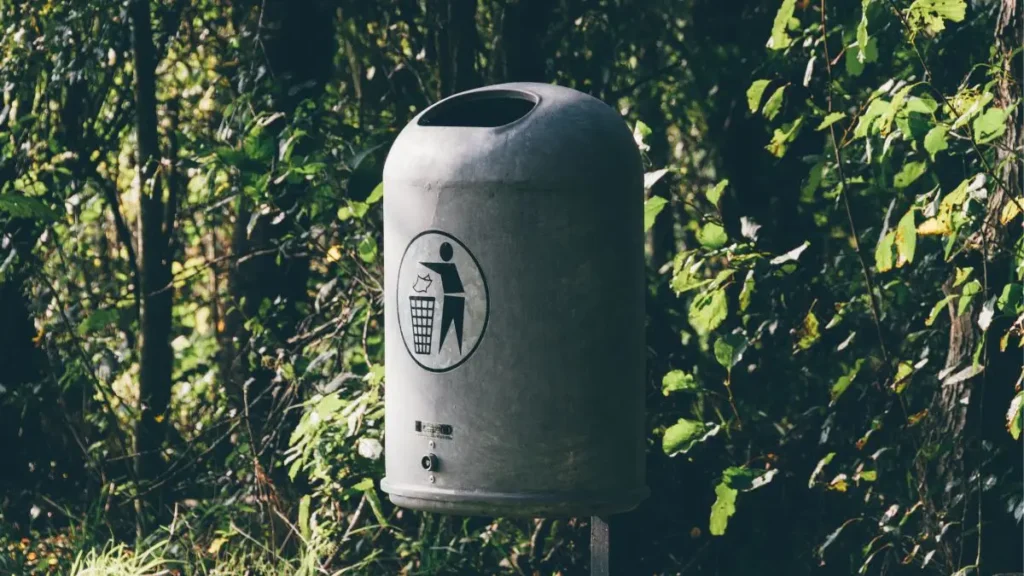
Nothing closes a free campsite faster than piles of trash and exposed human waste.
Most dispersed camping areas have no bins, toilets, sinks, or dump stations. You must bring a complete waste plan.
Pack out:
- Food scraps
- Cans and bottles
- Toilet paper
- Pet waste
- Hygiene products
- Broken equipment
- Fire debris when required
- Anything else you brought in
Do not place a trash bag beside a full bin and call it packed out. Animals can tear it open before collection crews arrive.
Use an approved dump station for black water. Check local rules before releasing any gray water. Soap, grease, food scraps, and chemicals can harm soil and attract animals. Some places ban gray water dumping completely.
Where burying human waste is legal, Forest Service guidance commonly says to dig a hole 6 to 8 inches deep at least 200 feet from water, campsites, and trails. The agency also tells visitors to pack out toilet paper and hygiene products in many areas.
Local rules may require all human waste to be packed out. Desert, canyon, alpine, river, and heavily used locations often need stricter care because waste breaks down slowly or can reach water.
A portable toilet or approved waste bag system is often the simpler choice.
Never empty an RV toilet into a pit toilet unless signs clearly allow it. RV tank chemicals and large waste volumes can damage the system.
9. Starting a Fire Without Checking Today’s Restrictions
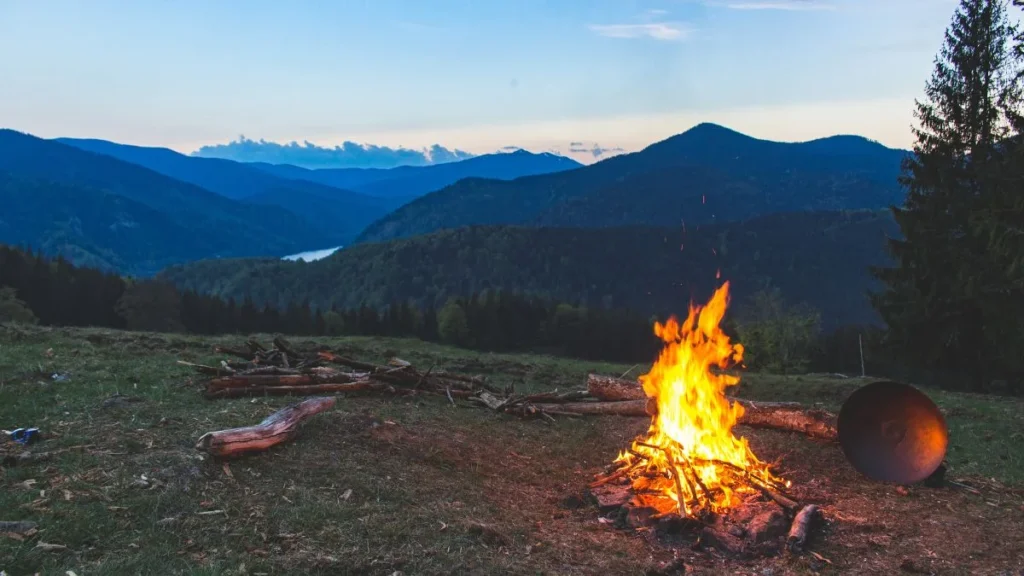
A stone fire ring does not prove that fires are legal.
It only proves that someone made a fire there before.
Fire rules can change during your trip. Dry weather, wind, heat, and limited firefighting resources may lead to temporary restrictions.
The BLM posts fire restrictions by region. These rules can cover campfires, charcoal, smoking, equipment use, target shooting, and other activities that may start a wildfire.
For example, BLM restrictions announced for parts of California in June 2026 banned campfires, charcoal grills, and stove fires outside agency fire rings in developed campgrounds.
That example does not apply everywhere. It shows why you must check the exact district and date.
Before lighting anything:
- Open the current fire restriction page.
- Confirm which agency manages your campsite.
- Read whether propane devices are allowed.
- Check wind conditions.
- Keep water and a shovel ready.
- Put the fire out until the ashes are cold enough to touch.
Never leave a fire unattended.
Carry food that does not need cooking. A cold meal is better than a fine, an evacuation, or a wildfire.
What Should You Do When Someone Knocks on Your RV Door?

A late knock can be frightening. Do not react with anger.
Turn on an outside light. Keep the door locked while you ask who is there.
A ranger, police officer, or security guard should be able to identify themselves. You can speak through the closed door while you check a window or camera.
When the person claims to be law enforcement and you feel unsure, call the local emergency or nonemergency number to confirm. Do not open the door for an unknown person when the situation feels unsafe.
When an officer, ranger, property owner, or authorized worker tells you that camping is prohibited, stay calm.
Show any permission, permit, map, or official rule you used. The information may solve the issue.
When it does not, ask:
- Where does the restricted area end?
- Is there a legal nearby place to stay?
- May I have a few minutes to secure the RV?
- Is the road out safe at this hour?
Do not argue beside the road. Secure loose items, close slides, check around the vehicle, and leave.
This is why every night needs a backup site. Save its map before bed and keep enough fuel to reach it.
| Before You Stay | What to Confirm | Why It Matters |
|---|---|---|
| Land ownership | Identify the BLM office, Forest Service district, city, county, business, or private owner | Open land is not always legal camping land |
| Overnight permission | Check whether the site allows camping, vehicle sleeping, or parking only | Parking permission may not include camping |
| Road access | Review current closures and official vehicle use maps | A visible dirt road may still be closed |
| Stay limit | Confirm the allowed number of nights and required move distance | Limits can differ by district and season |
| Fire rules | Check current restrictions for fires, charcoal, and propane devices | An old fire ring does not prove fires are allowed |
| Waste plan | Locate legal trash, toilet, gray water, and dump options | Poor waste handling can lead to fines and site closures |
| Recent conditions | Read current reports about mud, gates, snow, crowds, or patrols | Older app reviews may no longer be accurate |
| Backup location | Save at least two legal alternatives offline | You may need to move after dark |
| Arrival time | Reach an unknown site before sunset | Daylight makes signs, barriers, and hazards easier to see |
The 10 Minute Check That Prevents Most Problems
Run this check before driving to a boondocking site:
- Identify the land manager.
Confirm whether the land belongs to the BLM, Forest Service, state, county, city, or a private owner. - Read the current camping page.
Look for closures, permits, stay limits, and special orders. - Check legal vehicle access.
Use the current Motor Vehicle Use Map on Forest Service land. - Read recent camper reports.
Focus on new reports about gates, signs, patrols, mud, snow, and road damage. - Check fire rules.
Read the official restriction notice for that district. - Plan your waste method.
Know where you will put trash and where the nearest legal dump station is. - Download your maps.
Do this before leaving cell service. - Save two backup sites.
Pick sites in different areas in case a road or full campsite blocks your first choices. - Arrive before dark.
Give yourself time to read signs and inspect the ground. - Leave when the site feels wrong.
Trust clear warning signs such as fresh barriers, angry neighbors, unsafe roads, or unclear ownership.