
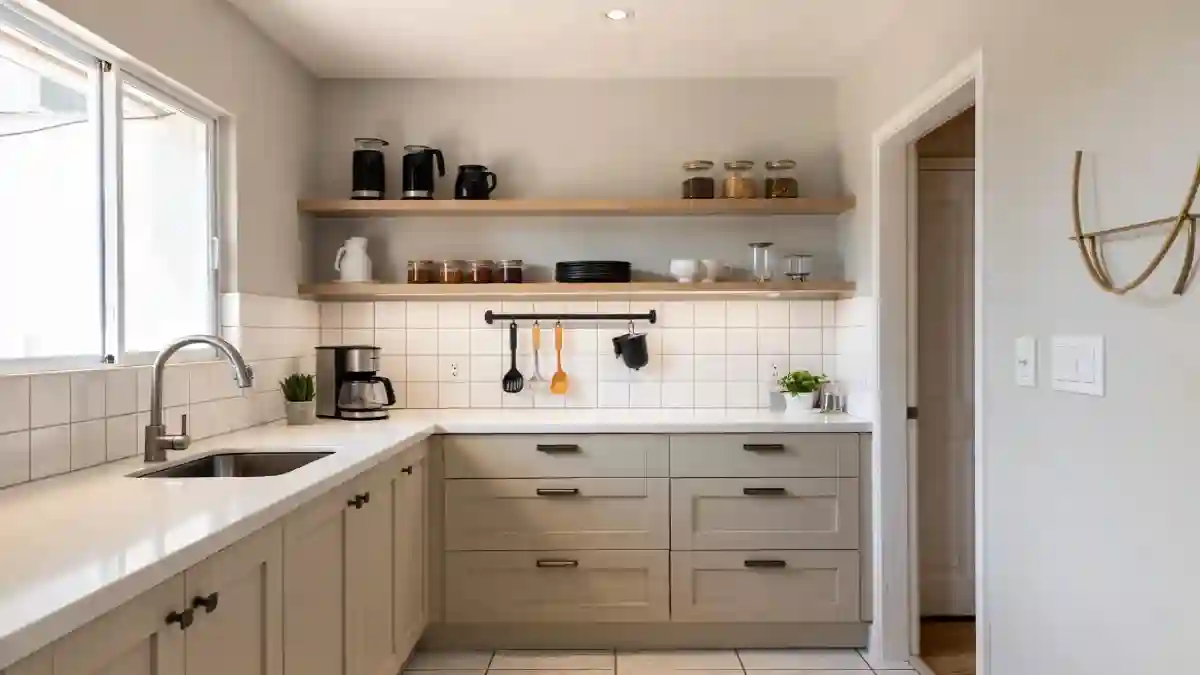
Cooking dinner shouldn’t feel like a high-stakes balancing act. Stacking dirty dishes on a toaster because every inch of counter real estate is occupied drains joy from meal prep. We have all been there.
You just want to chop vegetables without knocking over a coffee maker. Clutter accumulates fast in tiny culinary corners, leaving zero room for creativity. Reclaiming lost surfaces requires smart strategy, not a renovation crew.
Twenty one brilliant organization hacks will transform cramped corners into spacious sanctuaries, effectively doubling usable area.
Countertop Chaos Solved: 19 Ways to Double Your Prep Space
Preparing meals in a compact galley often feels like a frustrating puzzle where ingredients fight for square footage.
When appliances and stray plates dominate every inch, the joy of baking evaporates instantly. However, you don’t need a sledgehammer to find relief; strategic vertical storage and clever layout adjustments can liberate your surfaces.
These twenty one ingenious methods will help you reclaim your workspace and breathe easily while you sauté.
Countertop Chaos Solved
Utilize Vertical Zones
Install magnetic strips or hanging rails to keep knives and ladles off the flat workspace.
Expand Over the Sink
Deploy a custom-fit cutting board across the basin for an instant chopping station.
Optimize Cabinet Doors
Mount slim racks on cupboard interiors to stow spices without occupying shelf room.
Tiered Storage
Place risers inside pantries to stack items upward, reducing horizontal footprint.
1. Expanding Horizons with Drop-Down Surfaces
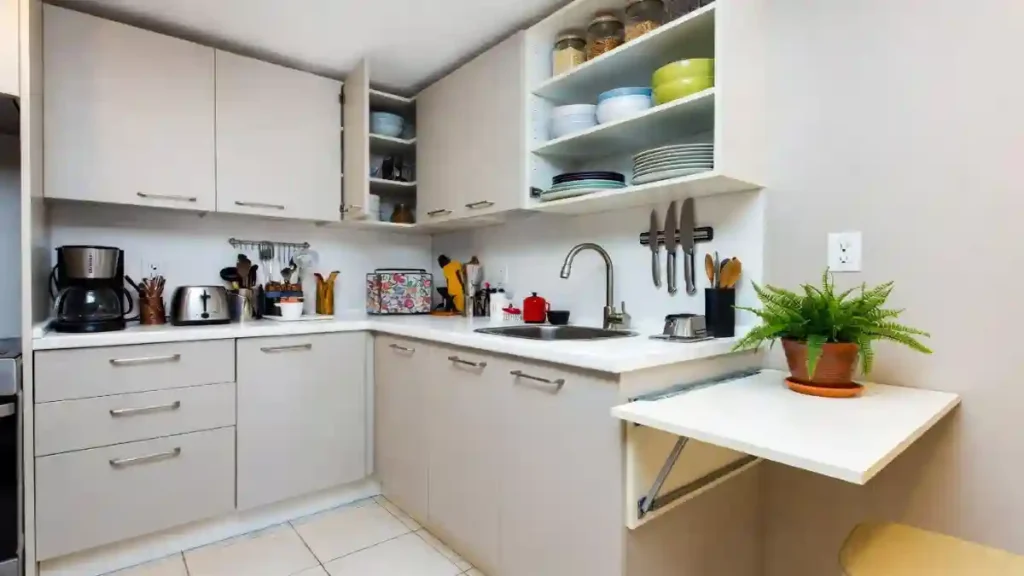
Smart design choices turn tight corners into functional workspaces in this cozy culinary hub.
Soft greige cabinetry pairs beautifully with crisp white countertops to keep the visual weight light, but the real magic happens with vertical storage and flexible surfaces.
Utilizing wall space for knives and utensils clears the decks for actual food prep, while a clever fold-down extension offers a pop-up dining spot or extra chopping station on demand.
It is a masterclass in making every square inch work harder without sacrificing style.
- Installing a collapsible side table creates an instant breakfast nook or prep zone that vanishes when dinner is done, serving as the ultimate space-saving secret weapon.
- Mounting magnetic strips and hanging rails lifts clutter off the white surfaces, ensuring essential tools remain within arm’s reach but strictly out of the way.
- Opting for open shelving instead of heavy upper cabinets forces organized curation of colorful dishware while keeping the room feeling airy and surprisingly open.
2. Vertical Solutions for Clutter-Free Counters
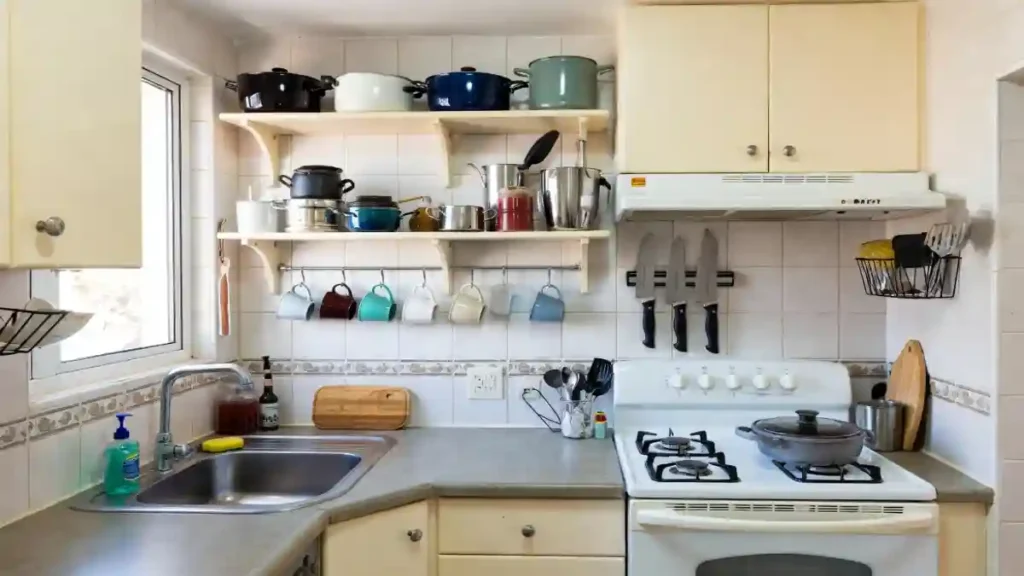
Limited square footage demands aggressive vertical thinking rather than just wishing for more room.
Cream-colored cabinetry sets a warm, vintage tone here, but the real genius lies in how the walls work harder than the floor plan.
Pots, pans, and daily mugs float above the workspace instead of cluttering the grey surfaces, effectively turning the backsplash into a high-density storage grid.
Every tool remains visible and within reach, making meal prep intuitive while leaving the actual counter area wide open for chopping vegetables.
- Sturdy wooden shelves replace bulky upper cabinets to store heavy enamel cookware, keeping large pots accessible while adding a relaxed, open feel to the room.
- Installing a simple metal rail with S-hooks suspends coffee mugs under the shelving, freeing up cupboard space and adding a colorful, practical decor element.
- Magnetic strips mounted on the tile keep sharp knives off the counter and safely secured, completely eliminating the need for a clunky wooden block.
3. Mastering Vertical and Hidden Storage Solutions
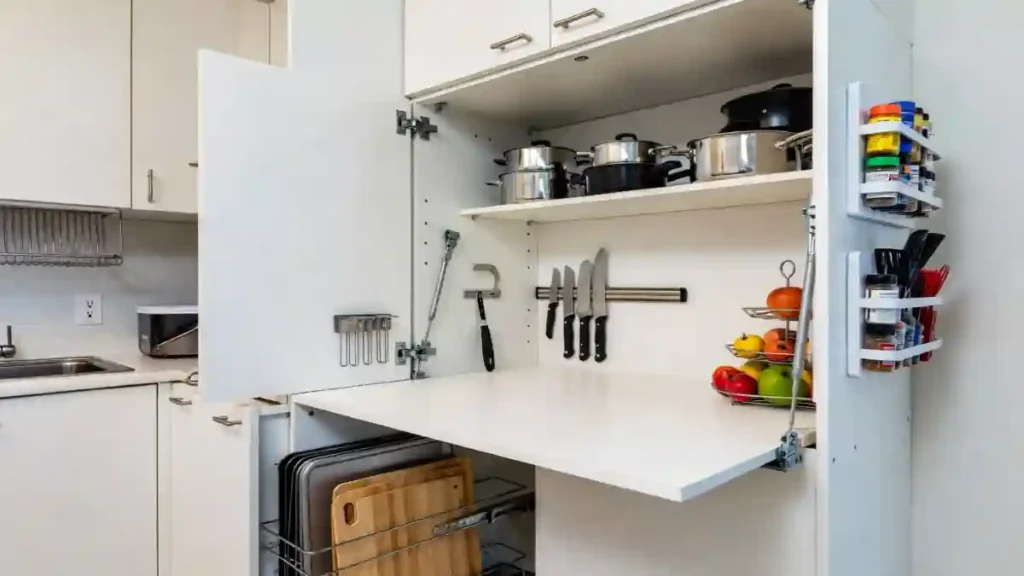
Across these varied kitchen styles, from modern greige to cozy vintage cream and sleek white, the battle for counter space is won by looking up and inside rather than just spreading out.
Walls become active storage zones with magnetic strips holding knives securely and rails suspending mugs or cooking utensils, effectively liberating precious flat surfaces for actual meal preparation.
Even standard cabinetry gets a serious functional upgrade, revealing hidden pull-out work stations and door-mounted racks that tuck essential clutter completely out of sight when cooking is finished.
It is about strategic deployment of every available square inch to keep the main decks clear for action.
- Deployable surfaces, like the drop-down side table in the greige kitchen or the ingenious pull-out shelf hidden behind the white cabinet door, provide temporary prep zones exactly when needed and vanish instantly to restore pathways.
- Heavy cookware and daily coffee mugs migrate from precarious counter stacks to sturdy open shelving and hanging rail systems, turning necessary items into accessible visual displays while clearing the area below for chopping.
- Utilizing the often-wasted space inside cabinet doors for tiered spice racks and installing internal pull-out dividers for vertical cutting board storage transforms previously dead air into highly efficient, concealed organizational powerhouses.
4. Industrial White & Wood Workhorse
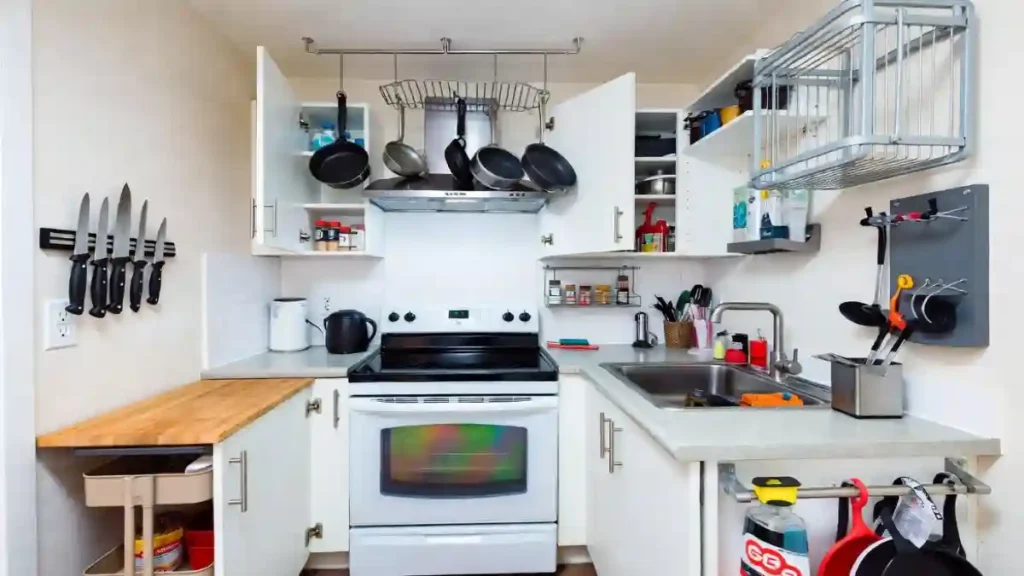
Cooking in a closet-sized room requires thinking like an engineer rather than just a decorator. Bright white cabinetry keeps the visual load light, but the real functionality comes from the sheer density of smart storage solutions crammed into this tiny footprint.
Utensils, pans, and spices hang from every available vertical surface, turning walls and even the ceiling into active storage zones, which leaves the grey countertops mostly free for actual work.
It is a bustling, highly efficient command center where tools are grabbed mid-chop without taking a single step.
- Integrating a slide-out butcher block extension instantly creates a dedicated chopping station that tucks away neatly, effectively expanding the room’s footprint on demand.
- Suspending heavy cookware from a ceiling-mounted rack above the range capitalizes on dead air space, keeping bulky pans accessible but entirely off the limited shelf space.
- Mounting sturdy rails on lower cabinet doors and tucking a rolling cart beneath the counter ensures that cleaning supplies and pantry overflow utilize lower zones that usually go to waste.
5. Clever Pegboard and Pull-Out Solutions for Counter Clarity
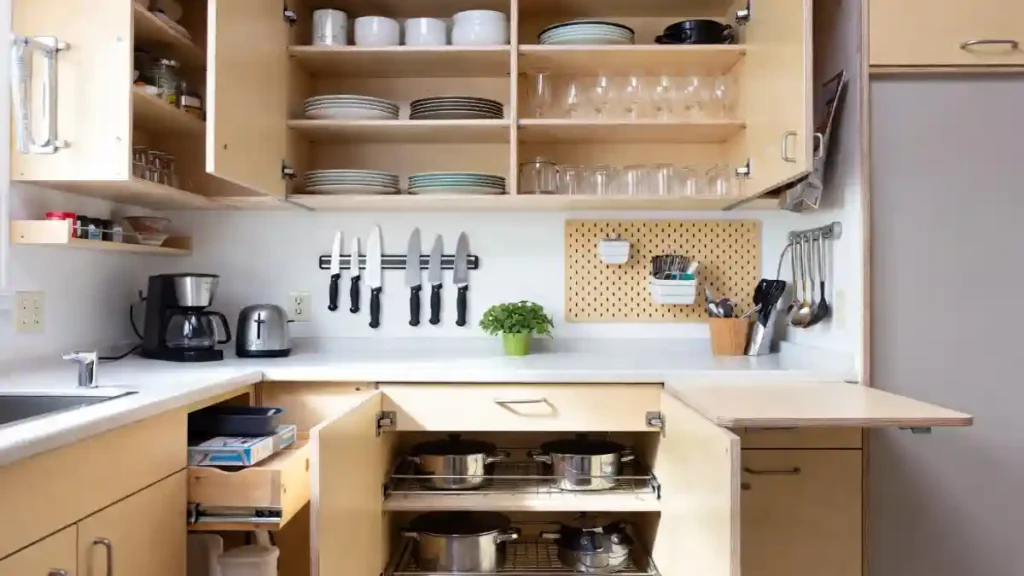
Light maple cabinetry creates a warm, inviting glow here, but the real brilliance lies in the functional details that keep the white countertops surprisingly clear.
Instead of cluttering surfaces, everyday items find homes on the walls and inside clever cabinets, proving that smart design is the key to a functional small space.
A pegboard backsplash offers customizable storage for tools, while magnetic strips and a hanging rack keep knives and utensils handy and off the counter.
The lower cabinets are the real heroes, featuring pull-out drawers for pots and a hidden pull-out board that instantly expands prep surface.
- Installing a pegboard on the backsplash provides a flexible, customizable home for utensils and small baskets, keeping frequently used items within sight but completely off the counter.
- Deep lower cabinets often become black holes for cookware, but here, two-tiered metal pull-out drawers bring heavy pots and pans smoothly into the light, eliminating the need to rummage and keeping the stovetop area clear.
- A genius pull-out cutting board extends from the cabinetry just below the main counter, offering a temporary yet sturdy prep zone that conveniently retracts when chopping veggies is finished.
6. Warm Taupe Compact Kitchen – Unlocking Potential with Wall-Mounted Innovation
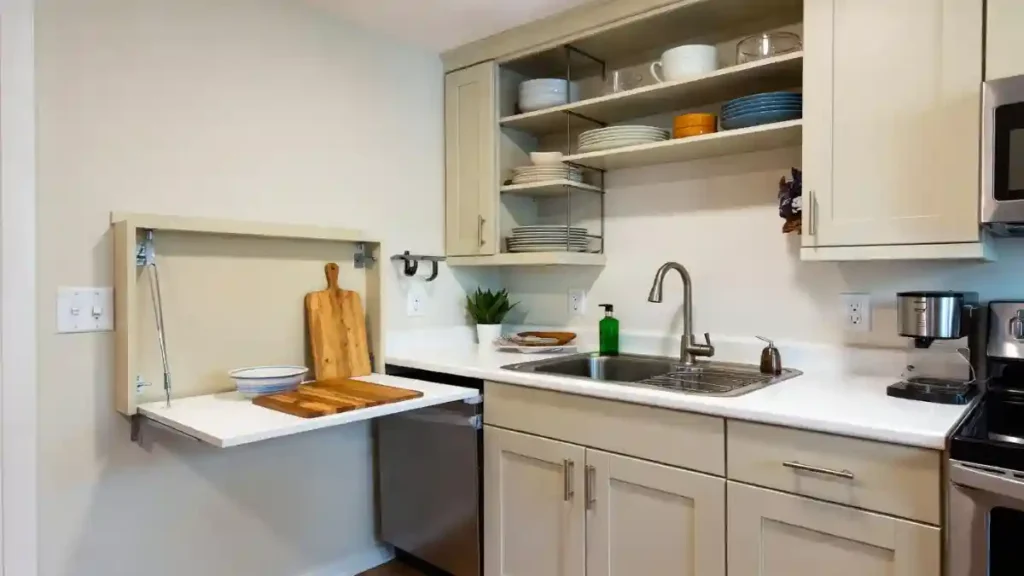
Dead wall space often sits ignored while home cooks struggle to find a spot for a cutting board. Warm taupe cabinets ground this space in a classic aesthetic, but the real star is the wall-mounted extension that defies the limits of a narrow room.
A simple fold-down mechanism instantly generates a prep zone right next to the dishwasher, effectively adding square footage out of thin air without obstructing the walkway.
It creates a seamless blend of traditional shaker style and futuristic functionality where every surface has a purpose.
- Installing a wall-mounted drop-leaf table transforms an empty corner into a sturdy auxiliary counter, providing a dedicated spot for chopping vegetables or cooling cookies before folding flat against the wall to save space.
- Replacing heavy corner cabinets with open shelving units prevents the small room from feeling boxy while keeping everyday dinnerware stacked neatly within arm’s reach near the sink.
- Utilizing the space beneath upper cabinets for hanging mug hooks clears the counter of ceramic clutter, ensuring morning coffee routines remain streamlined and efficient without sacrificing cupboard real estate.
7. Natural Wood & Daylight Corner Kitchen – Magnetic Mastery for Open Countertops
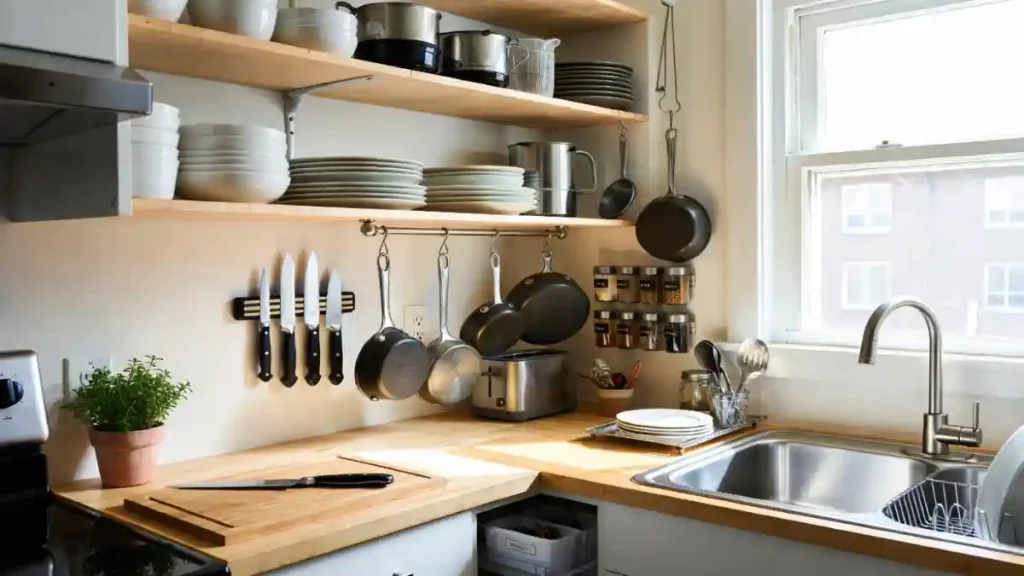
Sunlight streams across warm butcher block counters in a space that proves organization can be beautiful rather than just utilitarian.
Rather than stuffing drawers to the bursting point, the walls do the heavy lifting here with a clever mix of rails and magnets that keep the workspace breathing.
Every tool has a dedicated spot in the air, leaving the wooden surface completely open for chopping vegetables or kneading dough without obstruction.
It feels less like storage and more like a chef’s curated display where efficiency meets rustic charm.
- Suspending stainless steel cookware from a sturdy rail beneath the open shelving turns bulky pans into a shimmering focal point, freeing up massive amounts of cabinet real estate for less attractive appliances.
- Clustering magnetic spice tins on a metal panel or fridge side eliminates the need for a chaotic pantry shelf, keeping essential flavors instantly accessible while adding a geometric visual pop to the corner.
- Securing blades to a wall-mounted magnetic strip ensures safety and sharpness without sacrificing a single inch of counter space to a clunky, oversized wooden knife block.
8. Classic White & Butcher Block Corner – Breathing Room for Busy Counters
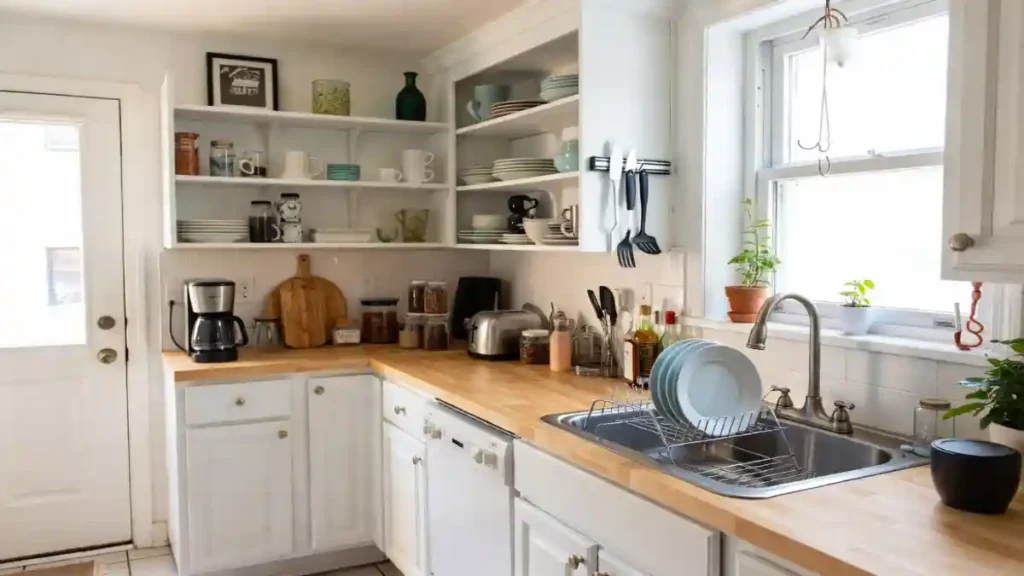
Corner spaces in L-shaped kitchens often become dead zones where clutter goes to die. Pairing crisp white cabinets with warm wood surfaces creates a cozy farmhouse vibe, but the real victory is the open shelving that wraps seamlessly around the bend.
Stacking plates and bowls vertically instead of hiding them behind heavy doors keeps the visual flow uninterrupted and the workspace ready for action.
It is a perfect example of how exposing your essentials can actually make a room feel less chaotic and significantly more spacious.
- Wrapping open shelves around the awkward corner turns a hard-to-reach dead spot into a beautiful display of daily dishware, making setting the table a breeze while maximizing vertical storage.
- Utilizing the deep window sill for potted herbs and small decor items brings greenery into the room without sacrificing a single inch of the precious wooden prep surface for decorations.
- Mounting a magnetic strip for utensils on the small wall section near the window keeps essential tools organized and instantly grab-able during the dinner rush, leaving the drawer space for other gadgets.
9. Minimalist White & Wood Sanctuary – Mastering Open Shelving for Clutter-Free Countertops
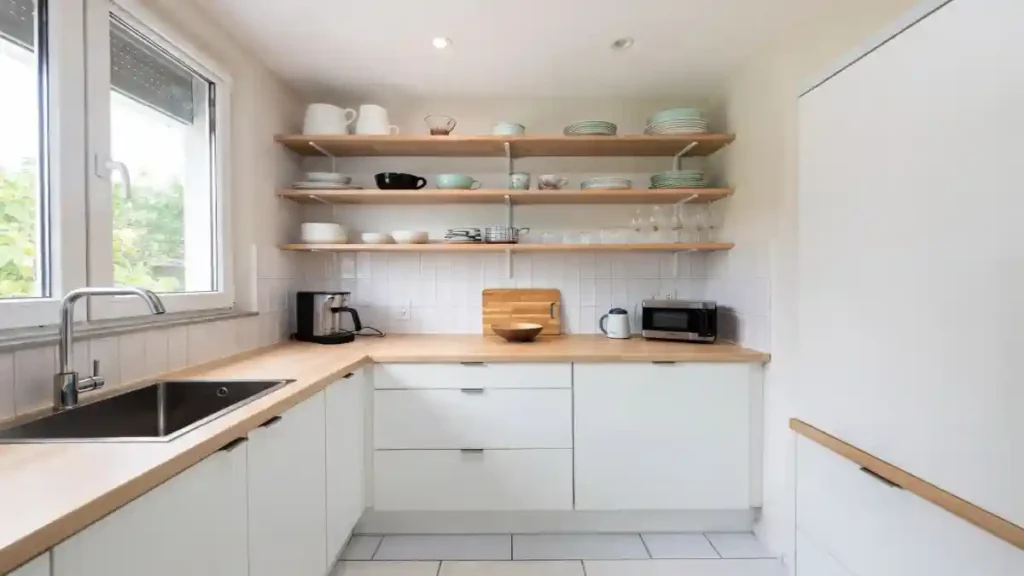
Achieving a spacious feel in a modest footprint is all about visual lightness and smart storage.
This kitchen masterfully uses long, open wooden shelves against a crisp white subway tile backsplash to store an entire collection of dishware without closing in the space.
By curating what is on display, the beautiful light wood countertops remain remarkably free of daily clutter, reserved strictly for essential appliances like the coffee maker and microwave, creating a serene and highly functional environment.
- Replacing bulky upper cabinets with airy open shelving forces a disciplined, curated approach to storage, keeping everyday plates, bowls, and glassware neatly stacked and instantly accessible while making the room feel significantly larger.
- Limiting countertop residents to only the most-used appliances, such as the coffee machine and microwave, ensures that valuable prep surface is never sacrificed for items that could easily live inside a cabinet.
- Extending storage vertically right up to the ceiling with multiple shelf tiers maximizes the use of an otherwise blank wall, providing ample spots for less frequently used items like large serving platters without encroaching on the active workspace below.
10. Cream & Beige Corner Kitchen – Unlocking Hidden Potential in Dead Zones
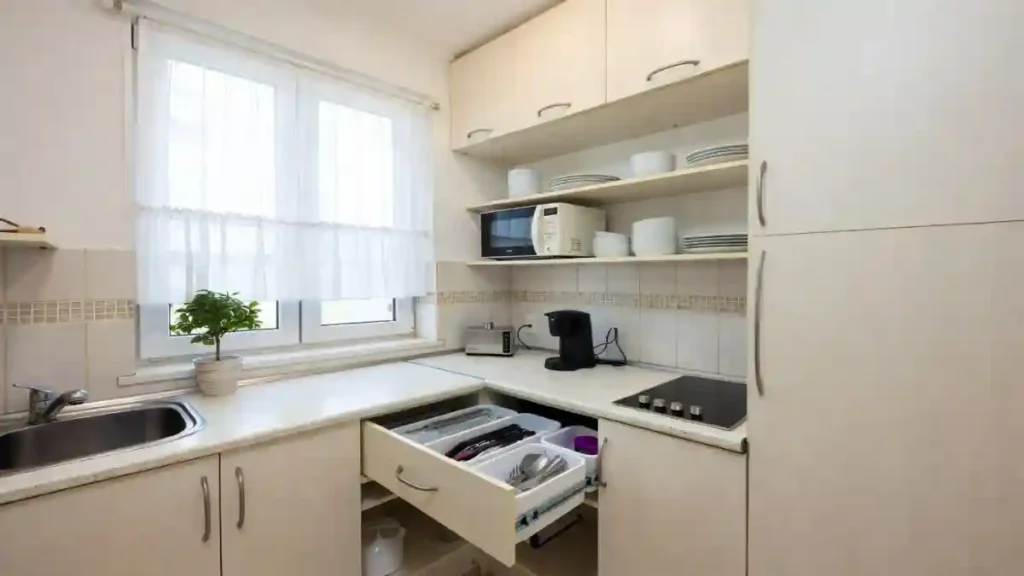
Most kitchen corners are dark, frustrating caverns where plastic lids are lost forever, but this cream-colored space rewrites the rules of engagement.
Instead of fighting with a deep, inaccessible cabinet, the design brings the storage out to you with ingenious diagonal drawers.
It keeps the aesthetic soft and neutral while maximizing the most notorious dead zone in kitchen design, ensuring the room feels calm yet incredibly efficient.
- Installing chevron-shaped corner drawers eliminates the need for awkward reaching, bringing utensils and tools directly into the light with a smooth pull.
- Placing the microwave on a dedicated open shelf clears a massive footprint from the prep area, ensuring the limited counter space remains strictly for cooking.
- Opting for a sleek, flat cooktop and undermount sink preserves the visual lines, making the tight workspace feel continuous and surprisingly airy.
11. Mastering the Corner for Maximum Flow
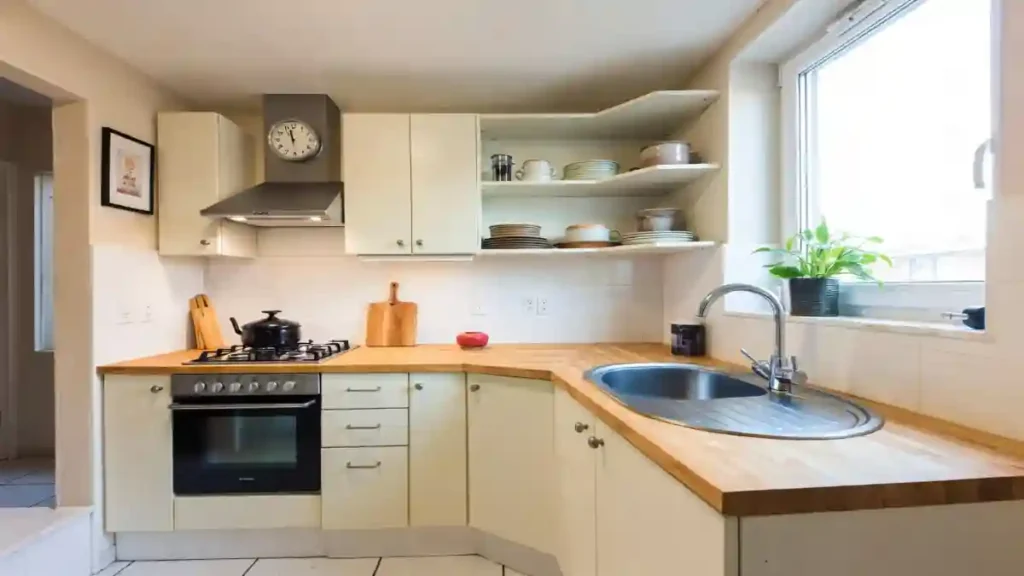
Smart layouts turn potential bottlenecks into seamless workspaces.
Positioning the stainless steel sink in the corner allows for long, uninterrupted stretches of butcher block prep areas on either side, which effectively doubles the usable surface for cooking tasks.
Cream cabinetry keeps the vibe airy and bright, while the open shelving in the upper corner ensures that daily dishes are within grabbing distance without closing off the room visually.
It is a brilliant example of how geometry can work in your favor when square footage is tight.
- Angling the sink into the corner utilizes the deepest part of the counter for washing up, liberating the linear workspace on the left and right for chopping and appliance storage.
- Replacing boxy upper corner cabinets with sleek open shelves prevents the room from feeling cramped and provides a perfect stage for stacking plates where they are easiest to reach.
- Keeping the window sill minimal allows natural light to flood the wooden surfaces, making the compact kitchen feel expansive and welcoming rather than closed-in and utilitarian.
12. High-Efficiency Hacks for Narrow Spaces
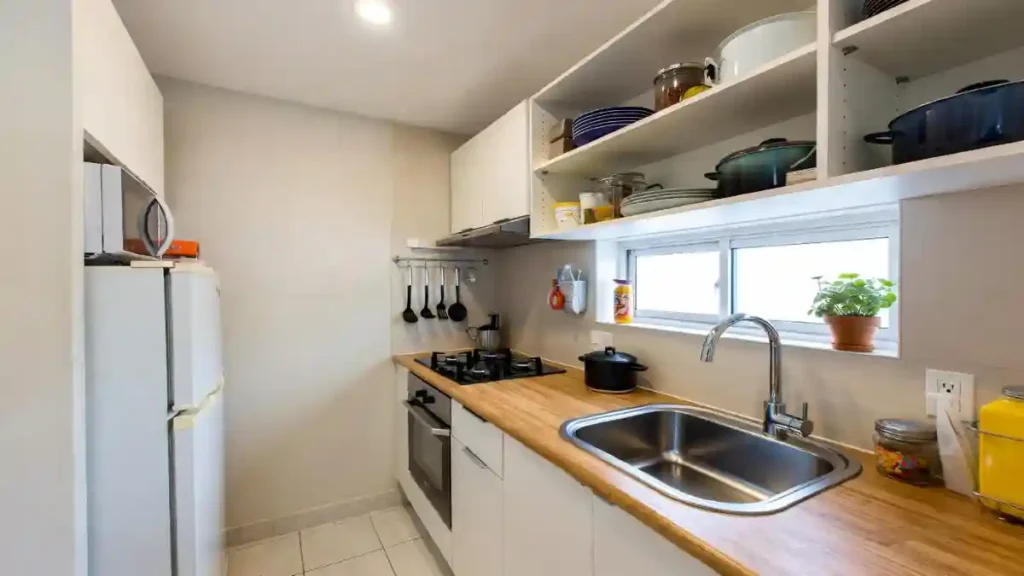
Narrow kitchens often feel like hallways, but this bright white galley proves that width isn’t everything when you have vertical strategy. Butcher block counters warm up the clean lines, yet the real victory lies in the smart appliance placement.
Moving the bulky microwave to the top of the refrigerator is a game-changer that instantly refunds a huge chunk of prep space.
It keeps heavy electronics out of the “danger zone” of daily chopping, allowing the workflow to remain smooth and uninterrupted even in a tight corridor.
- Relocating the microwave to the flat surface atop the fridge clears a massive footprint from the limited wooden counter, ensuring that heating up leftovers never encroaches on the active cooking area.
- Mounting a simple metal rail with S-hooks right next to the stovetop keeps essential spatulas and ladles available during the heat of cooking, completely removing the need to dig through messy drawers while sautéing.
- Capitalizing on the empty wall space above the window with high open shelving captures often-missed storage for large pots, drawing the eye upward and expanding the perceived volume of the room.
13. Creating Instant Dining Zones

Clean white cabinetry provides a neutral backdrop here, but the warm butcher block countertops steal the show by extending far beyond the usual limits.
A massive drop-down extension creates a flexible peninsula that serves as a breakfast bar one minute and a prep station the next, effectively changing the kitchen’s entire footprint on a whim.
Seamless integration of the wood tones makes this functional addition feel like a piece of high-end furniture rather than a temporary fix.
- Integrating a heavy-duty folding bracket allows the butcher block surface to extend outward, offering a spacious dining spot that collapses flat against the wall to restore traffic flow.
- Mounting a simple metal rod beneath the upper cabinet keeps essential cookware suspended and accessible, ensuring that bulky pans never clutter the drying rack or stovetop.
- Utilizing wall-mounted spice racks near the prep zone keeps small jars organized and off the counter, preserving the clean, minimalist aesthetic of the wooden surfaces.
14. Commercial Efficiency for Tiny Homes
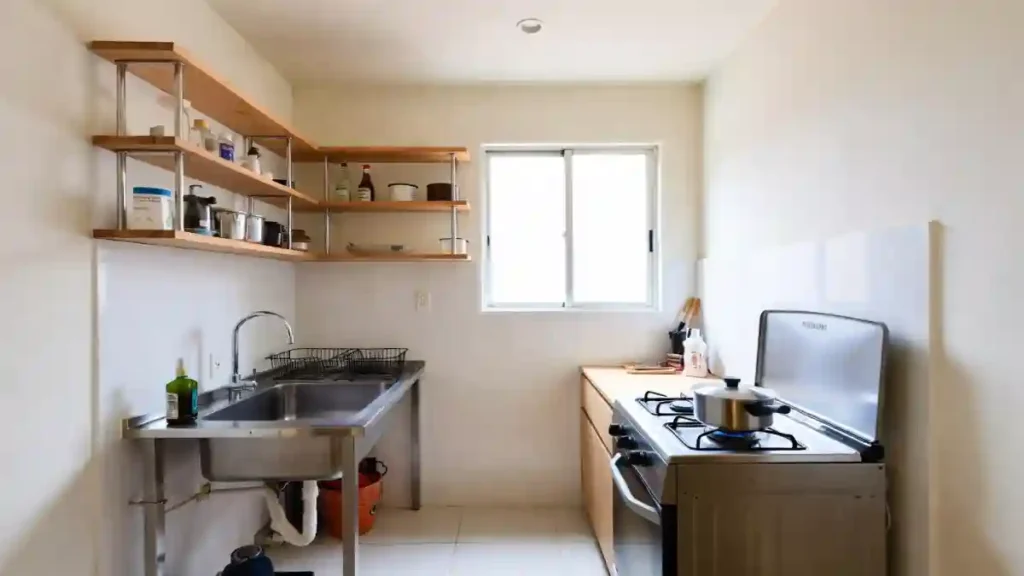
Forgoing traditional cabinetry for a raw, industrial look strips a kitchen down to its most efficient bones.
A standalone stainless steel sink unit with an integrated drainboard replaces the usual countertop clutter, offering a waterproof zone for everything from washing veggies to drying heavy pots.
Corner shelving with sleek metal supports takes over the vertical storage duties, ensuring that ingredients and tools are visible and grab-and-go ready. It represents a no-nonsense approach prioritizing speed and hygiene over decorative fluff.
- Opting for a commercial-style sink with a built-in drainboard provides a sanitary, indestructible extension of the workspace that handles messy tasks far better than delicate laminate.
- Utilizing the open void beneath the sink for bulk storage or recycling bins keeps the floor area flexible while allowing for easy cleaning of the entire room.
- Mounting wrap-around open shelving in the corner capitalizes on vertical height to store pantry staples and daily dishes, proving that heavy upper cabinets are often unnecessary bulk.
15. Streamlining Flow in Tight Corridors
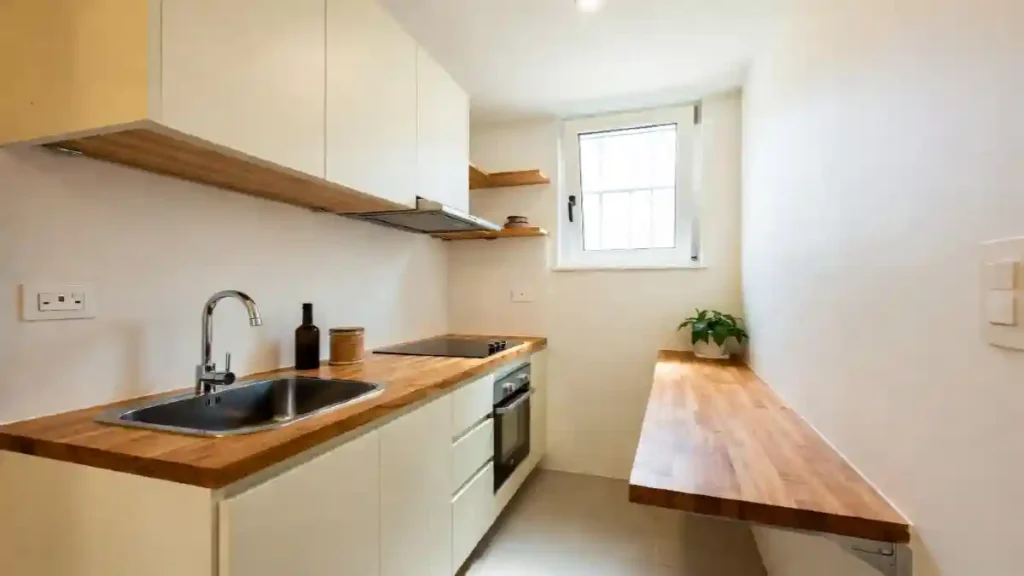
Galley kitchens often feel like restrictive tunnels, yet this design breathes freely by prioritizing floor space.
Bright white cabinetry anchors the wet zone on the left, but the real game-changer is the slim, wall-mounted wooden ledge on the right.
It provides a crucial overflow surface for groceries or morning coffee without the bulk of base cabinets, keeping the pathway wide and open.
- Installing a floating butcher block shelf creates a dedicated breakfast bar or cooling station that hugs the wall, effectively doubling the usable length of the room without encroaching on the walkway.
- Omitting lower cabinets on the secondary side preserves the floor width, ensuring that two people can pass each other comfortably without bumping hips during meal prep.
- Matching the wood tones on both the countertop and the floating shelf ties the two sides together visually, making the add-on feel intentional and cohesive rather than like an afterthought.
16. Maximizing Light with Window
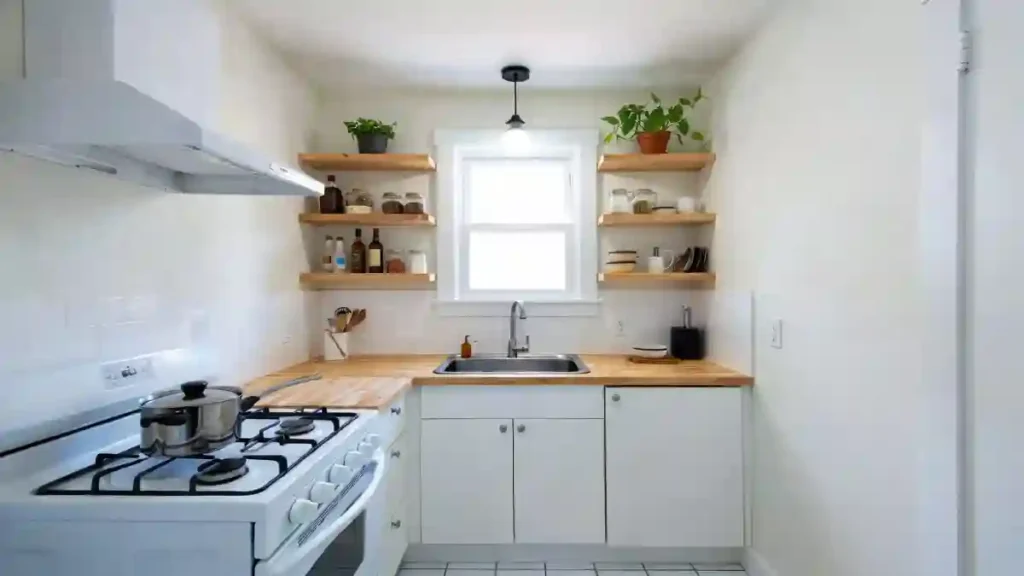
Natural light acts as a powerful visual expander in tight quarters, especially when heavy furniture is removed from the equation.
Skipping bulky upper cabinets in favor of floating warm wood shelves allows sunshine to flood the butcher block workspace, instantly making the room feel breathable.
Everyday ingredients and dishware reside on the walls rather than cluttering the counter, keeping the prep zone strictly for chopping and sautéing.
- Flanking the window with thick wooden shelves utilizes often-overlooked vertical wall space, turning storage into a decorative frame that highlights the view rather than blocking it.
- Perching greenery on the highest tiers draws the eye upward, creating an illusion of height that effectively distracts from the compact footprint of the floor.
- Reserving the countertop strictly for active cooking tasks ensures that the limited surface area functions like a professional kitchen station rather than a chaotic storage unit.
17. Streamlining Workflow in L-Shaped Layouts
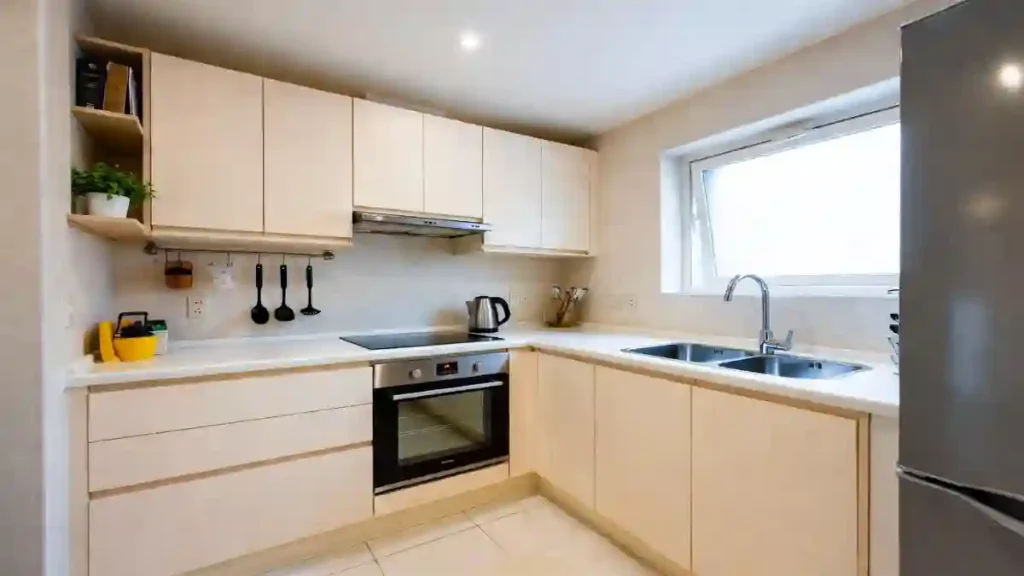
Neutral tones work wonders for making a room feel expansive, yet the real functional victory in this L-shaped kitchen comes from activating the backsplash.
Utensils hang suspended mid-air on a sleek metal rail rather than clogging up a drawer or taking up counter space in a crock, meaning the white surfaces remain pristine for food prep.
It is a subtle shift that turns a standard cooking zone into a highly efficient culinary cockpit.
- Mounting a simple stainless steel rod beneath the upper cabinetry keeps spatulas and ladles within arm’s reach of the stove, effectively eliminating the frantic search for tools when the pan starts to sizzle.
- Adding a small open corner shelf unit at the end of the cabinet run provides a perfect perch for cookbooks or plants, softening the hard edges of the joinery without stealing any functional cabinet space.
- Prioritizing deep, wide drawers below the oven allows for the storage of heavy baking dishes out of sight, ensuring the main workspace remains dedicated solely to chopping and mixing rather than storage.
18. Layered Storage for Active Cooks
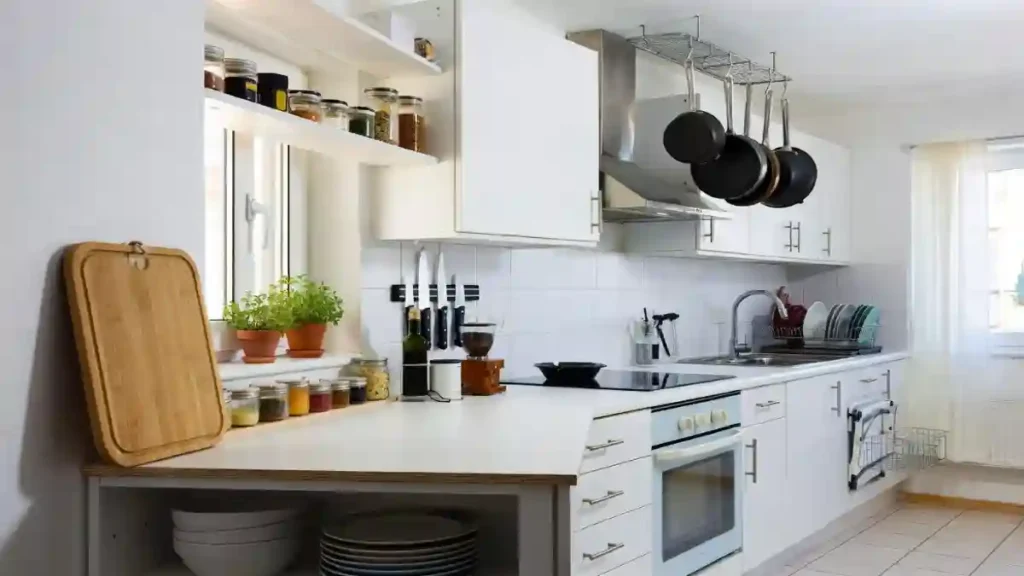
A white palette makes a small room feel boundless, but the real success here is the layered storage that keeps those pristine surfaces empty.
Instead of hiding everything away, the most-used tools—from heavy skillets to sharp knives—are suspended in the air.
It creates a workspace where everything is visible and ready for action, yet nothing is actually in the way of your chopping board.
- Hanging a heavy-duty pot rack directly above the work zone clears massive amounts of cabinet space, putting your cookware on display while keeping the drying rack and burners completely free.
- Running narrow shelves high across the window frame turns dead wall space into a sunlit spice pantry, ensuring that colorful jars double as decor without taking up a single square inch of counter.
- Utilizing the end of the peninsula for open shelving keeps stacks of daily dinnerware instantly accessible for setting the table, diverting foot traffic away from the busy cooking zone.
19. Streamlined Simplicity for Narrow Layouts
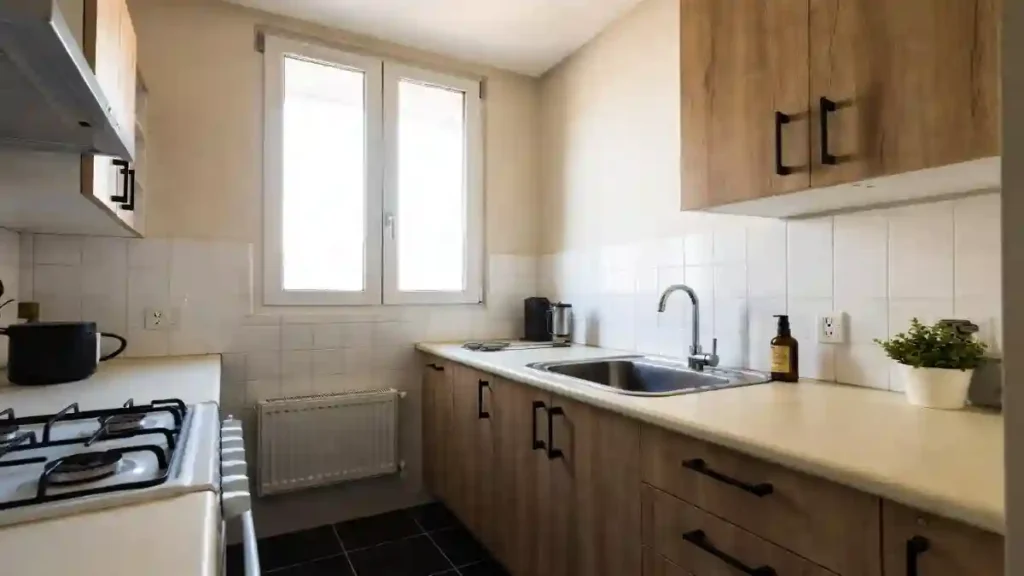
Corridor kitchens are notorious for feeling tight, yet this design masters the art of the galley by using visual weight to its advantage.
Grounding the room with warm wood lower cabinets while keeping the upper walls and tiles crisp white prevents the “tunnel effect” common in narrow spaces.
Strategic contrast ensures the room feels cozy rather than cramped while maintaining a highly functional work triangle that keeps traffic moving.
- Leaving the wall space around the window open allows natural light to bounce off the white tiles, making the narrow walkway feel significantly wider and more inviting than it actually is.
- Separating the stovetop and sink onto opposite walls creates distinct work zones, meaning two people can tackle dinner prep—one chopping, one cooking—without constantly bumping elbows.
- Utilizing deep lower drawers with easy-grip handles makes accessing heavy pots and pantry staples effortless, eliminating the need to crouch and dig into the dark back corners of standard cabinets.
19. Streamlined Cooking with Under-Cabinet Zones
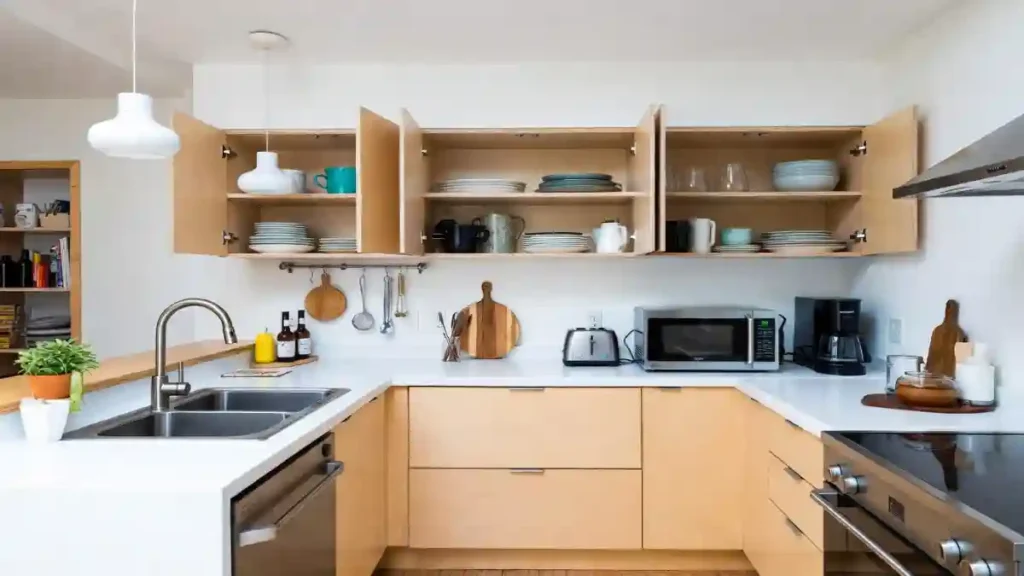
Light wood cabinetry brings a natural warmth to this U-shaped layout, preventing the stark white countertops from feeling clinical.
Smart zoning is the secret weapon here, with distinct areas for washing, prepping, and cooking that allow multiple tasks to happen simultaneously without a traffic jam.
Utilizing the backsplash for active storage keeps the most essential tools floating above the work surface, ensuring the counters remain a blank canvas for culinary creation.
- Installing a slender metal rail beneath the upper cabinets offers a perfect hanging spot for cutting boards and ladles, keeping them within arm’s reach while freeing up drawer space for less photogenic items.
- Placing the sink on the peninsula creates a social cleaning zone that looks out into the living area, allowing the cook to stay part of the conversation while scrubbing dishes instead of staring at a blank wall.
- Grouping small appliances like the toaster and coffee maker in a dedicated corner creates a streamlined “breakfast station,” preventing cords and gadgets from sprawling across the main prep territory.
21 Elevating Essentials for Clearer Surfaces

Serenity defines this workspace, where soft greige cabinetry meets crisp white tiles to create a calm visual anchor.
Clutter often dictates how a compact room feels, but here, strategic elevation changes the game entirely. By moving glass jars and daily cooking tools onto floating wood shelves and a sleek black rail, the white stone surfaces remain expansive and ready for meal prep.
It is a masterclass in using vertical wall space to create a sense of breathing room without sacrificing accessibility.
- Installing a high-contrast metal rail against the subway tile keeps spatulas and ladles suspended in mid-air, ensuring that drawer space is saved for less attractive gadgets while keeping tools instantly grab-able.
- Floating dual wooden shelves across the main wall transforms dry goods and daily ceramics into a curated gallery, forcing a tidy habit that keeps the countertop completely void of bulky canisters.
- Designating the deep corner strictly for the coffee ritual prevents appliance creep, allowing the rest of the L-shaped run to function as a dedicated, unobstructed chopping and mixing zone.