
Most longevity supplements are a waste of money. They are backed by social media hype, not solid science.
This makes finding anything that actually works for 2026 a nightmare. You’re left confused, and you just want to feel your best for as long as possible. That’s “healthspan.” This article cuts through the noise.
This isn’t a “miracle” list. It’s a practical guide to 13 specific compounds, categorized by how they fight aging. You will learn what they are, the proof behind them, and the doses used in real studies.
1. Vitamin D3 + K2
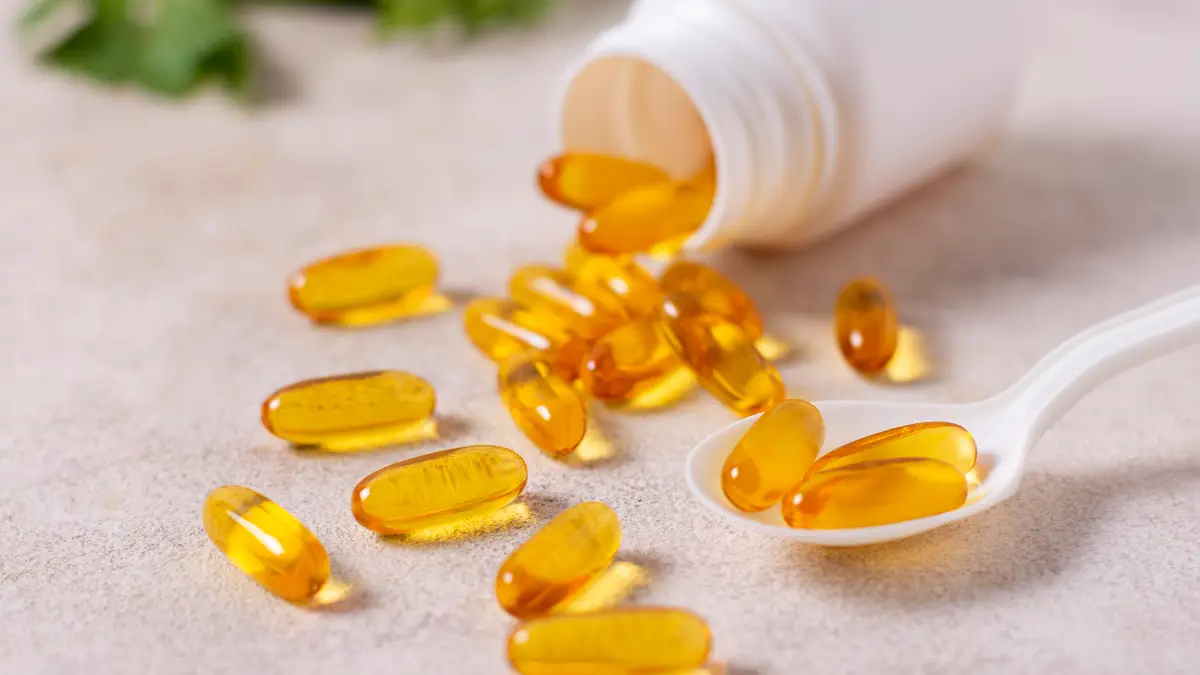
People think Vitamin D3 is just for bones. It’s not. It acts like a hormone in your body. It controls hundreds of genes. Many of these genes manage your immune system, inflammation, and how your cells grow. Vitamin K2 (as MK-7) works with D3.
Think of it as a traffic cop. It tells calcium where to go. It directs calcium into your bones and teeth and keeps it out of your arteries.
The best proof for D3 and aging comes from a large study called VITAL. This was a high-quality, long-term study. Harvard researchers reported that people who took 2,000 IU of D3 each day had slower telomere shortening.
Telomeres are the protective caps on your DNA. As they get shorter, you age. This was the first big study to show that Vitamin D supplements can help protect telomeres.
Actionable Dosage: The VITAL study used 2,000 IU/day of Vitamin D3. It’s best to combine this with 100–200 mcg of K2 (as MK-7) to help manage calcium.
2. Magnesium
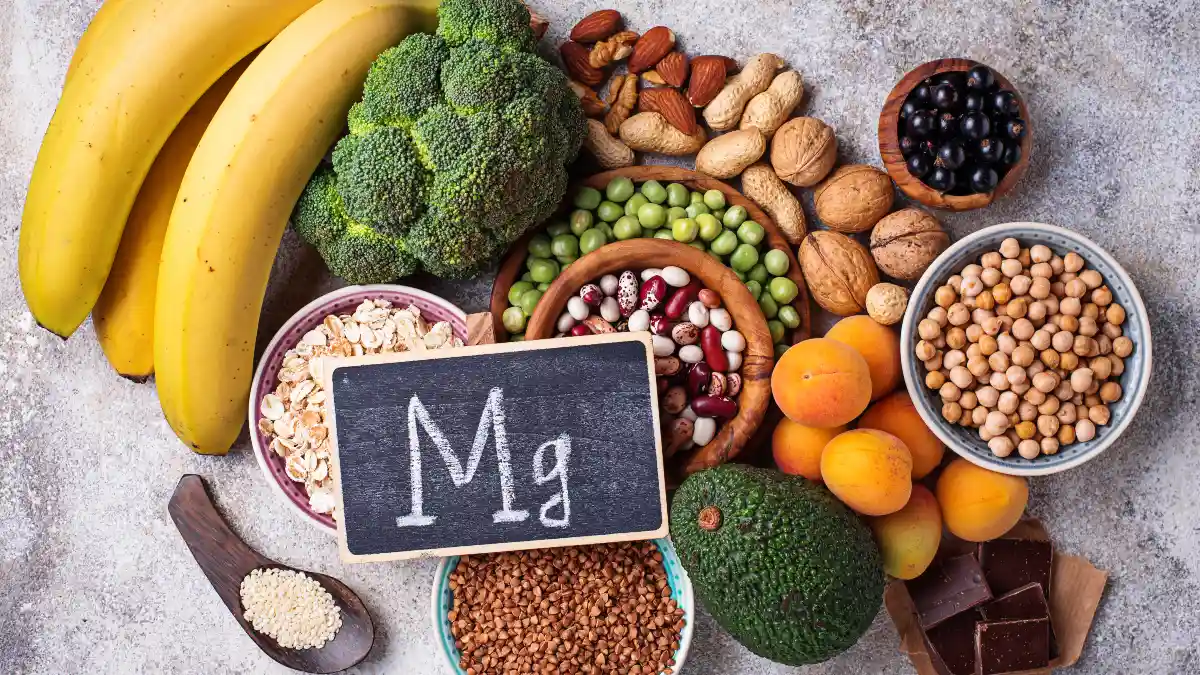
Magnesium is a mineral your body must have. It helps with over 300 jobs. These jobs are key to a long, healthy life.
They include DNA repair, keeping your nervous system calm, controlling blood pressure, and making $ATP$. $ATP$ is the main energy “money” for your body. Even though it’s so important, many people don’t get enough.
The proof that it helps you live longer is strong. A large 2016 review of studies looked at over one million people. It found something amazing. For every 100 mg more magnesium people got from their diet each day, their risk of death from any cause dropped by 10%.
It also lowered the risk of heart failure and stroke. This shows how powerful a magnesium-rich diet is. Supplements can help fill in the gaps.
400–500 mg/day of elemental magnesium. The type you take matters. Magnesium Glycinate is easy for your body to absorb and has a calming effect. This makes it great for taking at night.
Magnesium L-Threonate is a good choice for brain health because it can cross the blood-brain barrier.
3. Omega-3s (EPA & DHA)
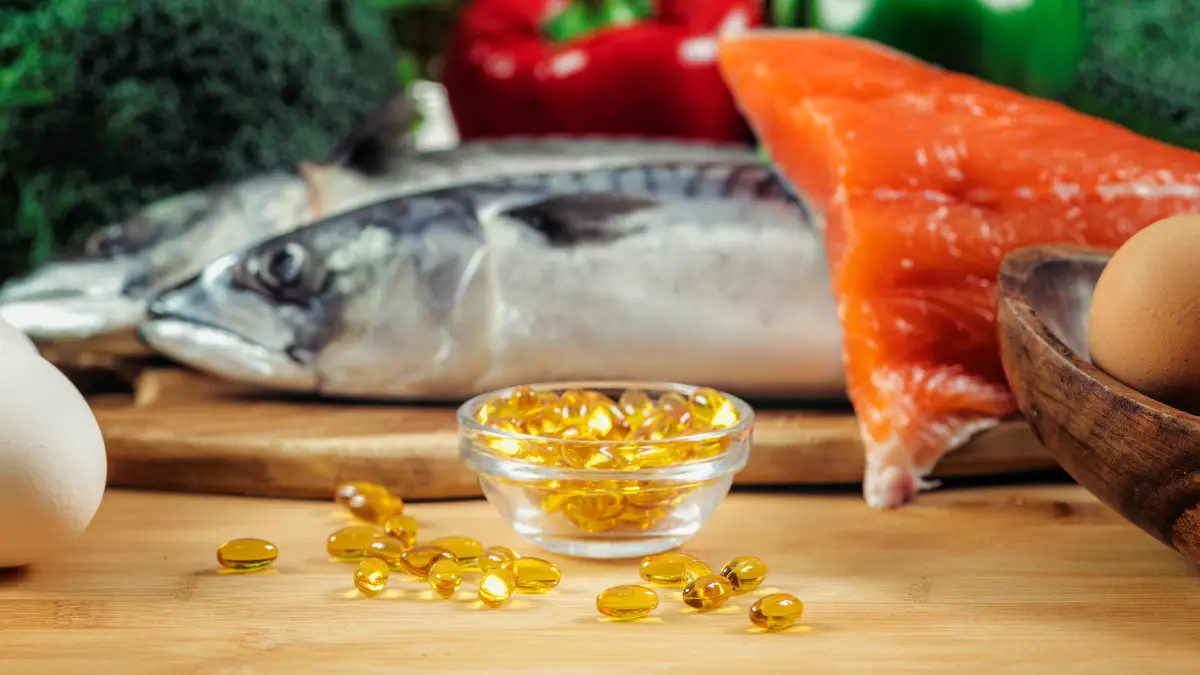
Omega-3s, especially EPA and DHA, are very important for staying healthy. They work by keeping your cell walls flexible, lowering triglycerides (a type of fat in your blood), and calming inflammation.
You may have heard mixed things about omega-3 studies. Here’s why that matters. New analysis shows that the type and dose are what count. Many studies that used low-dose, mixed EPA/DHA supplements failed to show they prevented heart problems.
But other studies were very positive. For example, the REDUCE-IT trial used a high-dose, EPA-only prescription. It found a big drop in major heart events.
For general health, experts like Dr. Peter Attia and Dr. Andrew Huberman often use a high total dose of 3–4 grams per day (for example, 2g EPA and 1.5g DHA).
3–4 grams per day total of EPA and DHA. You must read the back of the bottle to check the EPA and DHA amounts. Don’t just look at the total “fish oil” number on the front.
4. Coenzyme Q10 (CoQ10)
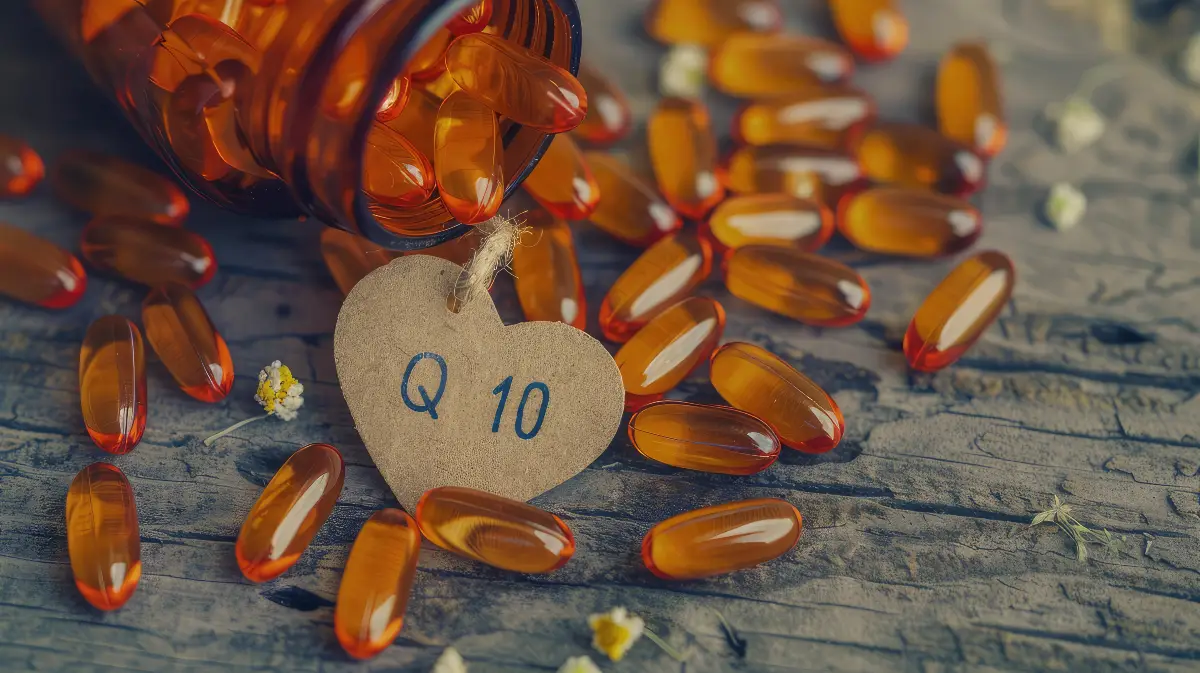
CoQ10 is a “vitamin-like” molecule that your body can’t live without. It’s a key part of the process that makes about 95% of your body’s energy, called $ATP$. Your CoQ10 levels naturally drop as you get older.
This is also a common side effect of statin drugs, which are used to lower cholesterol. Statins block the same path that makes both cholesterol and CoQ10.
A new 2025 review of 45 high-quality trials gave a clear answer on its heart benefits. The review found that CoQ10 supplements significantly lower systolic blood pressure.
An important detail from this study was that lower doses (under 200 mg/day) and longer use (over 8 weeks) worked best. Other reviews support taking 100–150 mg/day to fight oxidative stress.
100–200 mg/day. Look for the Ubiquinol form. This is the active, antioxidant form and is usually easier for your body to absorb than the more common ubiquinone form.
5. NAD+ Precursors (NMN & NR)
$NAD+$ is a vital molecule in every cell. It’s important for a long, healthy life in two ways. First, it’s needed for your mitochondria to make energy. Second, it’s “fuel” for sirtuins and PARPs.
Sirtuins are “longevity proteins” that control your metabolism. PARPs are enzymes that repair broken DNA. $NAD+$ levels are known to drop as you age, which is linked to faster aging.
NMN and NR are “precursors.” Your body can turn them into $NAD+$ and refill its empty stores. This idea is a key part of anti-aging protocols from experts like Dr. David Sinclair. Restoring $NAD+$ is a big trend in 2025 aging research.
Clinical studies often use 250–1,000 mg/day of NMN or 300–1,000 mg/day of NR.
6. Creatine

Creatine is one of the most-studied supplements ever. But it’s getting a new look. It’s famous for building muscle, but the big 2025 trend is “Creatine for your Brain.” Creatine’s main job is to create a fast-access energy bank for cells that need energy right now. This means your muscles and your brain.
As we get older, we face two big problems: muscle loss (sarcopenia) and a slower brain. Creatine helps with both.
This energy buffer has been shown to improve muscle strength. And a 2025 review of studies on older adults found a positive link between creatine and brain performance, especially for memory.
5 grams/day of Creatine Monohydrate. It’s safe, cheap, and it works. You don’t need a “loading phase” for these health benefits.
7. Urolithin A
Urolithin A is one of the most exciting new supplements for 2025. It’s a “postbiotic.” This means you don’t eat it directly. Instead, your gut bacteria make it after you eat foods like pomegranates or nuts. The catch? Many people don’t have the right gut bugs to make it.
Urolithin A has a unique power: it’s the only known compound proven in humans to turn on mitophagy. Mitophagy is the “quality control” process. While CoQ10 boosts energy, Urolithin A tells the cell to clear out and recycle old, broken mitochondria.
The proof is top-notch. The “MitoImmune” study, published in the Nature Aging journal in 2025, was a human trial. It found that 1,000 mg/day of Urolithin A rejuvenated the immune system in just 4 weeks. It did this by making T-cells healthier and lowering inflammation.
500 mg – 1,000 mg/day.
8. Spermidine
Spermidine is a natural compound found in foods like wheat germ and aged cheese. Your levels drop as you age.
Spermidine’s main job is to trigger autophagy. This is your body’s housekeeping process. It’s like a cellular recycling program. It breaks down damaged cell parts and misfolded proteins, turning them into new, usable bits.
Big studies show a link between eating more spermidine and living longer. A 2025 pilot study using 3.3 mg/day showed it improved key markers for this recycling process.
3–6 mg/day. This usually comes from a concentrated wheat germ or rice germ extract.
9. Fisetin
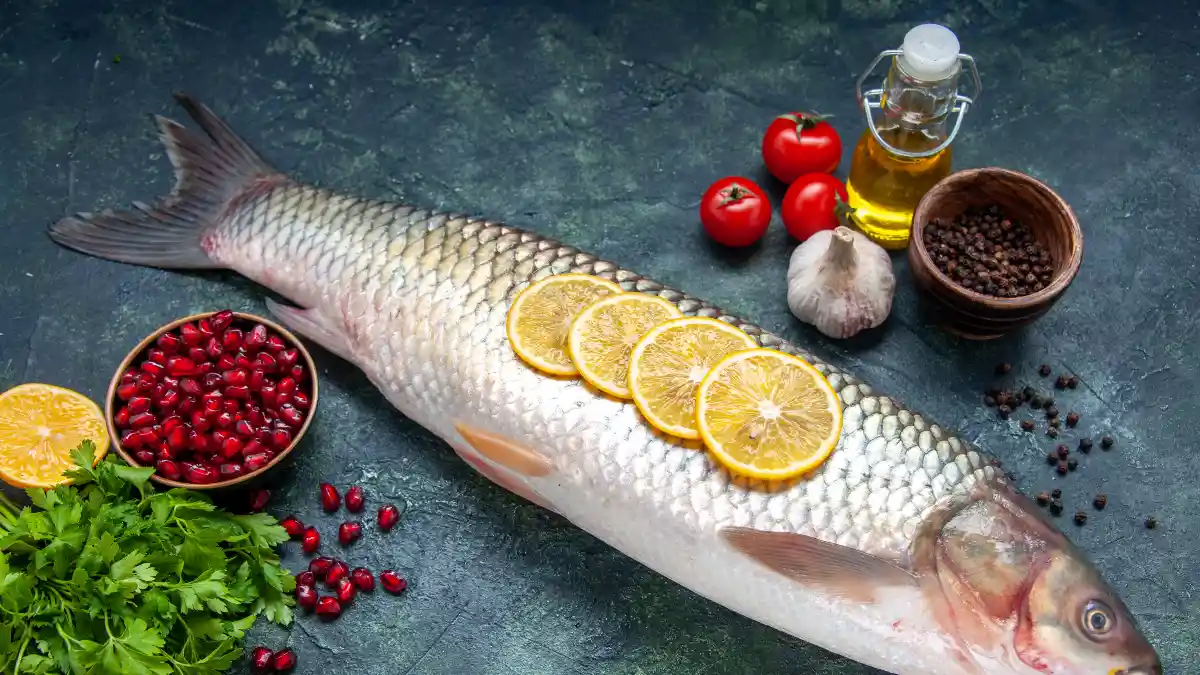
Fisetin is a natural ingredient found in small amounts in strawberries. It’s getting a lot of attention as a “senolytic.” This means it can help your body kill off senescent, or “zombie,” cells.
Zombie cells are old cells that stop dividing but refuse to die. They are dangerous because they leak a mix of inflammatory “junk” that damages the healthy cells around them. This drives “inflammaging.” Fisetin helps clear them out.
The most important 2025 insight for Fisetin is how you take it. This is not a daily supplement. The goal is to “hit” the zombie cells hard, then “run.” This is called “pulsed dosing.” You aren’t trying to stop inflammation every day. You are trying to clear out the source of the inflammation every once in a while.
This is an advanced plan. A “pulsed” dose is about 20 mg/kg (e.g., 1,500 mg for a 165lb person). You take this high dose once a day for 2–3 days in a row. Then you stop. You repeat this cycle once a month. You must talk to your doctor before trying this.
10. Quercetin
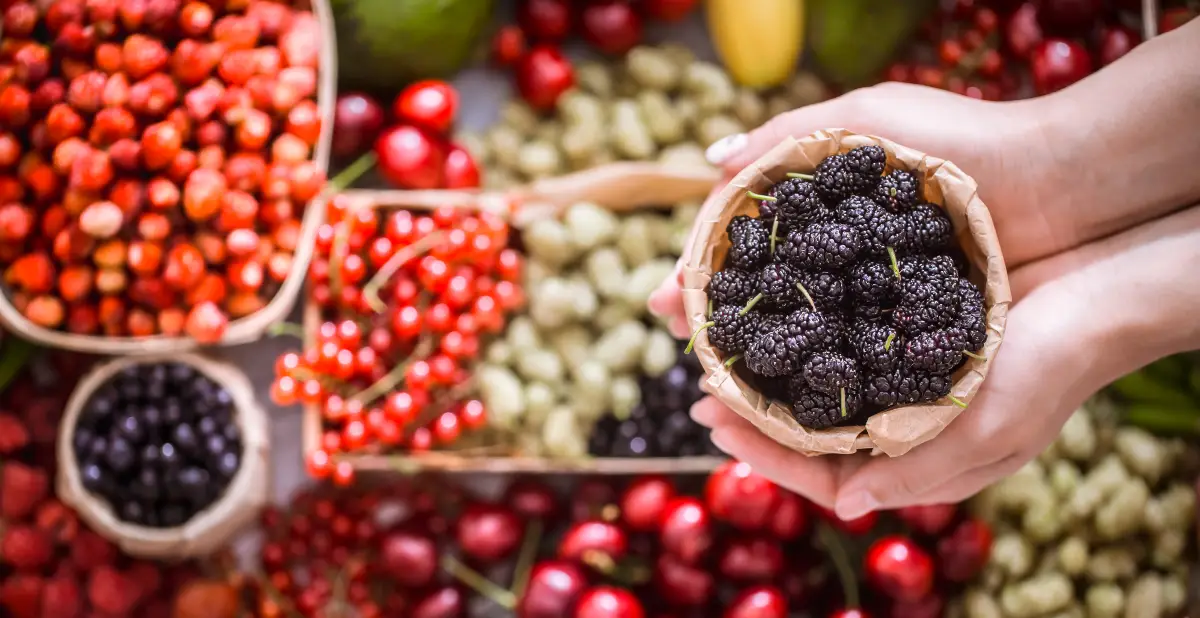
Quercetin is another natural flavonoid. Like fisetin, it’s a strong anti-inflammatory and antioxidant. It is also known to be a senolytic. It’s most famous for being used with the prescription drug Dasatinib (D+Q). This “D+Q” combo is used in human trials to clear out zombie cells.
Human trials for “D+Q” use a pulsed dose of 1,000–1,250 mg of quercetin for 2–3 days.
Quercetin gives you two choices:
- Daily Anti-inflammatory: 500 mg/day (look for a phytosome form that’s easy to absorb).
- Pulsed Senolytic: 1,000–1,250 mg/day for 2–3 days in a row, repeated monthly. This is often taken with Fisetin.
11. GlyNAC
You’ve probably heard of glutathione (GSH). It’s your body’s “master antioxidant.” But taking a glutathione pill doesn’t work very well. Your body doesn’t absorb it. The 2025 strategy is to take the building blocks instead. This lets your cells make their own GSH.
GlyNAC is a specific combo of Glycine and N-Acetylcysteine (NAC). A 2021 clinical trial in older adults gave amazing proof. It found that 24 weeks of GlyNAC reversed several key signs of aging at once.
It fixed the GSH shortage, lowered oxidative stress, improved mitochondrial function, and reduced inflammation. Best of all, it led to real-world improvements in brain function, muscle strength, and walking speed.
This is a high-dose supplement. Based on human trials, the dose is about 100 mg/kg/day of both glycine and NAC. For a 154lb (70kg) person, that’s about 7 grams of glycine and 7 grams of NAC per day.
12. Curcumin
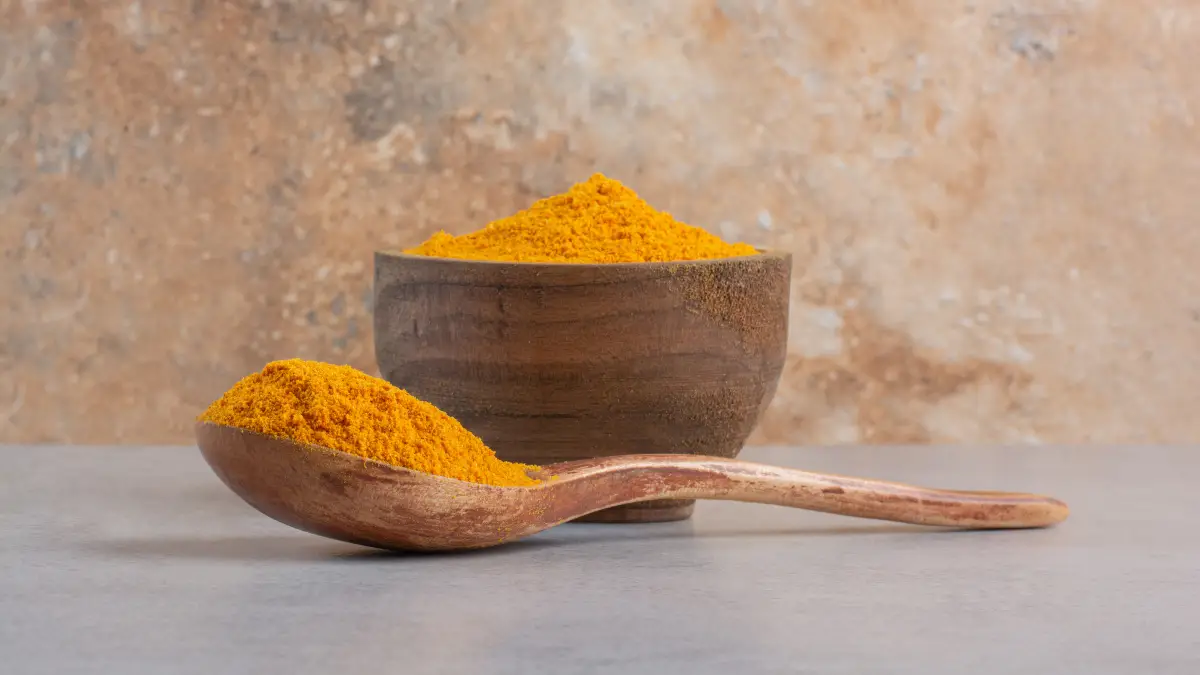
Curcumin is the active, yellow compound in the spice turmeric. It is one of the most powerful natural anti-inflammatories known. It works by blocking multiple inflammatory paths in the body.
A 2025 umbrella review of studies confirmed curcumin’s positive effects on lipid profiles, blood pressure, and inflammatory markers. But curcumin has one giant flaw: your body has a very hard time absorbing it. Swallowing plain turmeric powder does almost nothing for your body.
Actionable Dosage: 1,000–1,500 mg/day. This dose only works if you take a high-bioavailability form. Look for one that is combined with piperine (black pepper) or, even better, a liposomal or phytosome (e.g., Meriva, Theracurmin) version.
13. Resveratrol
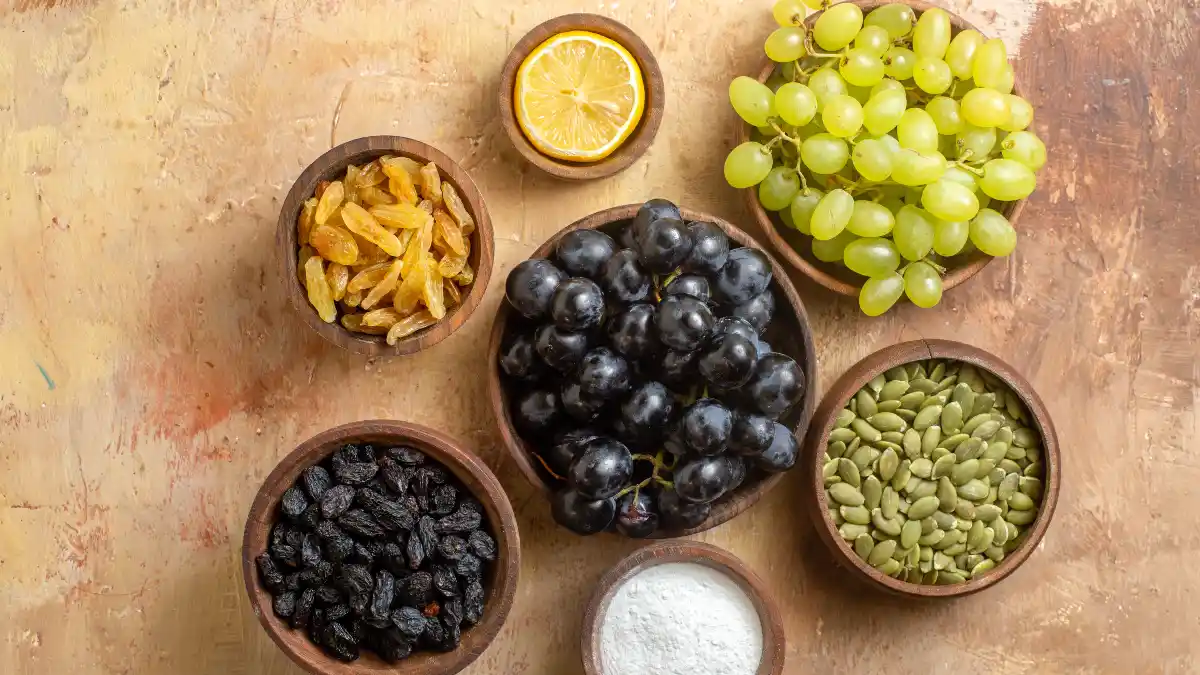
Resveratrol is the most famous longevity supplement. It’s found in grape skins. It got famous for potentially mimicking the effects of calorie restriction. Its main job is to activate SIRT1, a “longevity gene” that helps with DNA repair and metabolism. It’s a key part of Dr. David Sinclair’s protocol.
But here’s the honest truth for 2025: there’s a catch. The science is cool, but 2025-era reviews state that resveratrol is very hard for your body to absorb and use.
Actionable Dosage: 500–1,000 mg/day. To have any chance of working, it must be a micronized Trans-Resveratrol form. You should also take it with a high-fat meal to help your body absorb it.