

Harry spent 365 days, thousands of dollars, and countless finger pricks tracking every metric of his biology. The data revealed a shocking truth about what actually works.
The modern health optimization space is exhausting. You are told to take 40 supplements, plunge in ice water, and track 50 metrics. But nobody shows you the actual before and after lab data.
Here are the exact 6 interventions that mathematically improved his HRV, slashed his ApoB, and spiked his deep sleep. This is backed by 12 months of clinical tracking. These health tracking results will help you skip the fluff and focus on biohacking blood markers that actually matter.
1. Zone 2 Cardio Slashed ApoB and Resting Heart Rate

Nothing lowered resting heart rate faster than Zone 2 cardio. Not even meditation. Zone 2 training means working out at 65 to 75 percent of your maximum heart rate. This specific intensity improves mitochondrial efficiency. Your cells get much better at using fat for energy.
Harry saw his resting heart rate drop from 62 to 51 bpm after doing 45 minutes of Zone 2 cardio four times a week. This type of training has a direct link to lowering ApoB.
Dr. Peter Attia states your target for ApoB should stay under 60 mg/dL for optimal cardiovascular longevity. If you want true success with biohacking blood markers, start here.
2. Consistent Sleep Timing Beat Total Sleep Duration

Harry assumed more sleep was better. The data showed consistent sleep was better. Sleeping 8 hours randomly is worse than sleeping 7.5 hours on a strict schedule. Circadian alignment matches your body clock with the sun. This controls cortisol and melatonin release.
His Oura Ring data showed a 30 percent increase in deep sleep. He achieved this simply by anchoring wake and sleep times within a 30 minute window every day. A stable schedule fixes your sleep architecture.
Dr. Matthew Walker points out that regularity is key to getting the most out of your rest. You must optimize sleep cycles by going to bed at the exact same time.
3. Front Loading Carbohydrates Stabilized Blood Sugar
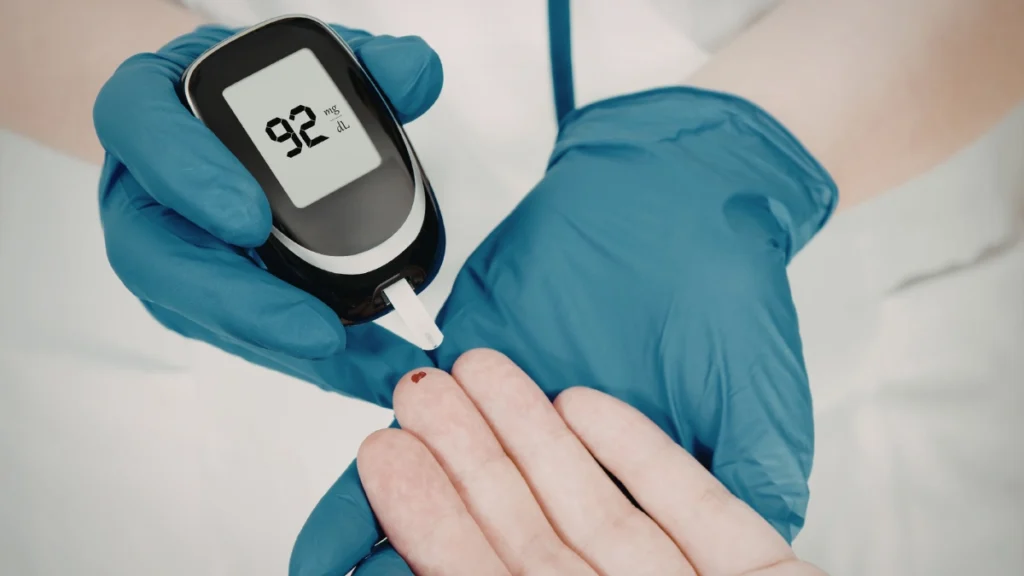
While the strict sleep schedule fixed his HRV, his afternoon energy still lagged. Then Harry looked at his glucose data. Using a Continuous Glucose Monitor changed everything.
Late night carbs destroyed overnight HRV and spiked resting glucose. On day 45, Harry ate a heavy pasta meal at 8 PM. His overnight HRV tanked by 15ms. Resting glucose spiked to 140 mg/dL and stayed high all night.
On day 46, he stopped eating carbs after 5 PM. He ate them post workout at 2 PM instead. Dr. Andrew Huberman notes that eating late keeps core body temperature high. This ruins deep sleep. This quantified self data proves carb timing matters.
4. A Strict 14 Hour Fasting Window Optimized Fasting Insulin
Harry moved away from extreme 72 hour fasts. They were too hard to maintain. A sustainable 14 hour daily fasting window from 6 PM to 8 AM worked much better.
This daily break helps your liver process fat and improves insulin sensitivity. You do not need to starve for days to get real results. By simply stopping all food at 6 PM, his fasting insulin dropped from 12 µIU/mL to 4.8 µIU/mL. The optimal range is under 5.
Tools to track fasting and insulin:
Metabolic Stack
Bio-Quantification Tools
Continuous Glucose Monitoring
Utilize the Dexcom G7 or FreeStyle Libre 3 for real-time, highly accurate glucose tracking to analyze immediate metabolic responses to food and stress.
Comprehensive Blood Panels
Leverage InsideTracker or Marek Health for complete, deep-dive blood panels to map your systemic biomarkers and identify underlying deficiencies.
Fasting Optimization
Use the Zero App for precision logging of your fasting times, aligning your feeding windows with optimal circadian rhythms and cellular repair cycles.
5. Strategic Magnesium Supplementation Replaced A 20 Pill Stack
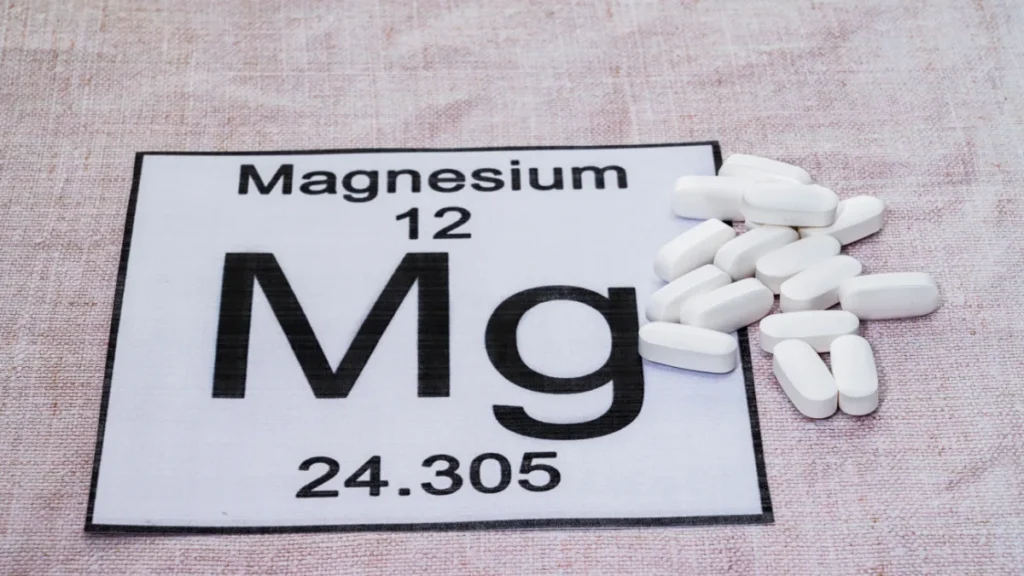
Eliminate the kitchen sink approach to supplements. Harry used to take 20 pills a day. Most did nothing.
Things that did not change his blood data:
- Extreme cold plunges.
- Expensive multivitamin stacks.
- Red light therapy panels.
He replaced them with strategic magnesium. Magnesium Threonate and Magnesium Glycinate cross the blood brain barrier. They calm the nervous system quickly. His sleep latency dropped from 25 minutes to 8 minutes. Stop wasting money on trendy pills and stick to proven biohacking blood markers.
6. Strength Training to Failure Preserved Lean Muscle Mass
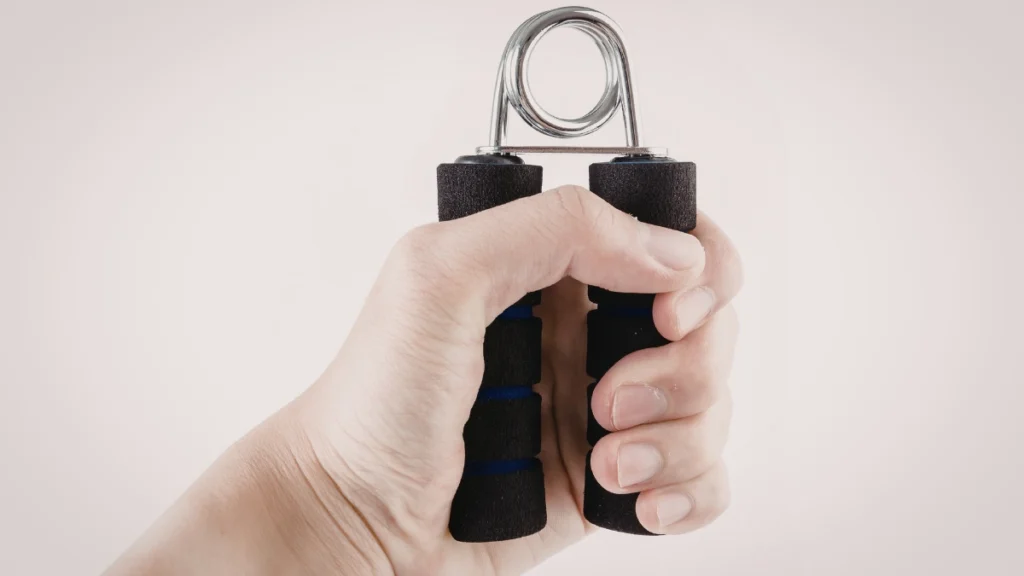
Tracking progressive overload is better than just working out. You have to lift heavy things until you cannot lift them anymore.
Grip strength and lean muscle mass are critical longevity markers. Dr. Andy Galpin points out the need for muscle biopsy data and strength training to failure to force true physical adaptation.
A DEXA scan showed a 2 lb increase in Harry’s lean muscle mass. It also showed improved bone mineral density. Good quantified self data requires tracking the weight on the bar.
| Intervention | Actionable Protocol | Target Metric | Result |
|---|---|---|---|
| Zone 2 Cardio | 45 minutes at 65-75% max HR, 4 times a week | Resting Heart Rate & ApoB | Dropped resting HR from 62 to 51 bpm |
| Consistent Sleep Timing | Keep bedtime and wake time within a 30 minute window daily | Deep Sleep Architecture | 30% increase in total deep sleep |
| Carb Front Loading | Eat heavy carbohydrates before 5 PM or right after a workout | Overnight Blood Glucose | Stopped 140 mg/dL late night sugar spikes |
| 14 Hour Fasting | Stop all food at 6 PM and wait to eat until 8 AM | Fasting Insulin | Dropped from 12 µIU/mL to 4.8 µIU/mL |
| Strategic Magnesium | Take Magnesium Threonate and Glycinate 1 hour before bed | Sleep Latency | Time to fall asleep dropped from 25 to 8 minutes |
| Strength Training | Lift heavy weights close to failure 3 times a week | Lean Muscle Mass & BMD | Gained 2 lbs of lean muscle |