
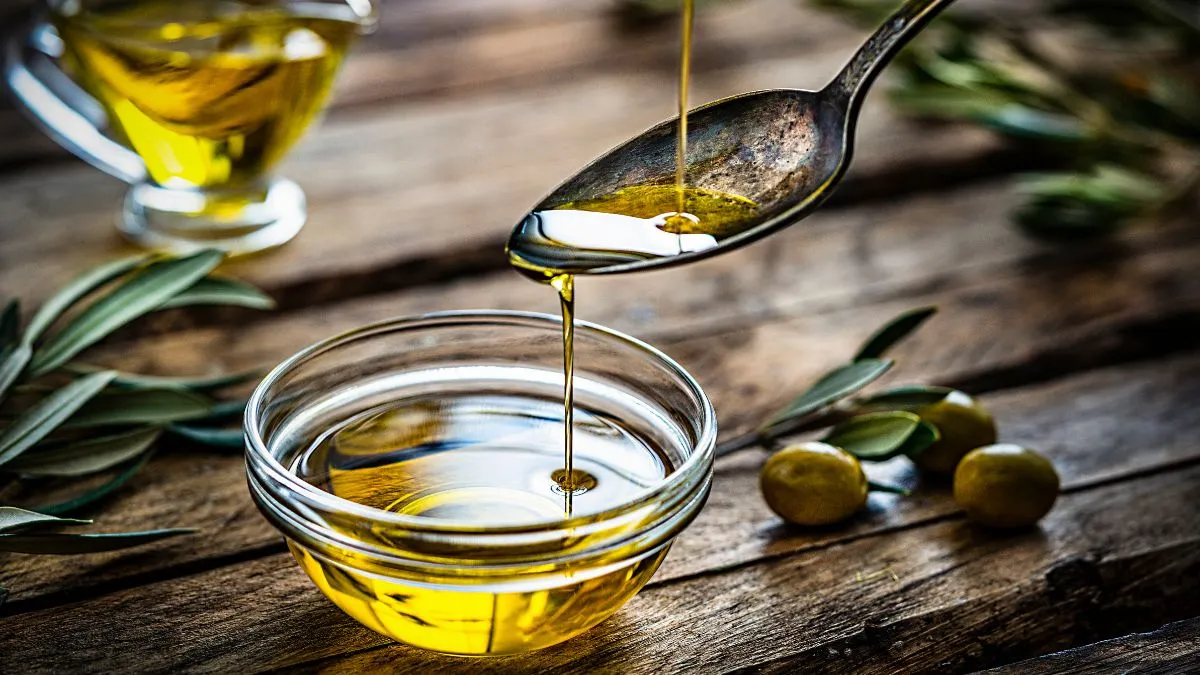
You bought that expensive bottle of olive oil to protect your heart, but you might be pouring cheap, factory processed chemicals over your salad. Grocery store shelves are packed with bottles labeled “pure” or “light” olive oil.
You think you are making a healthy choice for your family. But companies secretly cut many of these oils with bad additions that completely cancel out the health benefits you want.
This common deception is exactly how you end up buying fake extra virgin olive oil. You pay top dollar for what is basically junk food in a fancy glass bottle.
We will uncover the main hidden ingredients in olive oil that nutritionists actively dodge. You will learn exactly which labels lie to you. We will also cover the simple, fast rules to ensure your oil is genuine.
The “Healthy” Oil Imposter: Refined Seed Oils
Go to your kitchen right now and grab your current bottle of olive oil. Look closely at the fine print on the back label. If the bottle says “Light” or “Pure”, you are not getting what you paid for. These terms actually mean the oil is heavily refined.
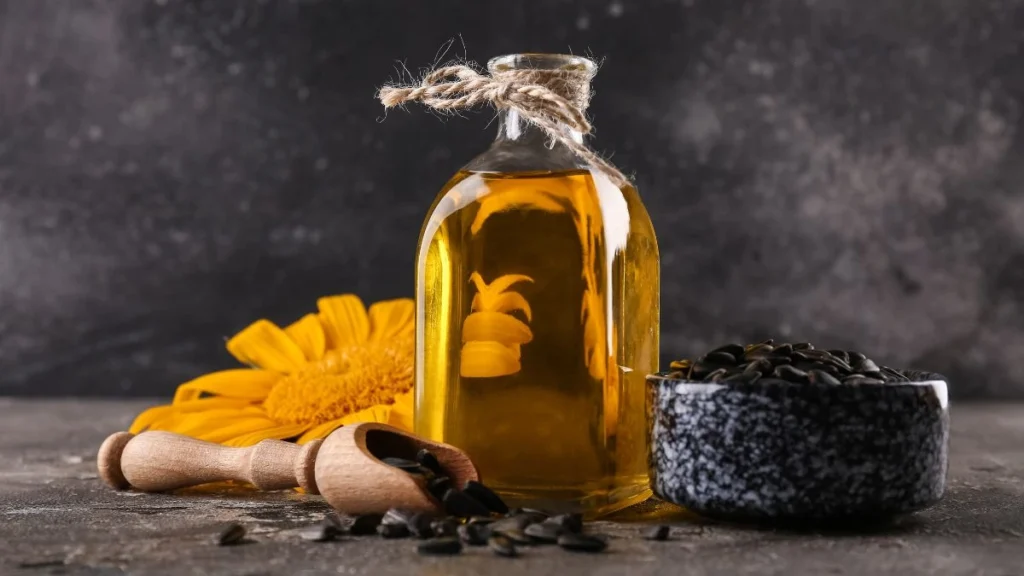
These misleading labels hide a dirty industry secret. Companies cut low quality olive oil with cheap, highly processed seed oils like canola, sunflower, or soybean oil.
They use these cheap liquids to stretch their product. This creates a cheap olive oil seed oil blend that saves them money. But it costs you your health.
The European Food Information Council notes that factories use a chemical solvent called hexane to extract these cheap filler oils from seeds.
It means your healthy cooking oils might contain traces of harsh industrial chemicals. Food fraud is so common today.
Researchers in 2026 are using advanced diagnostic tech just to catch olive oils cut with as little as 1 percent cheap seed oil. Big brands know how to hide these fillers from basic tests. But the extraction process is not the only thing harming your body.
Why Your Body Hates This Hidden Additive
Heating up unstable, omega 6 heavy oils causes serious damage inside your body. Cheap filler oils oxidize rapidly under heat and light. This creates a massive problem for your cells.
The modern Western diet already has a dangerously high ratio of omega 6 to omega 3 fatty acids. Adding more seed oils just causes more inflammation and cellular damage.
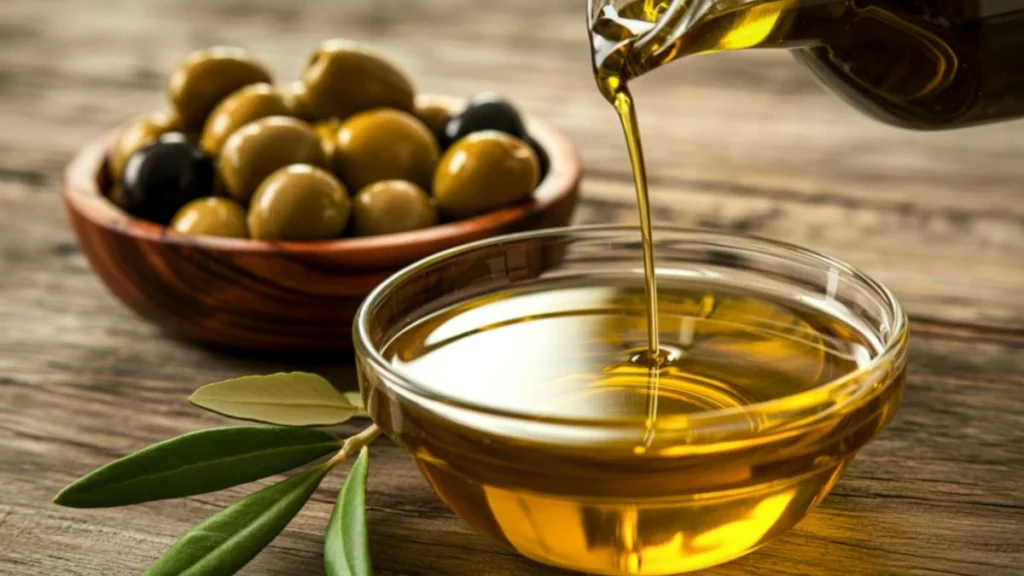
Real olive oil contains stable monounsaturated fats and powerful antioxidants called polyphenols. High quality EVOO has a high smoke point of up to 410 degrees Fahrenheit.
It remains completely stable during cooking because those polyphenols protect the fat structure.
Registered dietitians explain that polyphenols like oleocanthal and hydroxytyrosol matter much more than just a smoke point for cooking. These specific compounds fight disease and keep your heart strong.
But cheap seed oil fillers break down into toxic lipid peroxides when you heat them in a pan. This rapid breakdown completely ruins the famous Mediterranean diet effect.
You are eating the hidden ingredients in olive oil instead of getting healthy. Buying cheap, fake olive oil is a total waste of your money.
The Clear Plastic Bottle Red Flag
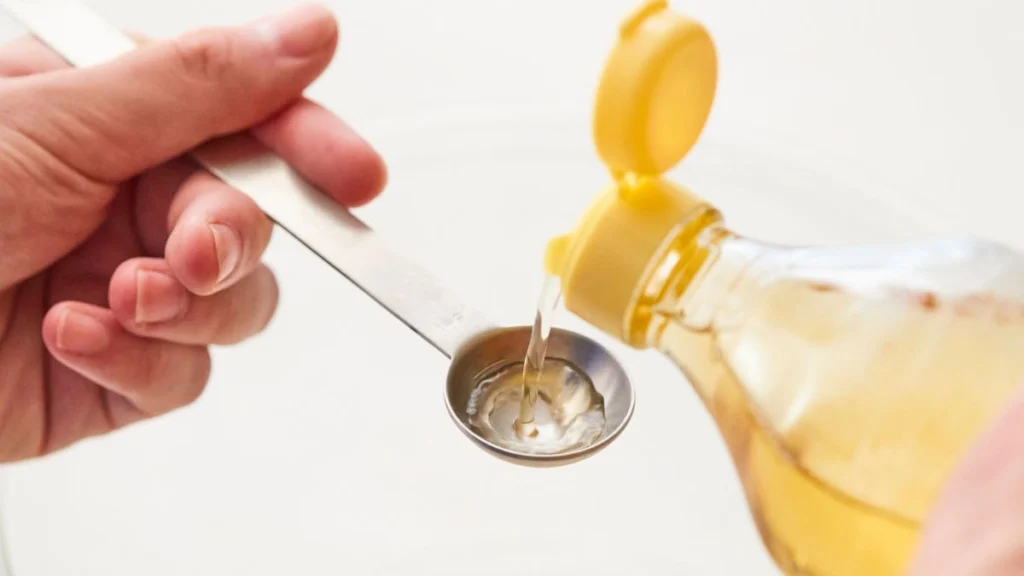
Even if the oil was pure at the factory, the bottle might have ruined it by the time it hits the shelf. Light, oxygen, and heat are a deadly trio for olive oil. They destroy the healthy compounds before you even open the cap at home.
The UC Davis Olive Center has done extensive research on oil storage and oxidation. Their data shows that plastic reduces olive oil shelf life to a mere 3 to 6 months.
Plastic packaging also strips away the important antioxidants very quickly. The light easily passes through the clear bottle and degrades the fragile fat molecules.
When you buy oil in clear plastic bottles, you are likely taking home oxidized, rancid oil. Dark glass protects those same essential nutrients for 12 to 18 months. Metal tins also block out the light and keep the oil fresh.
You want to buy healthy cooking oils, not rancid fat that causes inflammation. You might think you are getting a deal, but you are really buying fake extra virgin olive oil. Here is a hard rule to follow. If it sits in clear plastic, leave it on the shelf.
How to Spot the Real Deal at the Grocery Store
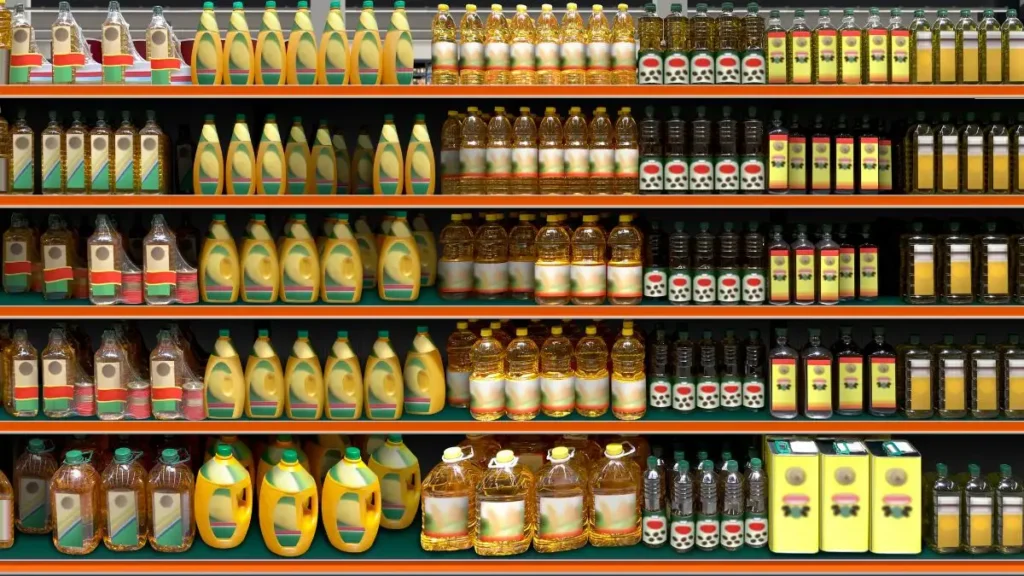
It is very easy to buy the right stuff once you know the rules. You just need a simple visual checklist when you walk down the aisle. You can spot the fakes in a few seconds.
First, compare a premium, single origin Moroccan or Spanish EVOO with a generic grocery store blend. The real bottle tells you exactly where the olives grew.
You must avoid vague terms like “packaged in” or “blend of multiple countries.” Those phrases mean the company mixed old oils together.
Here is your ultimate buying checklist:
The Liquid Gold Standard
Sourcing Premium Olive Oil
Harvest Date Verification
Look for a specific harvest date. Do not just look for an expiration date, as freshness dictates the oil’s flavor and health benefits.
Protective Packaging
Demand dark glass or tin packaging. Never buy oil in clear plastic bottles, as light and oxygen rapidly degrade the oil’s quality.
Single Origin Provenance
Check for a single country of origin. The very best oils come from one specific estate or farm, rather than a blend of multiple countries.
When you finally buy high quality EVOO, you will notice a huge difference in taste. A peppery burn in your throat when you taste the oil is the ultimate flex. That burn is the antioxidant oleocanthal doing its job, not a defect in the product.
Do not settle for fake extra virgin olive oil that tastes completely neutral. Good oil should always taste alive, fresh, and slightly bitter.
Stop Relying on the Fake Fridge Test
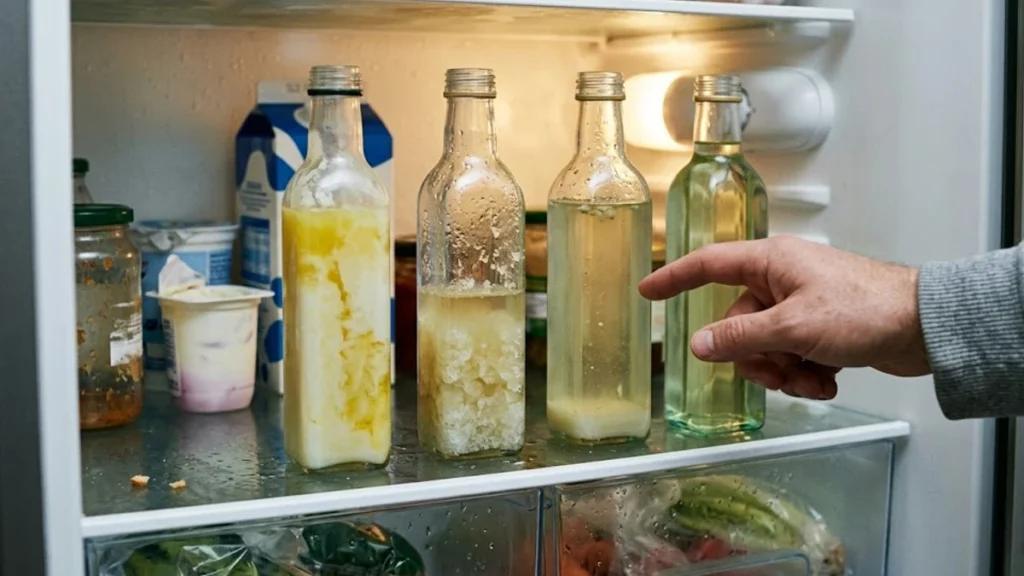
Have you heard the old advice to put your olive oil in the refrigerator? Many people think real olive oil always turns solid in the cold. You might have tried this trick at home to test your latest purchase.
This popular test is completely fake and gives you bad information. Some cheap seed oils also get cloudy when they get cold.
And some perfectly pure extra virgin olive oils stay liquid depending on the exact type of olive the farmer used. The temperature test proves absolutely nothing about the hidden ingredients in olive oil.
Do not trust this internet myth to protect your family. The only real way to check your oil is by reading the label and looking at the bottle. Stick to checking the harvest date and the dark glass packaging.
Here is a quick cheat sheet to help you compare what you have in your kitchen right now:
| Feature | Fake Olive Oil Blend | Real Extra Virgin Olive Oil |
| Packaging | Clear plastic bottle | Dark glass or metal tin |
| Label Words | Light, Pure, Packaged in | Single origin, Harvest date |
| Taste Profile | Completely neutral | Fresh, bitter, peppery burn |
| True Ingredients | Cheap seed oils, chemical solvents | Mechanically crushed olives |
| Health Impact | Causes cellular inflammation | Protects your heart and brain |