
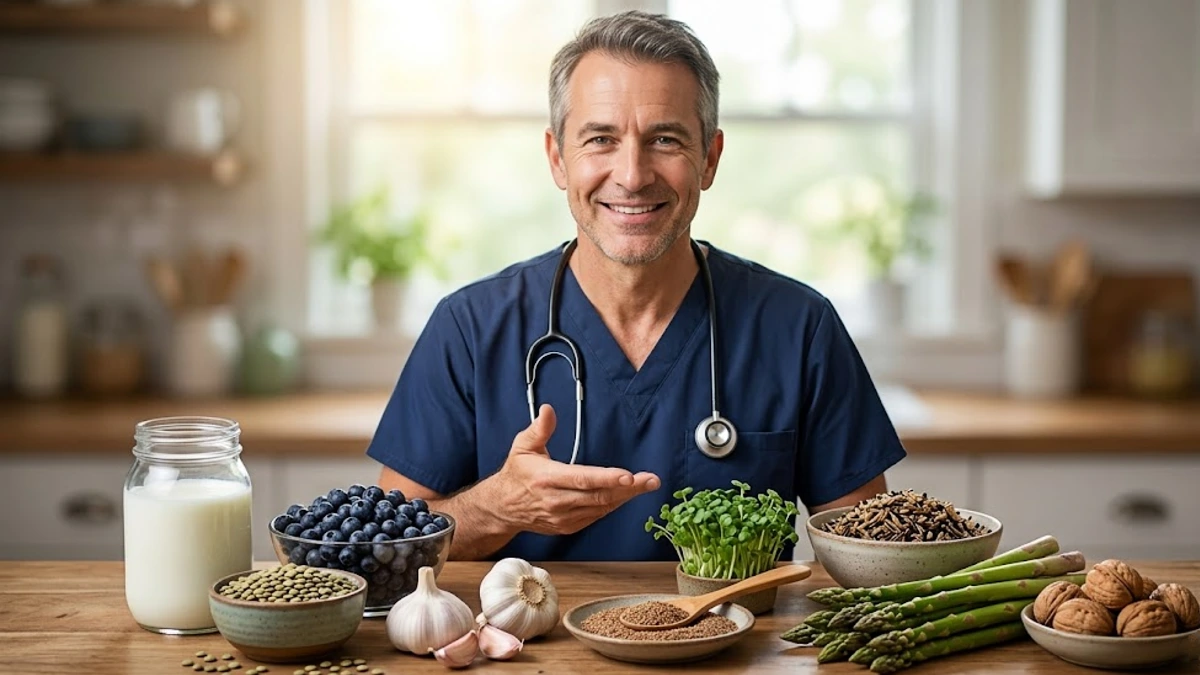
The secret to living a vibrant, active life into your 80s and 90s is not found in a medicine cabinet. It is thriving right now in your microbiome.
As people get older, their gut microbial diversity naturally drops. This drop causes body wide inflammation. It slows down digestion. It also increases your risk of chronic disease.
Thomas is a gastroenterologist who sees this daily. He knows that aging is a natural process. But an aging gut is largely preventable through the right diet. You will discover the exact 9 foods Thomas eats every single week. He eats these specific foods to protect gut from aging.
Why Your Gut Microbiome is the Key to Longevity
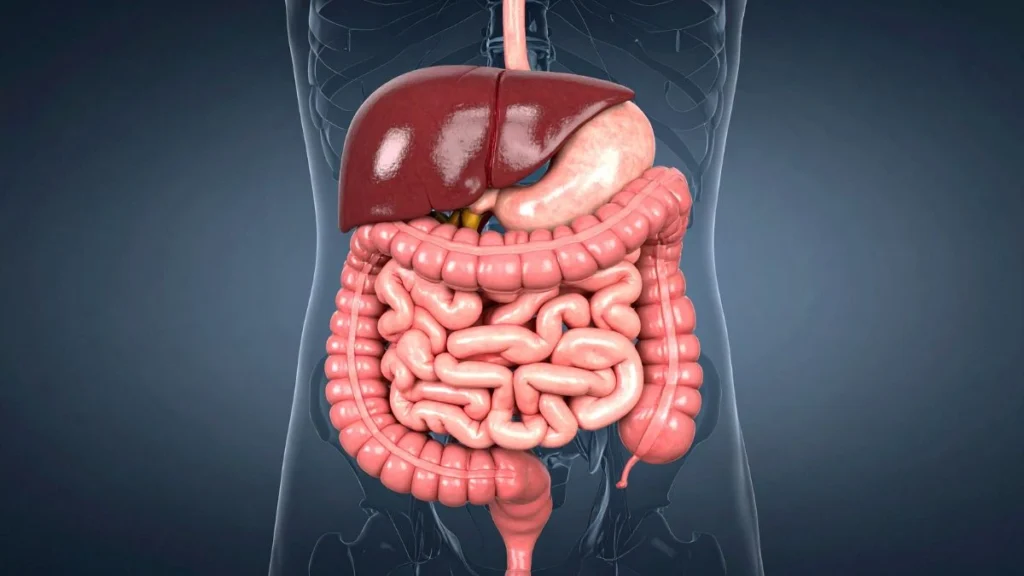
Dr. Purna Kashyap at the Mayo Clinic notes that the gut acts as a main road to the heart and the brain. The gut brain connection is very real. When your gut bacteria get out of balance, you experience dysbiosis.
It means bad bacteria outnumber the good bacteria. This age related imbalance speeds up skin aging. It causes severe fatigue. It even leads to cognitive decline. Thomas advises his patients to eat the best foods for gut health to fix this.
A healthy gut microbiome supports longevity microbes like Akkermansia. These specific bacteria help maintain your gut barrier as you age. They stop harmful toxins from leaking into your blood.
Thomas works as an anti aging diet gastroenterologist. He tells his patients that feeding these good microbes is the ultimate health trick. Think of your gut as a garden. You need the right seeds and fertilizer to keep it blooming for decades.
1. Kefir: The Daily Fermented Defense
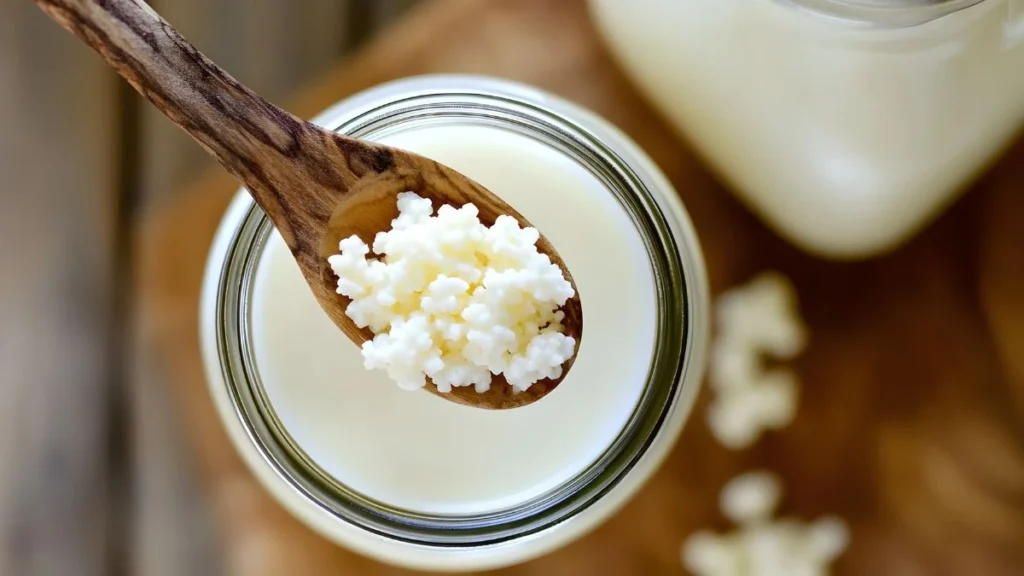
If there is one food category aging digestion desperately needs, it is fermented dairy. Daily fermented food is required for aging guts. Thomas drinks kefir every day. Kefir has many more strains of bacteria than standard yogurt.
It actively reduces body wide inflammatory markers. Consuming meaningful servings of fermented foods daily increases microbial diversity. This works much better than eating them just once in a while.
Thomas reminds people to eat the best foods for gut health consistently. You need live foods. You do not need dead processed foods like pasteurized sauerkraut in cans. You need refrigerated, raw items to get real benefits.
Probiotic Gut Health
Daily Kefir Integration
Doctor Tip: Morning Routine
Drink a small glass of plain kefir with your breakfast to introduce beneficial live cultures to your gut early in the day.
Smoothie Enhancement
Add a splash of kefir to your morning smoothie for a creamy texture and an effortless probiotic boost.
Creamy Dressings
Use kefir as a base to create rich, tangy, and gut-friendly creamy salad dressings instead of heavy mayonnaise or sour cream.
2. Wild Blueberries: The Polyphenol Powerhouse
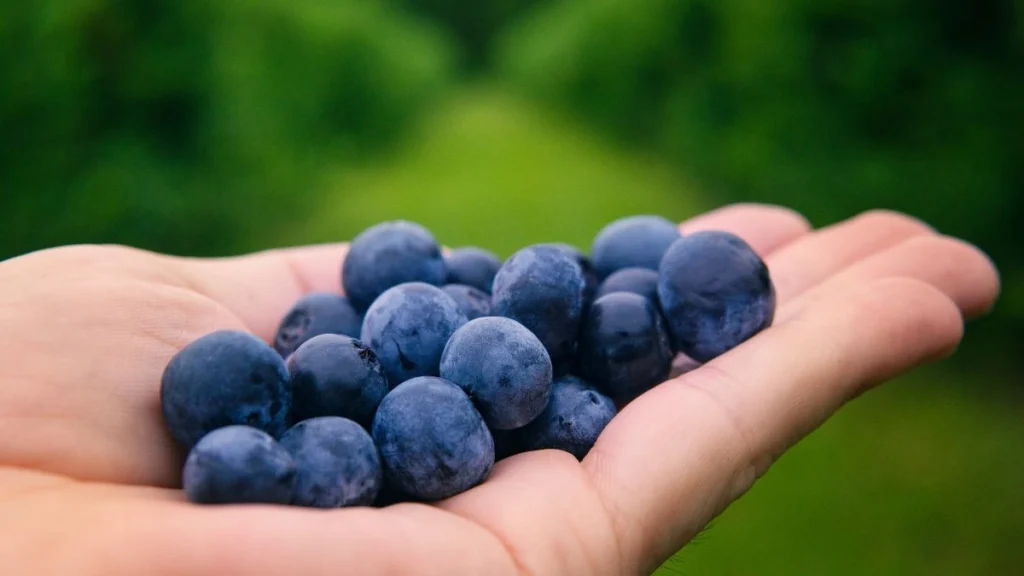
While kefir introduces new bacteria, those bacteria will starve without proper fuel. That is where wild blueberries help. Polyphenols act as both antioxidants and fuel for specific gut bacteria.
Wild blueberries have a massive concentration of these helpful compounds. They combat oxidative stress. This stress actively ages your gut tissue. Thomas focuses on these specific foods to protect gut from aging.
Frozen wild berries are just as nutritious as fresh ones. They are also much more budget friendly. You can keep them in your freezer for months.
- Doctor Tip: Buy large bags of frozen wild blueberries to save money.
- Add a handful to your oatmeal every morning.
- Blend them into a quick afternoon snack.
3. Lentils: The High Fiber Foundation
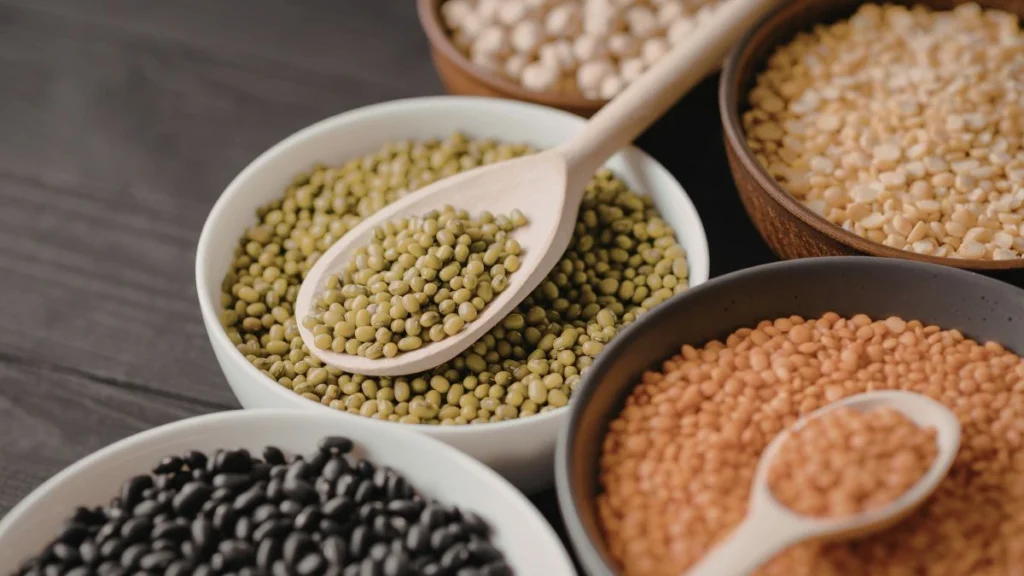
Good bacteria need steady food. Aging guts need consistent fiber to maintain smooth bowel movements. Lentils provide a perfect ratio of soluble fiber and plant protein. They help feed beneficial bacteria.
They do this without spiking your blood sugar. Older adults should aim for 21 to 30 grams of fiber daily. Thomas knows that lentils make it incredibly easy to hit this target.
Slowing motility in older age means every bite must be packed with nutrients. This is especially true for patients on weight loss medications like Ozempic who eat less overall. Lentils ensure great gut microbiome longevity.
- Doctor Tip: Use lentils as a meat replacement in pasta sauce.
- Cook a big batch of red lentils for easy weekly lunches.
- Toss black beluga lentils into your favorite green salad.
4. Raw Garlic: The Prebiotic Primer
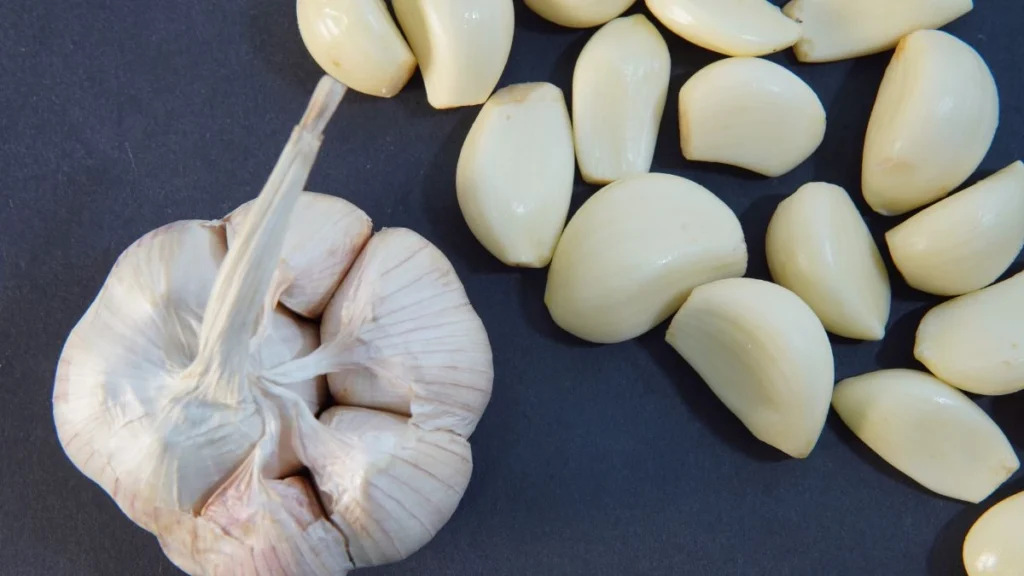
Prebiotics act like fertilizer for your gut garden. Good bacteria need this fuel to survive. Garlic is an allium vegetable rich in a prebiotic called inulin.
Raw garlic also contains allicin. Allicin is a powerful compound for heart and gut health. Thomas considers this one of the best foods for gut health. You need to prepare it correctly to get the benefits.
- Doctor Tip: Chop your garlic and let it sit for 10 minutes before eating or cooking.
- This resting period maximizes the allicin development.
- Mix raw minced garlic into olive oil for a simple dressing.
5. Ground Flaxseed: The Omega 3 Engine
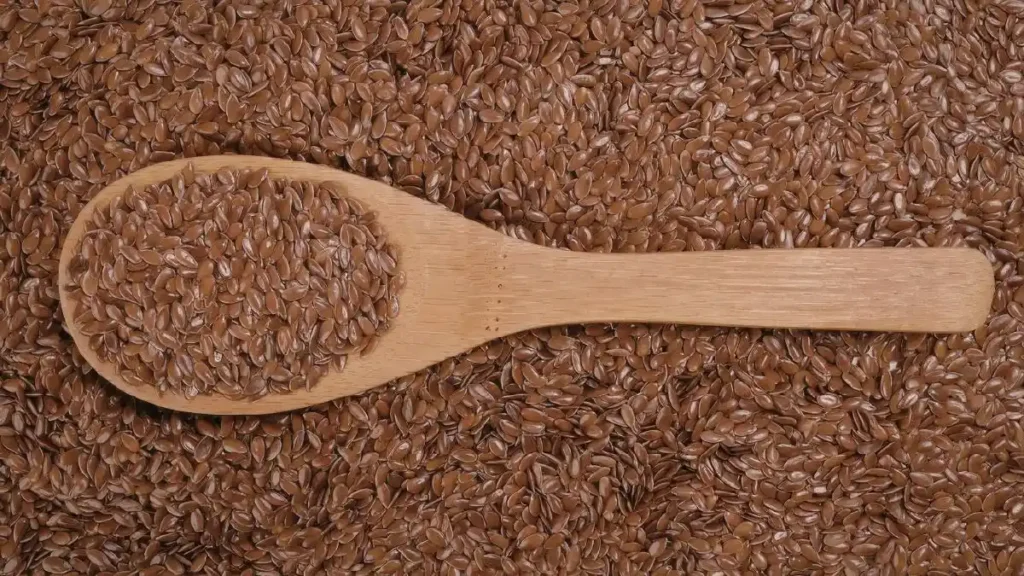
Garlic feeds the bacteria, but your gut lining needs physical protection too. Ground flaxseed is essential for reducing gut inflammation. It provides a gel forming fiber called mucilage. This gel coats and protects the aging digestive tract lining.
The seeds must be ground for your body to absorb the nutrients. Thomas is an anti aging diet gastroenterologist who eats this weekly. Ground flaxseed serves a dual role. It provides omega 3 fatty acids. It also serves as a strong prebiotic.
- Doctor Tip: Grind your flaxseeds fresh at home.
- Store them in the fridge to preserve the fragile oils.
- Sprinkle a tablespoon over your yogurt or cereal.
6. Broccoli Sprouts: The Cellular Protector
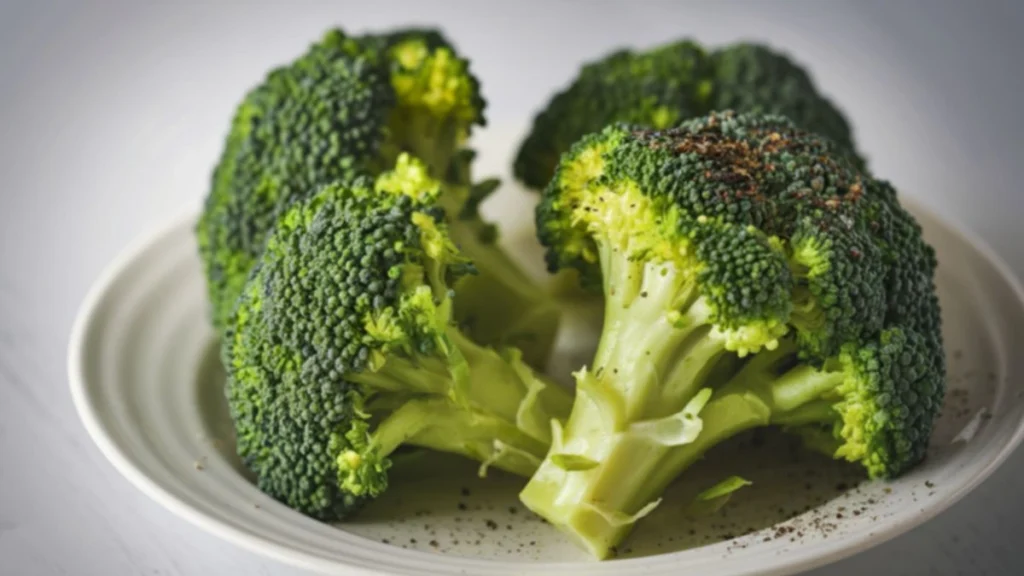
Protecting the gut lining is important. Repairing it is just as crucial. Broccoli sprouts are packed with sulforaphane. This compound supports your liver. It also actively repairs the cellular lining of your intestinal wall. This prevents leaky gut as you get older.
Dr. Will Bulsiewicz created the F GOALS framework for eating. The S in that framework stands for sulforaphane rich vegetables. Broccoli sprouts are 10 to 100 times more potent than mature broccoli.
Thomas loves these foods to protect gut from aging. They help repair cellular damage caused by years of wear and tear.
Microgreen Vitality
Daily Sulforaphane Boost
Doctor Tip: Countertop Garden
Grow your own broccoli sprouts in a simple glass jar right on your kitchen counter for a continuous supply of fresh, living nutrients.
Textural Enhancement
Add a generous handful directly to your sandwiches or wraps to instantly provide a refreshing, spicy crunch.
Seamless Integration
If you prefer to hide the flavor, blend a small amount effortlessly into a strong tasting, fruit-heavy morning smoothie.
7. Wild Rice: The Ancient Gut Fuel
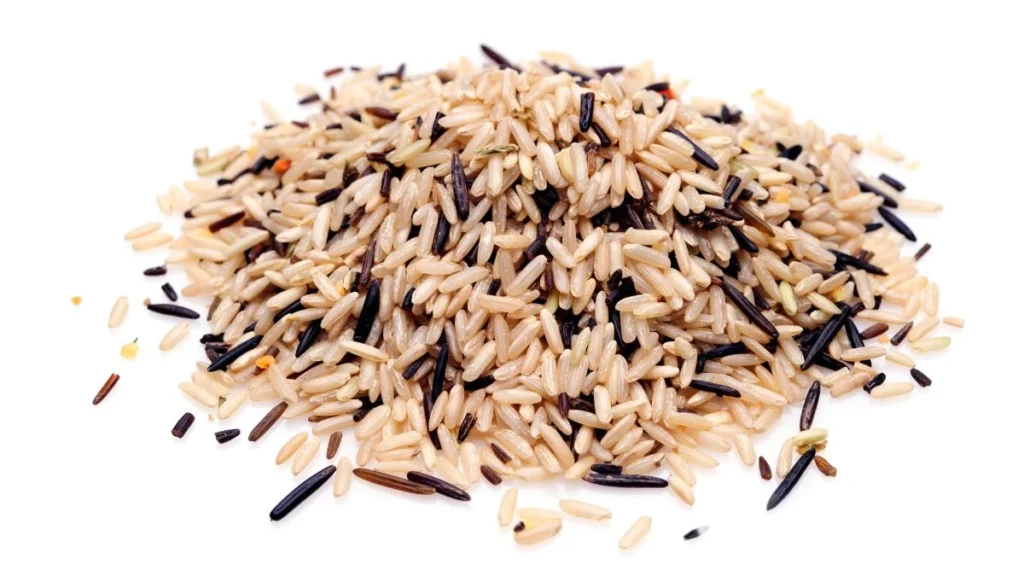
Varying your food sources is a golden rule. Diversifying your grains is crucial for a healthy stomach. Wild rice provides different fiber structures than oats or wheat. It feeds completely different populations of microbes.
Dr. Bulsiewicz promotes the rule of eating 30 different plants a week. People who eat 30 or more different plant foods per week have significantly more diverse microbiomes.
They do much better than those who eat fewer than 10. Wild rice counts as a unique plant source. Thomas uses this grain for optimal gut microbiome longevity.
- Doctor Tip: Keep a plant diversity tally on your fridge to track your weekly intake.
- Cook wild rice with bone broth for extra nutrients.
- Mix wild rice with standard brown rice to adjust to the texture.
8. Asparagus: The Inulin Source
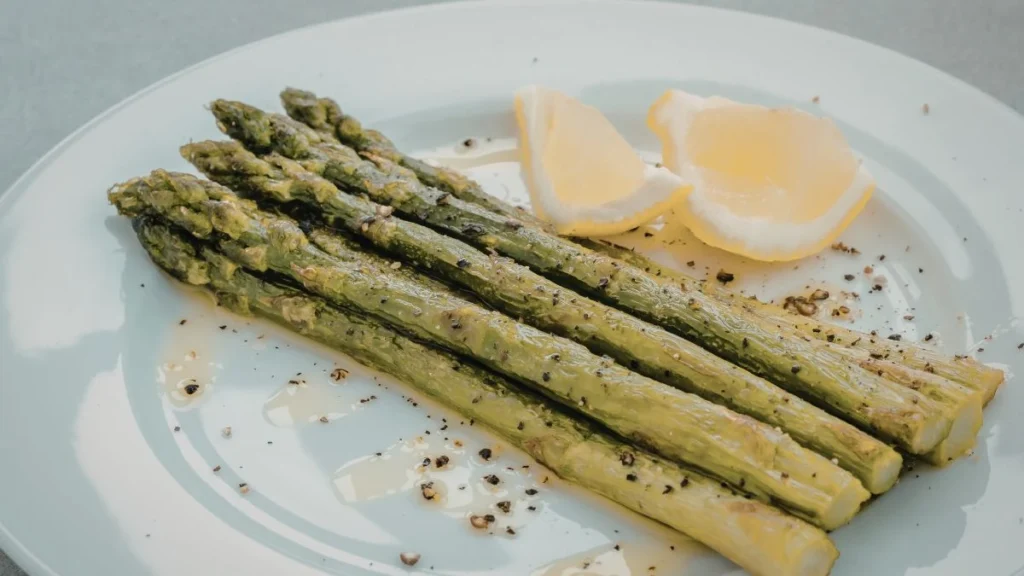
Wild rice gives you bulk. Asparagus gives you targeted prebiotic power. Asparagus is very high in B vitamins and antioxidants. It works as a potent prebiotic fiber. It contains high amounts of inulin. This feeds specific good bacteria called bifidobacteria.
Asparagus also acts as a natural diuretic. This helps reduce age related bloating. Thomas recommends it as one of the best foods for gut health.
Dr. Bashar Almadani points out that diet influences gut microbiota composition for healthy aging. Eating the right vegetables makes a big difference.
- Doctor Tip: Eat asparagus raw or very lightly blanched for maximum prebiotic effects.
- Shave raw asparagus stalks into thin ribbons for a fresh salad.
- Dip lightly steamed asparagus spears into hummus.
9. Walnuts: The Brain Gut Link
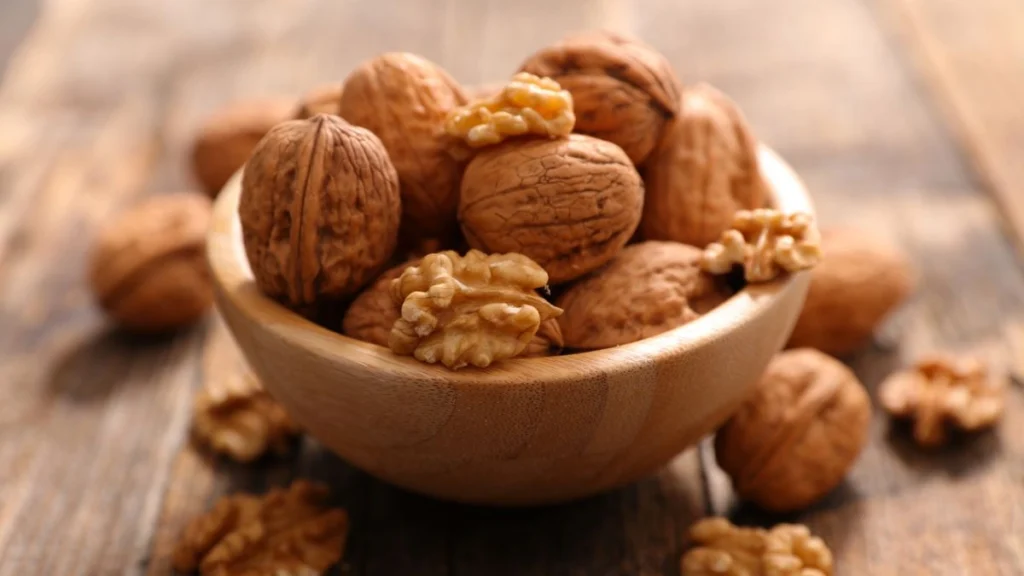
Your gut health affects your brain health. Nut consumption is heavily linked to a longer life. Walnuts specifically support the connection between your brain and your gut.
Recent data shows a strong link between the oral and gut microbiome and cognitive performance in older adults. Walnuts are rich in polyphenols and healthy fats. These fats reduce mucosal inflammation in the stomach.
Thomas finishes his daily meals with these foods to protect gut from aging. They are the perfect snack for your mind and your digestion.
- Doctor Tip: Eat a small handful of raw walnuts every afternoon.
- Crush walnuts and use them to crust baked fish.
- Toss them into your morning bowl of oatmeal for extra crunch.