
You exercise, eat well, and brush twice a day. But you might be quietly sabotaging your health for eight hours every night without realizing it.
If you frequently wake up with a “sandpaper mouth,” morning headaches, or unexplained fatigue, you might be one of the millions of adults over 50 who sleep with their mouths open.
Your body is simply trying to adapt to a blocked airway. However, this unconscious habit creates major problems.
We are breaking down the systemic chain reaction this habit triggers. We will look at everything from your teeth to your heart. The negative effects of mouth breathing impact almost every major organ.
1. Your Cardiovascular System Works Overtime
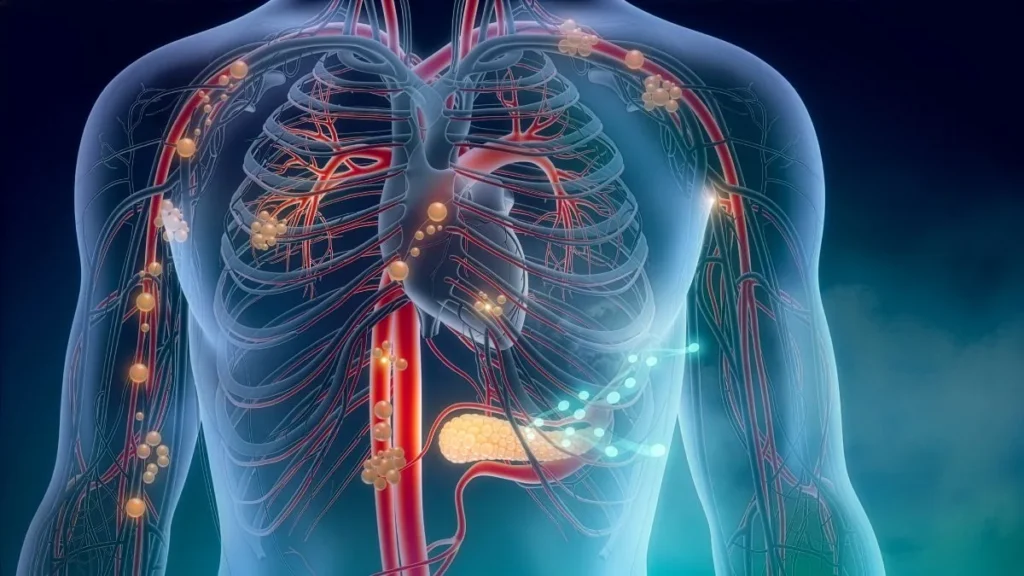
Do you wake up feeling like you ran a marathon? Bypassing your nose reduces oxygen efficiency. Your body experiences sudden drops in blood oxygen levels while you sleep.
This puts your brain in rescue mode. It triggers a stress response that spikes your nighttime blood pressure.
Think about it this way:
- Your heart must pump much harder.
- You face chronic chest strain.
- Your risk for Hypertension and arrhythmias goes up.
Taking the load off your heart starts with clearing your airway. Ignoring the negative effects of mouth breathing forces your cardiovascular system to age much faster.
2. You Miss Out on Crucial Nitric Oxide Production
Your nasal passages are chemical factories. They produce a vital molecule called Nitric Oxide when you breathe in. This gas helps your blood vessels relax and widen.
Sleeping with an open mouth bypasses this production completely. The mouth breathing effects on adults include missing out on this vital gas. Without it, your body works much harder just to circulate blood.
- Blood vessels stay restricted.
- Organs get less oxygen.
- Circulation suffers greatly.
Breathing through your nose acts as a natural blood pressure regulator.
3. Tooth Enamel Dissolves Rapidly
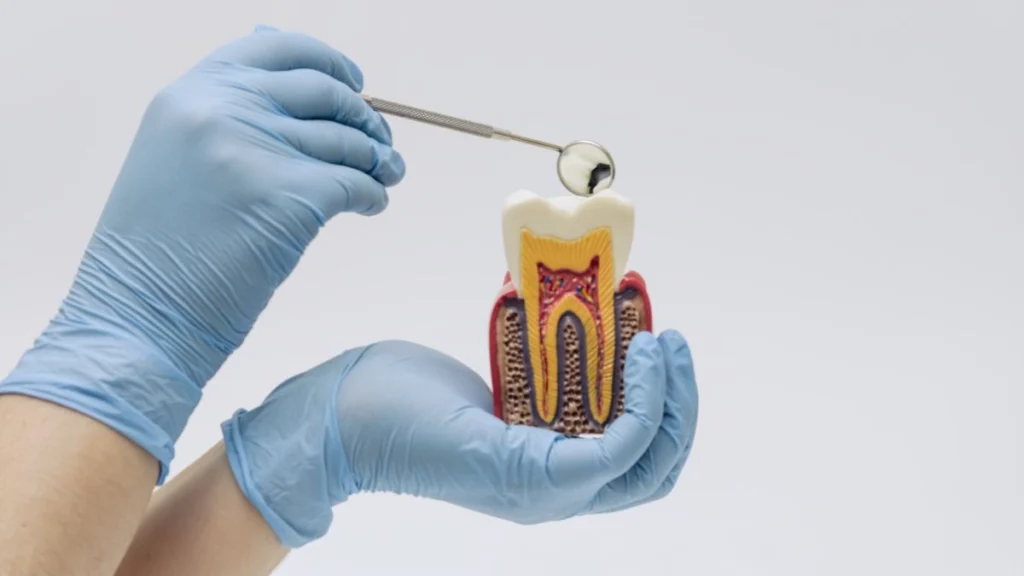
If you constantly need water at 3 AM, your teeth are in danger. Saliva is your mouth natural defense against acid. Sleeping with an open mouth dries out your saliva completely.
Without it, your oral environment becomes highly acidic. The 2026 dental standard states that once your mouth hits a pH 5.5, tooth enamel begins to actively dissolve.
But here is the real issue:
- Your teeth lose vital minerals rapidly.
- Cavity risk skyrockets overnight.
- Dental work fails faster.
Keeping your mouth closed protects your smile better than extra brushing. The negative effects of mouth breathing will ruin expensive dental crowns and fillings.
4. Blood Sugar Control Becomes Harder (The Diabetes Link)

A dry mouth speeds up severe gum disease. This condition is called Periodontitis. Gum disease creates severe systemic inflammation throughout your body.
For adults over 50, this inflammation actively fights insulin regulation. It creates a dangerous cycle that makes hitting blood sugar targets incredibly difficult. Because your gums are inflamed, a secondary problem quickly emerges.
- Blood sugar spikes more often.
- Insulin resistance increases.
- Healing slows down dramatically.
One of the most serious mouth breathing effects on adults is losing control over your blood sugar.
5. Your Immune System Skips Vital Updates
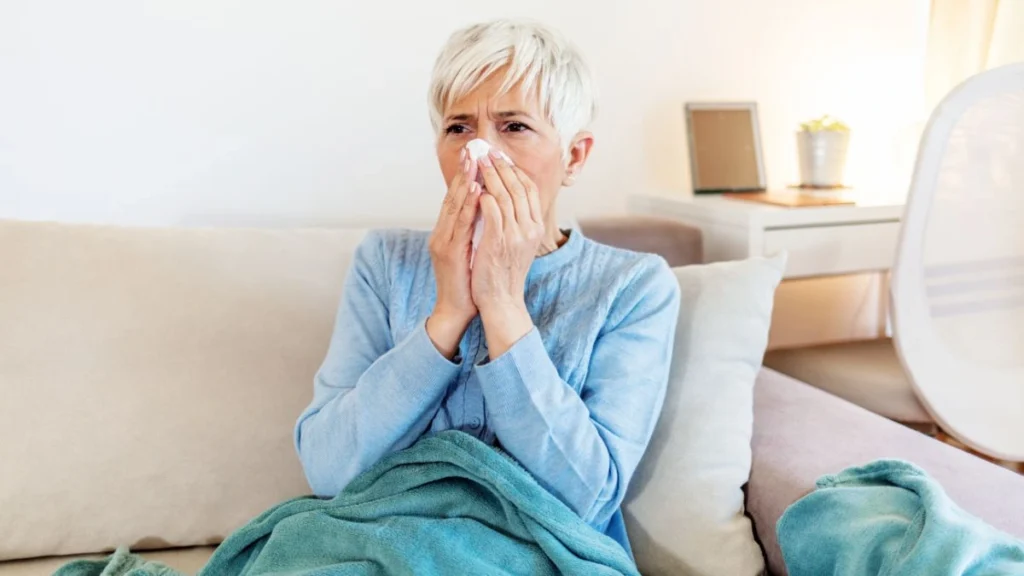
You catch colds easier when you sleep poorly. Deep sleep is when your immune system performs a process called immunological memory consolidation. This deep phase is called Slow Wave Sleep.
It creates a temporary pro inflammatory environment to teach cells how to fight germs. But sleeping with an open mouth disrupts this deep sleep phase completely. Immune cells fail to circulate properly.
- You become more prone to illness.
- Low grade inflammation persists.
- Recovery takes much longer.
One of the hidden negative effects of mouth breathing is a weakened defense system.
6. It Acts as a Catalyst for Sleep Apnea (OSA)

Does your partner complain about your loud snoring? Breathing raw air irritates and dries out the tissues in your throat. These tissues become highly inflamed and floppy over time.
This leads directly to airway collapse. It turns standard snoring into Obstructive Sleep Apnea.
And here is why that matters:
- You stop breathing multiple times an hour.
- Oxygen levels crash dangerously low.
- Heart strain reaches critical levels.
The connection between mouth breathing and sleep apnea is a major warning sign you should never ignore.
7. Your Brain Suffers from Constant Micro Awakenings

Do you struggle with daytime brain fog? When your oxygen drops, your brain jolts you awake just enough to restart breathing. You will never remember these tiny awakenings.
But they completely fragment your sleep architecture. Fragmented sleep prevents you from reaching the restorative sleep phases you need. This directly accelerates cognitive decline in older adults.
- You feel irritable all day.
- Memory issues become frequent.
- Focus becomes nearly impossible.
Severe mouth breathing effects on adults include exhausting your brain before you even wake up.
8. You Develop TMJ Pain and Grind Your Teeth
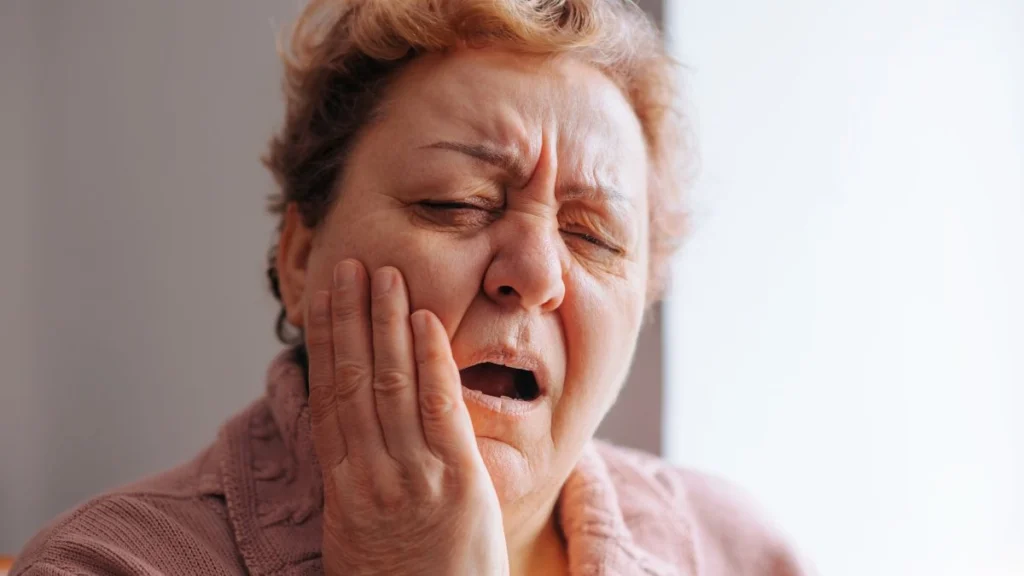
Waking up with a sore jaw is a massive red flag. When your airway collapses, your body instinctively pushes your lower jaw forward to force it open. This causes severe teeth grinding and clenching at night.
Dentists call this condition Bruxism. They routinely spot poor nighttime breathing simply by looking at your worn down tooth surfaces. The pressure creates radiating pain that ruins your mornings.
- You experience morning jaw fatigue.
- Your TMJ motion becomes restricted.
- You suffer from referred neck pain.
Stopping the negative effects of mouth breathing will finally let your jaw muscles relax.
9. Your Lungs Lose Their Natural Air Filter
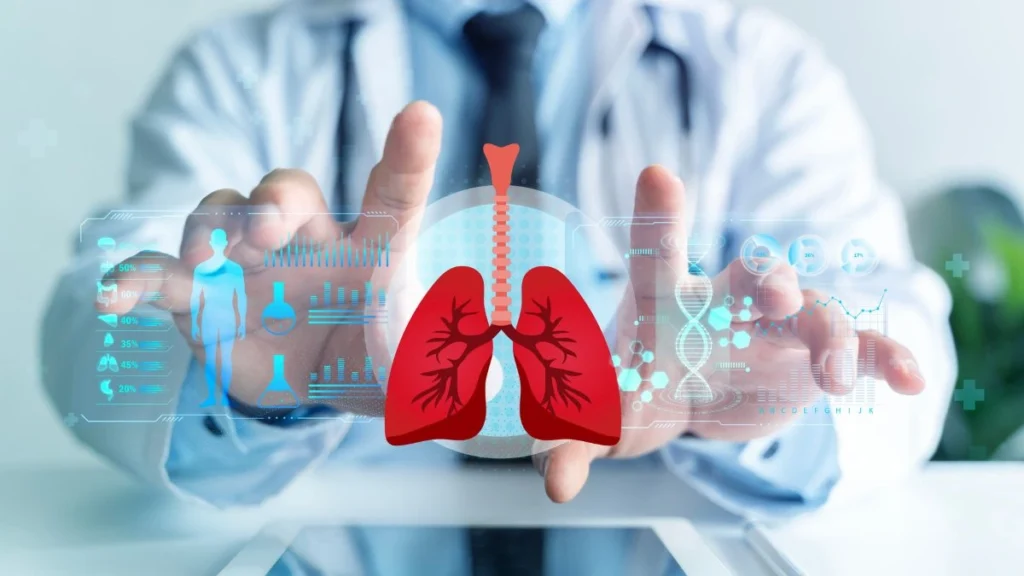
Your nose is designed to filter dust and germs while humidifying the air. Your mouth has zero filters. Raw and dirty air hits your lungs directly.
Bypassing your nasal cilia means a massive increase in the unfiltered debris reaching your throat. This irritates your respiratory tract and worsens asthma.
What does this mean for you?
- Allergies become much more severe.
- You cough frequently in the morning.
- Lung irritation becomes chronic.
Learning how to stop mouth breathing at night gives your lungs the clean air they desperately need.
10. Odor Causing Bacteria Multiply Rapidly
Nobody wants to wake up with terrible breath. A dry mouth completely alters your oral microbiome. You need saliva to wash bad bacteria away.
Without it, sulfur producing bacteria thrive in the dry environment. Dry mouth is the number one environmental trigger for Halitosis in older adults. This causes persistent morning breath that extra brushing simply cannot fix.
- Bad bacteria take over your mouth.
- Gum infections start easily.
- Breath smells sour or foul.
Discovering how to stop mouth breathing at night is the ultimate cure for stubborn bad breath.
11. Your Posture Shifts and Causes Neck Pain

Chronic back pain might actually start in your sleep. To accommodate an open mouth, your body naturally tilts your head back to keep the airway open. This alters your head and neck posture permanently.
Forward head posture adds pounds of excess strain to your cervical spine. Over time, it leads to chronic upper back tension and stiffness. Your spine pays the price for your collapsed airway.
- Neck muscles stay tight all day.
- Upper back pain becomes constant.
- Your spinal alignment suffers.
Fixing the mouth breathing effects on adults can surprisingly relieve your stubborn physical aches.
Conclusion
Sleeping with an open mouth is not just a quirky habit. It is a systemic stressor that dries out your teeth, starves your heart of oxygen, and exhausts your brain. Your body is simply trying to adapt to a blocked airway.
If you relate to these symptoms, start by consulting an ENT or a dentist trained in Dental Sleep Medicine. Ask them about custom oral appliances, CPAP therapy, or addressing nasal blockages with saline rinses or nasal strips.