

Routine daily movements possess the hidden potential to extend human lifespan. You sit at a desk all day. This prolonged inactivity weakens your cardiovascular system over time.
You know exercise helps. But modern schedules leave little room for exhaustive fitness regimens. You need a fast solution. A recent European meta analysis gives you one. Researchers studied nearly half a million people.
They found a clear pattern. Intermittent stair climbing reduces cardiovascular mortality. This stair climbing longevity study proves you do not need hours in the gym. You just need to walk up.
The Science Behind the Stair Climbing Longevity Study

The European Society of Cardiology presented massive findings at Preventive Cardiology 2024. Researchers analyzed data from nine different studies across the globe. They tracked over 480,000 participants to test the power of vertical movement.
The observation period spanned over a decade for many participants. The results proved that daily vertical movement builds serious cardiovascular resilience. Researchers compared people who take the stairs to people who avoid them.
The stair climbing longevity study revealed specific benefits:
- A 24% reduced risk of all cause mortality.
- A 39% lower likelihood of dying from cardiovascular disease.
- A lower risk of heart attacks.
- A reduced chance of heart failure.
- Fewer fatal strokes.
Dr. Sophie Paddock authored the study. She works at the University of East Anglia and Norfolk and Norwich University Hospital Foundation Trust. She delivered a clear message based on the data.
She stated that people must integrate short bursts of activity into daily life. Finding small ways to move matters more than long gym sessions. Her team reviewed the habits of both healthy individuals and those with previous heart issues.
The benefits applied across the board. Every demographic saw improvements in their lifespan predictors. The research proves that vertical effort directly correlates to a longer life.
You do not need a strict workout schedule to see these numbers work for you. You just need access to a staircase.
How Climbing Stairs Lowers Cardiovascular Disease Risk
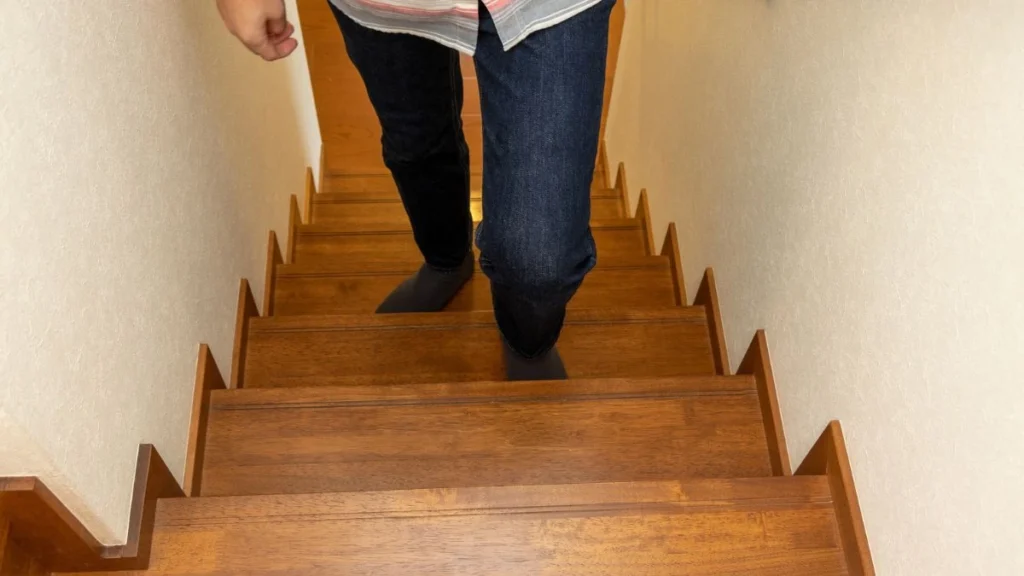
Sedentary muscle deterioration happens without warning. You sit for eight hours at a desk. Your leg muscles weaken over time. Your blood flow slows down. This creates a perfect environment for heart problems. Stair climbing fixes this issue right away. It forces your body to fight gravity.
Vertical ascent combines aerobic exercise with heavy resistance training. You push your entire body weight upward against gravity. This engages your glutes. It builds your hamstrings and calves.
This posterior chain activation demands massive oxygen delivery to your lower body. The resistance aspect builds functional strength in your legs. Strong legs support a healthy heart.
Compare taking three flights of stairs to walking on a flat surface for the same duration. Flat walking elevates your pulse just a bit. Climbing stairs spikes your heart rate right then and there.
This intense oxygen demand improves your cardiorespiratory fitness fast. Your lungs work harder to pull in air. Your heart pumps faster to distribute oxygenated blood. It lowers your blood pressure over time as your cardiovascular system becomes more efficient.
The combined aerobic and resistance benefits act as a shield. They help harden your arteries against dangerous plaque buildup. Plaque causes heart attacks.
Removing that risk adds years to your life. You achieve a lower heart disease risk with just a few minutes of effort. The physiological changes happen on a cellular level.
Actionable Steps for Daily Physical Activity Benefits

You need specific targets to see real results. Science shows you need about five to six flights daily. That equals roughly 50 to 60 steps. You can reach this benchmark if you change simple habits.
Relying on elevators ruins your daily physical activity benefits. Modern conveniences make us lazy. You must find environmental triggers to force movement throughout your day.
Follow this three step daily integration plan:
Everyday Elevation
Locate Opportunities
Make a mental map of every staircase in your daily routine. Use office building stairwells, walk up parking garage stairs, and choose the stairs at your apartment building.
Micro Workouts
Climb two flights of stairs during a five minute work pause to let your heart rate spike and settle. Do this twice a day, and you will hit half your daily goal before lunch.
Track Your Floors
Wearable technology makes tracking simple. Check your Apple Watch or Fitbit every evening to ensure you hit your target. The visual data keeps you accountable.
Build your volume over time. Start with two flights a day if you have bad knees. Add one extra flight per week. This prevents injury and builds lasting habits. Do not rush the process.
Consistency matters more than speed. You want to make this a lifelong habit. Track your progress for a month. You will notice better breathing. Your legs will feel stronger. You will feel more energetic at your desk.
3 Ways to Protect Your Joints on the Stairs
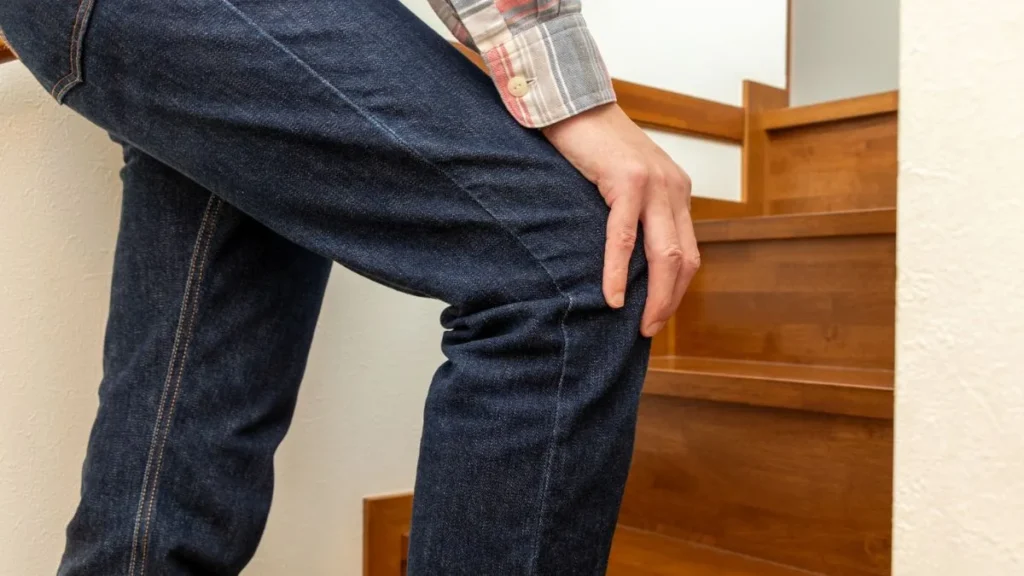
Joint pain stops many people from climbing. You feel a sharp ache in your knees. This pain forces you to use the elevator.
Avoiding the stairs makes your joints stiffer over time. You miss out on the immense health benefits. Proper form prevents this pain completely.
Place your entire foot on the step. A hanging heel puts massive stress on your knee joint. Your glutes and hamstrings should do the heavy lifting.
Keep your chest up. Leaning forward strains your lower back. Use the handrail for balance on the way down. Walking downstairs creates more impact than walking up.
The 5 Minute Solution to Track Your Progress

You need proof that your heart gets stronger. Guessing your fitness level hurts your motivation. You might quit before the physiological changes happen.
Tracking your recovery time gives you exact data. A healthy heart returns to a normal beat quickly after exercise. Climb five flights of stairs today.
Check your pulse right away. Wait exactly one minute and check it again. The difference between these numbers shows your recovery rate.
A larger drop means your cardiovascular system works efficiently. Review the data table below to see expected progress. Consistency brings your numbers into the healthy range.
| Challenge Phase | Daily Flight Goal | Mean Steps Climbed | Standard Deviation |
| Week 1 | 2 Flights | 24 Steps | 3 Steps |
| Week 2 | 4 Flights | 48 Steps | 4 Steps |
| Week 3 | 6 Flights | 72 Steps | 5 Steps |
| Week 4 | 8 Flights | 96 Steps | 4 Steps |
Conclusion
The data leaves no room for doubt. The recent stair climbing longevity study shows a massive 39% reduction in cardiovascular mortality. This dual aerobic and resistance exercise strengthens your heart.
It builds leg muscle. It clears your arteries. It requires no gym membership. It takes only minutes out of your busy day. Now you know the facts about cardiovascular disease prevention.