

Memory loss might be the loudest alarm bell for cognitive decline, but the brain starts whispering long before you ever forget a name. Many people brush off small changes in habits or body weight as normal aging.
You can take action if you know exactly what to look for. Medical science offers clear clues to protect your health. Today you will learn the four subtle symptoms doctors track.
Spotting these early warning signs of dementia gives you massive power over your health. It helps you catch the early stages of cognitive decline when medical treatments and lifestyle changes work best.
1. Unexplained Gradual Weight Loss (The Physical Whisper)
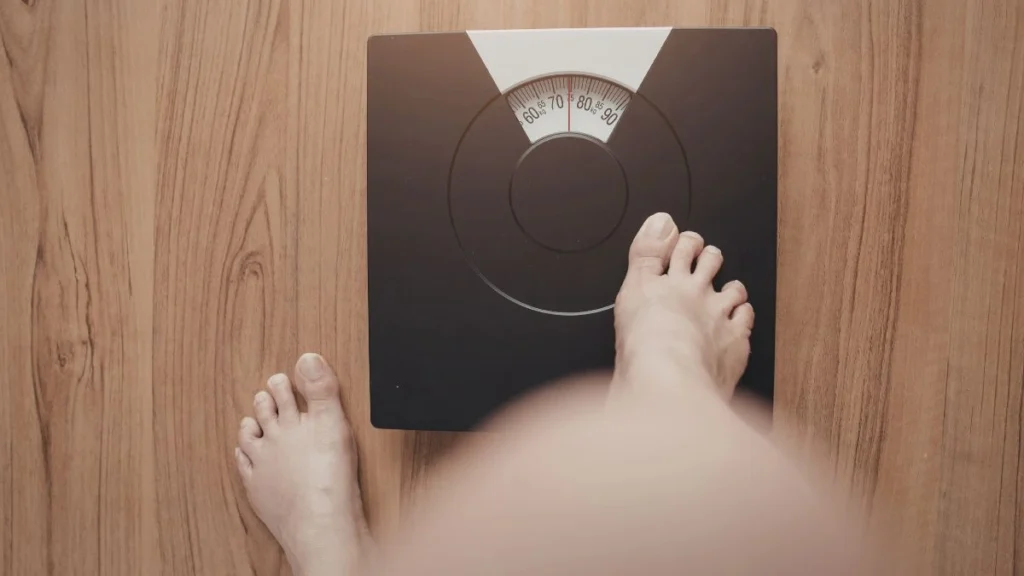
Most people think brain diseases only affect thoughts and memories. The truth is much more physical. Physical changes happen long before mental ones. Dementia changes how your body uses food and energy.
It alters your deep metabolic processes. A 2025 study from Columbia University and New York University proves this fact clearly. Researchers found that weight loss can begin up to ten years before a dementia diagnosis.
This dangerous weight drop actually speeds up two to four years before memory symptoms start showing up. Your body signals that the brain is struggling. Catching this physical whisper can buy you years of healthy living.
You need to know the clear difference between normal physical changes and clinical red flags.
Physical Changes vs. Red Flags
You need to know the clear difference between normal physical changes and clinical warning signs.
Normal Aging
Losing a few pounds is completely expected after starting a new diet or successfully committing to a daily exercise routine.
Dementia Red Flag
A critical warning sign is dropping clothing sizes rapidly and losing weight without actively trying to lose any weight at all.
A sudden drop in weight is one of the most reliable neurologists dementia signs. Your brain controls your entire metabolism. When the brain gets sick, the body follows closely behind.
Track any unexpected changes in how your clothes fit. Tell your doctor if you lose weight for no clear reason.
2. Financial Fumbles and Executive Dysfunction

You might sit at the kitchen table and stare blankly at a simple electric bill. This is a terrifying feeling for anyone. Complex problem solving often breaks down before basic memory fails. Your brain uses executive dysfunction to plan your day and solve problems.
Think of this function like an air traffic controller in your mind. When the controller gets tired, complex tasks crash quickly. You might notice a prudent person making terrible money choices out of nowhere.
They might suddenly fall for obvious phone scams that they would normally ignore. They might lose the ability to follow a favorite family recipe. They might forget the basic rules of a card game they played for decades. These behavioral shifts are clear early warning signs of dementia.
Here is how to tell the very important difference.
- Normal aging: Making a small math mistake in your checkbook once in a while.
- Dementia Red Flags: Losing the ability to figure out how a monthly budget works completely.
Do not ignore these sudden financial fumbles. They are a cry for medical help. Your doctor can help you test these problem solving skills during a routine visit.
3. Visual Perceptual Hiccups and Spatial Confusion

This problem has absolutely nothing to do with needing stronger reading glasses. Your eyes might work perfectly fine. Your brain simply struggles to process the visual data coming in. This makes judging physical distance very hard.
You might struggle to see contrast or tell similar colors apart. These visual processing problems are very common subtle symptoms of Alzheimer’s disease and Lewy Body dementia. You might have trouble seeing the difference between the stairs and the floor.
You might suddenly struggle to park a car straight in an empty lot. Another major warning sign is getting lost on a highly familiar route. Driving home from your local grocery store should be fully automatic. Getting confused on that short drive is a serious neurological signal.
Watch for these specific daily differences.
- Normal aging: Having trouble reading fine print on a menu without your glasses.
- Dementia Red Flags: Misjudging the distance to a stop sign or a parked car while driving.
Monitor your driving habits closely. Sudden dents on your car bumper require a doctor visit.
4. The Apathy Illusion and Subtle Personality Shifts

Families often mistake early dementia for late in life depression. This is a very common and dangerous misdiagnosis. A person might lose complete interest in lifelong hobbies. They might withdraw from regular social events.
They often show a completely flat emotional response to good or bad news. This flat feeling is called apathy. The brain pulls away because processing social interactions is completely exhausting. Talking to a group of people requires massive brain power.
A tired brain simply quits trying to keep up. Think of an avid golfer who suddenly stops playing every weekend. They feel no physical pain. They just feel a vague loss of interest in the sport.
This apathy marks the exact early stages of cognitive decline. Look for these clear daily contrasts.
Early Stages of Cognitive Decline
This apathy marks the exact early stages of cognitive decline. Look for these clear daily contrasts.
Normal Aging
Feeling too tired to attend one late night party or dinner. Occasional fatigue and skipping isolated events is a standard, healthy response to aging.
Dementia Red Flag
Completely abandoning a favorite weekly hobby for no clear reason at all. This severe, unexplained loss of interest is a critical clinical warning sign.
Always seek a professional medical opinion. A doctor can run tests to tell the difference between treatable depression and early dementia. Getting the right diagnosis early helps you start the proper treatment plan.
Early detection changes everything. You now know the four hidden signs to watch. Track unexplained weight loss carefully. Watch for new financial confusion.
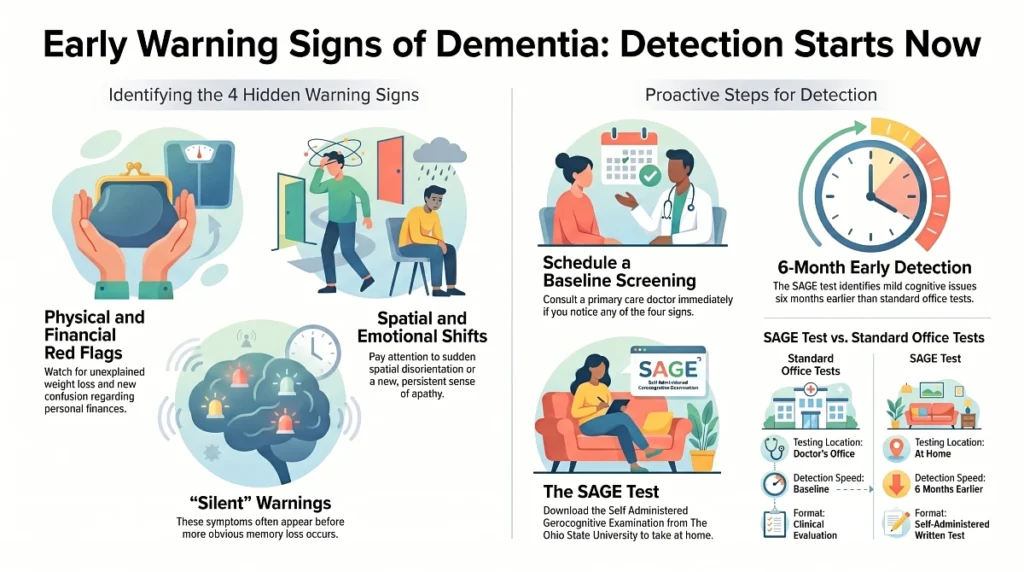
Pay close attention to sudden spatial issues. Take new apathy seriously. Do not ignore these silent warnings.
Schedule a baseline screening with a primary care doctor if you notice these signs. You can also take action at home right now. Download the SAGE test from The Ohio State University. SAGE stands for Self Administered Gerocognitive Examination.
You can take this written test at home and share the results with your doctor. The SAGE test detects mild cognitive problems six full months earlier than standard office tests. Catching these early warning signs of dementia gives you the best chance to protect your brain. Take that first step today.