

The average person takes 5,000 to 7,000 steps a day. That totals roughly 100,000 miles in a lifetime according to the American Podiatric Medical Association. But if you are past 60, the way you take those steps has likely changed without you noticing.
As we age, muscle loss and joint stiffness naturally alter how we move. This leads to balance issues, foot pain, and sore knees. We mistakenly accept these problems as just getting older.
You do not have to live with this discomfort. You will learn how to identify aging gait changes and fix them using proven podiatrist advice. We will look at common walking mistakes after 60 so you can stop joint wear and tear before it starts.
Are You Overstriding to Walk Faster?
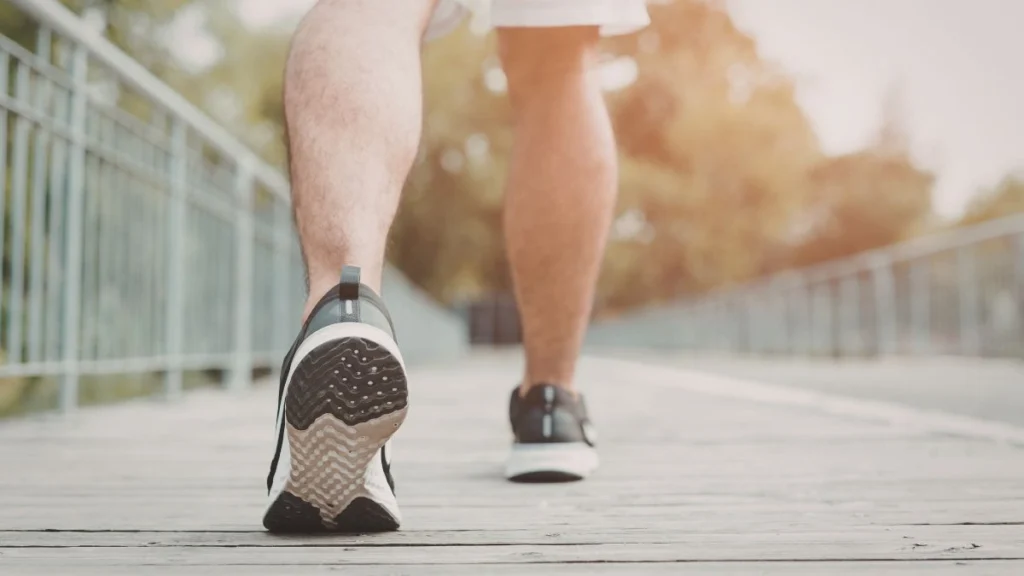
You are rushing to keep up with your grandkids, so you start taking massive strides. Reaching too far forward with your front foot shifts your center of gravity. It causes a heavy strike on your heel.
Because that huge step throws off your balance, your body takes a heavy hit. According to the APMA, every step places 1.5 times your body weight of pressure on your foot. That heavy strike sends a massive shockwave up your leg. It stretches your plantar fascia too far and strains your knees.
The Fix: Focus on a faster cadence instead of taking longer steps. Take more steps per minute and keep your feet closer to your body’s center of mass to master proper walking technique.
Are Your Favorite Flat Shoes Causing Foot Pain?
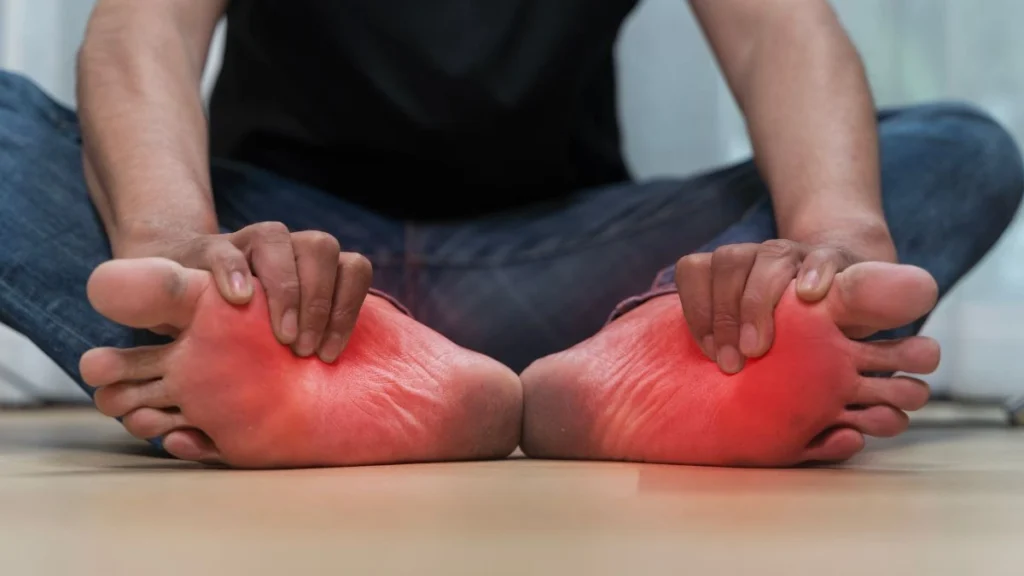
You wake up and slide into your favorite flat house slippers because they are easy to put on. Are your favorite house slippers actually hurting your back? Walking completely barefoot indoors or wearing unsupportive slip on shoes is dangerous.
Hard floors are brutal on aging feet. Nearly 8 in 10 Americans experience foot problems from bad shoes. Flat shoes offer zero shock absorption. This worsens arch collapse and creates severe heel pain. Think of drugstore insoles like a temporary bandage instead of a real cure. You need actual support.
Watch out for these signs you need new shoes:
Signs of Poor Footwear
Morning Heel Pain
Experiencing sharp pain in your heels when you first wake up is a classic indicator of plantar fascia inflammation caused by lack of structural support.
Lumbar Fatigue
Developing deep aches in your lower back after standing indicates your shoes are failing to properly absorb shock, forcing your spine to compensate.
Toe-Box Friction
Finding blisters on your toes is a direct result of a narrow fit, which aggressively pinches the foot and creates damaging friction during movement.
The Fix: Treat daily walking as a sport and follow this podiatrist advice for seniors. Buy shoes with a wide toe box, a stiff heel, and a slight rocker bottom shape to push you forward.
Why Shuffling Your Feet Increases Fall Risks
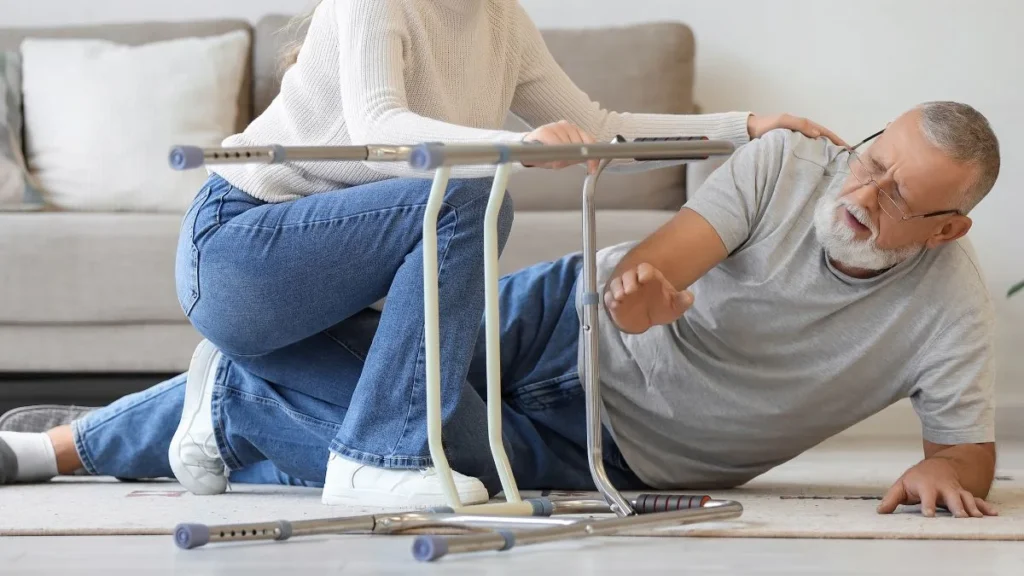
You are walking on a slightly uneven sidewalk and notice you are dragging your feet. This is called the cautious gait. As calf muscles weaken with age, people tend to take shorter and flatter steps.
Older adults spend more time with both feet on the ground because of a fear of falling. Walking speed normally stays stable until age 70. After that, it slows down due to weak calves. Scuffing your feet significantly increases your risk of tripping.
Gait dysfunction accounts for about 17 percent of falls in older adults. These aging gait changes are dangerous on uneven surfaces.
The Fix: Actively think about the heel to toe roll as you walk. Try this 3 step morning routine before getting out of bed to build strength:
- Sit on the edge of your bed and plant your feet flat.
- Lift your heels up while keeping your toes on the floor.
- Hold for three seconds and repeat ten times.
The 5 Minute Solution for Walking Through Pain
You feel a sharp stab in your heel but decide to push through it to finish your morning walk. You must learn the difference between mild muscle fatigue and sharp structural pain.
Ignoring a sharp stab in your arch leads to tiny tears and chronic inflammation. This takes months to heal properly. Heel pain is the most common foot ailment. Yet only 12 percent of Americans with foot issues actually visit a podiatrist according to the APMA.
This is one of the worst walking mistakes after 60. It turns a small injury into a permanent limp.
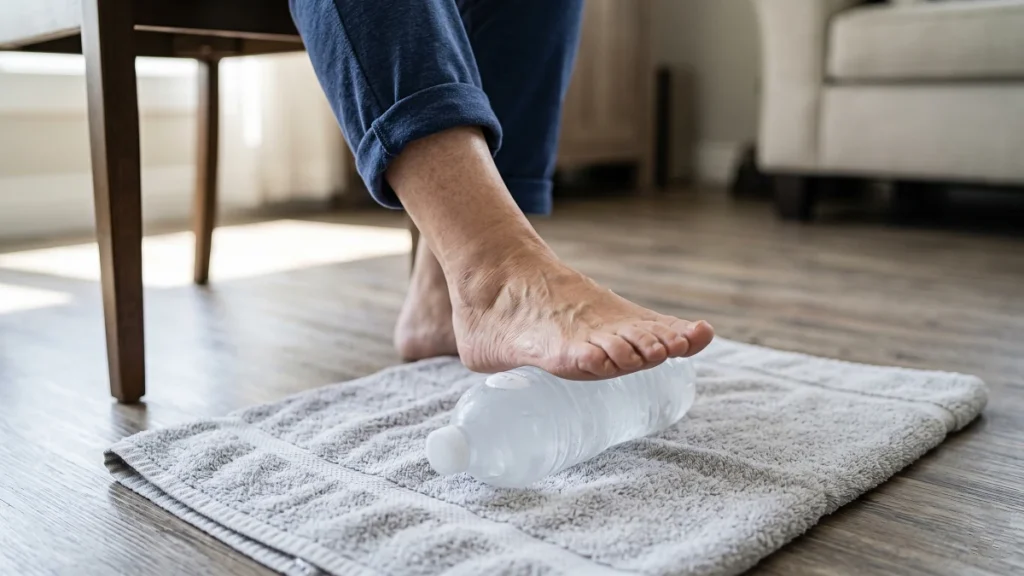
The Fix: Stop the activity immediately and rest your foot. Roll your foot over a frozen water bottle for 15 minutes after a walk to reduce swelling, but never do this right before walking. Use medical grade insoles or custom orthotics for daily support.
How to Fix Lower Back Pain by Standing Taller

You stare at the ground while walking to avoid tripping over cracks. This causes your head and shoulders to slump forward. Many people develop this bad posture habit as they get older.
Looking down shifts the heavy weight of your head forward. This forces your lower back muscles to work twice as hard just to keep you upright. It creates an increased curve in your lower back. Soon you feel a deep ache in your spine after a very short walk.
The Fix: Keep your eyes looking 15 to 20 feet ahead of you instead of directly at your shoes. Stand tall and gently pull your shoulders back to correct your walking posture instantly.
Your Daily Foot Mobility Routine
Add these simple steps to your day to build strength and stop pain before it starts.
| Time of Day | Quick Action | Why It Works |
| Morning | 10 Ankle Circles | Loosens stiff joints before you put weight on them. |
| Before Walk | Wall Calf Stretch | Stops tight leg muscles from pulling on your heel. |
| After Walk | Frozen Bottle Roll | Reduces swelling in your plantar fascia fast. |
| Evening | Lift and Spread Toes | Builds strong foot arches to improve your daily balance. |
Conclusion
You can protect your joints by fixing these simple habits. Wearing proper shoes and taking shorter strides will completely change how you feel. Remember to use a heel to toe movement and always listen to your body.
Do not accept daily foot pain as a normal part of aging. If you experience sharp pain, schedule a professional gait analysis with a local physical therapist or podiatrist today.