
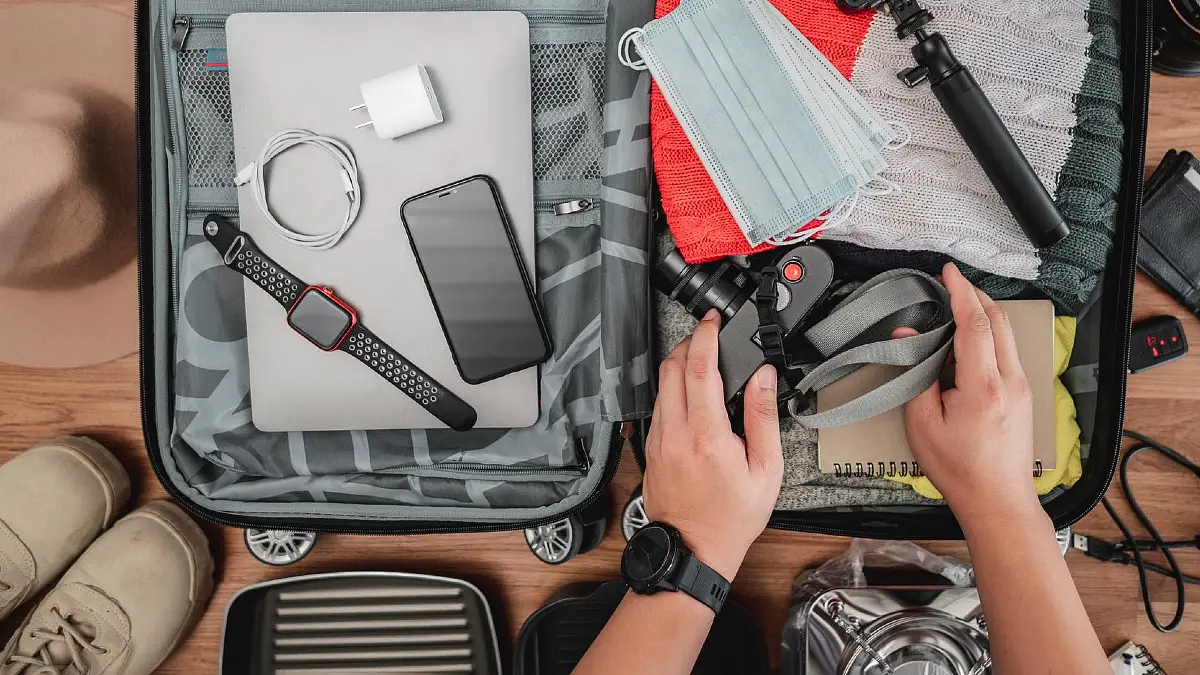
You start packing with plenty of suitcase space. Then the shoes go in. Next come toiletries, chargers, a second bag, medication, wet weather gear, and all the little things you might need. Before long, you are sitting on your suitcase just to close it.
The problem is often less about the size of your bag and more about what you put inside it. Full size bottles waste room. Loose cables disappear. Bulky bags take up valuable space before you even use them.
That is where smart packable travel items can help. The best ones fold flat, compress, replace bulkier gear, or keep several small things organized in one place.
1. Use Compression Packing Cubes to Control Clothing Bulk
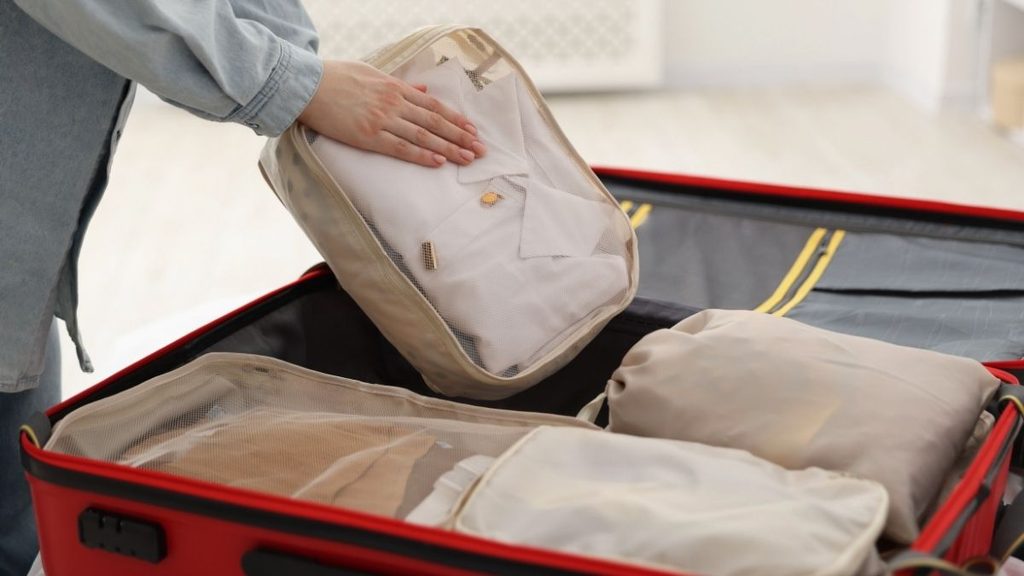
Clothing becomes messy fast once you start digging through a suitcase. Compression packing cubes give shirts, underwear, trousers, and sleepwear a set place while helping soft fabrics take up less room.
Eagle Creek, for example, currently sells compression cubes with a second zipper designed to compact clothing. The brand describes its medium compression cube as a way to pack shirts, pants, and other soft items into a smaller parcel.
The bigger benefit may actually be organization. You can open one cube instead of disturbing your whole suitcase every morning.
Just remember that compression does not reduce weight. Stuffing another five shirts into the space you saved can leave you with a smaller but much heavier suitcase.
For most trips, try one cube for tops, one for bottoms, and one small cube for underwear and sleepwear.
2. Pack a Daypack That Folds Into Almost Nothing
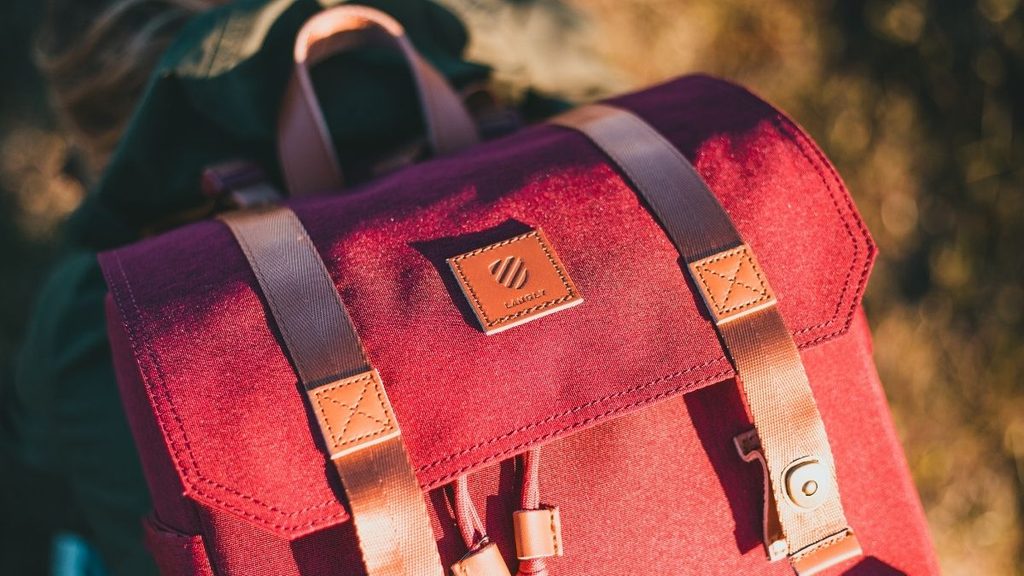
You may need a backpack once you reach your destination, but that does not mean you need to travel with two large bags.
A packable daypack gives you a small bag for sightseeing, shopping, beaches, museums, or short hikes. When you are finished, it folds into a small pouch and returns to your suitcase.
Sea to Summit’s Ultra Sil Daypack is a useful example of how small this type of bag can get. Its current version holds 20 liters while weighing about 2.5 ounces. It also packs into its attached storage sack.
There is one tradeoff. Very light backpacks usually have less padding and structure. They work well for a water bottle, light jacket, snacks, and a few daily items. They are less comfortable when loaded with a laptop, camera gear, and several heavy bottles.
Use the smallest bag that fits your real plans.
3. Bring a Foldable Tote for Unexpected Extra Stuff
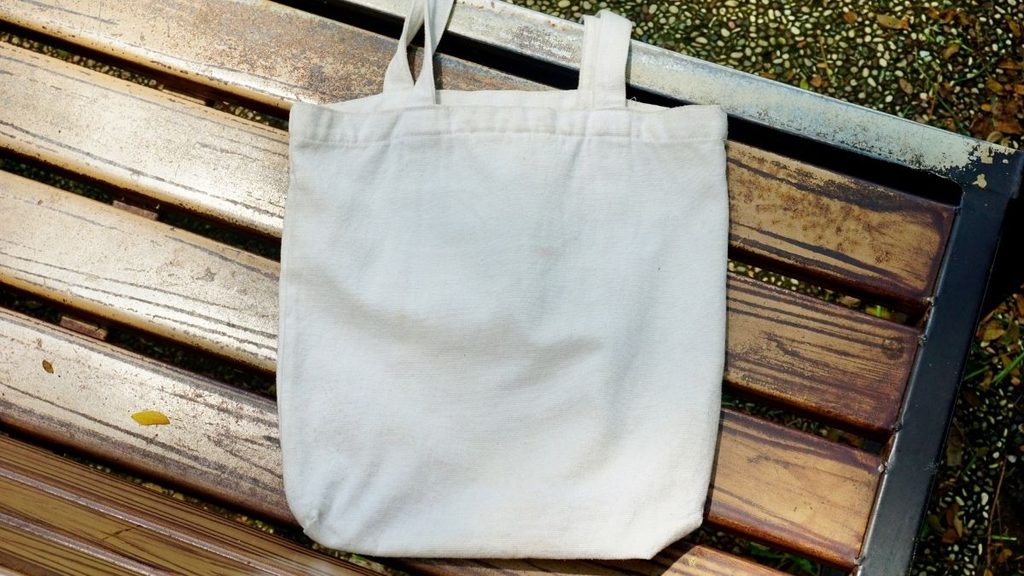
Travel seems to create extra belongings.
You buy snacks. Someone gives you a gift. You pick up groceries. Your sweater no longer fits in your personal item. Suddenly you need another bag.
A thin foldable tote solves this without taking the space of a second handbag. Look for one that folds into its own pocket or rolls into a small bundle.
It can also serve several jobs during one trip. Use it as a grocery bag on Monday, a beach bag on Tuesday, and a laundry carrier on Wednesday.
A zip closure is worth having if you plan to use the tote in crowded places. Open shopping bags are convenient, but they are not ideal for carrying passports, phones, or wallets.
4. Replace Full Size Toiletries With Refillable Travel Bottles
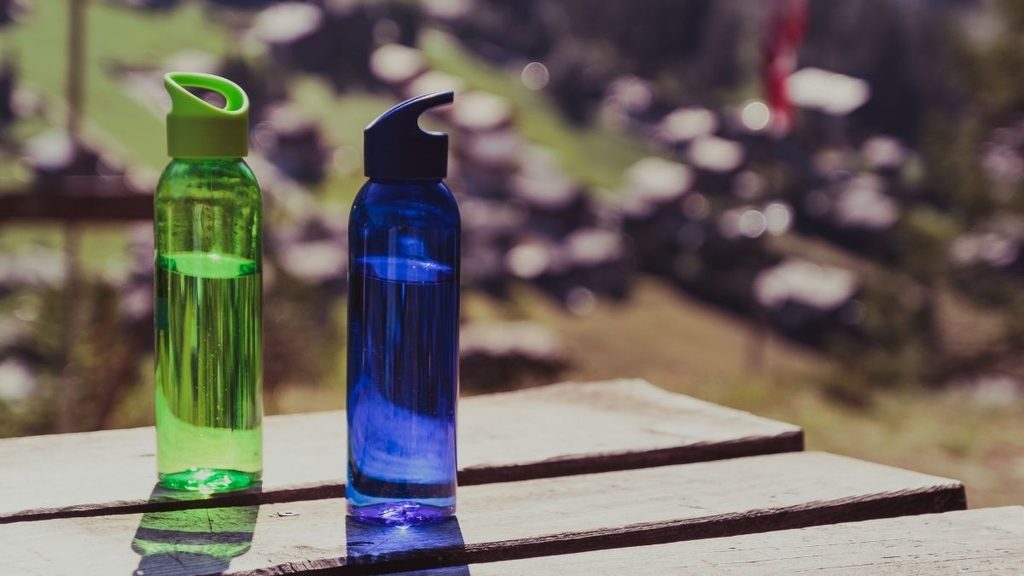
There is little reason to pack a 12 ounce shampoo bottle for a four day trip.
Small refillable bottles let you bring closer to the amount you will actually use. That creates more space in your toiletry bag and can reduce the weight of your luggage.
For travelers going through United States airport security, TSA’s current rule generally limits liquids, gels, creams, pastes, and aerosols in carry on luggage to containers of 3.4 ounces or 100 milliliters or less, with those containers fitting inside the permitted quart size liquids bag.
Humangear’s GoToob+ range gives a good example of sensible sizes. The current bottles come in 1.7, 2.5, and 3.4 fluid ounce capacities.
For short trips, the smallest bottle may be enough.
Label everything. Conditioner and body lotion can look very similar at six in the morning.
5. Switch Some Liquid Toiletries to Solid Versions
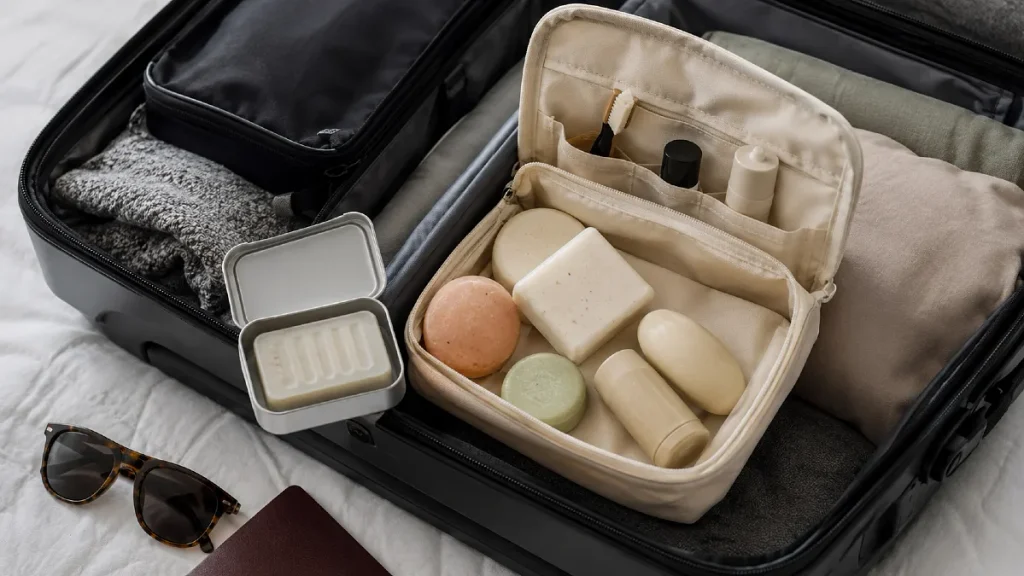
Your small liquids bag can fill up long before your suitcase does.
Soap, cleanser, shampoo, conditioner, sunscreen, toothpaste, makeup, and skin care products all compete for limited room. One way to free some of that space is to replace suitable liquids with solid products.
A simple bar of soap is the easiest example. TSA currently lists bar soap as permitted in both carry on and checked baggage.
Solid shampoo or facial cleanser may also work for you. But do not switch products simply because they look good on a packing list. If a certain shampoo, skin product, or dental product works well for you, bring it.
The goal is easier packing, not creating a new problem after you arrive.
6. Put Bar Soap in a Flat Flexible Case
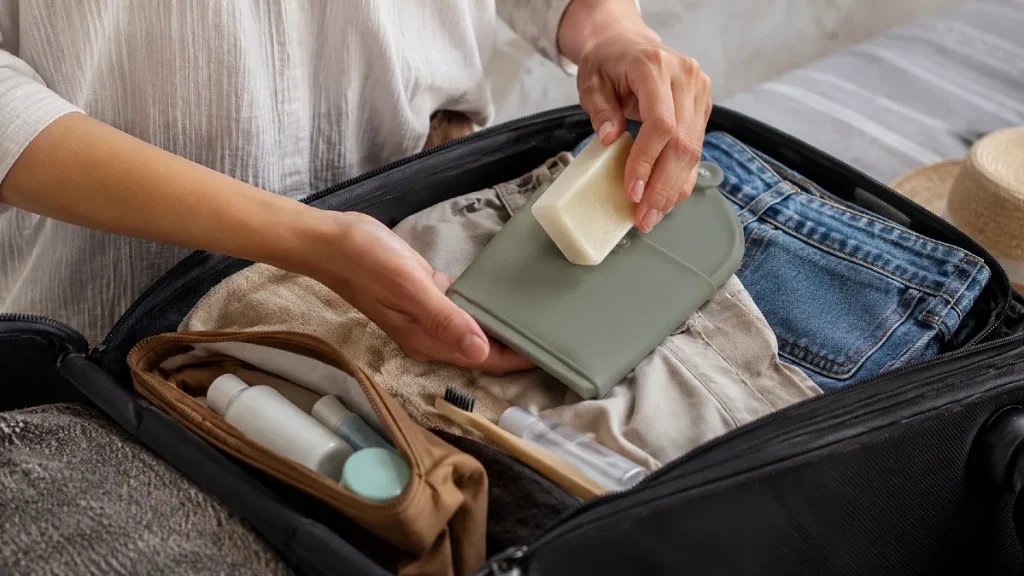
Traditional plastic soap boxes are surprisingly bulky. The box stays the same size even as the soap gets smaller.
A flexible soap pouch uses the available space more efficiently. It can also keep a damp bar away from your clothing and toiletry bag.
Matador’s FlatPak Travel Soap Bar Case is one real example. The company says the current case is waterproof and designed so moisture vapor can escape while the bar dries inside.
You do not need this exact product. The idea matters more than the brand.
Look for a lightweight case that closes securely, contains moisture, and does not take up far more space than the soap itself.
7. Use a Tiny Laundry Bag to Separate Dirty Clothes
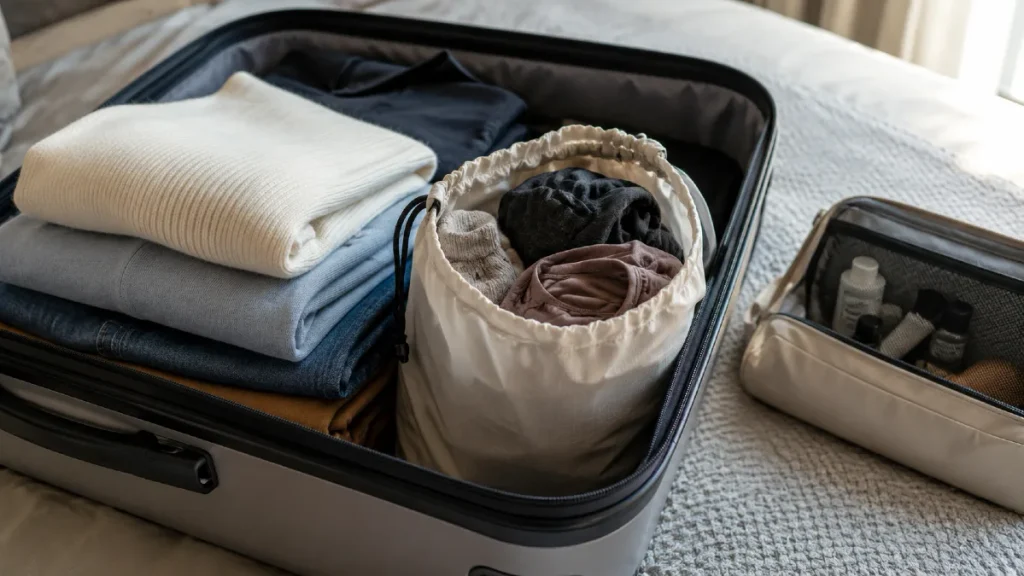
Dirty clothes have an annoying habit of spreading through your suitcase.
A small laundry sack fixes that immediately. Worn socks and underwear go into one place instead of mixing with clothing you still plan to wear.
Skip the thick cotton laundry bags designed for bedrooms. They take up too much suitcase space. A thin washable nylon sack or light drawstring pouch works better for travel.
You can also give the bag another job on departure day. Use it for shoes, sandals, or items that might soil clean clothing.
When the laundry starts building up, press some air from the bag before placing it back into your suitcase. You do not need special equipment. You just want to keep a soft pile of clothing from spreading into every open corner.
8. Pack a Lightweight Dry Bag for Wet Clothes
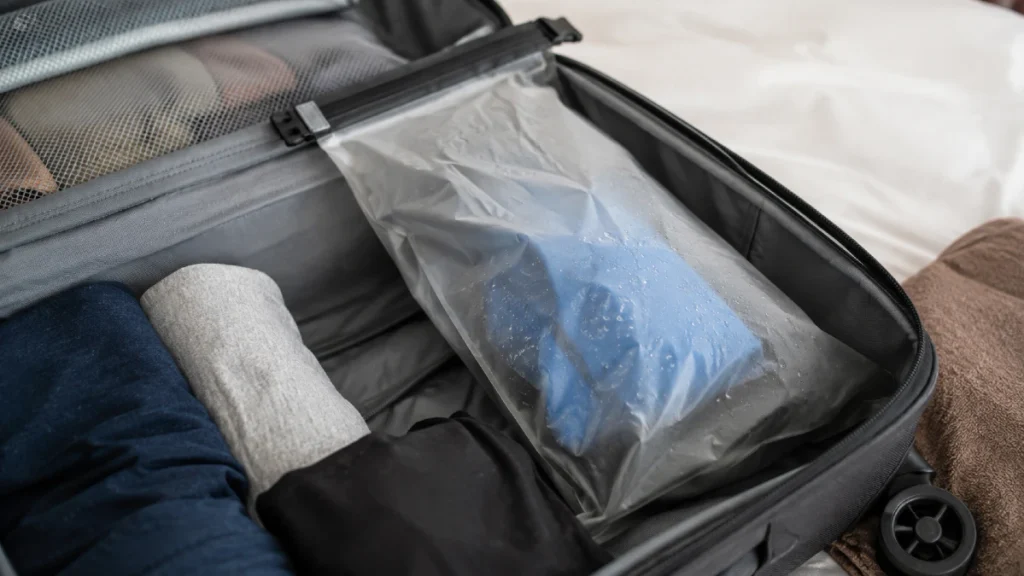
A swimsuit that is still wet when checkout time arrives can create a miserable packing problem.
A small dry bag gives damp items their own section. It can hold swimsuits, beach clothes, a wet rain jacket, or a small towel until you can dry them properly.
Osprey’s current Ultralight Dry Sack range shows how light these bags can be. Its 6 liter version uses waterproof coated fabric and seams with a roll closure, while larger sizes are available for more gear.
This item makes the most sense for beach trips, cruises, swimming holidays, camping, and rainy destinations.
If you are spending four days walking around a dry city, skip it. Packable travel gear should earn its space.
9. Bring a Compact Travel Towel Only When You Need One
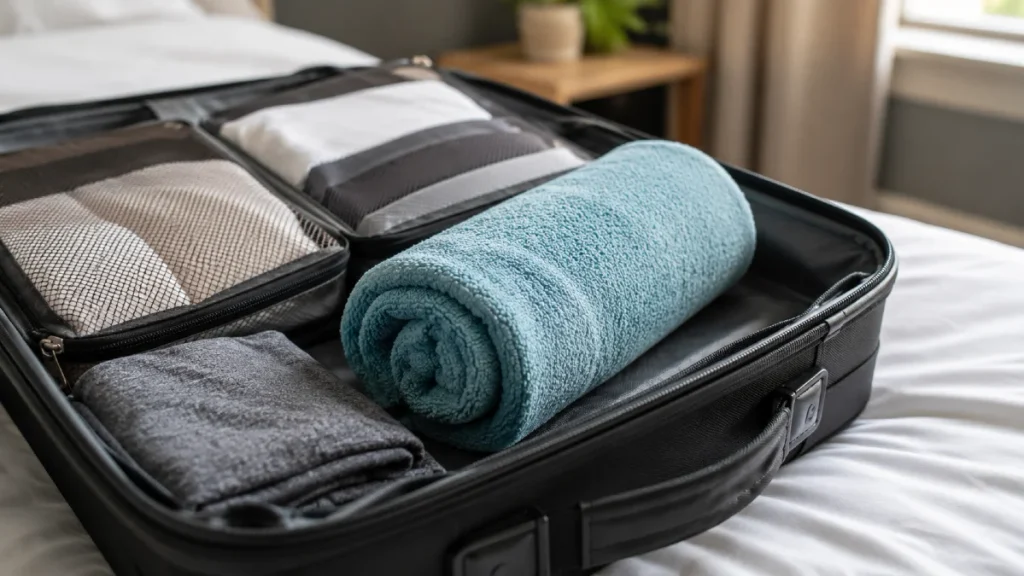
A large bath towel can consume a shocking amount of suitcase room.
If your hostel, rental, campground, beach club, or accommodation does not provide towels, a thin travel towel makes more sense. Microfiber and other quick drying travel fabrics can fold much smaller than thick cotton bath towels.
But this is another item you should pack based on the trip.
Staying in a hotel that supplies fresh towels every day? Leave yours at home.
Heading to a hostel, beach, swimming spot, campsite, or overnight train where a towel may be useful? A compact version can be worth the small amount of space.
Try to let it dry before packing. No fabric feels pleasant after spending a day sealed inside a suitcase while damp.
10. Carry a Collapsible Water Bottle
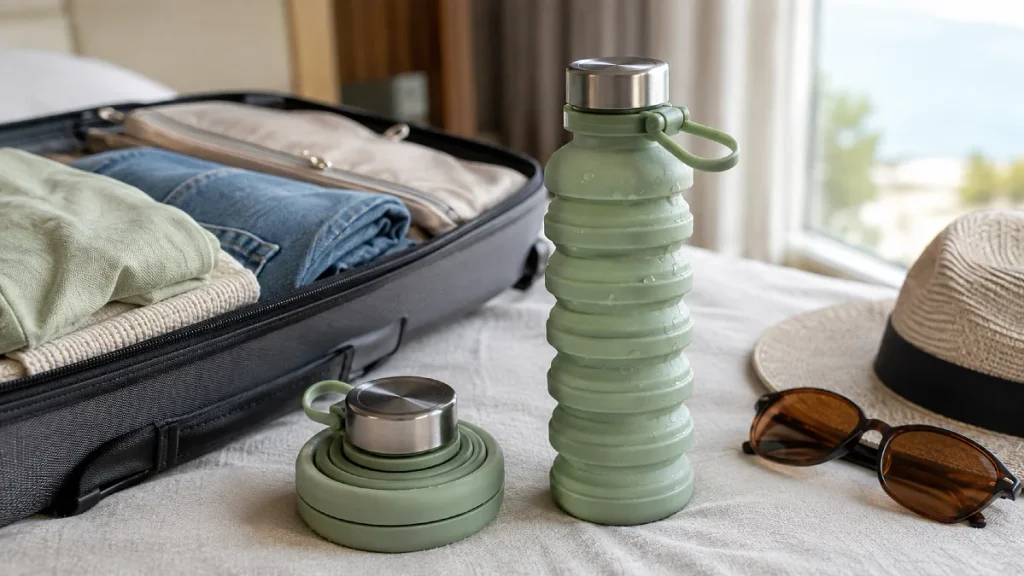
A rigid water bottle takes up the same amount of room whether it is full or empty.
A collapsible bottle can flatten or roll when you are finished with it. That makes it useful when suitcase or personal item space is tight.
For travel through United States airports, TSA says empty drink containers can pass through the security checkpoint and be filled afterward.
This makes a reusable bottle useful once you reach the gate.
Choose one with a cap you trust. A bottle that saves three inches of bag space but leaks across your passport and charging cable is not a smart trade.
Also check how easy it is to clean. Designs with very narrow openings can become annoying on longer trips.
11. Keep a Compact Power Bank in Your Carry On
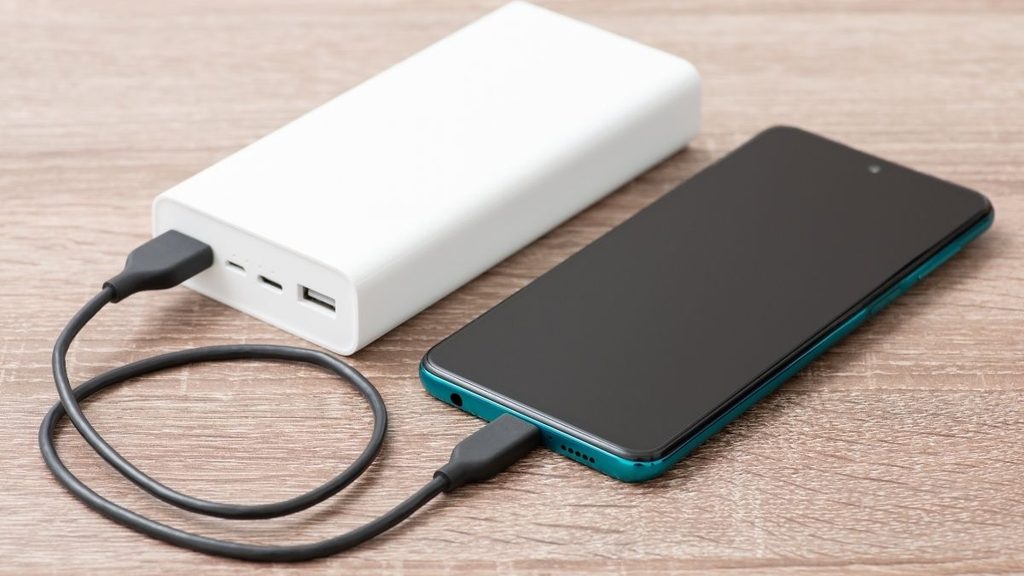
Your phone has become one of the most useful things in your travel bag.
It may hold your boarding pass, hotel address, maps, reservations, train ticket, translation app, payment cards, and camera. Running out of battery can create a much bigger headache while traveling than it does at home.
A compact power bank can prevent that.
There is an important packing rule here. The FAA says spare lithium batteries, including power banks and portable chargers, must be carried in the aircraft cabin rather than checked baggage. The agency also says rechargeable batteries up to 100 Wh are generally allowed for personal use, while larger batteries face additional rules. Airlines can apply stricter limits.
If your carry on gets checked at the gate, remove the power bank first.
You rarely need the largest battery available. A smaller model that can recharge your phone may be more useful than a heavy brick designed to power several devices for days.
12. Put Every Charging Cable in One Small Organizer
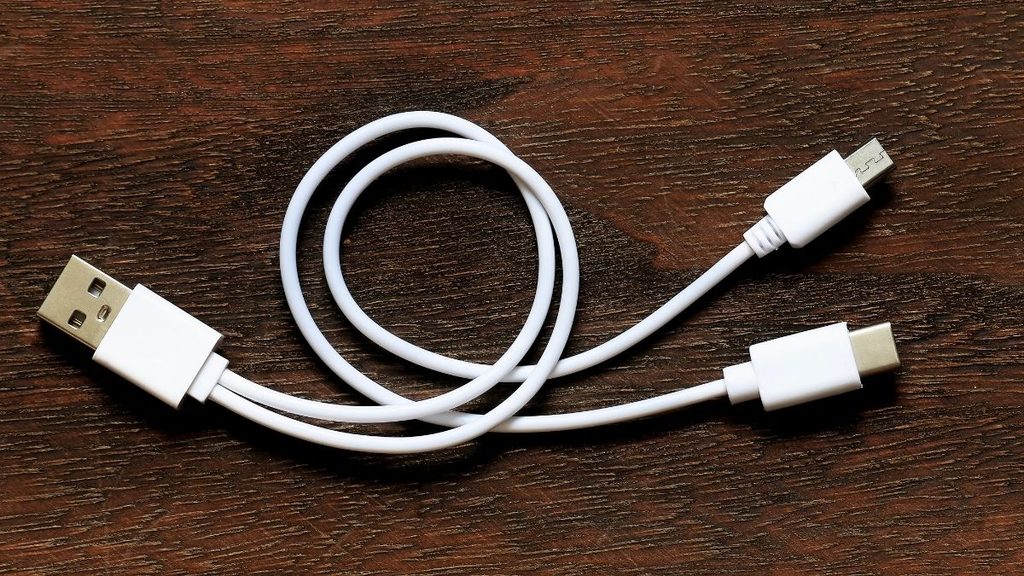
Loose cables somehow manage to tie themselves into knots the moment a suitcase closes.
A thin cable pouch creates one home for chargers, adapters, earbuds, memory cards, and small electronic accessories.
Do not turn the organizer into another packing trap.
Lay out the devices you are actually bringing. Then match each one to the cable or charger it needs. If two devices use the same charger, you may be able to bring one cable instead of two.
Shorter cables can save more room if they suit the way you travel. Keep one longer cable if you often find hotel outlets far from the bed.
The pouch should stay small. Once your electronic organizer looks like a hardware store, it is time to remove something.
13. Use One Universal Travel Adapter for International Trips
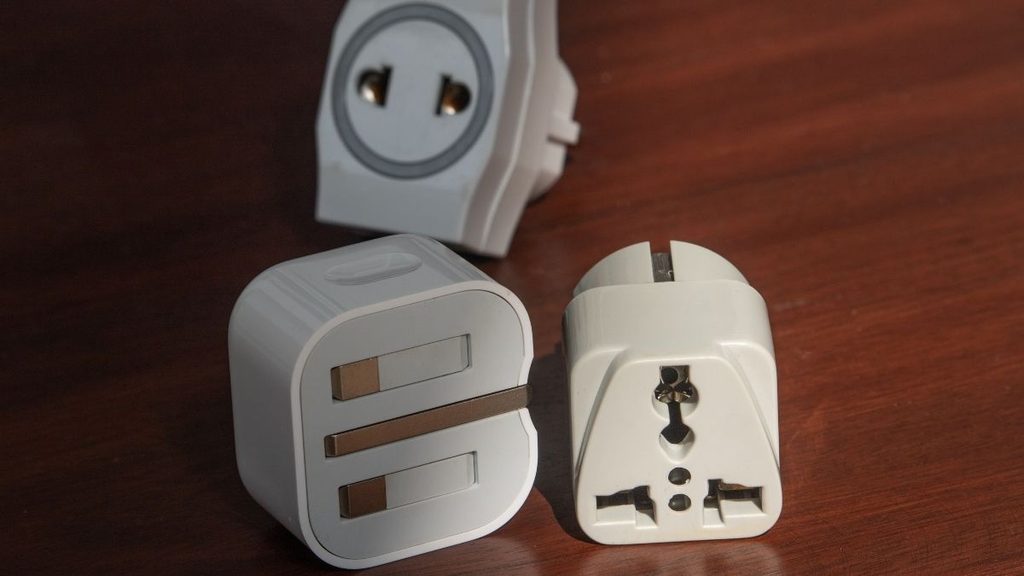
Different countries use different plug designs, which can lead travelers to carry a small pile of separate adapters.
A universal travel adapter can combine several common plug formats into one compact unit. That can be much easier when a trip includes more than one country.
There is an important catch.
A plug adapter and a voltage converter are not the same thing. An adapter changes how your plug connects to the wall. It may not change the electricity supplied to your device.
Check the voltage information printed on your charger or appliance before using it abroad. Phones and laptops often work across a broad voltage range, but hair tools and other heat producing appliances can be less forgiving.
If you do not know whether a device is suitable for the local power supply, check the manufacturer’s instructions before plugging it in.
14. Use a Small Pill Organizer When It Makes Sense
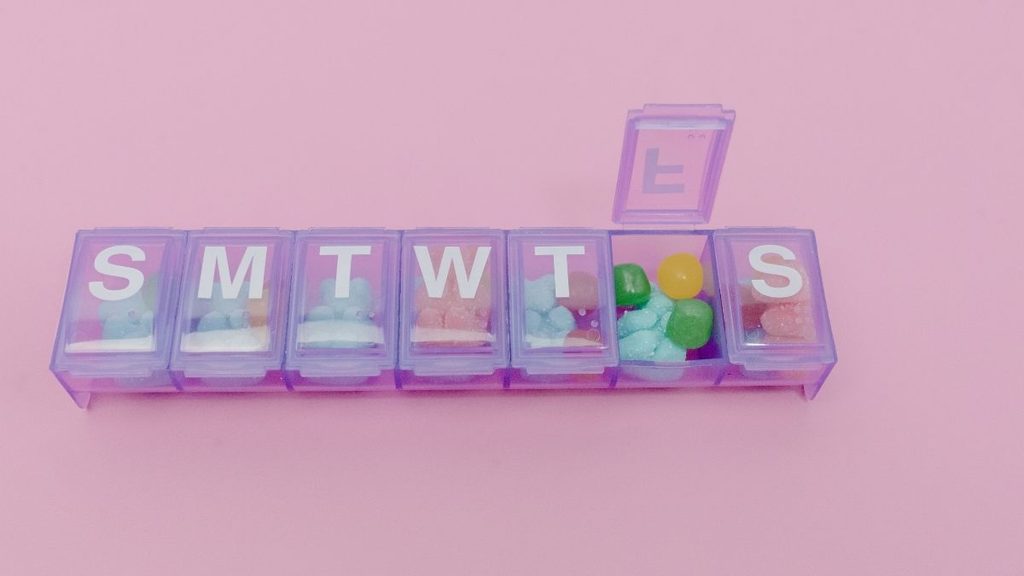
Large supplement bottles and daily containers can take up half a toiletry bag.
A compact pill organizer may reduce that bulk for vitamins and other suitable items. It also makes it easier to see whether you have taken that day’s dose.
Prescription medication requires more care.
Rules can vary between countries, and some destinations place restrictions on medicines that are common elsewhere. Keep prescription information available, and check destination rules before moving prescription drugs out of their original containers.
TSA allows medically necessary liquids in quantities above the normal liquids limit when properly declared for screening, so travelers who need liquid medication should check current guidance rather than trying to force everything into tiny bottles.
Saving space is useful. Correct medication handling matters more.
15. Build a Tiny First Aid Pouch Instead of Packing a Pharmacy
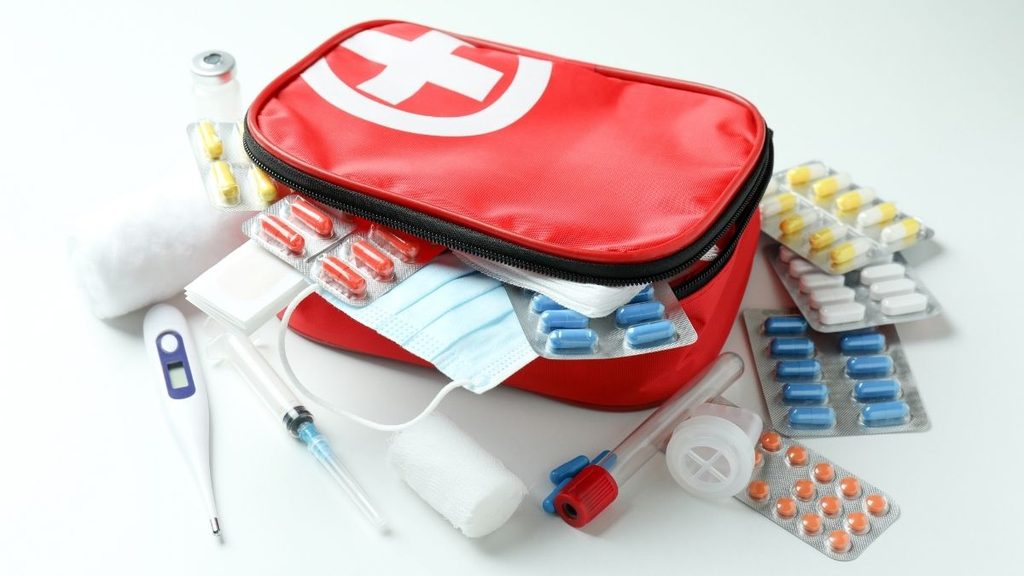
You probably do not need a giant medical kit for a weekend in Chicago, Paris, or Barcelona.
A small pouch with supplies that match your needs is usually more practical. Think about the minor problems that could actually interrupt your day.
That might include:
- A few adhesive bandages
- Blister pads
- Personal medication
- A small amount of pain relief medication where legally permitted
- Antiseptic wipes
- Any personal care item you regularly need
Keep the pouch small enough to find quickly.
More serious medical needs deserve a separate plan. This little kit is for minor annoyances, not emergencies.
Check destination rules before taking medication across an international border.
16. Bring a Folding Phone Stand Instead of Another Screen
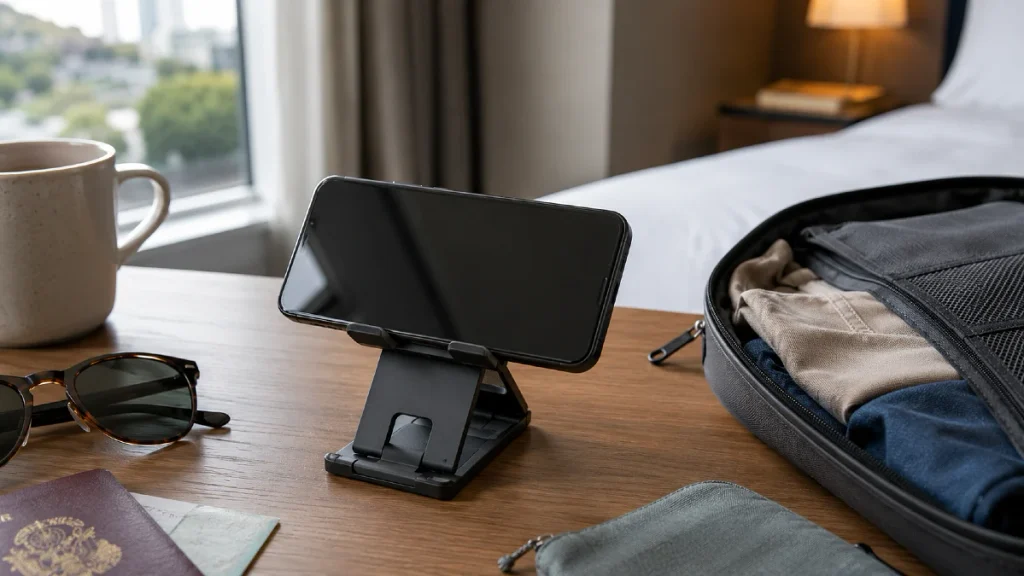
A tiny folding phone stand can do the job of much bulkier entertainment gear.
Set it on an airplane tray table when permitted. Put it on a hotel desk for a video call. Use it beside the bed to watch downloaded shows without holding your phone for an hour.
The best versions are almost flat when folded.
This is especially useful if you are already bringing a large phone and do not really need a tablet.
Small travel items work best when they help something you already own do more. A simple stand turns your phone into a small screen without adding batteries, cables, or another expensive device to protect.
17. Use Reusable Zip Pouches to Control the Tiny Stuff
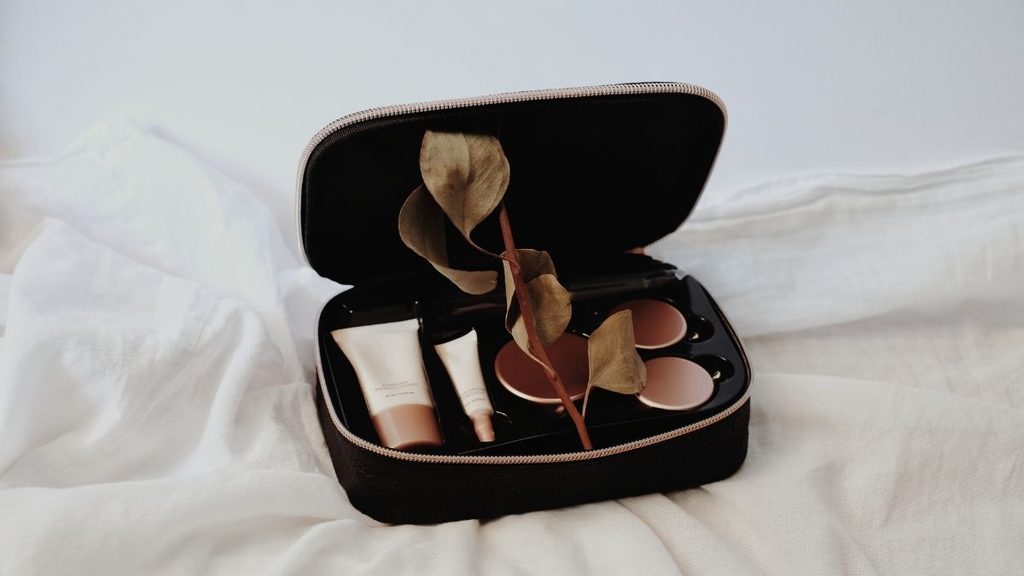
Big items rarely disappear inside luggage.
Tiny things do.
Earrings, receipts, SIM cards, medicine, charging adapters, snacks, hair ties, hotel keys, coins, and spare memory cards have a talent for reaching the deepest corner of your bag.
A few small reusable zip pouches keep them grouped by purpose.
Try simple categories:
- Electronics: adapters, cables, memory cards
- Personal: hair ties, nail file, small accessories
- Transit: coins, tickets, transport cards
- Food: tea bags, snacks, drink mixes
- Laundry: stain wipes or small detergent portions
Do not create twelve tiny bags that you then have to search through. Three or four clear categories are usually enough.
TSA also encourages travelers to keep carry on bags organized and uncluttered because packed layers and accessible items can make screening easier.