

Working from an RV sounds simple until the bills arrive. You still have campground fees, fuel, food, insurance, repairs, mobile data, and all the normal costs waiting for you at the end of the month.
Then you search for jobs you can do from an RV and find people suggesting travel blogging, YouTube, stock trading, influencing, and online stores. Some people make excellent money from those businesses. The trouble is that most do not create a dependable paycheck quickly.
There are plenty of real RV jobs, though. In July 2026, the U.S. Bureau of Labor Statistics counted about 34.1 million people who did at least some paid work from home. Roughly 16.9 million performed all of their working hours remotely.
Before Choosing an RV Job, Make Sure It Passes These 4 Tests

A good RV job needs more than a laptop. It needs to survive bad campground WiFi, travel days, small spaces, and changing locations.
First, ask how often you must be online. Writing an article is very different from spending six hours on live customer calls. One can continue during a shaky connection. The other may fall apart after a five minute outage.
Second, check whether your employer actually permits travel. A remote employee may still have to work from an approved state because of payroll, tax, licensing, client, or company rules. FlexJobs reports that about 95% of remote listings have some type of location requirement.
Third, look at your schedule. Flexible project work fits travel better than a job requiring you at your computer every weekday from 8 a.m. until 5 p.m.
Finally, think about noise and privacy. Your mountain campsite may look perfect until the neighboring family starts playing music during your client meeting.
With that reality in mind, these jobs make much more sense.
1. Bookkeeping Gives You Recurring Work Without Filling Your Day With Calls

Bookkeeping is one of the more practical jobs you can do from an RV because most of the work happens on a computer. Small companies need people to organize transactions, reconcile accounts, prepare reports, and keep financial records in order.
Cloud based accounting software makes much of this work possible from a small desk. Better still, many bookkeeping tasks can be completed during blocks of time rather than constant live meetings.
That matters when you travel. You may choose to drive on Monday, settle into a campground Monday evening, then spend Tuesday handling client accounts.
You still need secure internet and strong privacy habits because you may be dealing with sensitive financial records. Accounting and finance are among the career areas FlexJobs regularly includes in its remote work listings.
Best for: Detail focused people who like numbers and repeat clients.
Main RV problem: Protecting private financial information while using mobile connections.
2. Freelance Writing Lets You Work Around Driving Days

Freelance writing fits RV life because much of the work can happen offline. You can research while connected, save the material, and spend several hours writing even when your campsite has weak service.
Businesses hire writers for website pages, articles, newsletters, emails, product descriptions, guides, and other material. Editing and proofreading can also fit the same work setup.
The big benefit is control over your calendar. A freelancer may have a Friday deadline without being required to sit online at exactly 9 a.m. on Tuesday.
The downside is income. Freelancers must find clients, agree on rates, send invoices, and deal with slower months. You are running a small business, even if that business fits on your laptop.
Best for: Strong writers who can meet deadlines without supervision.
Main RV problem: Finding a quiet place to concentrate when everyone else thinks you are on vacation.
3. Virtual Assistant Work Fits Into a Very Small RV Office

A virtual assistant handles tasks that a company owner or manager does not want to manage alone. That could include calendars, email, research, appointment booking, data entry, customer follow up, or basic website updates.
The physical setup can be tiny. A laptop, headset, phone, and stable connection may be enough.
Some virtual assistant jobs give you flexible hours. Others require you to be available during a client’s normal workday, so read the agreement carefully.
If your client is in New York while you are exploring Arizona, the time difference may also change when your workday starts.
Best for: Organized people who are comfortable switching between small tasks.
Main RV problem: Fixed office hours can make spontaneous travel harder.
4. Customer Support Works From an RV If Your Campsite Stays Quiet

Customer service is a real remote career field, and FlexJobs includes customer service among the common areas where people can search for remote opportunities.
The work may happen through phone calls, online chat, email, or a mix of all three.
This sounds perfect for RV travel until your connection drops during a customer call. A barking dog, noisy air conditioner, campground lawn mower, or generator can cause problems too.
For that reason, customer support makes more sense for RV travelers who stay in one place for several weeks at a time. You can test your internet, find a quiet site, and create a predictable work routine.
Best for: Patient communicators who want employee work rather than finding their own clients.
Main RV problem: You may need excellent internet during every minute of your shift.
5. Software Development Can Travel Almost Anywhere With a Good Connection

Computer work is one of the clearest matches for remote employment. The Bureau of Labor Statistics’ July 2026 figures show that remote work remains especially common among management, professional, and related occupations.
About 37.6% of workers in that broad group reported working from home or teleworking for pay during the survey period.
Software developers, web developers, testers, and other technical workers can often perform large parts of their jobs with a laptop.
Some coding can also happen offline. You may only need a strong connection when downloading files, syncing work, accessing company systems, or joining meetings.
The bigger issue can be company policy. A software job advertised as remote might still require you to remain in certain states.
Best for: People who already have technical skills or are prepared to build them.
Main RV problem: Company security and location rules may matter more than the technology itself.
6. Graphic Design Needs More Skill Than Physical Space

A graphic designer can create marketing images, website graphics, presentations, advertising material, brand assets, and other visual work from an RV.
Most of the equipment can fit onto a dinette. A good laptop is the main requirement, though an external monitor can make long design sessions easier.
The work can also fit travel better than phone based jobs because design projects often have deadlines rather than constant live interaction.
Large files are the catch. Uploading video, high resolution photos, or large design packages can eat through mobile data quickly.
Best for: Creative people who already know professional design tools.
Main RV problem: Large file transfers can make limited data plans painful.
7. Digital Marketing Can Be Run From an RV Dinette
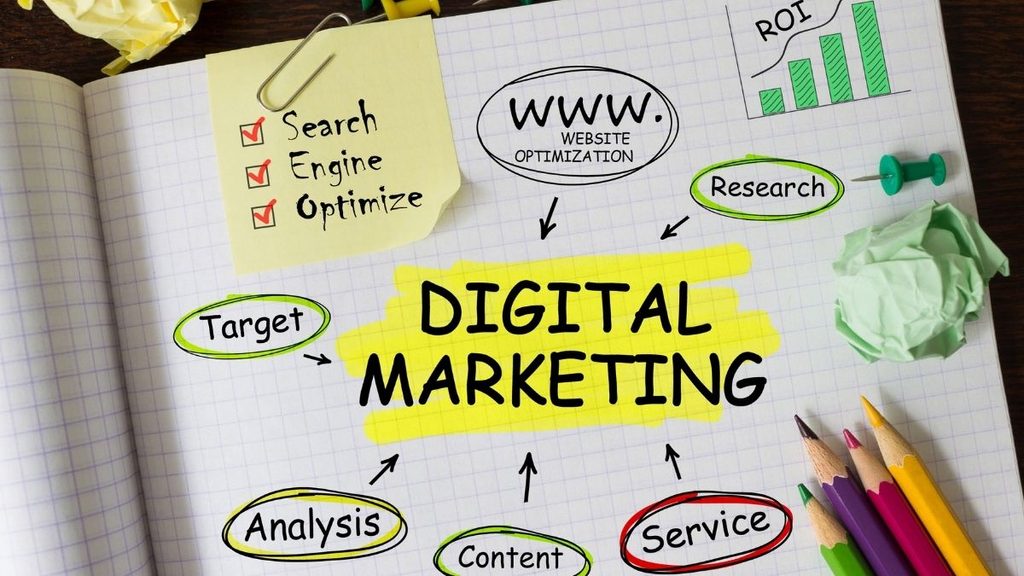
Digital marketing covers many different jobs. You could work in search marketing, email, social media, analytics, content planning, online advertising, or campaign management.
FlexJobs identifies marketing as one of the career categories where remote jobs are commonly available.
A marketer may spend the morning checking campaign numbers, the afternoon building an email campaign, and a short part of the day meeting with clients.
That can fit an RV lifestyle well, especially if most of your work is measured by results rather than your physical location.
Client meetings can still tie you to a schedule. And if you manage an important campaign, disappearing into a canyon with no cell signal for four days probably is not a good idea.
Best for: People comfortable with writing, numbers, software, or a combination of those skills.
Main RV problem: You may need internet access when campaigns or websites have problems.
8. Online Tutoring Works When You Have a Quiet Space and Strong Internet

Tutoring can turn a skill you already have into remote income. Common subjects include math, science, reading, writing, languages, music theory, and test preparation.
Education and training are also represented among remote friendly job categories listed by FlexJobs.
The setup is simple. You need a computer, camera, microphone, suitable background, and strong internet.
The schedule is less flexible. If a student books a lesson for 4 p.m., you cannot be halfway through a drive to your next campground at 4 p.m.
That makes tutoring a better match for slow travel.
Best for: Teachers and people with strong subject knowledge.
Main RV problem: Live video lessons leave little room for internet problems.
9. Remote Sales Can Pay Well If You Are Comfortable Living on the Phone
Sales is another career area that appears regularly in remote job searches.
Remote sales workers may contact potential customers, demonstrate products, manage existing accounts, prepare proposals, and follow up on leads.
Some positions include a base salary. Others rely heavily on commission. That makes it important to study the pay structure before accepting the job.
You also need excellent phone service. Losing a connection during a conversation with a major customer is much worse than losing service while writing a spreadsheet.
A good headset and quiet RV site become work equipment rather than luxuries.
Best for: Confident communicators who do not mind scheduled calls.
Main RV problem: Your campsite must function like a professional phone office.
10. Data Analysis Works Well When You Stay Put for Longer Periods

Data analysts spend much of their time working with spreadsheets, databases, reports, dashboards, and business information.
The work requires concentration more than physical space. That makes an RV desk perfectly usable if you have a comfortable chair and enough screen space.
An extra portable monitor can be particularly useful when you need to compare a spreadsheet with a dashboard or report.
The bigger challenge is meetings. Some analysts spend a large part of the week discussing results with managers and other departments.
This job therefore fits best when your RV moves on weekends or when you stay at one campground for longer stretches.
Best for: People who like numbers, patterns, reports, and problem solving.
Main RV problem: A tiny laptop screen can become tiring during long data sessions.
11. Project Management Works Better When You Travel Slowly

Project managers help teams keep work moving. They may set deadlines, run meetings, check progress, track costs, and solve problems before those problems delay the project.
Many of those tasks can be performed online. The Bureau of Labor Statistics shows that telework remains particularly common across management, business, and financial occupations. In July 2026, about 42.5% of workers in this broad group reported at least some work from home or telework for pay.
The problem is your calendar. Project managers can have many scheduled calls.
Traveling 300 miles on a workday becomes difficult if you have meetings at 9 a.m., 11 a.m., 1 p.m., and 3 p.m.
Slow travel solves much of that problem.
Best for: Experienced professionals who like keeping people and deadlines organized.
Main RV problem: Meetings can control your travel schedule.
12. Recruiting Can Be Done From Almost Any Small Desk

Recruiters spend much of their time finding candidates, reading applications, sending messages, holding interviews, and updating hiring systems.
Almost all of those tasks can happen with a laptop and phone.
Recruiting can therefore fit an RV very well if your employer allows your location. Scheduled interviews are the main limit on flexibility.
You also need privacy. A candidate may discuss salary, current employment, or personal information during an interview. That conversation should not be happening with campground neighbors sitting three feet from your open window.
Best for: People who communicate well and enjoy talking with job candidates.
Main RV problem: You need a quiet, private place for interviews.
13. Transcription and Captioning Can Fit Around Your Travel Schedule
Transcription involves turning recorded speech into written text. Captioning work can involve preparing text for recorded video and other media.
This work has one major advantage for an RV traveler. A recorded file does not care whether you work at 8 a.m. or 8 p.m.
Good headphones are important. So are typing speed, grammar, and accuracy.
Pay can vary a great deal, so compare the amount you receive with the actual time required. A sixty minute recording may require far more than sixty minutes of work.
It may therefore be more useful as flexible extra income than as the highest paying career on this list.
Best for: Fast, accurate typists who prefer independent work.
Main RV problem: Low paying projects may consume more hours than expected.
14. Seasonal Campground Work Can Reduce the Cost of RV Living

Your job does not have to happen online just because you live in an RV.
Campgrounds, parks, resorts, farms, tourist businesses, warehouses, and seasonal destinations hire temporary workers. Campground positions can include reservations, check in duties, cleaning, grounds work, maintenance, or hosting.
The job ties you to one location for a period of time, but that can actually help your budget. Some arrangements include a campsite or reduced site cost as part of the deal.
This style of work suits travelers who prefer spending several months in one region before moving somewhere else.
It can also be useful for retirees who want income without maintaining a normal twelve month career schedule.
Best for: RV travelers who like slow seasonal moves and face to face work.
Main RV problem: You give up some travel freedom during the working season.
These 6 RV Income Ideas Are Possible, but Don’t Treat Them Like Guaranteed Paychecks
Some RV income ideas get far more attention online because they make great stories.
“Quit your job and earn money while traveling” sounds much more exciting than “spend Tuesday reconciling a client’s bank account.”
But excitement and dependable income are different things.
The following six ideas can become businesses. Some people do extremely well with them. They become fantasies when someone assumes buying an RV automatically makes the income appear.
1. Becoming a Travel Influencer Is a Business, Not an Instant RV Job

Posting pretty campground photos is easy. Building an audience large enough that companies consistently pay you is much harder.
You need content, photography or video, editing, audience growth, communication with brands, contracts, invoicing, and a reason for people to keep paying attention.
Sponsorships may also come in waves rather than arriving as a predictable paycheck.
If you enjoy creating travel content, start it. Just keep another income source while the audience is small.
Better plan: Build your social channels beside a proven job until the income has been dependable for a meaningful period.
2. An RV YouTube Channel Can Take Far More Work Than the Videos Suggest

A successful RV channel may look like two people driving through beautiful places and filming dinner beside a lake.
Behind that video can be hours of filming, organizing footage, editing, making thumbnails, researching topics, answering comments, managing sponsors, and uploading huge video files.
Video also needs data. Uploading large files from a remote campground can become a project by itself.
YouTube can become a genuine business. It is simply a poor plan for paying immediate bills when you start with no audience.
Better plan: Treat your first videos as building an asset rather than earning your next month’s campsite fee.
3. A Travel Blog Usually Needs Traffic Before It Needs an RV

Travel blogging has the same basic problem.
Writing articles is easy compared with getting enough people to read them. A site may need search traffic, email subscribers, social traffic, advertising, sponsorships, or affiliate sales before it generates useful income.
Revenue can also move up and down as traffic changes.
A blog can become valuable because old articles may keep attracting readers. But there is a large difference between operating an established website and starting one from a campground next Monday.
Better plan: Build the site while another job pays your normal expenses.
4. Day Trading Should Never Be Confused With a Regular Paycheck

Yes, you can buy and sell securities from a laptop inside an RV.
That does not make trading a normal remote job.
A job pays you for useful work. Trading puts your own capital at risk in the hope of making a return. Losses are possible, and your campground bill still arrives if the market moves against you.
Long term investing and retirement planning are separate financial topics. Trying to turn short term market moves into your required monthly income creates a very different level of risk.
Better plan: Do not build an RV budget that depends on making a certain trading profit every month.
5. Dropshipping Still Requires a Real Retail Business

Dropshipping gets promoted as a business you can operate without storing products yourself.
That solves one RV problem because you are not filling the bedroom with boxes.
It does not solve the business problems.
You still need customers. That can mean advertising, content, customer support, supplier management, refunds, payment processing, website maintenance, and complaints about deliveries you did not personally control.
You can run that business from an RV. But the fact that it fits on a laptop does not guarantee profit.
Better plan: Test the business before depending on it for living expenses.
6. Selling Handmade Products Gets Harder When Your Home Is Small and Moving

Selling handmade goods sounds like an appealing RV business because you can create products while sitting at a campsite.
Then inventory starts taking over the cupboards.
You also need materials, packaging, labels, shipping supplies, and somewhere to receive replacement stock. Shipping orders while moving between rural campgrounds creates another headache.
Digital products remove many of these physical problems. Handmade physical goods do not.
Better plan: Keep inventory small or make products to order until you know whether demand justifies giving up precious RV storage.