
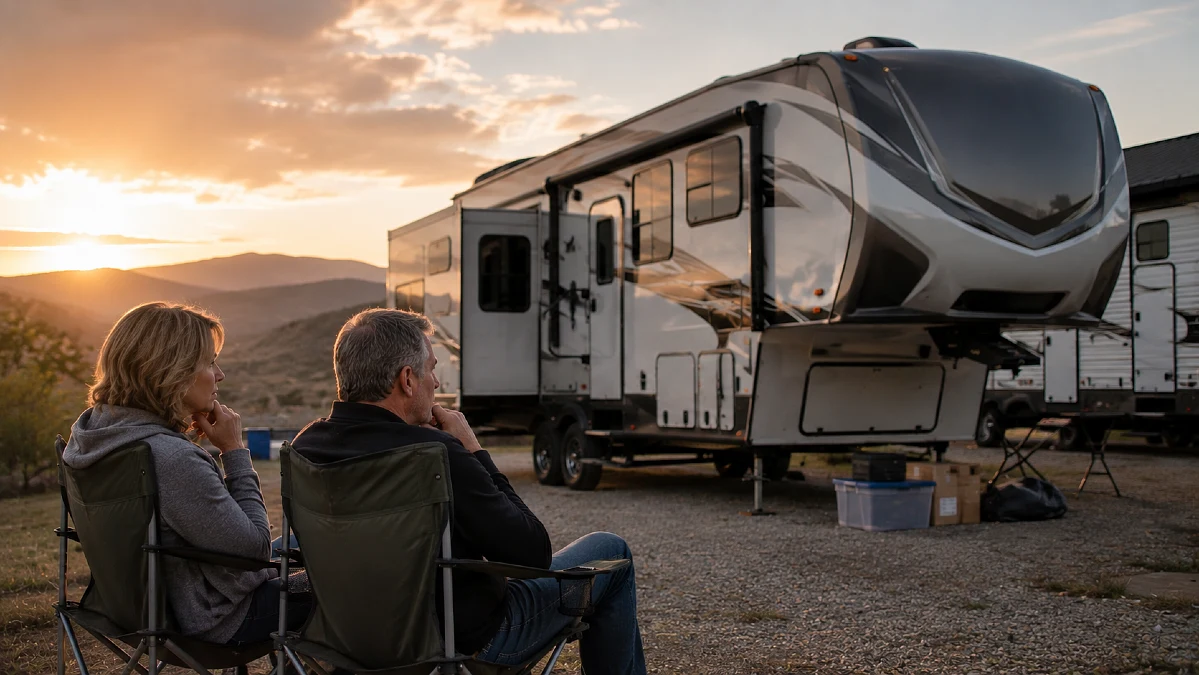
An RV can feel perfect when you first walk inside. There is a bed, a kitchen, your own bathroom, plenty of storage, and the promise that you can leave town whenever you want.
Then real ownership starts. You discover where it has to be stored, how long setup takes, what repairs cost, which campsites it fits, how much fuel you burn, and how often your family can actually get away.
That gap between the RV you pictured and the RV you actually use sits behind many cases of RV purchase regret. Public owner discussions show complaints about very different rigs, from small travel trailers to 40 foot diesel motorhomes.
1. The 39 Foot Toy Hauler Became Too Much RV
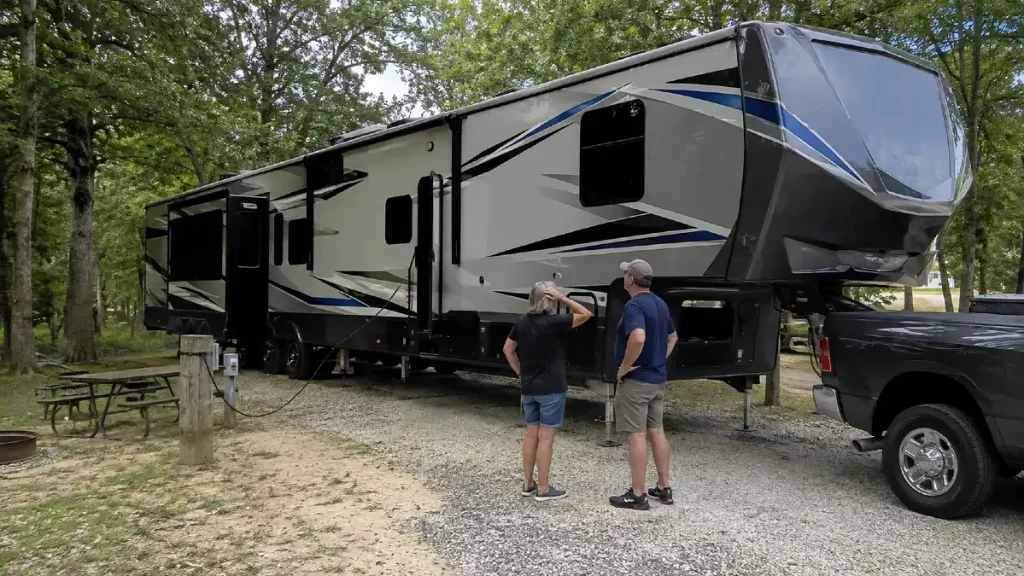
One owner described selling a 39 foot toy hauler and feeling relieved once it was gone. The family simply did not use it as much as expected, and the owner admitted they had gone too big too quickly.
That is one of the easiest RV buying mistakes to make. A large living room, extra beds, a second bathroom, or a garage can look useful at the dealership, but every extra foot follows you down the highway and into the campground.
A large RV may need a larger tow vehicle, a bigger storage spot, more careful route planning, and more room at camp. Before buying the biggest trailer you can afford, ask a better question: What is the smallest RV that comfortably handles the trips you actually take?
2. A $400 Monthly Payment Hurt When the Camper Was Used Once
Another owner in the same discussion said the RV had been used only once during the previous year. Getting rid of the roughly $400 monthly payment brought relief because the camper had become more useful as extra sleeping space for visiting family than as a travel vehicle.
This is why shopping by monthly payment can hide the real cost. You may still have insurance, registration, maintenance, storage, accessories, campground fees, and a tow vehicle to pay for while the RV sits.
Bankrate also warns that RV ownership brings maintenance and storage costs on top of the purchase itself. Some RV loans can stretch for many years, so a low monthly payment does not automatically make the purchase cheap.
Before buying, estimate how many nights you will realistically camp during the next year. Divide your expected yearly ownership costs by those nights. That number may change what you are willing to spend.
3. The Floor Plan Looked Perfect Until They Actually Lived in It
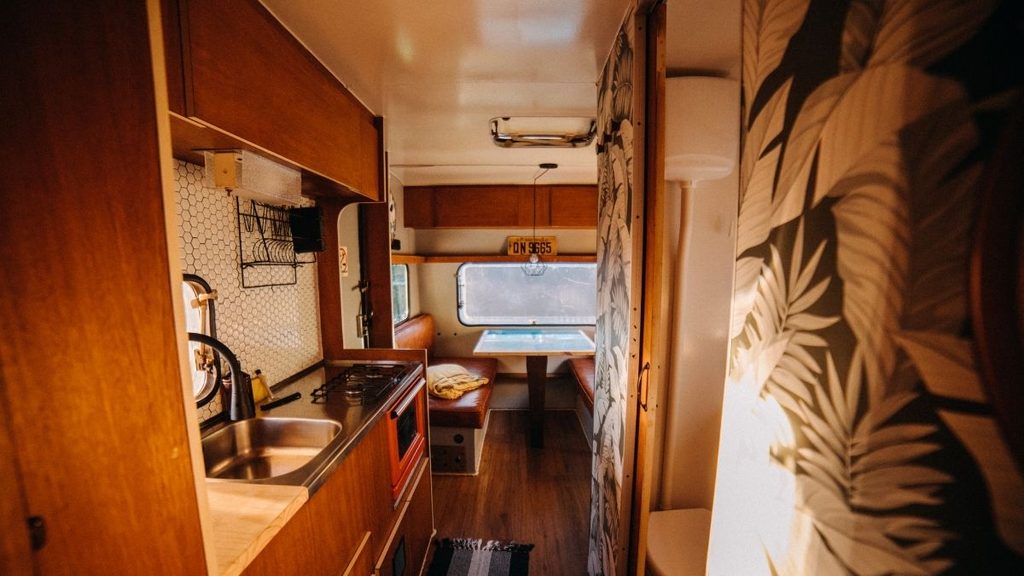
One travel trailer owner said the first RV seemed like everything the family wanted. After using it, they discovered that the sleeping capacity looked good on paper while the actual living space worked poorly for the way they camped.
Rainy days made the problem obvious. The seating was wrong for relaxing inside, the kitchen arrangement was awkward, and the family eventually traded the trailer for a layout that matched their habits much better.
The owner later said the mistake was thinking about how other people camped instead of how their own family camped. They wished they had spent more time sitting on the furniture, checking TV angles, and comparing different layouts before buying.
Do that before you sign. Sit on the sofa for 20 minutes, make the bed, stand at the stove, open the refrigerator, use the bathroom, and see what happens when two people try to pass each other.
4. Financing an RV You Rarely Use Gets Painful Fast

Another owner kept a 27 foot Jayco for about a year before selling it. Finding camping spots had become difficult enough that the financing and insurance no longer felt worth paying.
Selling early can hurt because RV values can fall quickly. J.D. Power says motorized RVs can lose up to 20 percent of their value during the first year and around 37 percent after five years, though the exact loss varies by type, brand, age, and condition.
That matters if you owe more than the RV can bring on the used market. A buyer who discovers six months later that the RV is the wrong size cannot assume the loan balance and resale price will match.
Check current used values before buying new. Then ask yourself whether you could afford to sell the RV after one or two years if your plans changed.
5. Offsite Storage Made Every Weekend Feel Like Work
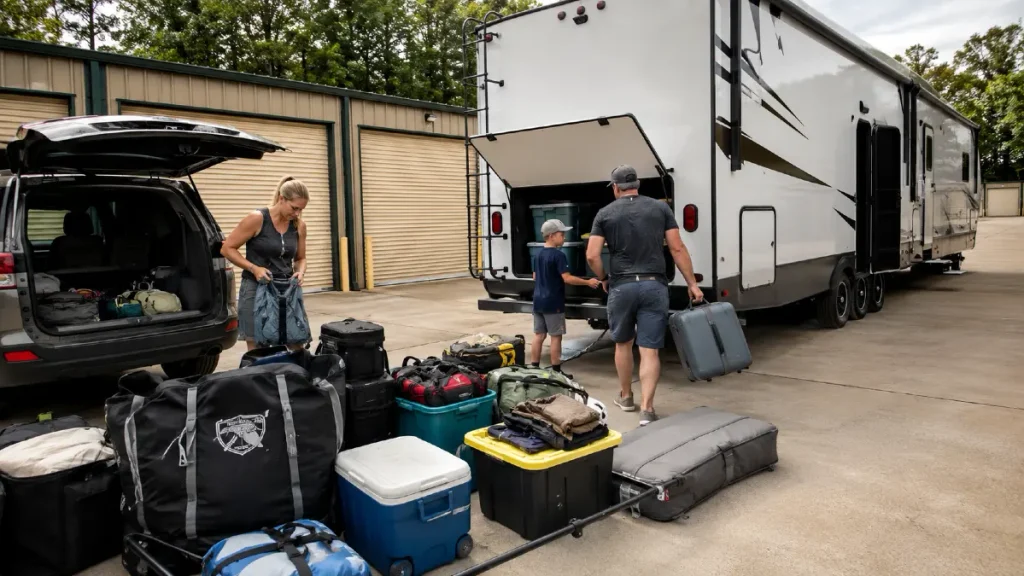
One owner expected to use a travel trailer much more often. Instead, a weekend away meant going to storage, bringing the trailer home, packing food and clothes, loading children and dog supplies, hitching up, cleaning afterward, and returning everything to storage.
Another motorhome owner described a similar problem. Keeping the RV away from home made spontaneous weekend trips harder and even made do it yourself repairs less convenient.
Storage also has a financial cost. Camping World says RV storage can run from around $50 per month to several hundred dollars depending on location, RV size, security, and whether the space is open, covered, or indoors.
Before buying an RV, solve the storage problem first. A camper parked 30 minutes away may get far less use than one you can load outside your home.
6. Rushing the Inspection Turned Excitement Into Regret
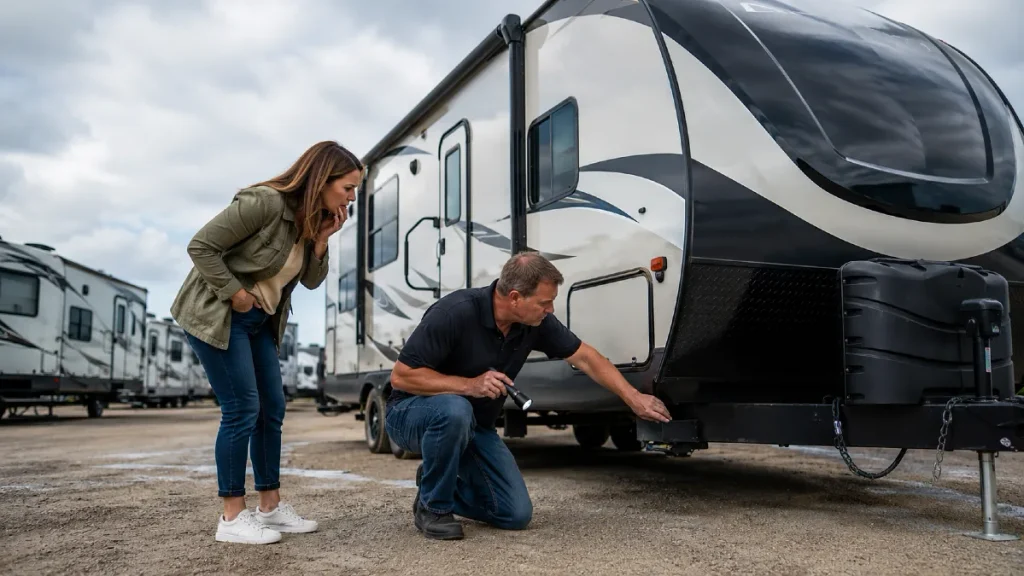
One owner offered a simple lesson after making an expensive mistake: do not shop when you are short on time. The buyer rushed the first inspection, left a large down payment, then noticed more problems when returning later to finish the paperwork.
By then, walking away meant losing money. More problems continued to appear after the purchase.
An independent inspection can give you another set of eyes. The National Recreational Vehicle Inspectors Association says its certified inspectors evaluate visible conditions and the operation of RV components so buyers have more information before purchasing.
A beautiful interior should never rush your decision. Check the roof, seals, appliances, electrical system, plumbing, slide mechanisms, tires, structure, and signs of moisture before the purchase becomes final.
7. Campground Reservations Ruined the Freedom They Expected
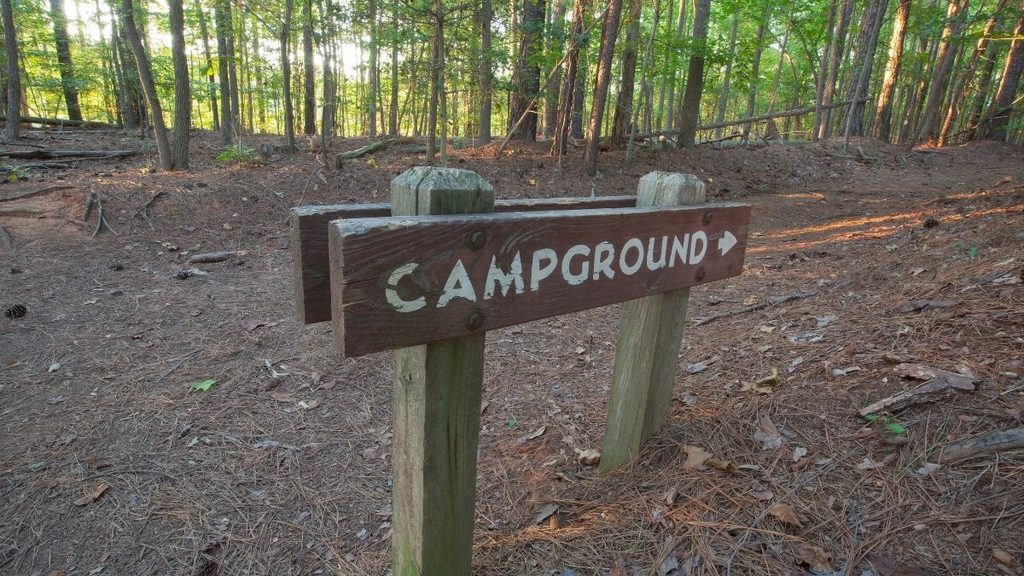
One owner said the expected feeling of freedom never really arrived. The family had pictured last minute weekend trips, but campgrounds they wanted to visit were often booked well before the weekend.
That does not mean RV travel cannot be flexible. It means the amount of freedom you get depends heavily on where, when, and how you like to camp.
Yosemite says campgrounds that require reservations are usually full during much of the main season. Recreation.gov also allows campers to filter sites by RV type, vehicle length, hookups, and other needs, which makes it useful even before you own an RV.
Search for campsites near five places you already want to visit. Enter the length of the RV you are considering. The results will tell you much more than another dealership tour.
8. A 40 Foot Diesel Motorhome Added Size but Not Satisfaction
One public owner account describes severe buyer’s remorse after purchasing a 40 foot diesel motorhome. More size had been part of the appeal, yet the owner felt the usable space and storage were worse than expected and quickly wanted something simpler.
A larger motorhome can feel amazing while parked with every slide open. Driving it through a fuel station, backing into a campsite, finding storage, and planning destinations are different tests.
The National Park Service warns that RV sites vary widely in what they can hold. It tells RV campers to check size restrictions and space for features such as slide rooms before visiting.
Choose your destinations before choosing your length. If forest campgrounds and older national park sites are your goal, the biggest RV you can buy may be the wrong RV for you.
9. The RV Worked for the Owner but Failed the Dog Test
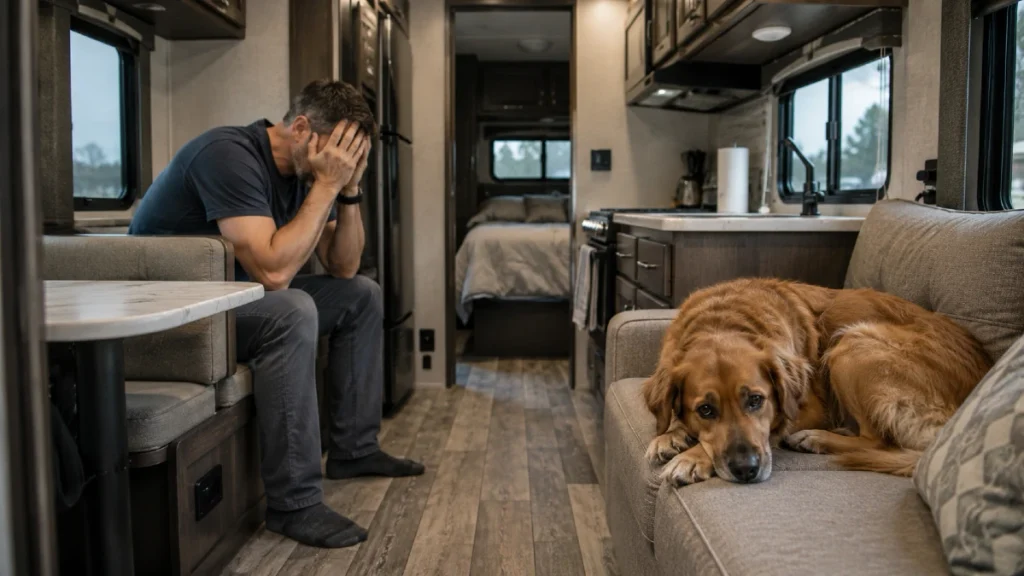
A first time owner of a 24 foot Winnebago reported major buyer’s remorse after dealing with generator noise, cooling problems, electrical interruptions, and a dog that hated being inside the RV. The owner was soon considering trading it for something better suited to them.
Pets are easy to forget during RV shopping because the dealership visit is usually quiet. The real RV will move, rattle, run fans, operate appliances, and spend time in unfamiliar campgrounds.
If your dog travels everywhere with you, the pet belongs on your buying checklist. Think about safe riding space, temperature control, noise, floor space, access to the door, and how your pet reacts when left inside.
Renting before buying can help here. A weekend test can expose problems that never appear during a 30 minute showroom visit.
10. A 42 Foot Fifth Wheel Could Not Go Everywhere
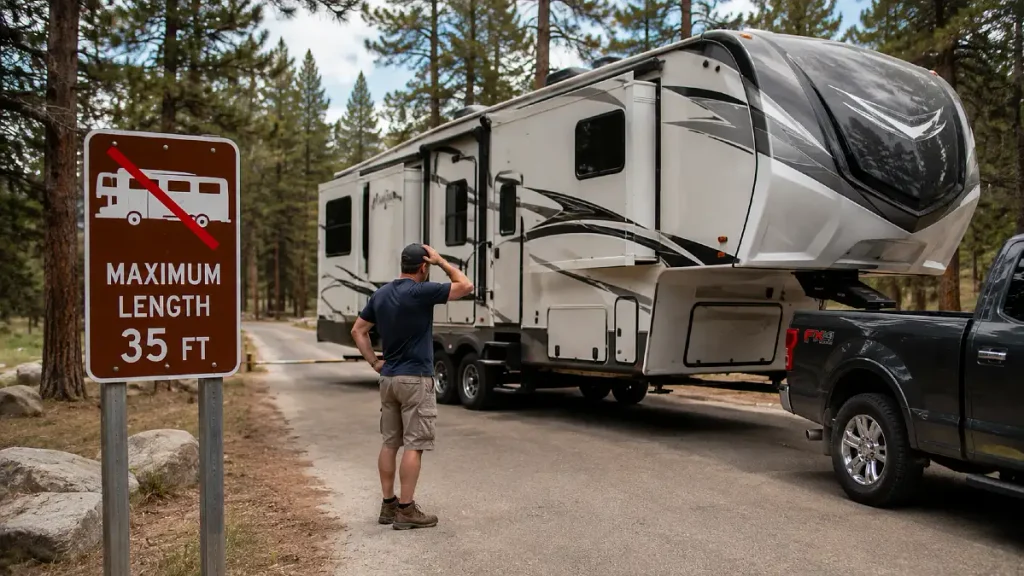
A fifth wheel owner with a 42 foot rig said the camper was impressive but had been rejected by campgrounds because of its size. Since the family no longer planned to use it for extended living, the owner began considering something around 28 to 30 feet that would be easier to move and park at home.
The campground limits are real. Joshua Tree currently says some campgrounds have combined RV and trailer limits of 25 feet, while other areas can handle larger rigs.
Rocky Mountain National Park lists maximum RV or trailer lengths of 30 feet at Aspenglen, 35 feet at Glacier Basin, 40 feet at Moraine Park, and 30 feet at Timber Creek.
Every extra foot gives you more interior space. It can also remove camping choices. Decide which one matters more before buying.
11. An Impulse Purchase Hid Serious Water Damage
One buyer considering an older motorhome received a warning from another RV owner who had bought a 1983 motorhome without inspecting it closely enough. Water damage and rot later turned the purchase into a large repair project, and the owner called the decision impulsive.
Age alone was not the main problem. The condition of that specific RV was.
Water is one of the things you should take seriously during any RV inspection. Camping World’s 2026 maintenance guidance recommends regular roof seal checks because keeping water outside is a basic part of protecting an RV.
Look for staining, soft flooring, damaged wall panels, musty odors, swollen wood, cracked seals, and past repairs. If something feels wrong, stop and investigate before handing over money.
12. One Owner’s Biggest Regret Was Skipping the Inspector
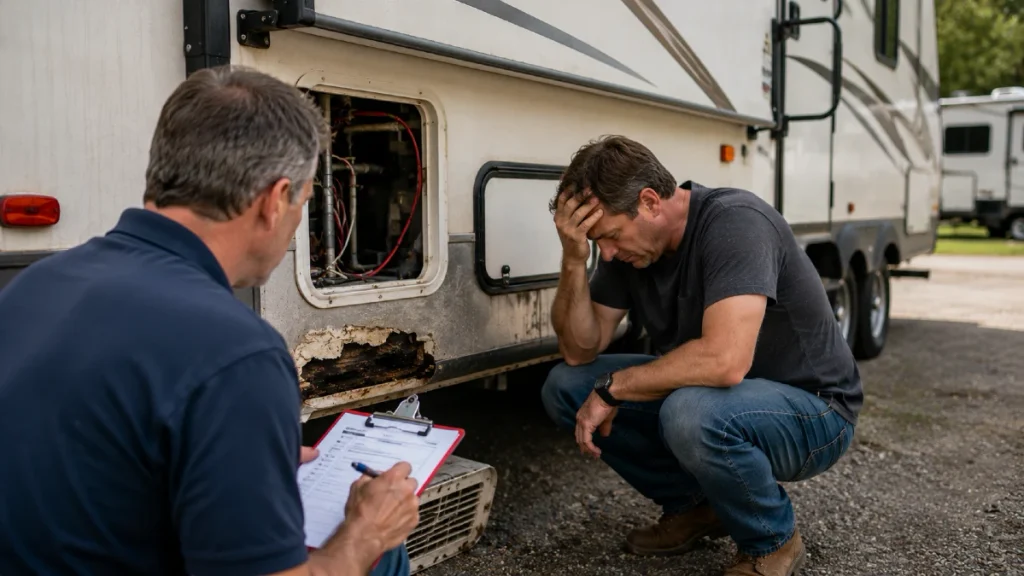
Another person answered a question about RV regret with a very specific complaint: they wished they had hired an inspector before buying because several issues appeared afterward. Other owners in the discussion agreed that an inspection was worth considering.
The NRVIA advises buyers to ask inspectors exactly what the inspection covers, request the points of inspection, review a sample report, and make sure the seller knows that an independent inspector will examine the RV.
An inspection cannot promise that an RV will never break. It can reduce the number of things you are accepting without knowing about them.
Spend money learning what you are buying before spending far more money fixing what you missed.
13. Cheap RV Living Stopped Looking Cheap Once Parking Was Added
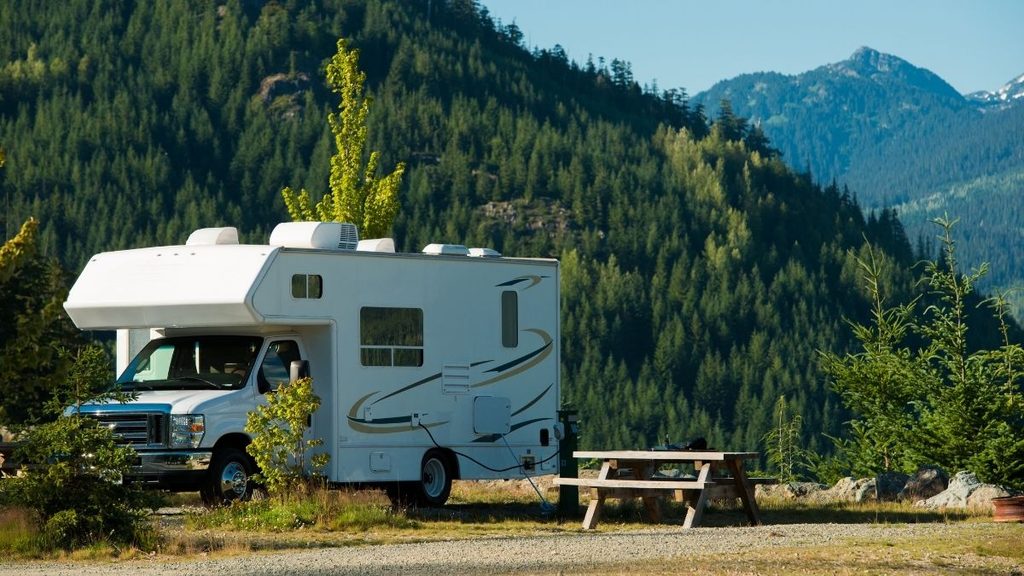
A full time RV discussion included owners warning that finding an affordable place to park can become a major expense. The exact amount varies greatly by region, season, campground, length of stay, and amenities, which is why one person’s cheap RV life can be another person’s expensive one.
The campsite is only part of the budget. Camping World tells buyers to account for insurance, fuel, repairs, storage, campsite costs, utilities, maintenance, and supplies instead of looking only at the purchase price.
Camping World also reports that owners commonly spend about $300 to $1,000 yearly on scheduled maintenance, while many experienced RVers keep extra money available for unexpected repairs. Actual costs can be much higher or lower depending on the RV and how it is used.
Build a full 12 month budget before buying. Include months when the RV does nothing because those months still cost money.
So What Did All 13 Owners Get Wrong?
The common problem was buying the RV before fully testing the life that came with it.
Some bought too large. Some chose the wrong floor plan. Some underestimated repairs, storage, campsite limits, reservations, pet problems, or monthly costs. Others simply discovered that their family did not have enough free weekends to use what they had purchased.
That does not make RV ownership a bad idea. RVIA’s 2025 research estimates that about 8.1 million American households own an RV, so there are clearly millions of households for whom the lifestyle works.
The better lesson is to make the RV earn your money before you buy it.
Rent something similar. Camp in it. Price storage. Search actual campsites. Check your towing numbers. Get the exact RV inspected. Sit inside the floor plan for longer than feels necessary. Then calculate what ownership will cost even during months when you stay home.