
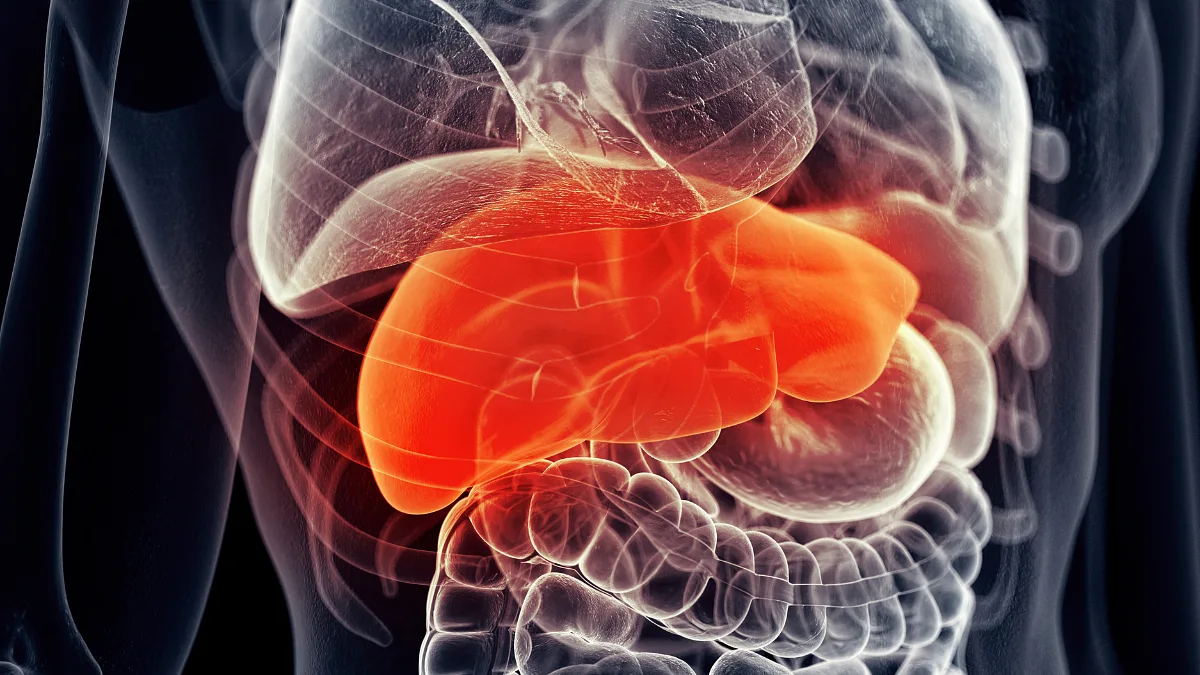
Most people think they are safe if their doctor says their liver enzymes are normal. But standard tests sound the alarm way too late. By the time your numbers look bad, your liver has fought sugar fat for nearly a decade.
You need a better way to check your health. In this guide, we explain how your liver hides this damage. We cover the new medical term for fatty liver, called MASLD.
You will learn the exact blood test needed for MASLD early detection. This single test reveals the early signs of liver damage from sugar 8 years before standard labs catch it.
The 8 Year Silent Window: How Sugar Slowly Overwhelms Your Liver

Think about what happens when you drink a soda. Your body digests the sugar and sends it straight to your liver. Excess sugar causes big problems. Fructose is especially hard on your body.
The liver is the only organ that processes fructose. It takes that liquid sugar and converts it directly into fat. Doctors call this process de novo lipogenesis.
This fat buildup causes a specific condition. Medical experts updated the name for non alcoholic fatty liver disease in 2026. They now call it MASLD. This stands for Metabolic dysfunction Associated Steatotic Liver Disease.
The word steatosis simply means fat accumulation. MASLD now affects over 30% of the global adult population.
Your liver is tough. It tries to handle this sugar liver damage by working harder. We call this the compensation phase. Think of your liver like a suitcase.
You can keep stuffing clothes into it by sitting on it to force it shut. Your pancreas acts like the person sitting on the suitcase. It pumps out massive amounts of insulin to force your liver to keep processing the excess energy.
This extra insulin keeps your blood sugar looking perfectly normal on standard tests. But the suitcase zipper will eventually break. Clinical data from experts like Dr. Robert Lustig shows a scary truth.
This metabolic dysfunction and insulin resistance starts 8 to 10 years before your fasting blood glucose ever goes up. You have an 8 year window to catch the problem and reverse fatty liver disease.
Why Standard Liver and Blood Tests Miss the Danger
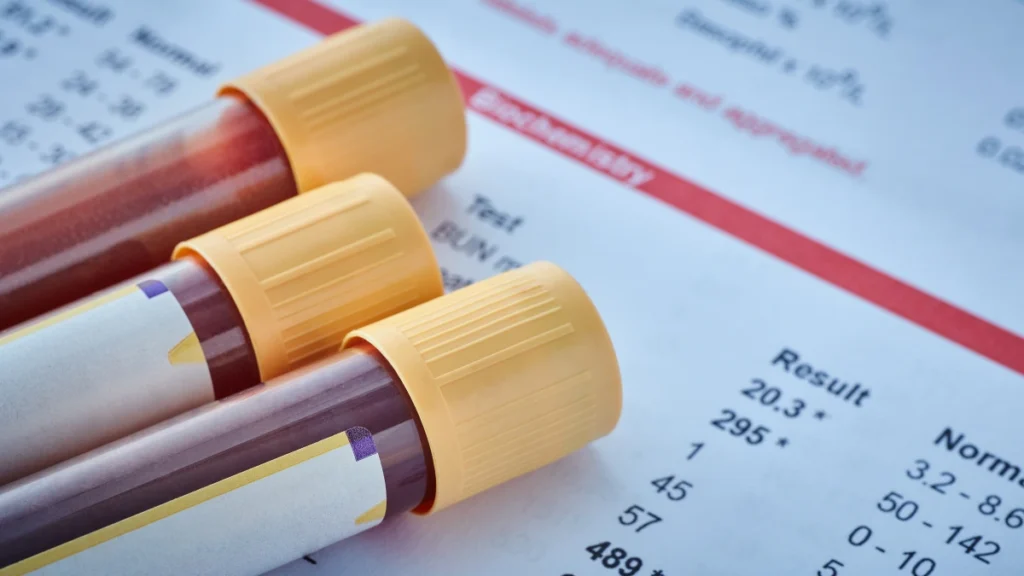
Many people feel a false sense of security after their annual physical. You might smile when your doctor says your liver enzymes normal results mean you are healthy. But the standard tests are lying to you.
A standard metabolic panel usually checks two specific liver enzymes. These are AST and ALT. These enzymes only elevate when your liver cells are actively dying and bursting open. They spill into your blood when the damage is already severe.
Normal enzyme levels do not mean your liver is free of fat. Up to 70% of people with early stage MASLD have entirely normal liver enzymes. They have zero obvious MASLD symptoms. Their liver is silently filling with fat while their test results look perfect.
Your doctor will also check your HbA1c and fasting glucose. These tests measure your blood sugar over time. But these numbers only rise after your liver gives up.
They spike when the compensatory mechanisms have completely exhausted themselves. Your pancreas simply cannot produce enough insulin to force the suitcase shut anymore.
Relying on AST, ALT, and HbA1c means you miss the entire early warning period. You need a test that looks at the compensation phase instead of the failure phase.
The One Number You Need: Fasting Insulin and Your HOMA IR Score
The ultimate truth teller for your liver is your Fasting Insulin. This is the exact number you need to find the early signs of liver damage from sugar.
Your doctor probably does not order a fasting insulin test for liver health. You must ask for it directly. When you get the results, you need to know how to read them.
Conventional medicine says a fasting insulin level up to 15 or 25 µIU/mL is completely normal. But optimal health is very different from lab normal.
Functional hepatology in 2026 notes that anything above 5 to 7 µIU/mL indicates early liver compensation. A high number means your pancreas is working overtime to deal with liver fat.
You can use your fasting insulin result to find your exact risk level. You just need to calculate your HOMA IR score. This stands for Homeostatic Model Assessment for Insulin Resistance. You do this HOMA IR calculation using your fasting glucose and fasting insulin numbers.
A HOMA IR score above 1.5 is the earliest warning sign of liver fat. It proves your liver is struggling long before your blood sugar rises.
Standard vs. Optimal Lab Ranges
| Blood Marker | Conventional “Normal” Range | Optimal Health Range |
| Fasting Insulin | Up to 25 µIU/mL | Under 7 µIU/mL |
| HOMA IR Score | Not typically calculated | Under 1.5 |
| Fasting Glucose | Under 100 mg/dL | 70 to 85 mg/dL |
| ALT Enzyme | Up to 44 IU/L | Under 20 IU/L |
The Backup Plan: How to Check Your Triglyceride to HDL Ratio
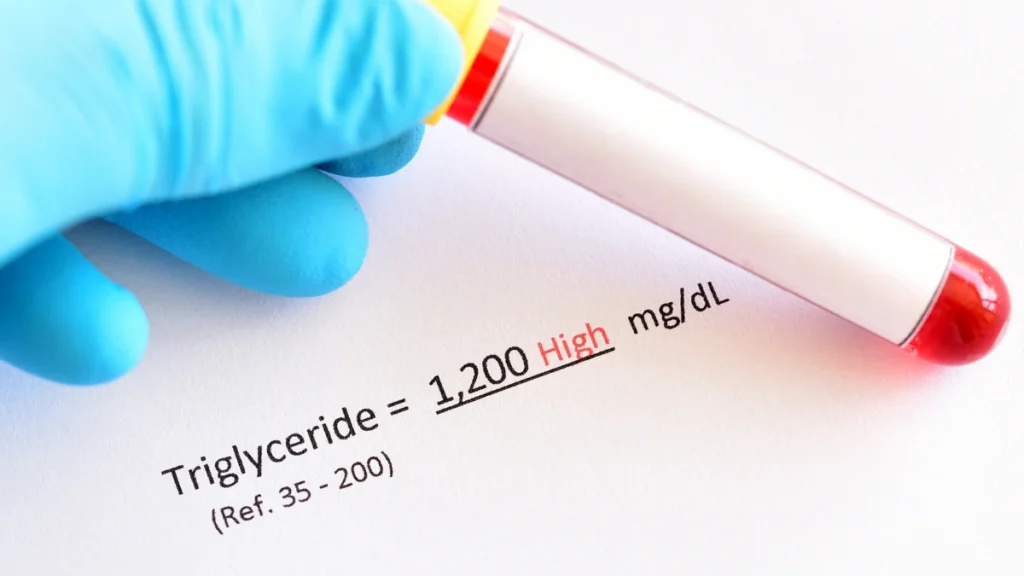
Sometimes a doctor will refuse to order a fasting insulin test. You still have options for MASLD early detection. You can look at your standard lipid panel to spot early problems.
You need to check your triglycerides and your HDL cholesterol. High triglycerides act as a massive red flag. Your liver packages extra fat and exports it into your blood as triglycerides. If you have triglycerides liver fat is usually the root cause. Low HDL cholesterol is another bad sign.
You can use these two numbers to find your ratio. Simply divide your triglycerides by your HDL. A ratio under 1.5 is ideal.
Anything over 2.0 strongly predicts hepatic insulin resistance. This simple math trick gives you a clear picture of your liver health using tests you probably already have.
3 Actionable Steps to Reverse Early Liver Fat in 2026
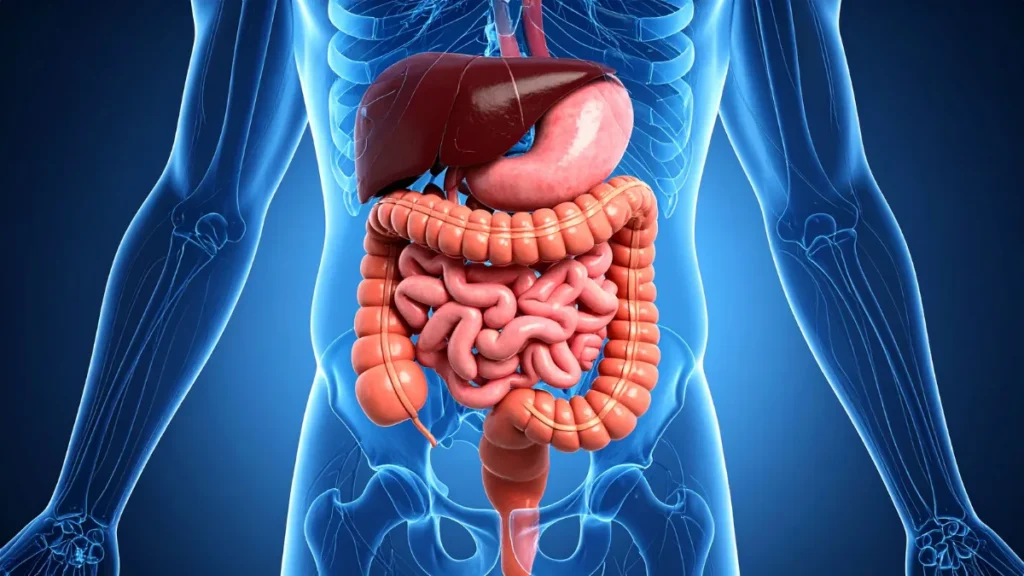
The good news is that your liver is highly resilient. It is the only organ that can fully regenerate. You can reverse fatty liver disease and heal liver damage by making specific changes.
Researchers like Dr. Benjamin Bikman note that liver fat responds very quickly to lifestyle shifts. You can reduce hepatic fat by up to 30% within just 4 to 6 weeks of targeted intervention.
Here is exactly how to fix the problem:
- Change your nutrition: You must stop drinking liquid fructose. Sodas and fruit juices directly fuel liver fat storage. Cut out processed carbs. A proper MASLD diet focuses heavily on high quality protein and fiber. These foods keep your insulin levels low.
- Move after you eat: Strategic movement is a powerful tool. Take a 10 minute walk after your meals. Your muscles will act as a glucose sink. They will soak up the sugar from your blood. This diverts the sugar away from your liver.
- Start targeted fasting: Your liver needs a break from constant digestion. Give your body a 12 to 14 hour overnight fasting window. This allows your insulin levels to drop back to baseline. Low insulin tells your liver it is safe to burn stored fat for energy.
Conclusion
Your liver takes a lot of abuse. It silently bears the brunt of excess dietary sugar for years before standard labs catch the damage. You cannot rely on normal liver enzymes or basic blood sugar tests. They simply show up too late to the party.
By tracking your Fasting Insulin, you can catch the compensation process early. Ask your doctor to add a Fasting Insulin test to your next blood draw. You can also take control of your own health.