

For the last two decades, you have probably been starting your day with the “gold standard” of a healthy morning: a bowl of oatmeal, a slice of whole wheat toast, and a glass of orange juice.
But here is the real problem. This exact combination of high carb, low fat foods may be quietly acting like sandpaper on your blood vessels. They strip your arteries of their youthful elasticity just when you need it most.
You will discover how daily blood sugar spikes drive vascular aging. You will learn the science behind Advanced Glycation End products (AGEs). And you will get the exact morning blueprint you need to reverse vascular damage.
It is entirely possible to reduce arterial plaque naturally. Read on to learn how to avoid the hidden high carb breakfast risks driving arterial stiffness after 50.
The 1990s “Heart Healthy” Lie: Why Carbs Replaced Fat

Remember the food pyramid we all grew up with? It told us to eat lots of bread, cereal, and pasta.
In the late 20th century, health experts pushed a strict low fat agenda. Food companies rushed to remove fat from their products to please the public. But fat equals flavor.
To make the food taste good again, they added refined sugars and fast digesting carbohydrates. This shift created the false belief that all grains and juices are automatically good for the heart.
Think about it this way. A traditional healthy breakfast of instant oats, skim milk, and orange juice looks great on paper. But it can pack up to 60 to 80 grams of rapidly digesting carbohydrates into a single meal.
Your body treats this massive dose of carbs just like a bowl of candy. A morning routine based entirely on carbs is a recipe for vascular disaster. These high carb breakfast risks set you up for a day of unstable energy. They also cause quiet, constant damage to your arteries.
The “Sandpaper” Effect: How Glucose Spikes Cause Arterial Stiffness After 50

When you drink a glass of juice, your blood sugar spikes within 20 minutes. This rapid rise in sugar is incredibly dangerous for your arteries.
Here are the 3 steps of how blood sugar damages an artery:
Glycemic Impact
Vascular Damage Sequence
The Spike
Fast carbs flood your bloodstream with excess glucose, creating a rapid, unnatural surge in energy and chemical load.
The Inflammation
This excess sugar acts like sandpaper on the delicate inner lining of your blood vessels, causing widespread friction and microscopic damage.
The Stiffening
Your body tries to heal the damage by making the walls rigid and thick, ultimately restricting healthy blood flow and increasing pressure.
This inner lining damage is called Endothelial Dysfunction. Think of it as your blood vessels forgetting how to relax.
To measure this damage, doctors use Pulse Wave Velocity (PWV) and the Cardio Ankle Vascular Index (CAVI). These are the gold standards for finding your true arterial age. High carb diets are associated with a Pulse Wave Velocity increase of 73.5 cm/s. That massive jump indicates a severe loss of flexibility in your blood vessels.
These blood sugar spikes heart health problems by creating Advanced Glycation End products (AGEs). AGEs turn flexible rubber tubes into stiff, brittle pipes. They literally stiffen the collagen and elastin that keep your blood vessels young.
The Atherosclerosis Risk in Communities (ARIC) study proves this fact. Their data shows that even non diabetics with higher HbA1c levels have significantly increased arterial stiffness.
This micro damage forces your body to lay down plaque like a biological “Band Aid.” This specific process makes arterial stiffness after 50 accelerate much faster than it should.
4 Breakfast Foods Silently Aging Your Arteries
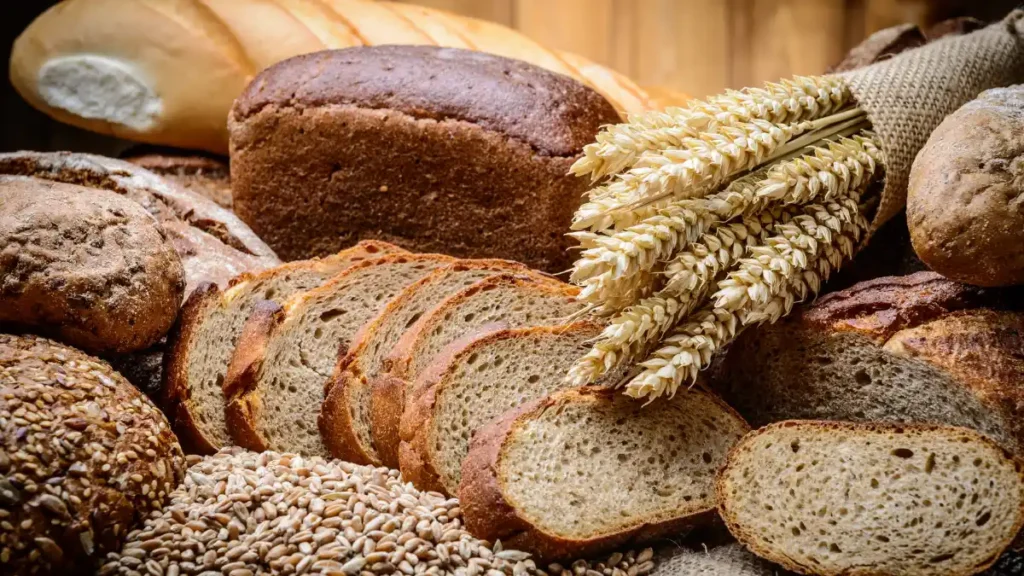
Go to your pantry right now and look for these four culprits.
- Fruit juice: This is concentrated fructose without the protective fiber. It hits your liver hard and spikes your blood sugar instantly.
- Instant flavored oatmeal: These packets cause a rapid glucose spike. They digest much faster than slow digesting rolled or steel cut oats.
- Commercial whole wheat bread: Most grocery store wheat bread is highly processed. It turns to sugar in your stomach in minutes.
- Sweetened low fat yogurt: These are secret sugar bombs. The missing fat is replaced by syrupy fruit purees.
Replacing regular complex meals with highly refined carbohydrates drastically increases oxidative stress. It also skyrockets your insulin demand within just 90 minutes of eating. These blood sugar spikes force your pancreas to work overtime.
These high carb breakfast risks do their worst work before you even leave for work in the morning. Now that we know what to throw out, here is what you need to build.
The Vascular Repair Protocol: How to Reduce Arterial Plaque Naturally
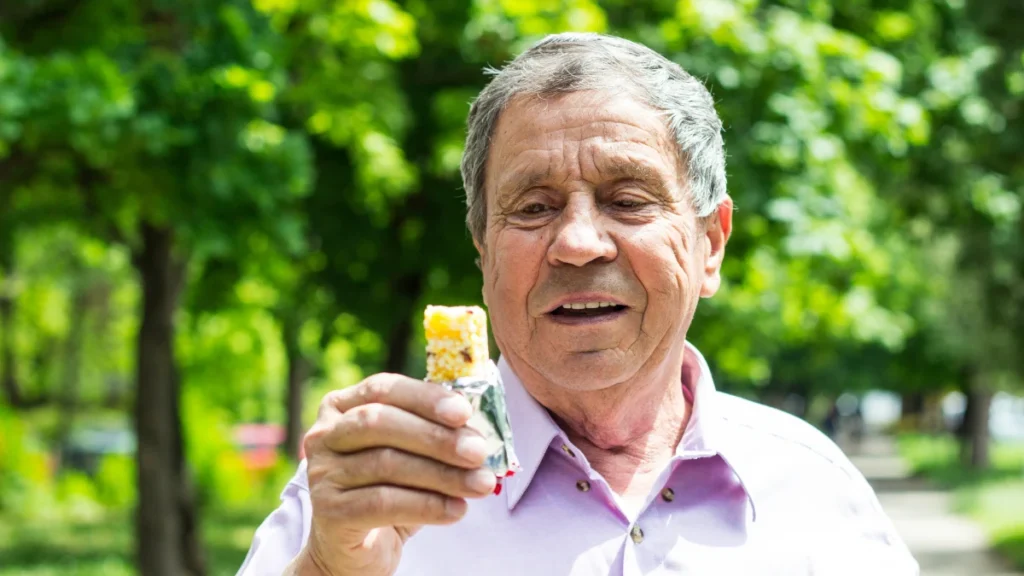
Arterial stiffness is not a one way street. It can be improved. You just need to change the way you feed your body.
To fix the morning damage, you need protein, healthy fats, and specific antioxidants. This trio blunts the glucose response completely.
It also stimulates Nitric Oxide (NO) production in your body. Nitric Oxide is a gas that relaxes your blood vessels and keeps them wide open.
The Artery Healing Triad
You need Omega 3 fatty acids, soluble fiber, and polyphenols to heal.
Clinical trials show that adding walnuts, chia seeds, or flax seeds lowers triglycerides. These specific seeds are rich in ALA omega 3s. They also actively improve arterial stiffness. Adding just 40 grams of real rolled oats with beta glucans can reduce systolic blood pressure by 2.0 mmHg.
This process is a crucial part of endothelial repair. Food is medicinal pharmacology. Every bite you take can either inflame your arteries or soothe them.
You can reduce arterial plaque naturally by choosing ingredients that protect your heart health instead of destroying it.
Your New 2026 Morning Menu: 3 Artery Saving Breakfasts
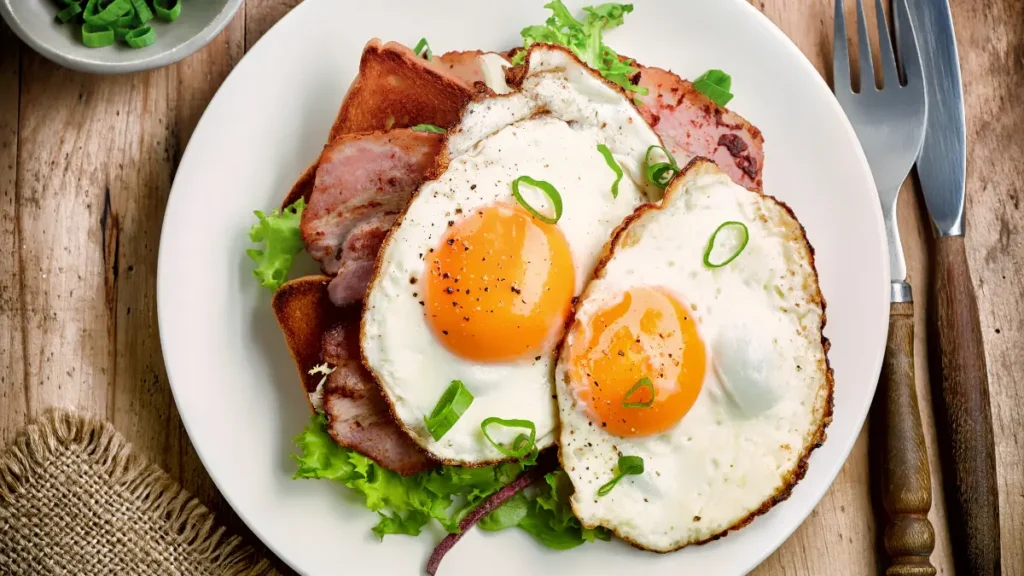
Here is what vascular health looks like on a plate.
- The Endothelial Oatmeal: Cook steel cut oats. Add fresh berries, walnuts, and cinnamon. The berries contain powerful anthocyanins. A 2015 randomized trial showed daily freeze dried blueberry powder reduced systolic blood pressure by 5 mmHg and diastolic by 3 mmHg. The cinnamon enhances insulin sensitivity.
- The Vascular Scramble: Cook two whole eggs with spinach and olive oil. Eggs contain peptides that act as natural ACE inhibitors. Think of them as a natural way to lower blood pressure. The olive oil provides healthy fats to keep blood sugar stable.
- The Low Glycemic Power Bowl: Use plain full fat Greek yogurt. Top it with chia seeds and pumpkin seeds. The seeds add fiber and magnesium. The healthy fat in the yogurt prevents sudden blood sugar spikes.
The Metabolic Morning
Vascular Optimization Protocol
The Endothelial Oatmeal
Cook steel cut oats and add fresh berries, walnuts, and cinnamon. The berries contain powerful anthocyanins shown to reduce systolic and diastolic blood pressure, while cinnamon enhances insulin sensitivity.
The Vascular Scramble
Cook two whole eggs with spinach and olive oil. Eggs contain peptides that act as natural ACE inhibitors to lower blood pressure, and olive oil provides healthy fats to keep blood sugar stable.
The Low Glycemic Power Bowl
Top plain full-fat Greek yogurt with chia and pumpkin seeds. The seeds add fiber and magnesium, while the healthy fat in the yogurt prevents sudden blood sugar spikes.
These meals are the perfect breakfast for arterial stiffness. They help reduce arterial plaque naturally. Plus, they are delicious and deeply satiating. You will not feel hungry an hour later.
“Your New 2026 Morning Menu”
| Old Breakfast Choice | Artery Saving Swap | Why It Helps Your Arteries |
| Glass of fruit juice | Fresh whole berries | Stops sudden sugar spikes and lowers blood pressure. |
| Instant flavored oatmeal | Steel cut oats with cinnamon | Digests slowly to protect your blood vessel inner lining. |
| Commercial wheat bread | Scrambled eggs with spinach | Provides proteins that act like natural blood pressure medicine. |
| Sweetened low fat yogurt | Plain full fat Greek yogurt | Keeps your energy steady without forcing massive insulin spikes. |
Conclusion
Aging arteries are not just an inevitable part of getting older. They are heavily influenced by the morning glucose spikes we were falsely taught were healthy.
We challenge you to swap out your high carb breakfast for one of the three healthy fat and high protein options above. Do this for just 14 days. Notice the difference in your mid morning energy.