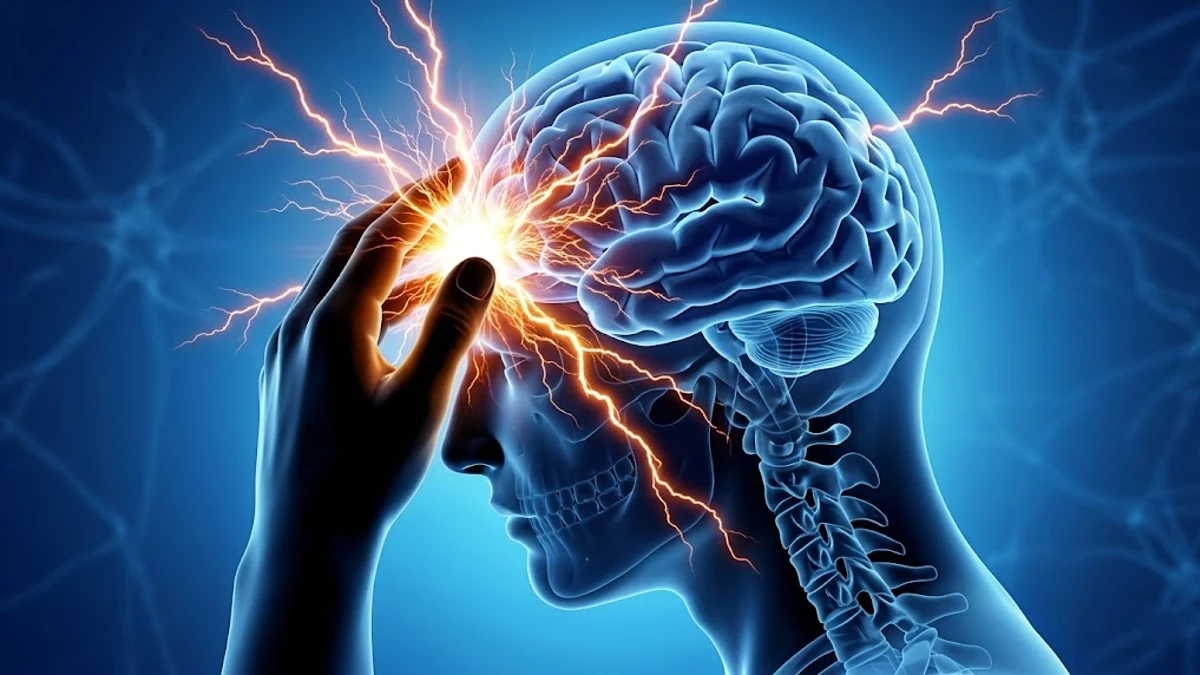
Loneliness isn’t just an empty feeling; it’s a neurological alarm system that alters the physical architecture of your mind.
Society dismisses social isolation as a mere emotional slump. This ignores the silent and rapid damage it causes to cognitive health, memory, and longevity.
You will discover the exact ways your mind structurally and chemically changes when starved of human connection. You will also see why global health officials rank it as a top mortality risk.
1. The 15 Cigarettes a Day Reality (Why It Is Worse Than Smoking)

Your daily habits shape your physical health. But sitting alone constantly harms your body just as much as a heavy smoking habit.
Society dismisses social isolation as a simple bad mood. We openly judge people who smoke a pack of cigarettes. Yet we ignore the fact that staying totally isolated is a massive mortality risk.
Consider this:
U.S. Surgeon General Dr. Vivek Murthy released a 2023 advisory stating something terrifying. He announced that isolation carries a mortality risk equivalent to smoking 15 cigarettes a day. This officially makes loneliness worse than smoking for millions of people.
It acts as an immunometabolic syndrome. This means it breaks down your immune system and your metabolism at the exact same time. The World Health Organization Commission on Social Connection shares equally grim data for 2025.
They note that severe isolation contributes to roughly 100 premature deaths every single hour across the globe. You must treat your social life as a medical necessity.
2. Shrinking Gray Matter: How Isolation Atrophies the Brain
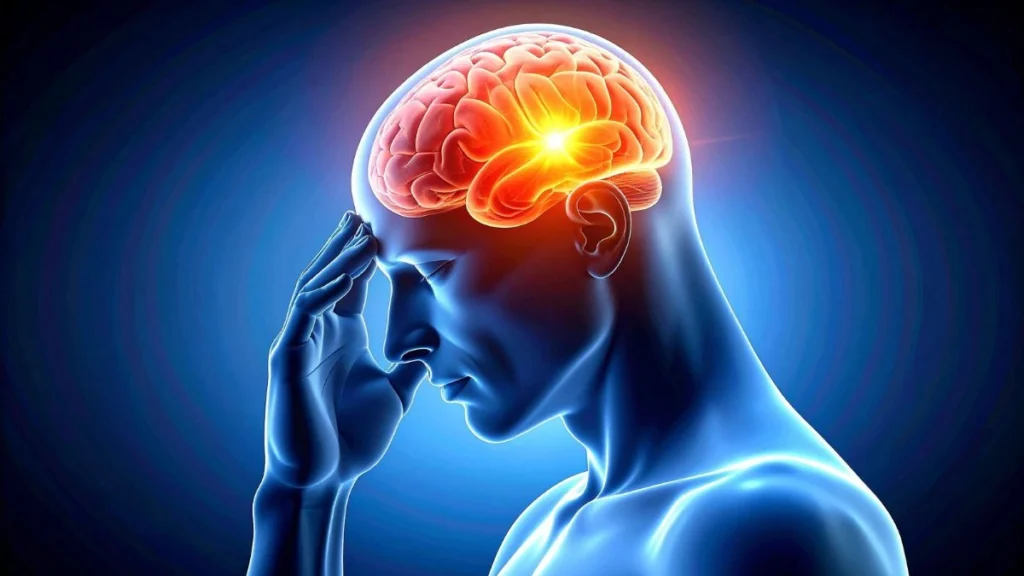
Your brain literally gets smaller when you stop socializing. Your physical brain volume actually shrinks.
MRI neuroimaging studies show something shocking. They reveal significantly reduced cortical thickness in chronically lonely individuals. This physical damage specifically targets your prefrontal, temporal, and parietal lobes.
The Prefrontal Cortex controls your ability to make choices and plan your day. Because the prefrontal cortex shrinks, making simple daily decisions suddenly feels paralyzing. You might stare at a menu or a simple email and feel completely unable to act.
The Hippocampus handles your memory formation. Severe social isolation brain changes happen rapidly in this area. You might start forgetting basic details or losing your train of thought.
Your brain is physically wasting away from a lack of daily conversation. Think of your mind like a muscle. When you stop talking to people, you stop lifting mental weights.
3. The Threat Detection Overdrive (Hypervigilance)

Your brain treats an empty weekend the same way it treats a physical attack. It goes into full survival mode.
Your Amygdala acts as the fear center of your mind. When you stay alone too long, it becomes incredibly hyperactive. Brain scans reveal increased anterior cingulate cortex and amygdala reactivity when lonely people look at normal social situations.
Because your amygdala is constantly on fire, you feel completely on edge. The neuroscience of loneliness proves this creates a massive negative cognitive bias. You start misinterpreting neutral facial expressions as angry or hostile.
But here is where it gets worse.
This creates the Hypersensitivity Paradox. You desperately crave a deep human connection. But your heightened threat detection makes you push people away. You reject invitations or snap at friends because your brain falsely believes they want to hurt you.
4. Depletion of BDNF: The Brains Fertilizer Dries Up
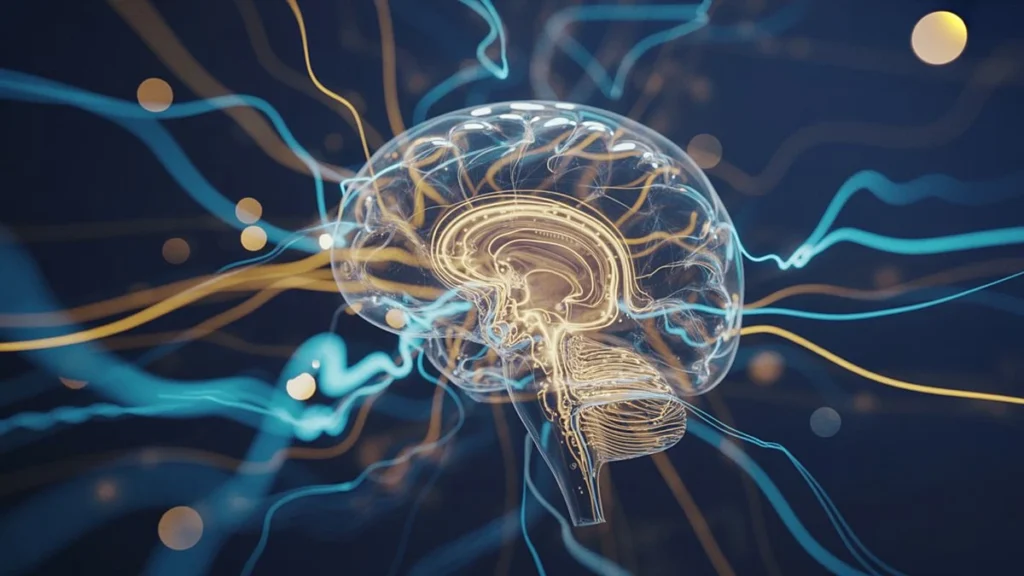
Learning new things requires a special chemical. Isolation cuts off the supply.
Your mind relies on Brain Derived Neurotrophic Factor or BDNF. This chemical acts as brain fertilizer. It plays a massive role in learning, neural repair, and neuroplasticity. Without consistent social stimulation, your natural BDNF levels drop significantly.
Because the fertilizer dries up, neurogenesis halts. This means you stop growing new brain cells. The chronic loneliness effects on brain chemistry make it much harder to learn new skills at work or school.
You also lose your ability to recover from mental fatigue. A simple stressful day will leave you feeling totally exhausted because your mind lacks the chemical tools to repair itself.
5. Default Mode Network (DMN) Hijack and Overthinking

An idle mind quickly becomes a prison of bad thoughts.
The Default Mode Network is the system responsible for self referential thought and memory. When you interact with the world, this network powers down. When you sit alone in your room, it powers up. Severe isolation causes the DMN to become totally dysregulated.
This dysregulation links directly to severe rumination. You start playing your worst memories on a continuous loop. Altered DMN connectivity is actually an early biomarker for cognitive decline.
- You overanalyze past conversations.
- You constantly worry about future failures.
- You fixate on your own perceived flaws.
These social isolation brain changes specifically alter the connection between the posterior cingulate cortex and the hippocampus. Your brain traps you in a cycle of overthinking that you cannot easily turn off.
6. Hormonal Chaos: Cortisol and Systemic Inflammation

Being alone sets off a chemical fire inside your body.
Your biological stress response triggers the moment you feel socially rejected. Your body responds with a constant flooding of Cortisol. This stress hormone helps you survive emergencies.
But prolonged cortisol exposure causes severe neuroinflammation. It damages healthy brain cells and wears out your organs.
Persistent disconnection is linked to highly elevated inflammatory markers. Your doctor might see spikes in your C reactive protein and interleukin 6 levels.
Because of this poor cortisol regulation, your physical health plummets. This biological chaos increases your stroke risk by 32 percent. It also raises your heart disease risk by 29 percent. A quiet house can literally break your heart.
7. The Empathy Atrophy: Mirror Neurons Dimming
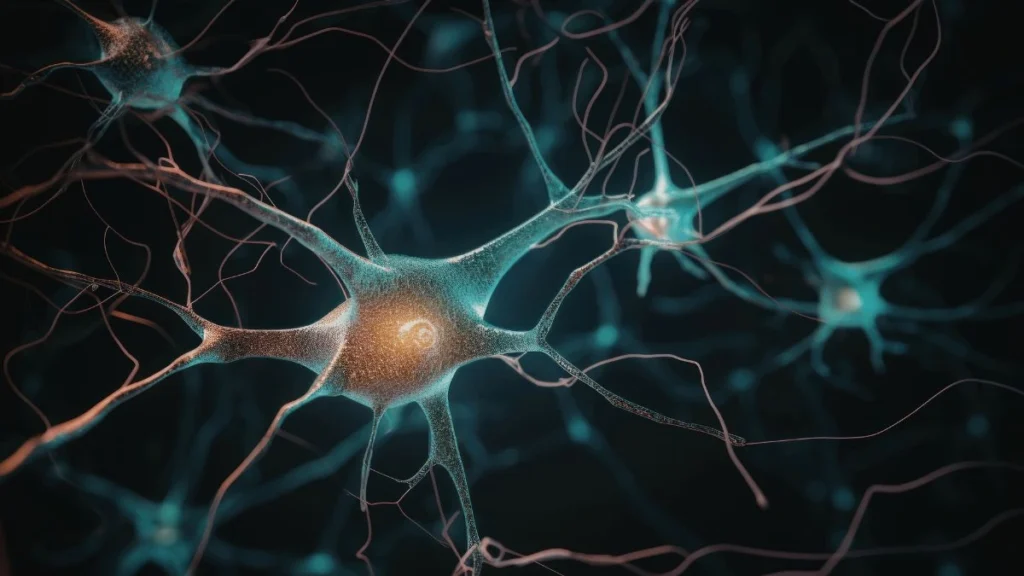
Social skills fade away if you do not use them regularly.
Your social ability is a use it or lose it neurological function. Isolation severely degrades your cognitive empathy. This is your ability to understand what someone else is thinking or feeling.
Your mind uses mirror neurons to reflect the emotions of the people around you. These mirror neurons become much less responsive without daily interpersonal practice. Reading facial expressions and noticing nuanced emotions becomes physically harder for you to do.
The neuroscience of loneliness explains why returning to normal life feels so draining. Reintegration into social settings feels exhausting after long periods of isolation because your empathy muscles have completely atrophied. You have to work twice as hard just to hold a normal conversation.
8. Loneliness as an Evolutionary Alarm (The Hunger for Connection)

You are not broken for feeling sad when you are alone. You are just hungry.
You must frame your feelings not as a disease, but as a biological signal. It works exactly like physical hunger or thirst. Social neuroscientist John Cacioppo created the Evolutionary Theory of Loneliness to explain this process.
In ancient times, humans needed the tribe for basic survival. Wandering off alone meant facing predators and freezing to death. Your brain is biologically wired to seek social homeostasis.
Your evolutionary biology forces you to feel pain when you isolate. That emotional pain is your body shouting at you to get back to the safety of the group. It is an evolutionary alarm trying to keep you alive.
9. Accelerated Cognitive Aging and Dementia Risk
Time moves much faster for an isolated mind.
The long term compound effect of isolation destroys your cognitive future. Lonely brains simply age faster than socially active brains. There is a direct link between chronic isolation and subjective cognitive decline.
Medical experts consider prolonged isolation a recognized preclinical risk factor for accelerating Alzheimer disease pathology. This happens even in completely healthy individuals under 80 years old.
The damage shows up on medical scans as greater white matter injury. Because your brain cells communicate less, the physical pathways between them decay.
The chronic loneliness effects on brain aging prove that chatting with friends is literally anti aging medicine for your mind.