

Many traditional breakfast staples are stealthily loaded with hidden sugars, processed fats, and chemical compounds. These ingredients irritate your vascular lining, spike low-density lipoprotein (LDL) cholesterol, and fuel chronic inflammation.
You do not need a radical lifestyle overhaul to protect your blood vessels. You just need to know what to change.
In this guide, you will discover the 9 specific items leading heart specialists refuse to put on their plates, the exact clinical reasons why, and the delicious, science-backed heart-healthy breakfast choices they use instead.
1. Processed Breakfast Meats (Bacon, Sausage, and Ham)

Sizzling bacon smells great, but it acts like a wrecking ball inside your arteries. Processed meats contain Advanced Glycation End-products (AGEs) and nitrites. These chemical compounds directly drive systemic inflammation, which is the root cause of plaque buildup in your arteries.
Your morning blood pressure spikes naturally when you wake up. Adding a heavy dose of sodium makes it much worse. A single link of commercial breakfast sausage can exceed 25% of your daily recommended sodium limit.
Data from a large BMC Medicine multi-cohort study confirms that high ultra-processed meat intake links directly to an elevated risk of ischemic heart disease (restricted blood flow to the heart).
This is why heart doctors keep these items off their plates. They know that eating too much saturated fat and chemicals strains the heart within hours of digestion.
Instead of frying up pork sausage, switch to fresh proteins. Try ground pasture-raised turkey breast seasoned with garlic and sage. Clean, plant-based proteins are also excellent options. These choices protect your blood vessels from unnecessary stress.
2. Commercial Pastries, Muffins, and Croissants

A bakery muffin seems like a harmless companion to your morning coffee. In reality, it is a triple-threat combination of refined white flour, high-fructose corn syrup, and hidden trans fats or tropical oils.
This mix instantly damages your delicate endothelial cells, which form the inner lining of your blood vessels.
These baked goods cause acute glycemic spikes. This means your blood sugar shoots up instantly. Your body responds with a massive insulin surge. This process promotes fat storage and increases visceral adiposity (deep belly fat around your organs).
Nutrition experts like Kylene Bogden, RDN, note that these combinations of hidden sugars and refined carbohydrates act as a primary trigger for chronic vascular inflammation.
[Commercial Pastry] ---> [Blood Sugar Spike] ---> [Insulin Surge] ---> [Vascular Inflammation]
Do not let convenience ruin your arterial health. Swap the pastry case for 100% sprouted whole-grain toast paired with raw almond butter. This alternative delivers slow-burning energy and healthy fats. It is the best breakfast for heart health.
3. Sugar-Laden Cereals and Commercial Granola
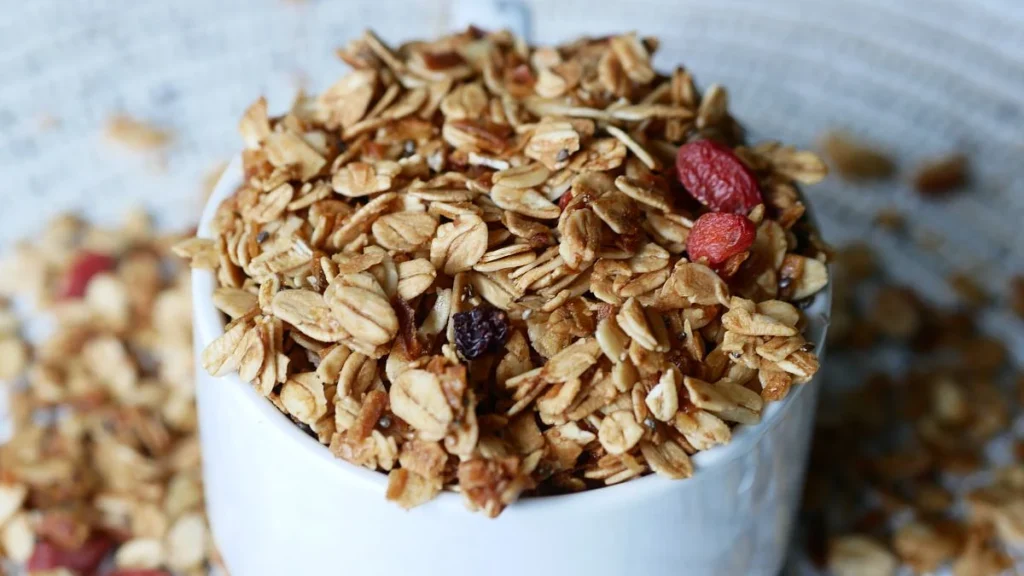
Brightly colored cereal boxes often display bold health claims. Box labels use phrases like “heart-healthy whole grains” to catch your eye. Look closely at the nutritional label and you will find a massive surprise. Most of these options mask a sugar content equivalent to candy bars.
Eating large amounts of added sugars every morning damages your metabolism. It raises your triglycerides and stresses your pancreas.
Here is a simple rule to protect yourself: choose cereals with fewer than 4 grams of added sugar and at least 5 grams of dietary fiber per serving. High fiber lowers cholesterol. High sugar raises it. Cardiologists never eat for breakfast options that skip this fiber-to-sugar balance.
Your Morning Cereal Checklist:
Added Sugar: Less than 4 grams per serving
Dietary Fiber: At least 5 grams per serving
Fix your morning bowl by using steel-cut oats or organic quinoa. Mix in raw walnuts for crunch. This swap lowers your cholesterol and keeps you full for hours.
4. Non-Fat Flavored Yogurts
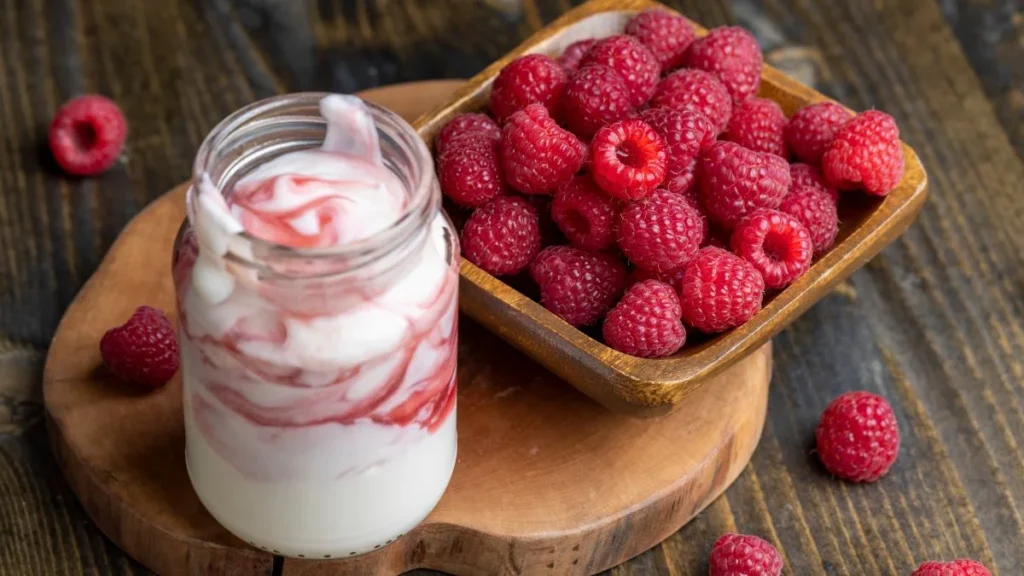
Non-fat yogurt sounds like a perfect diet food. However, when food manufacturers pull out the fat, they lose the flavor. To fix this, they routinely pump in massive doses of cane sugar or corn syrup.
A single container of popular fruit-flavored non-fat yogurt can hold up to 20 grams of sugar. That amount easily eclipses half of the American Heart Association’s daily recommended limit in one sitting.
You think you are making heart-healthy breakfast choices, but you are actually consuming a dessert. This hidden sugar strains your liver and raises inflammatory markers in your blood.
Skip the flavored varieties entirely. Buy plain, unsweetened organic Greek yogurt or low-fat cottage cheese instead. Stir in fresh wild blueberries for natural sweetness and a powerful dose of antioxidants.
5. Coffee Drinks with Artificial Sweeteners or Sugar Alcohols

Your morning coffee can either protect your heart or harm it. Many people try to save calories by using zero-calorie syrups and artificial sweeteners.
Recent 2026 data reveals significant thrombotic risk (the likelihood of blood clots forming) associated with heavy use of popular alternative sweeteners.
A 2026 clinical overview published in PMC maps how high concentrations of sugar alcohols like erythritol and xylitol can augment platelet aggregation.
This means they make your blood cells stickier. They also upregulate oxidative stress and suppress nitric oxide production. Nitric oxide is crucial because it helps your blood vessels relax and open up.
Keep your coffee simple. Drink black coffee or espresso with a splash of unsweetened almond milk. Add a dust of pure Ceylon cinnamon for natural flavor without the chemical risks.
6. White Bread and Refined Flour Bagels

A toasted white bagel with cream cheese is a breakfast staple for millions. The problem is that white flour is stripped of all its natural nutrients and fiber during processing. Because of this, refined grains behave exactly like pure sugar once they hit your bloodstream.
These high-glycemic foods rapidly increase your blood glucose levels. When you eat them every day, they contribute heavily to insulin resistance.
This resistance damages your blood vessels over time, compounding long-term cardiovascular risk. It is one of the sneaky foods that cause heart disease because it does not taste sweet, but acts sweet inside your body.
You do not have to give up toast. Just switch to 100% whole-grain, sprouted sourdough or Ezekiel bread. Sprouted grains digest slowly and keep your blood sugar stable.
7. Blended Fruit Juices and Heavy Smoothies
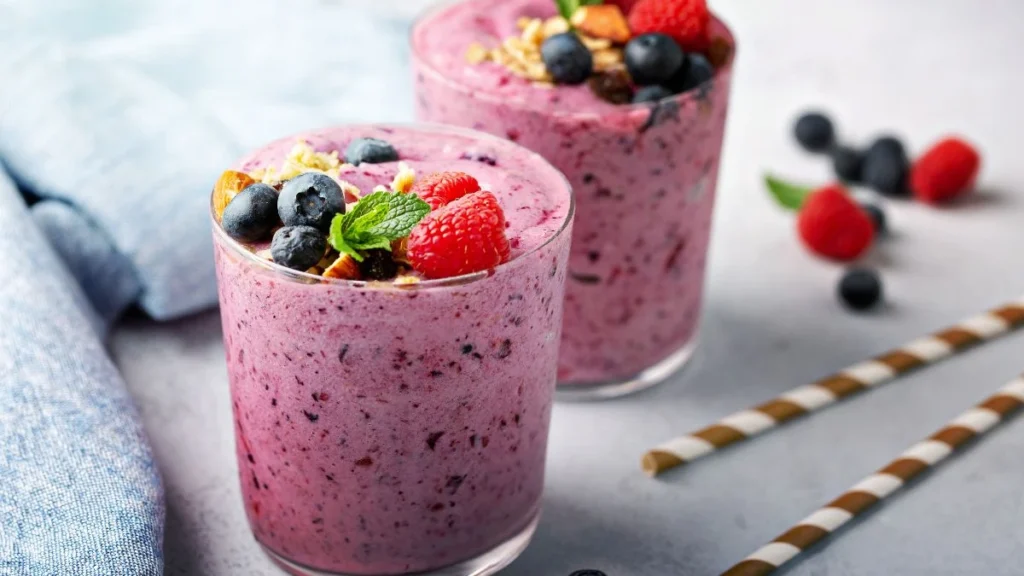
Drinking a giant green smoothie seems like the ultimate health habit. But drinking your fruit is not the same as eating it. Juicing or heavy blending strips away the insoluble matrix fiber from the fruit.
Without fiber to slow down absorption, your body faces an immediate fructose overload. This sugar rush hits your liver directly.
The liver handles this excess sugar by converting it straight into fat, which spikes your triglycerides and increases liver fat production.
Dr. Sharon Horesh Bergquist from the Emory University School of Medicine emphasizes aligning your breakfast’s size and macro profile with your body’s natural metabolic circadian rhythm. Heavy, sugary liquids disrupt this rhythm completely.
Eat your fruit instead of drinking it. Enjoy a whole apple or a cup of fresh raspberries alongside a handful of raw almonds. You get the vitamins and the vital fiber your heart needs.
8. Pre-Made Fast Food Breakfast Sandwiches

When you are rushing to work, drive-thru breakfast sandwiches are tempting. They are fast, warm, and savory. But they are also an industrial combination of hydrogenated oils, highly refined English muffins, and processed egg patties laden with preservatives.
These convenience meals are massive high-sodium traps. They deliver a large dose of inflammatory fats and sodium that directly elevates your systemic blood pressure within hours of consumption.
Your arteries stiffen in response to the salt and bad fats. This makes your heart work twice as hard to pump blood.
Avoid the drive-thru trap with a quick home alternative. Prepare a homemade pasture-raised boiled or poached egg. Pair it with half of a sliced avocado for healthy, artery-protecting fats.
9. Breakfast Items Cooked in Butter or Beef Tallow

Frying your eggs in a big pat of butter or beef tallow adds a lot of saturated fat to your morning. High-temperature frying in heavy animal fats significantly drives up low-density lipoprotein cholesterol (LDL-C), commonly known as bad cholesterol.
Randomized crossover trials tracking hypercholesterolemia (high cholesterol) show clear results. Diets rich in heavy animal fats cause an immediate, stark increase in harmful circulating LDL-C.
It is compared directly to diets that utilize heart-healthy unsaturated liquid plant oils. High LDL cholesterol builds up in your artery walls, narrowing the pathways for blood flow.
Protect your heart by changing your cooking fat. Use extra virgin olive oil or high-smoke-point avocado oil for your eggs. These oils contain monounsaturated fats that support healthy cholesterol levels.
What Cardiologists Actually Eat
To help you optimize your morning, here is a breakdown of what heart specialists consume regularly based on clinical surveys.
| Breakfast Food Choice | Percentage of Cardiologists Who Eat This | Core Cardiovascular Benefit |
| Oatmeal with Fresh Fruit | 42% | High in soluble beta-glucan fiber, which actively binds to and lowers circulating LDL cholesterol. |
| Boiled or Poached Eggs | 35% | High-quality, lean protein source loaded with choline to assist in lipid metabolism. |
| Avocado Toast (Whole Grain) | 28% | Rich in monounsaturated oleic fatty acids to optimize HDL function. |
| Greek Yogurt with Raw Nuts | 25% | Delivers vital calcium, probiotics, and magnesium to naturally regulate blood pressure. |