
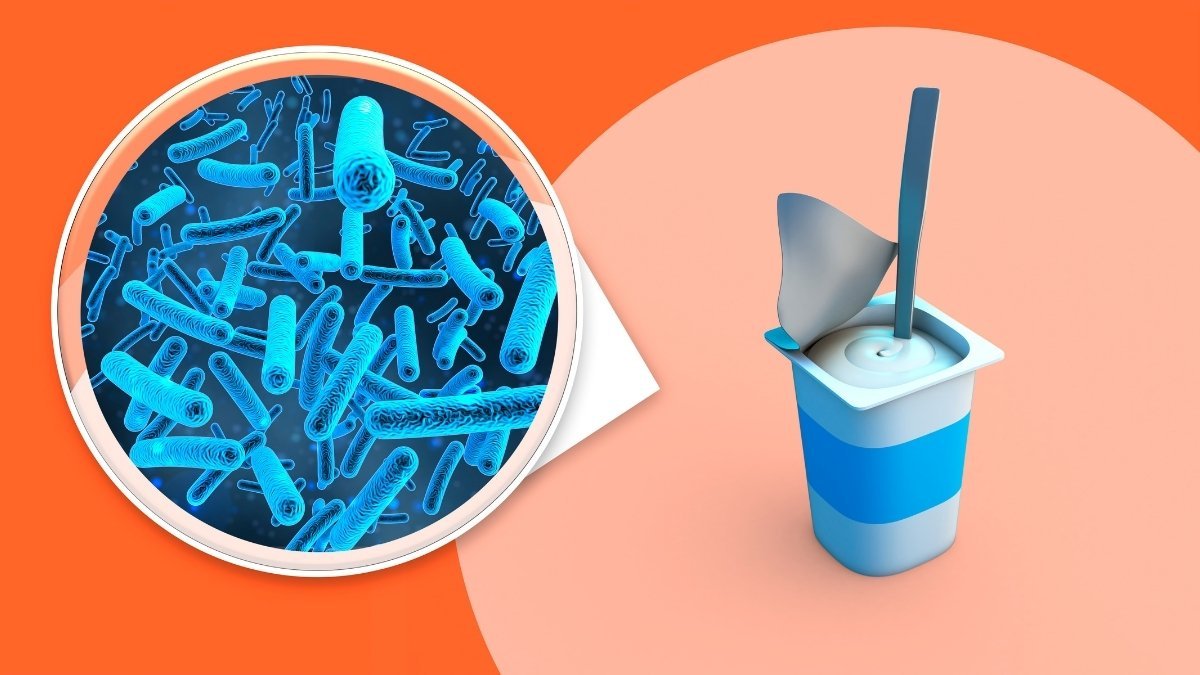
That cold box in your kitchen is meant to be a source of health, a place you trust for fresh and safe food. But some of the most common items inside could be quietly wrecking your gut.
We’re talking about the foods you probably think are good for you—the “diet” sodas, “sugar-free” yogurts, and convenient packaged meats. These products can act like tiny bombs on your gut microbiome, the community of good bacteria essential for your energy, mood, and immune system.
If you’re dealing with constant bloating, fatigue, or inflammation, the culprit might be hiding behind that refrigerator door. This guide will expose the worst offenders and show you exactly how to protect your gut.
The Suspect in Your Refrigerator

What’s Hiding in Your Fridge?
You trust your refrigerator to keep your food fresh and safe. It’s full of things you count on to keep you and your family healthy. But some common foods in your fridge might be doing the opposite. They could be harming the good bacteria in your gut.
Your gut is home to trillions of tiny organisms called the microbiome. This system is key to your health. What if some popular foods are hurting it as much as antibiotics do? This guide will show you which foods are the problem and what you can do about it.
The main issue comes from ultra-processed foods, which make up a big part of what many people eat.
The Real Problem: A Whole Category of Food
The danger isn’t from a single bad vegetable or spoiled milk. Those things can make you sick, but this is different. The real problem is a group of foods called Ultra-Processed Foods (UPFs).
These aren’t just foods with a little extra salt or sugar. They are made in factories with industrial ingredients. They have a lot of artificial additives and emulsifiers but not much fiber. Let’s look at two types you probably have in your fridge right now.
First are the “healthy” fakes. Think diet sodas and “sugar-free” yogurts. You buy them to cut back on sugar, but they are full of chemical substitutes like artificial sweeteners. These sweeteners aren’t harmless. They can cause big problems for your gut.
Second is the convenience food. This includes processed meats, packaged cheese, and ready-made sauces. They last a long time because of preservatives. But the chemicals that stop mold from growing on the food can also harm the good bacteria inside you.
We used to think sugar and fat were the main enemies. So, food companies made “diet” and “low-fat” options. But to make these foods taste good, they added artificial sweeteners, emulsifiers, and preservatives. Now, we’re learning these new ingredients are creating their own set of problems. The “healthy” label on the box can be misleading.
How These Foods Harm Your Gut

Your Gut Bacteria: A Hidden Organ
To see how UPFs cause damage, you first need to know how important your gut bacteria are. Your gut microbiome is like a hidden organ. It’s a living system that helps you digest food, controls your immune system, and even affects your mood.
A healthy gut has many different types of good bacteria. For example, a bacteria called Akkermansia muciniphila helps protect your gut lining and control your weight. Another one, Faecalibacterium prausnitzii, fights inflammation.
Others turn fiber into short-chain fatty acids (SCFAs), which are fuel for your gut cells. This system is a delicate balance. The chemicals in many refrigerated foods can throw it all off.
The “Antibiotic” Effect of Preservatives
When we say some food additives are like antibiotics, we mean it. Many preservatives are designed to kill bacteria and mold to keep food from spoiling. A common one is nisin, which is found in sausage, processed cheese, and beer.
Nisin is a type of chemical that some bacteria make to kill other bacteria. It works well to keep food safe, but it doesn’t stop working when you eat it. A 2024 study found that nisin kills both bad bacteria and the good bacteria your gut needs. Sometimes, it’s even better at killing the good guys.
This is just like taking a broad-spectrum antibiotic, which wipes out good bacteria along with the bad. When you eat foods with these preservatives, you’re giving your gut a small dose of an antibiotic. This can cause lasting damage to your internal ecosystem.
The Sneaky Attack from Artificial Sweeteners
The biggest threat might come from artificial sweeteners in “diet” and “sugar-free” foods. Your body doesn’t digest sweeteners like sucralose, so they travel all the way to your colon. There, they meet your gut bacteria.
This can cause two big problems. First, sweeteners change the mix of your gut bacteria. Studies show they can lower the number of good bacteria, like Bifidobacterium and Lactobacillus. At the same time, they can help harmful, inflammation-causing bacteria grow.
Second, these changes mess up how your gut works. With fewer good bacteria, your gut can’t make as many helpful compounds like SCFAs. These are vital for a healthy gut and body. The evidence is clear: these sugar substitutes can turn your healthy gut into a mess.
| How Common Sweeteners Affect Your Gut | |||
| Sweetener | Common Brands | How It Affects Your Gut | What the Science Says |
| Aspartame | Equal, NutraSweet | Mostly broken down before it reaches your gut. Some lab studies suggest it could help bad bacteria grow. | Human studies with normal amounts show little to no effect. Animal studies use very high doses and have mixed results. |
| Sucralose | Splenda | Reaches your gut whole and interacts with bacteria. Some studies show it lowers good bacteria and helps bad ones grow. | The evidence is very mixed. Some human studies show no effect, but animal studies show it can cause gut problems even at low doses. |
| Saccharin | Sweet’N Low | Also reaches your gut whole. It’s linked to major gut disruption and problems with how your body handles sugar. | This sweetener has some of the strongest evidence for causing gut issues in both animals and humans. |
| Acesulfame-K | Sweet One | Your body gets rid of it quickly, but some studies show it can still change gut bacteria and might cause problems over time. | Research is not consistent. Some studies show few effects, while others suggest it can cause issues, especially with long-term use. |
The Combined Attack from Processed Foods
The harm from UPFs isn’t from just one ingredient. It’s a team effort. Many additives work together to create a hostile place for your good bacteria.
Your gut has a protective mucus layer that keeps bacteria away from your body’s cells. But emulsifiers—additives like polysorbate 80 used in ice cream and salad dressing—can wear down this mucus shield.
While emulsifiers weaken your gut’s defenses, artificial sweeteners are helping bad bacteria grow. At the same time, preservatives like nisin are killing off the good bacteria. It’s a perfect storm. Your gut’s walls are weakened just as an army of bad microbes is building up. This can lead to gut inflammation much faster than any single additive would on its own.
The Damage Spreads Beyond Your Gut
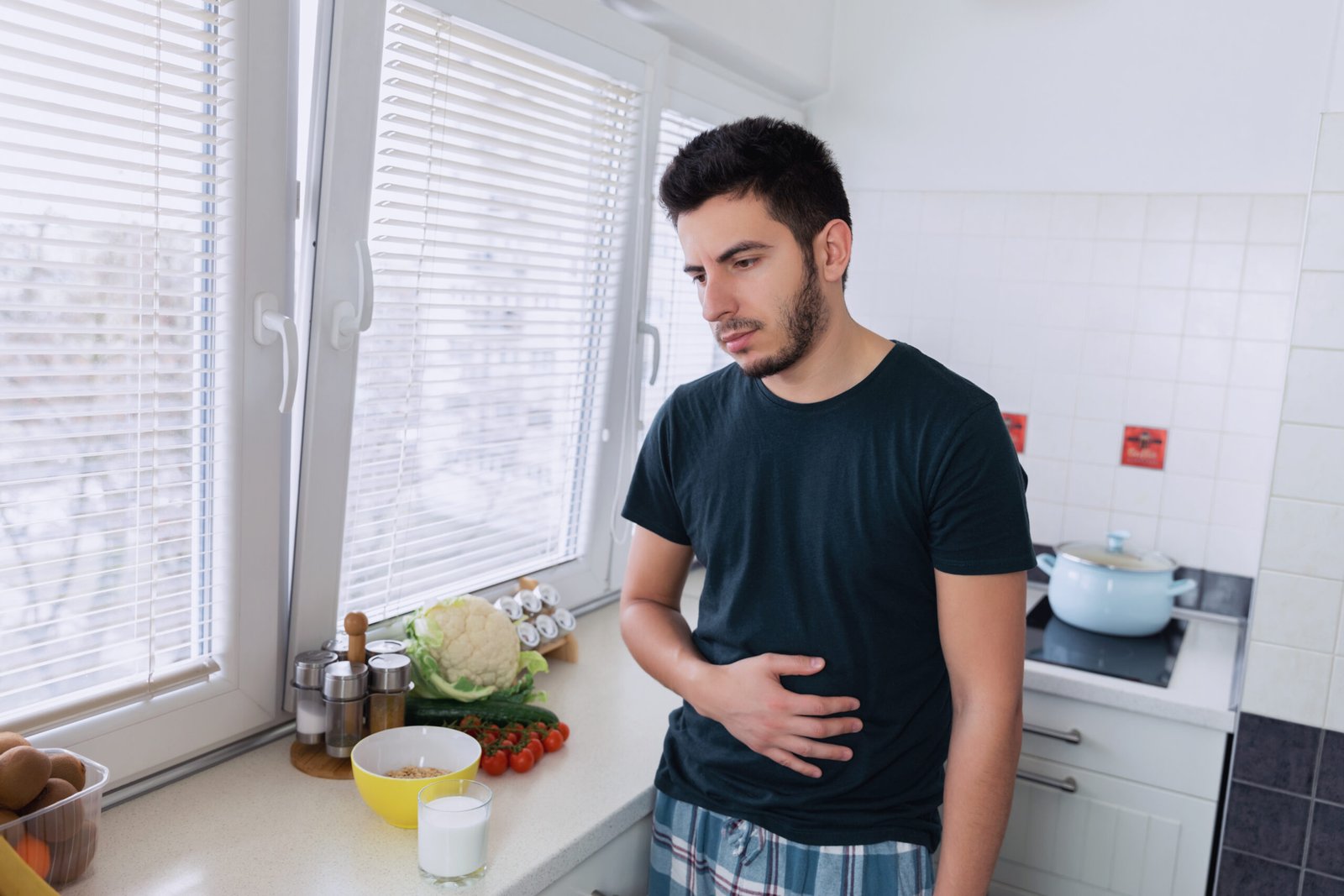
Leaky Gut and Body-Wide Inflammation
When your gut is damaged, the problems don’t stay there. The attack from UPF additives can cause your intestinal wall to fail. This is often called “leaky gut.”
When the gut wall becomes leaky, toxins and bits of undigested food can slip into your bloodstream. Your immune system sees these as invaders and attacks, causing low-level inflammation all over your body.
This isn’t a small issue. This body-wide inflammation is now seen as a key cause of many chronic diseases that people used to think had nothing to do with the gut.
How Your Metabolism Breaks Down
The inflammation that starts in your gut can lead to serious problems with your metabolism, like Type 2 Diabetes.
When you lose good bacteria that make SCFAs, your body has a harder time managing blood sugar and insulin. This creates a direct path from eating UPFs to developing diabetes.
Your heart health is also at risk. A sick gut can turn parts of your food into harmful chemicals. For example, some gut bacteria turn a compound in red meat into a substance called TMAO.
High levels of TMAO in your blood are linked to a higher risk of clogged arteries, heart attacks, and strokes.
Changes in your gut bacteria have also been linked to obesity. This shows how the food in your fridge can start a chain reaction in your gut that leads to diseases of the heart and metabolic system.
The Gut’s Connection to Your Brain
The problems in your gut can even reach your brain. Your gut and brain are always talking to each other through the gut-brain axis. So, a sick gut can lead to a troubled mind.
Some effects are quick. Artificial sweeteners like aspartame have been linked to headaches. More importantly, the chronic inflammation from a leaky gut can spread to your brain.
This is thought to contribute to memory problems and mood disorders. New research also shows a strong link between gut problems and serious brain conditions like Parkinson’s and Alzheimer’s disease.
Looking at the Evidence Fairly
It’s important to be honest about what the science says. The evidence isn’t always simple.
A lot of the scariest findings about artificial sweeteners come from lab tests or studies on mice. It’s hard to know if the same thing happens in people. Human studies have often shown weaker or mixed results.
For example, some short-term studies found that eating sucralose or aspartame every day had very little effect on healthy adults’ gut bacteria.
The amount used in studies is also a key point. Some animal studies use doses much higher than what people would normally eat.
On the other hand, some studies have found problems in mice at doses lower than the recommended daily limit for humans. This suggests our safety limits might not be good enough to protect gut health.
It’s also clear that everyone is different. An additive that causes problems for one person might not affect another. Your unique gut bacteria likely play a big role. This makes it hard to give one-size-fits-all advice.
How to Protect Your Gut: A Simple Guide

Even with the complex science, the main takeaway is clear: eating fewer UPFs is a smart move for your gut. You don’t have to be perfect. Just start making small changes to eat more whole foods.
First, become a label reader. The best way to spot a UPF is to look at the ingredients. If you see a long list of chemical names you don’t recognize—like sodium benzoate, mono- and diglycerides, or acesulfame potassium—it’s a red flag. Don’t be fooled by claims like “low-sugar” on the front of the box.
Second, give your fridge a makeover. Swap out the problem foods for better options. Focus on foods that are in their most natural form.
Finally, feed your good bacteria what they love. A diet with lots of different plants is key, because fiber is their favorite food. Colorful fruits and vegetables also contain compounds called polyphenols that help your gut.
You can also add fermented foods to bring in more good bacteria. Just make sure to buy unpasteurized versions of things like sauerkraut and kimchi from the refrigerated section. The label should say “live active cultures.” Heating kills the good bacteria.
| Simple Swaps for a Healthier Gut | |
| Toss This (Hurts Your Gut) | Try This (Helps Your Gut) |
| Diet Soda (with Aspartame/Sucralose) | Sparkling water with fresh lemon, lime, or berries |
| Fruit-flavored Yogurt (with artificial sweeteners and colors) | Plain, full-fat Greek yogurt or kefir with fresh fruit and a little honey or maple syrup |
| Packaged Deli Meat (with preservatives like nisin) | Freshly roasted turkey or chicken (homemade is best) |
| Store-bought Ranch Dressing (with emulsifiers and preservatives) | Homemade dressing (olive oil, vinegar, mustard, herbs) |
| Processed Cheese Slices (with emulsifiers and preservatives) | A block of natural cheese like cheddar or Swiss |