

If you have hit your mid 40s and suddenly found that your usual diet and exercise routine no longer keeps the scale in check, it is not in your head. And it is not a lack of willpower. Ever wonder why the diet that worked at 32 does absolutely nothing at 46?
The old advice to simply eat less and move more is broken. Eating 1200 calories a day and doing hours of cardio often backfires at this age. Your body is playing by a new set of rules. This sudden midlife weight gain comes down to three hidden biological factors.
You will learn the truth about declining lipid turnover, hidden muscle loss, and sneaky hormonal shifts. Most importantly, you will get the exact blueprint to fix them. Achieving true weight loss after 45 requires science instead of starvation.
Why Is Your Diet Failing? The Lipid Turnover Trap
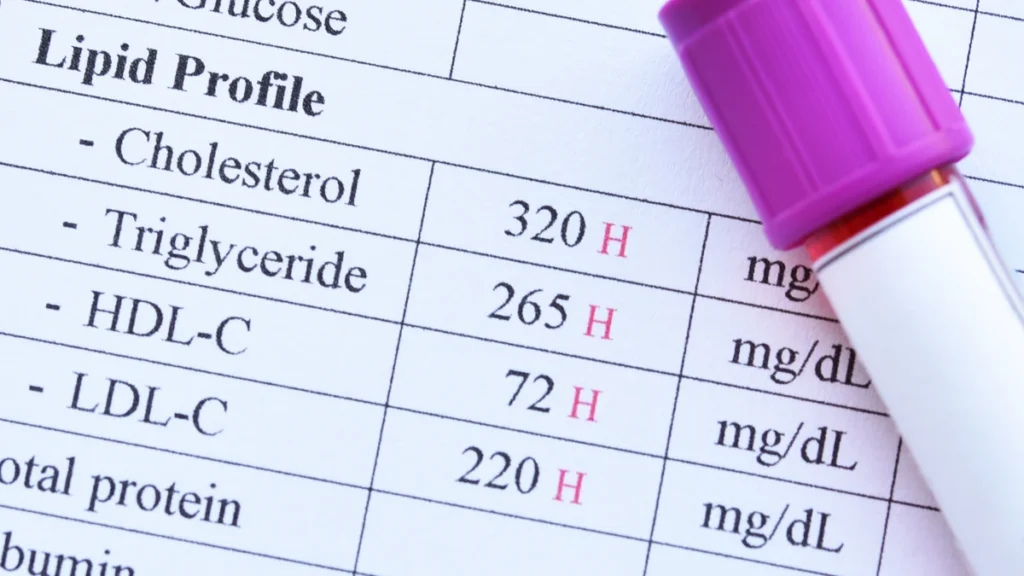
You can eat the exact same meals at 48 that you did at 30 and still gain weight. This frustrating reality comes down to a biological process called lipid turnover.
A landmark 2019 study in Nature Medicine tracked adults for over a decade. Researchers found that the rate at which fat is removed and stored in our fat cells slows down as we age.
Dr. Peter Arner from the Karolinska Institutet led this research. He discovered that fat tissue regulates body weight independent of other factors.
Think of your fat cells like a busy nightclub. In your 30s, people enter and leave quickly. In your 40s, the bouncer stops letting people leave. But new people keep coming inside.
Lipid Turnover
Metabolic Aging in the 40s
Decreased Output
Fat removal naturally slows down in your 40s. The body’s intrinsic ability to break down and oxidize stored lipids becomes inherently less efficient.
Constant Intake
Fat storage capacity stays exactly the same. Adipose tissue remains highly receptive to storing new incoming calories, creating a metabolic imbalance.
The Compounding Effect
Uncompensated decreases in this turnover lead to an average weight gain of 20 percent over a decade, physically expanding the existing cells.
Because lipid turnover inherently slows down, you have to artificially stimulate it. You cannot just starve the fat cells. Shrinking your eating window or cutting calories will not fix the broken exit door. Your fat cells are holding onto everything they can.
How to Stop Sarcopenia: The Silent Metabolism Killer
Many people think their metabolism simply fades away with age. But your metabolism does not just disappear on its own. It shrinks because your muscles shrink.
This condition is called sarcopenia. It simply means age related muscle loss. Lean muscle mass directly controls your Resting Metabolic Rate. Muscle is highly active tissue. Losing it means your body burns fewer calories simply keeping you alive.
Think of muscle as the engine of your car. If the engine shrinks, you do not need as much gas. If you keep putting in the same amount of gas, it overflows and stores as fat. To boost metabolism after 40, you must rebuild that engine.
Sarcopenia Timeline
Age-Related Muscle Atrophy
The Initial Decline
Adults naturally lose 3 to 8 percent of their muscle mass per decade after age 30, initiating a gradual but steady structural decline.
Accelerated Loss
This dangerous muscle loss accelerates significantly after age 40, increasingly compromising metabolic health and physical resilience.
Precision Tracking
Replacing traditional scales with DEXA scans helps track this vital muscle tissue, offering an accurate visualization of your body composition over time.
When you lose muscle, your daily calorie burn plummets. Stopping this silent drain on your energy is essential for staying lean.
Why Does Your Belly Keep Expanding? The Hormonal Hijack
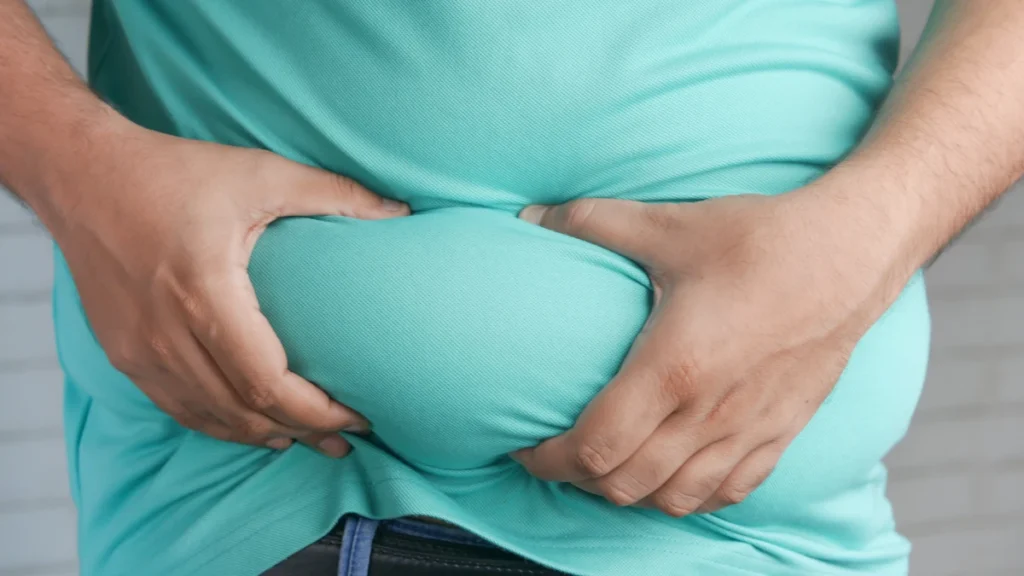
If your waistline is expanding but your arms and legs look the same, your hormones are leaving clues. Midlife brings dropping estrogen for women and dropping testosterone for men.
These hormonal shifts change exactly where your body stores fat. Your body stops putting fat under the skin. It starts packing it deep inside your belly. This deep belly fat is called visceral fat.
Visceral fat surrounds your internal organs. It causes dangerous inflammation and makes your body resistant to insulin. Dr. Mary Claire Haver, author of The New Menopause, explains that this is a biological reality of midlife. Your hormones actively instruct your body to pack on abdominal fat.
- Before menopause, visceral fat makes up about 8 percent of total body fat.
- During and after menopause, it skyrockets to 20 to 23 percent.
- This deep fat acts like an active organ that constantly pumps out inflammatory chemicals.
Because these hormones relocate your fat, traditional diets fail to target the real problem. You must learn how to lose visceral fat by changing what you eat, not just how much. Lowering inflammation is the key to shrinking a hormonal belly.
Why Stress Keeps You From Losing Belly Fat

High stress levels completely ruin your chances of losing weight. Your body releases a hormone called cortisol when you feel overwhelmed. Cortisol acts like an internal alarm system.
This alarm system was helpful for our ancestors running from real danger. Today it just makes your body hoard fat. High cortisol specifically directs your body to store extra fat right in your belly. It literally moves fat from your arms and legs directly to your midsection.
This is why trying to eat perfectly while stressed rarely works. You must lower your daily stress to signal safety to your body. Walking in nature or taking slow deep breaths can turn off this fat storing alarm. Your body simply will not drop weight if it feels it is under attack.
How to Stop the Blood Sugar Roller Coaster
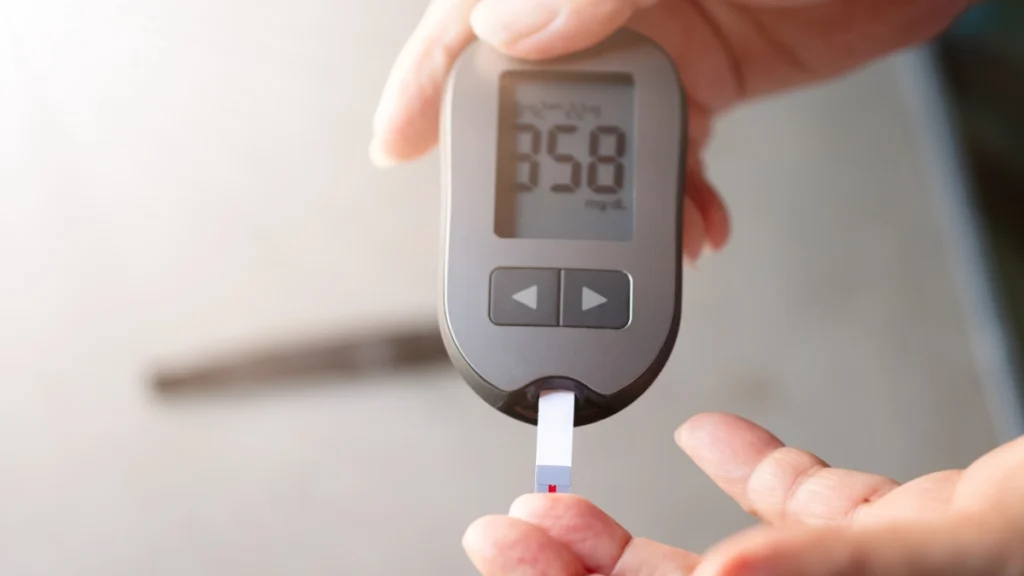
Your body handles food differently as you get older. Your cells slowly become numb to a hormone called insulin. This frustrating condition is called insulin resistance.
When your cells ignore insulin, your blood sugar stays high after a meal. Your body then takes that extra sugar and stores it directly as fat.
Eating a large bowl of pasta at 45 causes a much bigger fat storing response than it did at 25. The food is the same, but your cellular response is broken.
You can reverse this cellular numbness with a few simple habits. Eating a handful of almonds before a carb heavy meal slows down the sugar rush.
Taking a brisk ten minute walk right after eating also helps. The walk pushes that sugar directly into your muscles instead of your fat cells.
Old Advice vs New Science for Age 45
Here is a quick breakdown of how the rules change once you hit your mid 40s.
| Your Goal | The Old Advice | The Real Science For Age 45 |
| Burning More Calories | Jogging slowly for an hour | Lifting heavy weights to build muscle |
| Fixing Daily Hunger | Eating tiny portions of food | Eating 30 grams of protein per meal |
| Losing Deep Belly Fat | Doing hundreds of sit ups | Lowering cortisol and inflammation |
| Handling Sugary Foods | Cutting out all carbs | Walking for ten minutes after eating |
| Boosting Metabolism | Drinking green tea extract | Getting consistent deep sleep |
4 Actionable Steps for Weight Loss After 45
You cannot outrun these biological changes. But you can absolutely overpower them with the right daily habits.
- Prioritize Protein. Skip the tiny salads. Eat 20 to 30 grams of protein at every meal. Your body actually burns calories just to digest it. This habit protects the muscle you need to stay lean.
- Lift Heavy Things. Trade long cardio for weightlifting two to three times a week. You must rebuild your muscle. Try bodyweight squats or resistance bands to start. Tiring your muscles out builds a faster metabolism.
- Do Quick, Intense Workouts. Short bursts of hard exercise work best. Sprinting forces your fat cells to open up and finally release stored fat.
- Protect Your Sleep. Bad sleep makes you hold onto belly fat. It spikes your hunger hormones and ruins how your cells handle sugar. Going to bed at the same time every night is required to see results.
Following these exact steps will repair your metabolism from the inside out. True weight loss after 45 requires rebuilding your body, not starving it.