
Picture yourself walking into a perfect European village. You look around, only to find a sign asking you to put your phone away. Locals want you to keep the location a secret. Finding authentic and uncrowded destinations in 2026 feels impossible.
Social media algorithms instantly turn quiet towns into overrun tourist traps. But some places are fighting back. You are about to discover 16 beautiful towns taking action against fast tourism.
You will learn how to visit these delicate places as a respectful guest rather than a disruptive video creator. Finding secret European villages takes care and respect. We will explore true hidden gems in Europe today.
1. Hallstatt, Austria: Fences Against the Photographers
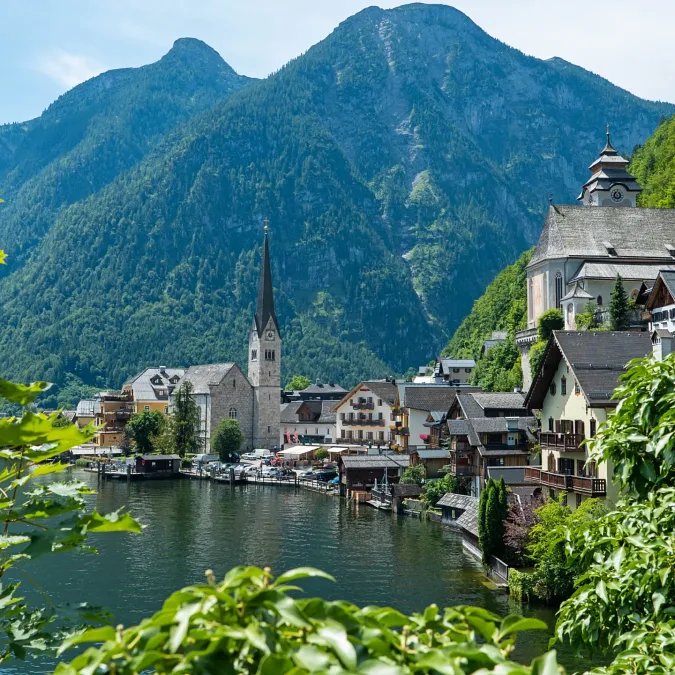
Fog rolls over the glass like water of Lake Hallstatt at dawn. But this quiet beauty hides a modern struggle. Hallstatt has had enough. Tourists keep entering private homes because they think they are public museums.
The town recently put up literal wooden fences to block the most popular selfie spots. Mayor Alexander Scheutz is actively pushing to limit daily tour buses. The contrast between fast day visitors and the authentic 8:30 AM local village life is massive.
There are only 780 year round residents dealing with 1.2 million annual visitors. If you must visit, book a room at a local inn. Skip the peak afternoon rush to truly appreciate these hidden gems in Europe.
2. Bourton on the Water, UK: The Fight Against TikTok Tourists
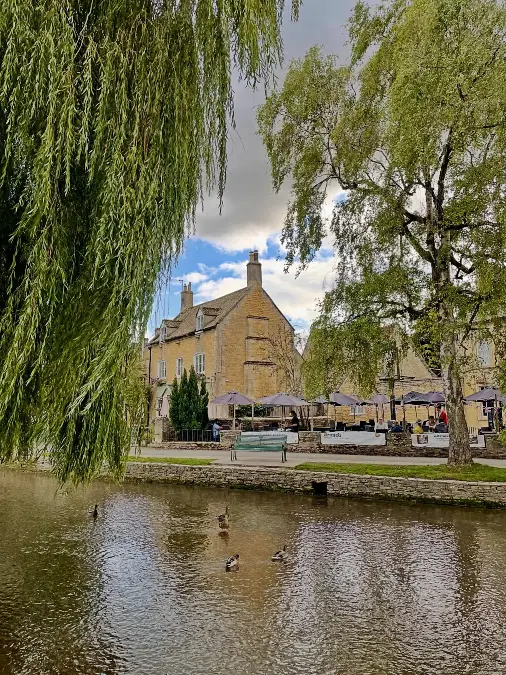
Golden sunlight hits the yellow limestone bridges crossing the clear river. But this beautiful spot in the Cotswolds is actively debating tourism caps. The village simply cannot handle the endless crowds.
Local councillor Jon Wareing strongly protests the hit and run content creators. These visitors exploit the bridges for quick clicks and leave trash behind. The town sees around 300,000 visitors annually against a permanent population of under 3,500.
Support this village by sitting down for tea. Buy from local shops instead of just snapping a photo and leaving. This mindful approach is key for avoiding European overtourism.
3. Lauterbrunnen, Switzerland: The Proposed Valley Toll
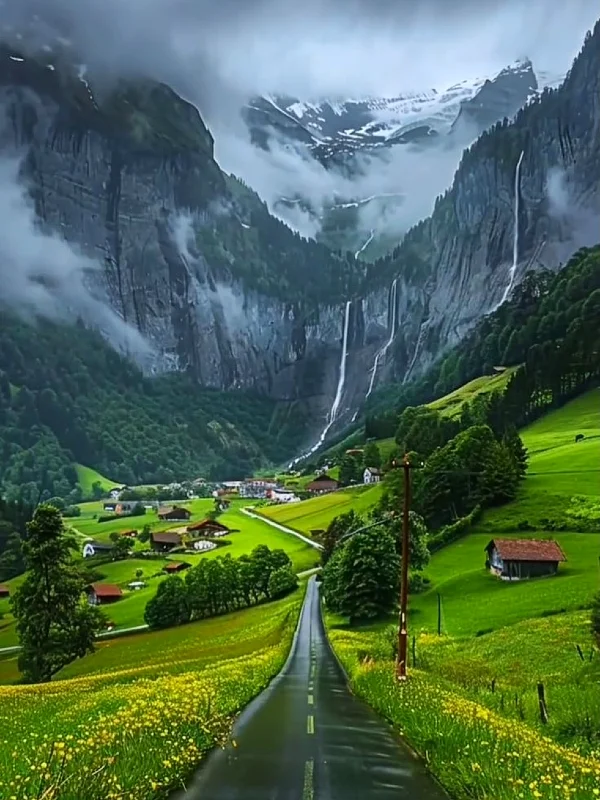
Massive cliffs rise up beside 72 roaring waterfalls. But this incredible valley is buckling under massive social media fame. Authorities are tired of the constant traffic jams.
They are currently drafting a 5 CHF entry fee for day visitors arriving in cars. They based this toll directly on the day visitor tax used in Venice. Local leaders want to push visitors out of rental cars and onto public transit.
Protect these secret European villages by taking the train. Use the local SBB rail network to cut emissions and reduce road stress. Train travel keeps the valley air clean.
4. Portofino, Italy: Fines for Loitering
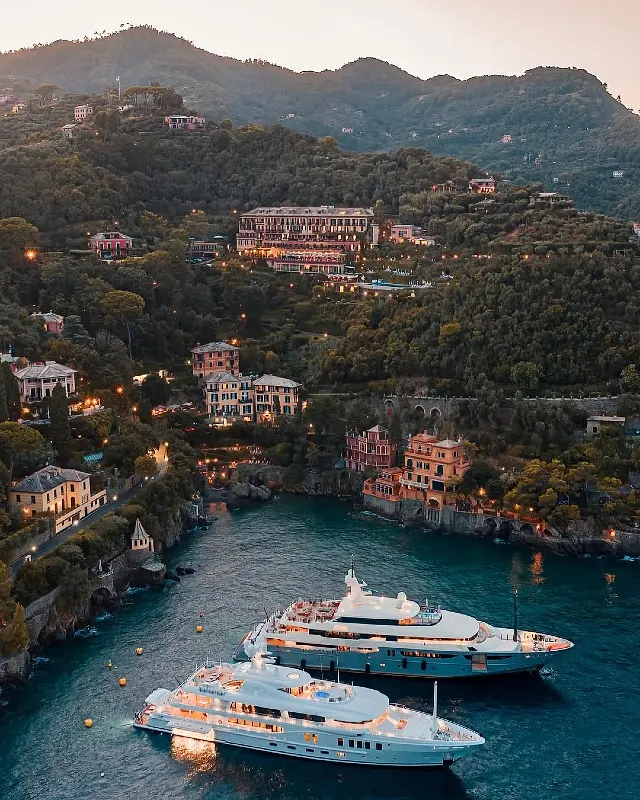
Colorful fishing boats bob in a sparkling turquoise harbor surrounded by pastel houses. But this famous harbor has become a nightmare for foot traffic.
The local government created strict red zones to keep the narrow streets flowing. You will face heavy fines for stopping to take a selfie. Police issue loitering fines up to €275 during the peak summer months. The village is desperate to keep people moving.
Keep walking through the marked zones. Sit at a restaurant to enjoy the view. Respecting local rules helps keep Italian hidden gems in Europe safe. This behavior eventually turns them back into European villages without tourists.
5. Giethoorn, Netherlands: Protecting the Roadless Canals
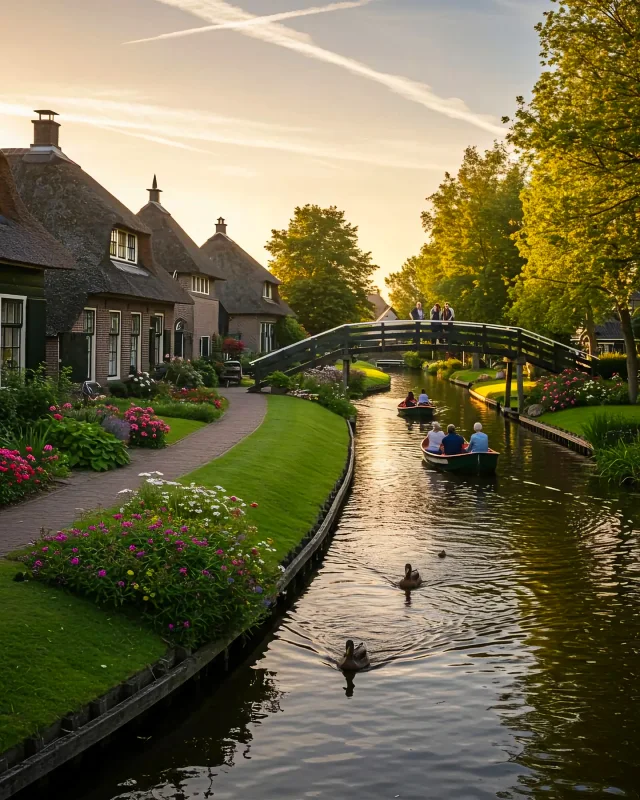
Wooden bridges arch over quiet canals lined with thatched roof farmhouses. But rural Dutch towns are now adopting the strict Stay Away campaigns pioneered by Amsterdam.
Locals are struggling with noisy bumper boats driven by reckless visitors. The waterways are becoming dangerous and crowded. The town has 2,600 residents maintaining a canal network with zero roads. This delicate system dates back to the 13th century.
Visit these secret European villages in the late fall or winter. The water lilies bloom naturally and the crowds disappear. The town regains its peaceful charm when the weather cools down.
6. Reine, Norway: Lofoten Infrastructure Limits
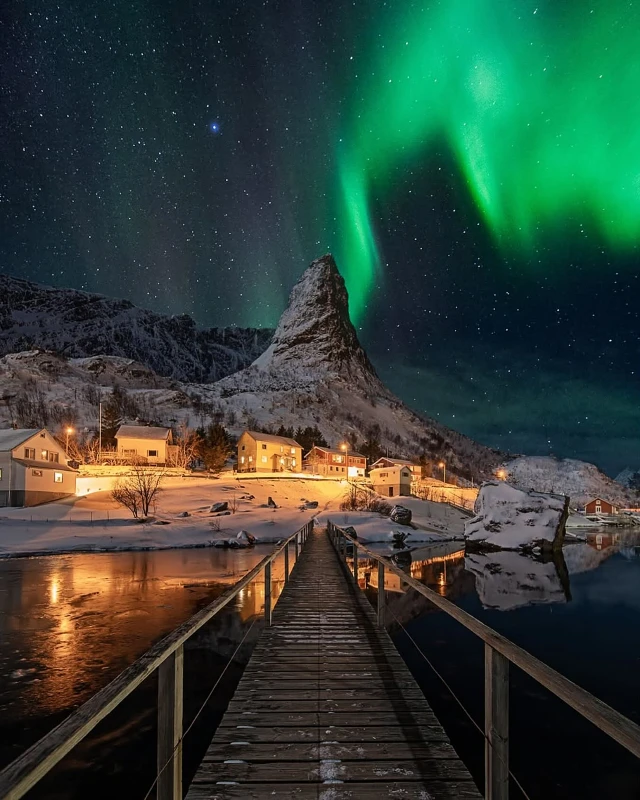
Red wooden cabins sit sharply against jagged and snow covered Arctic mountains. But this tiny fishing village is completely overwhelmed.
Loud drone flyers and careless campers ruin the peace. Locals are pushing hard for strict tourist caps to protect the fragile Arctic moss. Single lane bridges cannot handle the massive rental campers.
Keep these places as hidden gems in Europe by sleeping in official campsites. Leave your drone at home. Respecting nature keeps the local environment pristine.
7. Gásadalur, Faroe Islands: Guarding Múlafossur
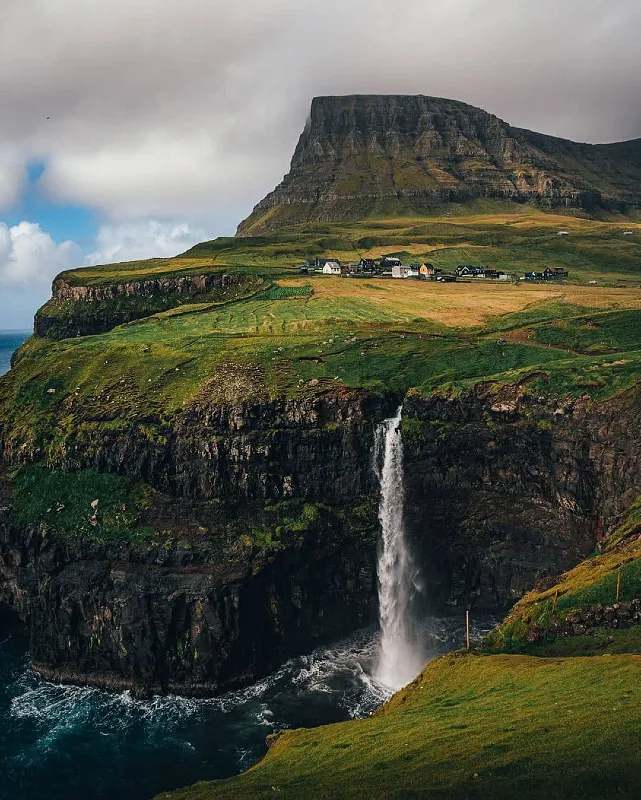
A dramatic waterfall drops straight off a green cliff into the crashing ocean below. But this isolated settlement now sees constant and heavy foot traffic.
The town was completely cut off by mountains until a tunnel opened in 2004. Now, locals actively beg visitors to stay on marked paths. Careless walkers are destroying the natural nesting grounds of local puffins. The entire village has a population of fewer than 20 people.
Respect the warning signs. Walk only where permitted. Following basic rules helps make European villages without tourists a reality again.
8. Nesso, Italy: Lake Como Viral Gorge
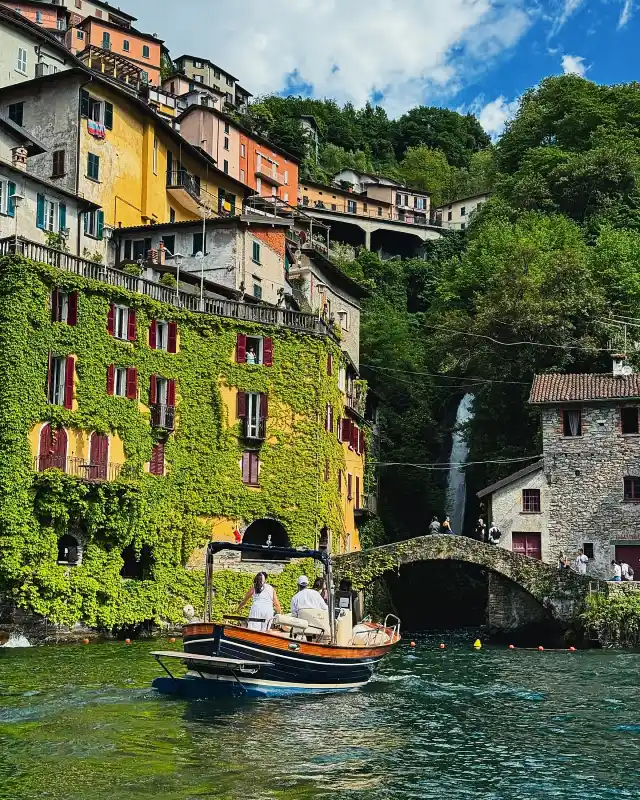
A hidden waterfall crashes through a dark stone gorge into a deep blue lake. But a sudden explosion of social media fame has ruined the peace.
The Orrido di Nesso went viral. Narrow medieval stone steps are now completely blocked by crowds waiting to jump off the Ponte della Civera bridge. The town is a 1.5 hour drive from Milan. The massive influx of cars has broken the local parking system.
Support local trattorias by buying lunch. Park outside the town limits. Walking into town is a crucial step for avoiding European overtourism.
9. Stara Fužina, Slovenia: Routing Traffic Away
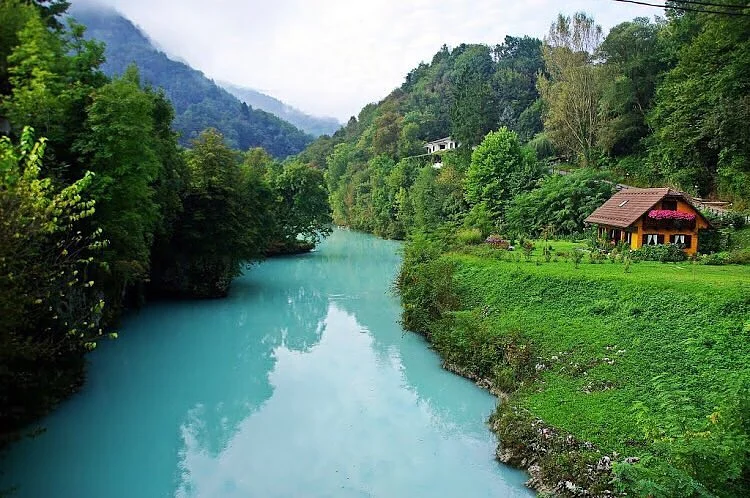
Crystal clear alpine waters flow past traditional wooden farmhouses and green pastures. But summer traffic threatens this quiet spot in Triglav National Park.
Slovenia is making an aggressive push for green tourism. They implemented strict park and ride systems to keep cars out of the village completely. Police issue strict €200 fines for illegal parking in these Julian Alps.
Use the designated shuttle buses. Protecting secret European villages means leaving your rental car far away. Public shuttles keep the mountain air fresh and the roads safe.
10. Albarracín, Spain: The Push for Slow Travel
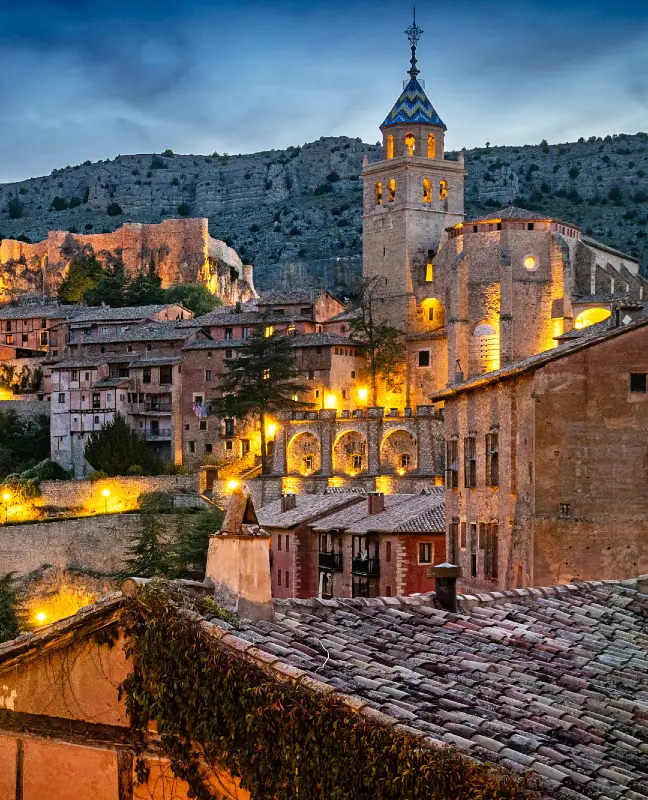
Pink stone walls glow warmly under the bright Spanish sun. But locals in Spain’s most beautiful village are pushing back against rushed visitors.
They are tired of people showing up for two hours just to take pictures. They want visitors who actually engage with the local economy and rich history. The town is a 3 hour drive from Madrid. This makes it a prime target for the fast tourism that locals desperately want to curb.
Book a multi day stay in these hidden gems in Europe. Hire a local guide to learn the history. Slow travel benefits everyone.
11. Bosa, Italy: Preserving the Malaspina Heritage
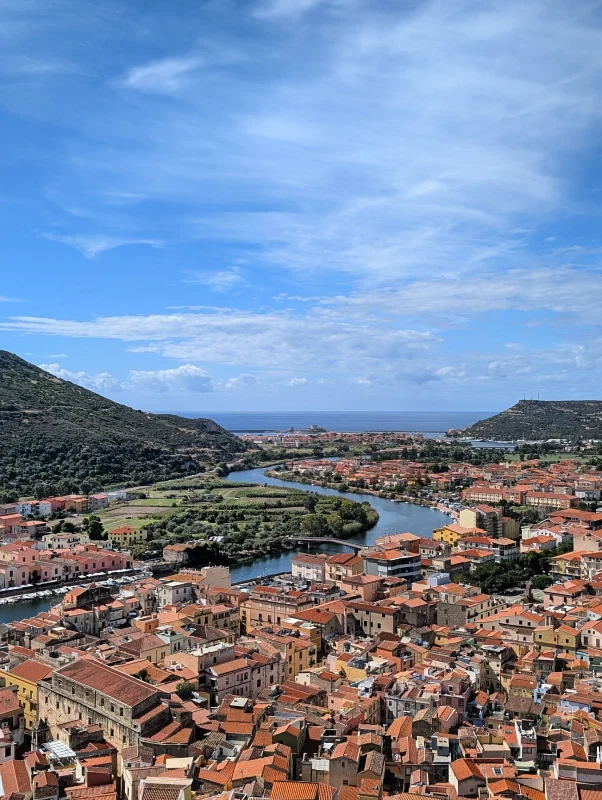
Bright pastel houses stack beautifully along the gentle Temo River. But residents are fighting hard to keep mega resort developers completely out of their home.
They want to emphasize traditional Sardinian craftsmanship over cheap plastic souvenir shops. Locals focus heavily on Malvasia di Bosa wine production as a strong economic alternative to mass tourism. They prefer wine buyers over photo takers.
Buy authentic wine directly from the makers. Skip the tourist trap stores. True European villages without tourists rely on sustainable spending from respectful guests.
12. Montriond, France: The Quiet Alpine Secret
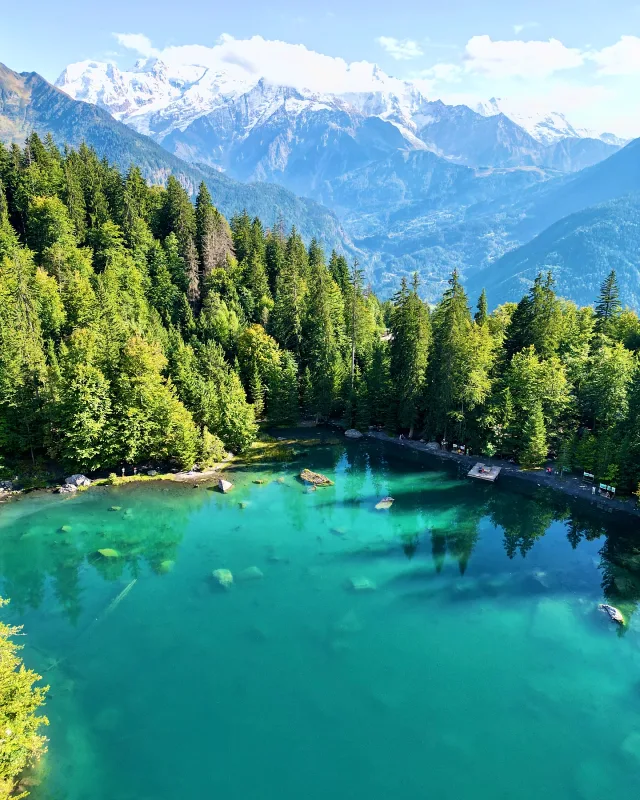
Pine trees reflect perfectly in a still and peaceful mountain lake. But locals are intentionally keeping this spot off the radar.
This little brother to Morzine wants to maintain affordable housing for residents. Mass tourism quickly destroys local real estate markets. Real estate prices remain stable here compared to the massive 2026 hikes expected in neighboring Argentière.
Help protect secret European villages by keeping them quiet. Book directly with local guesthouses instead of massive corporate rental sites. Supporting local landlords keeps the village authentic.
13. Ulcinj, Montenegro: Protecting Cultural Identity
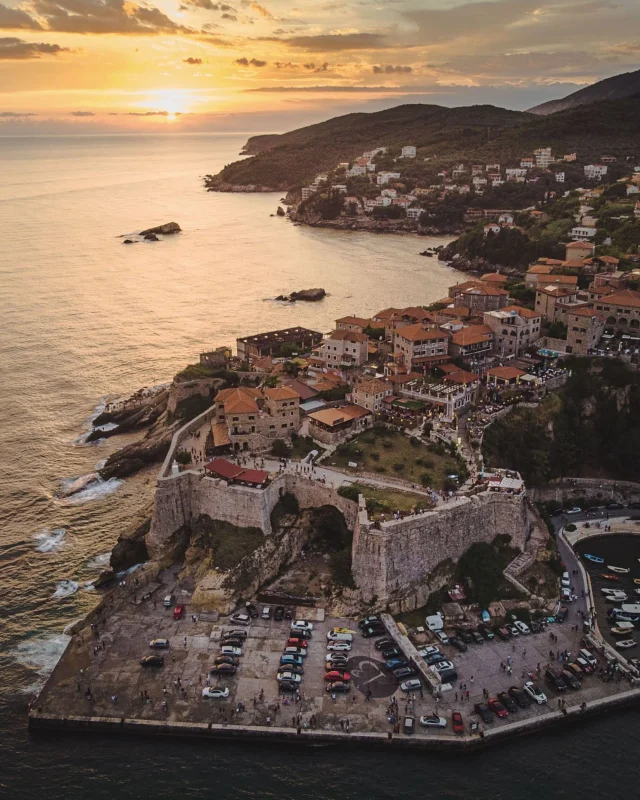
Ancient stone walls overlook a sweeping crescent beach on the Adriatic coast. But as nearby places like Kotor and Budva overflow, visitors are swarming here.
Locals are actively trying to preserve their unique Albanian influenced culture. They fear mass coastal tourism will completely commercialize their home. The main focus is the strict preservation of the 2,500 year old Old Town.
Hire a local historian to show you the ancient sites. Searching for hidden gems in Europe requires deep respect for local culture. Learn the history before taking the photos.
14. Civita di Bagnoregio, Italy: The Toll Bridge Survival
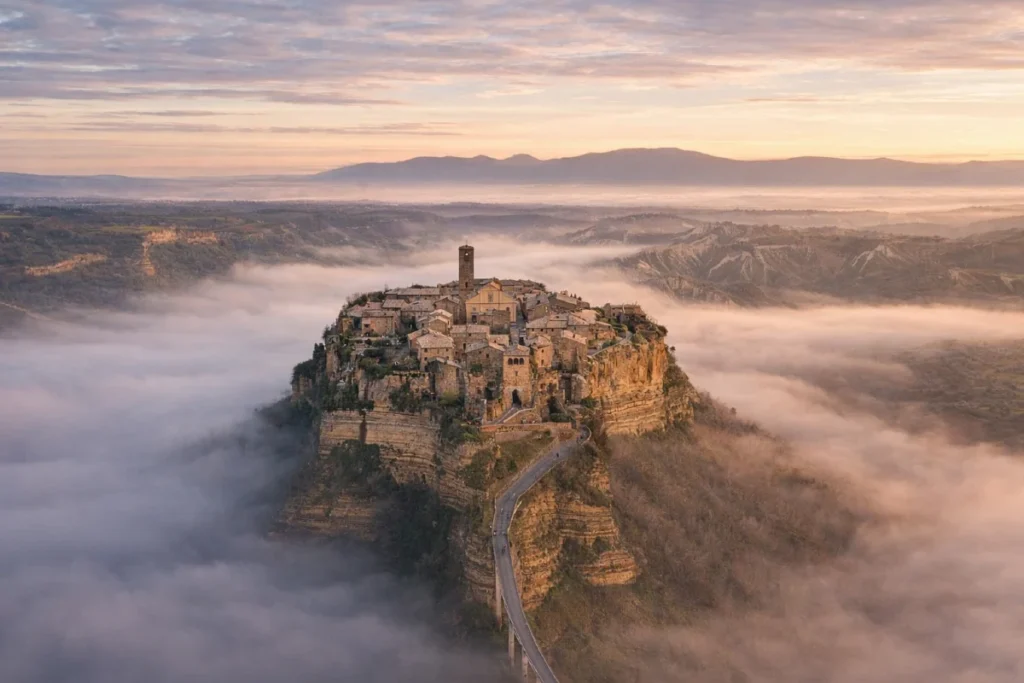
A tiny medieval city balances precariously on top of a crumbling golden cliff. But this dying city saved itself by making a hard choice.
They put a literal price tag on entry. They implemented a fee just to cross the massive pedestrian footbridge. A recent European Parliament TRAN committee report noted strong anti tourism sentiment across the continent.
Pay the €5 entry fee gladly. The money pays for structural repairs. This is a prime example of avoiding European overtourism through smart rules.
15. Corvo, Portugal: Island Capacity Caps
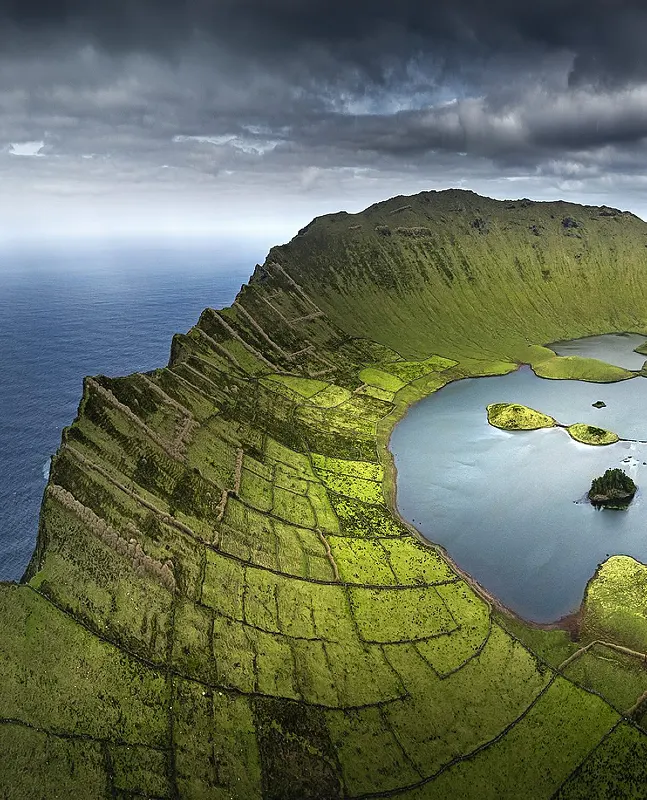
Green volcanic slopes drop sharply into the wild Atlantic Ocean. But the smallest island in the Azores cannot handle large crowds.
The local government put strict limits on flight and ferry passengers. They must preserve the single village of Vila do Corvo and its delicate volcanic crater environment. The total island population is roughly 400 people. The local infrastructure physically cannot handle mass tourism.
Plan your trip months in advance. Respect the hard limits placed on these secret European villages. Small islands require massive protection.
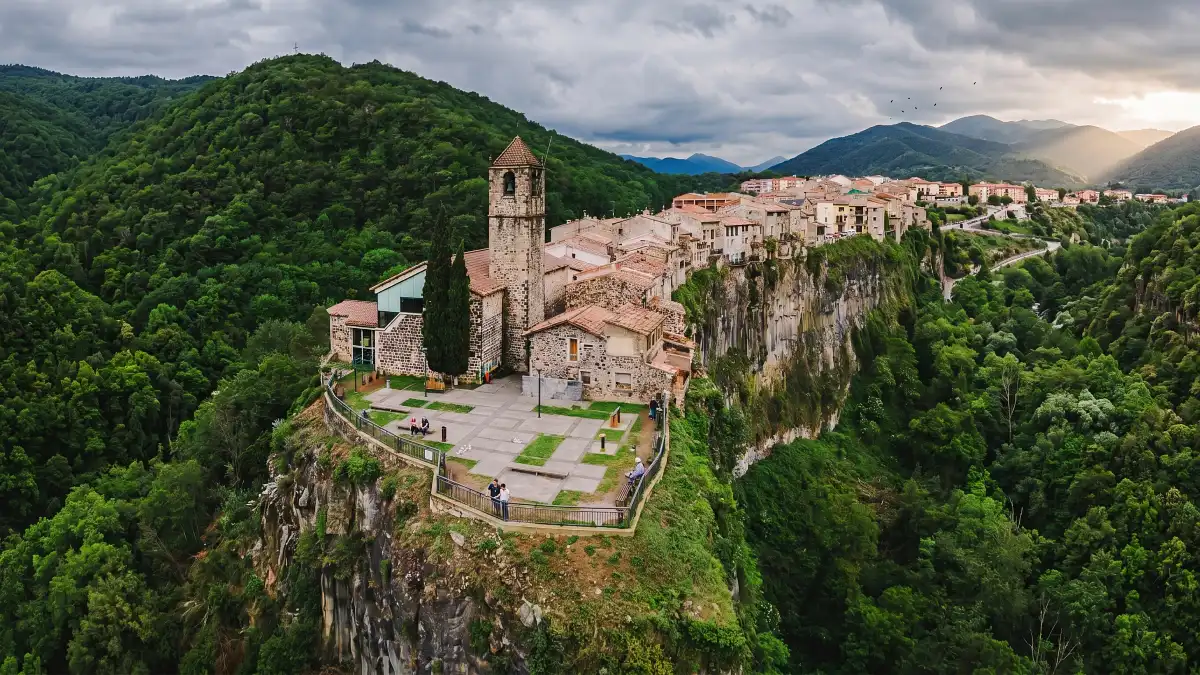
16. Castellfollit de la Roca, Spain: The Cliffside Secret
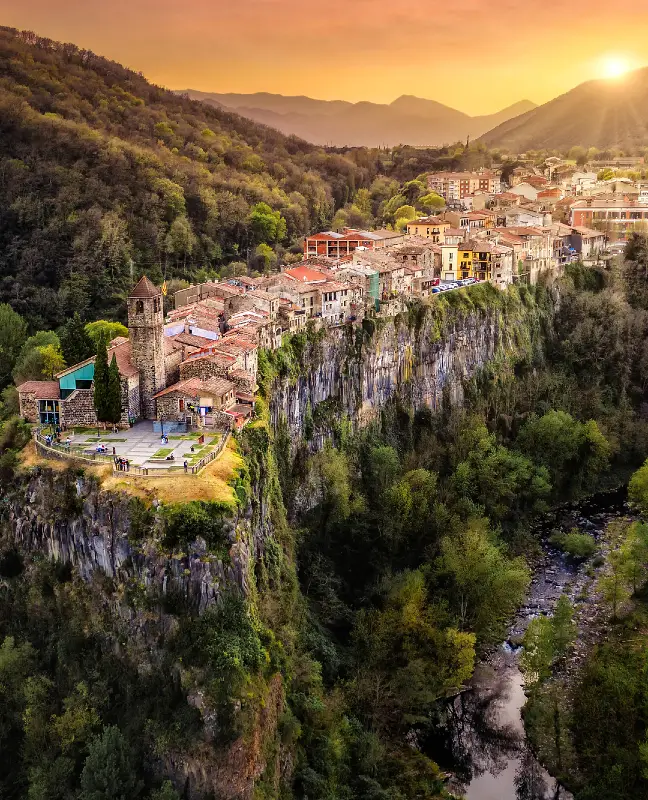
A row of stone houses balances on the very edge of a massive basalt cliff. But locals are very hesitant to promote this place widely.
The town has only one single narrow road. Heavy tour bus traffic creates a massive risk of structural wear and tear on the rock itself. The rock cliff is 50 meters high and stretches for nearly a kilometer.
Look for European villages without tourists by traveling in small groups. Use public transit to reach the town safely. Less weight on the road means a longer life for the town.