

You apply heavy lotion every single day. But your skin stays dry, itchy, and irritated. Most people think a rash is just an allergic reaction or dry skin. But your skin is often the first place your body broadcasts a deep internal SOS.
You deal with stubborn itching. You notice odd color changes. You find rough patches that no amount of cream will fix. You feel frustrated by the lack of answers.
Today, you will learn how to tell normal skin irritation apart from the specific skin signs of kidney disease. You will also discover exactly when to ask your doctor for a simple blood test.
A standard contact allergy clears up with topical steroids. A kidney failure skin rash does not respond to surface treatments. Over 35 million Americans have chronic kidney disease. Shockingly, 90% do not know it. Let us look at the top nine warning signs.
1. Extreme Unquenchable Itching (Uremic Pruritus)

This itch feels entirely different. It feels like it lives deep under your skin.
Failing kidneys lose the ability to filter out phosphorus. This excess phosphorus stays in your blood. It quickly binds to calcium. This creates tiny crystals that deposit directly into your skin.
The result is microscopic irritation called uremic pruritus. Up to 84% of patients with End Stage Renal Disease suffer from this relentless itching.
This deep itch often gets much worse at night. Scratching provides zero relief. Scratching will not help, but changing your diet to lower phosphorus intake might.
Where this itch strikes most often:
- Your back
- Your chest
- Your arms
- Your legs
2. Ashy Scaly Dryness (Xerosis Cutis)
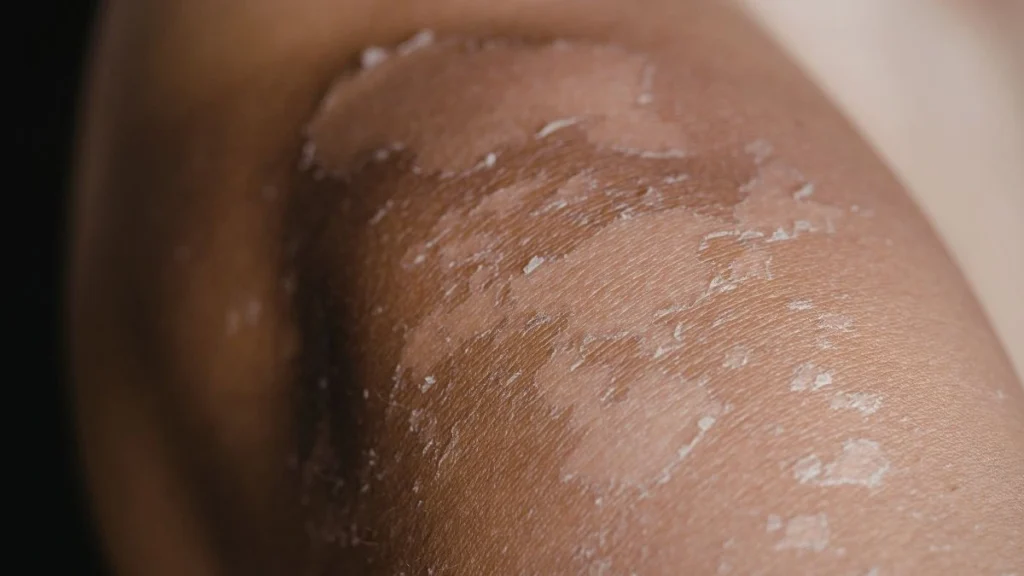
Kidney stress physically shrinks your sweat and oil glands. This destroys the natural moisture barrier of your skin.
You will see a tight fish scale appearance. Doctors call this xerosis cutis. This is entirely different from standard seasonal winter dryness.
Try the heavy lotion test right now. Apply a thick moisturizer to the rough patch. Does the heavy lotion absorb quickly? Does your skin feel dry again in just one hour? If yes, you have an internal hydration issue. You are looking at clear skin signs of kidney disease.
3. Yellowish or Slate Grey Color Changes
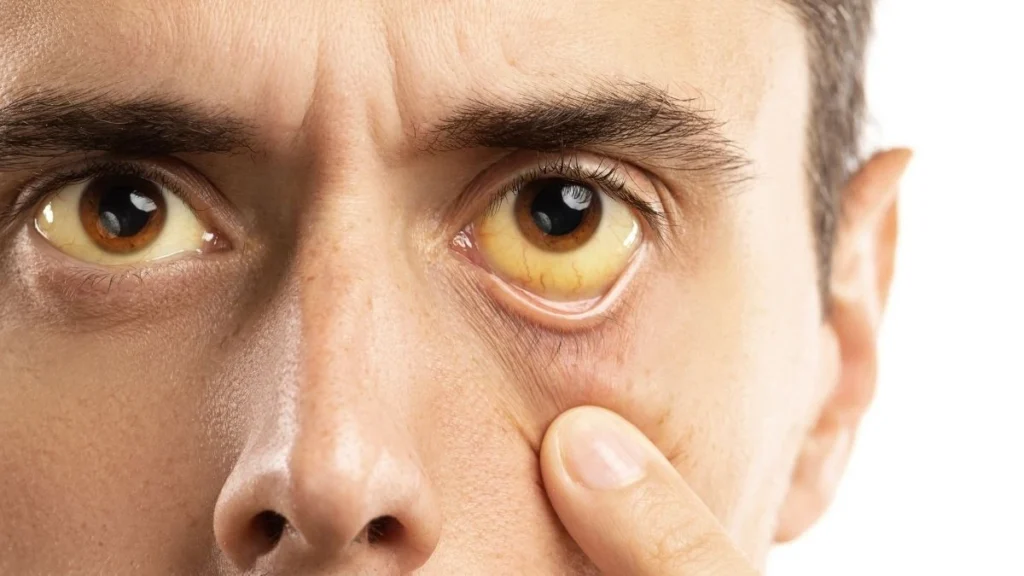
Healthy kidneys act like a powerful filtration system. They filter a yellow pigment called urochrome out into your urine.
Stressed kidneys fail to remove this waste. They leave this yellow pigment circulating in your blood. This buildup ends up tinting your skin. You might also notice a slate grey darkening. This grey color happens from severe iron overload in the blood.
These color changes show up in specific places. You will usually spot kidney disease yellow skin on your face and torso first.
4. The Kidney Rash: Dome Shaped Itchy Bumps

This is the most alarming visual sign on our list. While dryness is common, this specific symptom is often misdiagnosed as severe acne.
The medical name is Acquired Perforating Dermatosis. You will see intense dome shaped bumps. Each bump usually has a central crust or a hard plug. Your skin literally tries to push out excess collagen and toxins. It does this because your kidneys cannot filter them out.
Think of your kidneys as the coffee filter of your body. When the filter tears, the grounds spill into the pot. In your body, those grounds are toxins that end up in your skin.
Do not pick or scratch these bumps. Scratching makes them spread and leave permanent scars. This spreading effect is called Koebnerization. A true kidney failure skin rash requires internal medical treatment.
5. White Dust on the Skin (Uremic Frost)

This is a late stage and severe warning sign. Sometimes urea levels in your blood skyrocket.
Your body panics and attempts to excrete this heavy urea through your sweat. The sweat eventually evaporates. White powdery urea crystals remain permanently on your skin. It literally looks like a layer of salty frost.
This uremic frost is highly visible. You will see these skin signs of kidney disease mostly on the face, neck, and chest.
6. Half and Half Nails (Lindsays Nails)
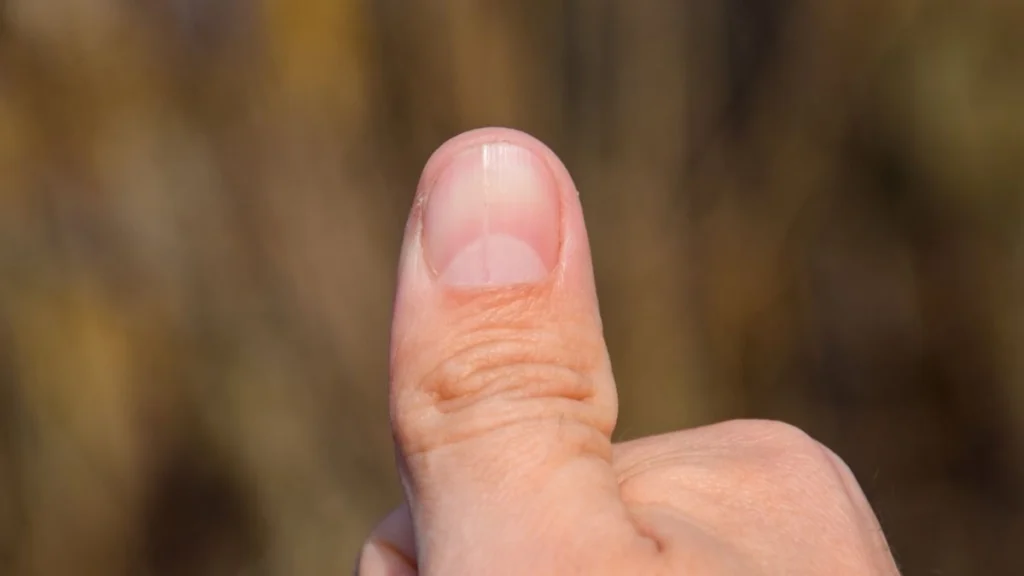
Your fingernails reveal hidden secrets about your internal health. Take a close look at your bare nails right now.
You might see a solid white bottom half. The top half might look reddish brown or dark pink. Doctors call these Lindsays Nails. High levels of uremia change how your body processes melanin. This alters the color of your nail beds.
Experts estimate that 20% to 40% of people with chronic kidney disease develop some form of nail changes. This pigmentation issue strongly links to kidney disease yellow skin.
7. Puffy Swelling Around the Eyes and Ankles (Edema)
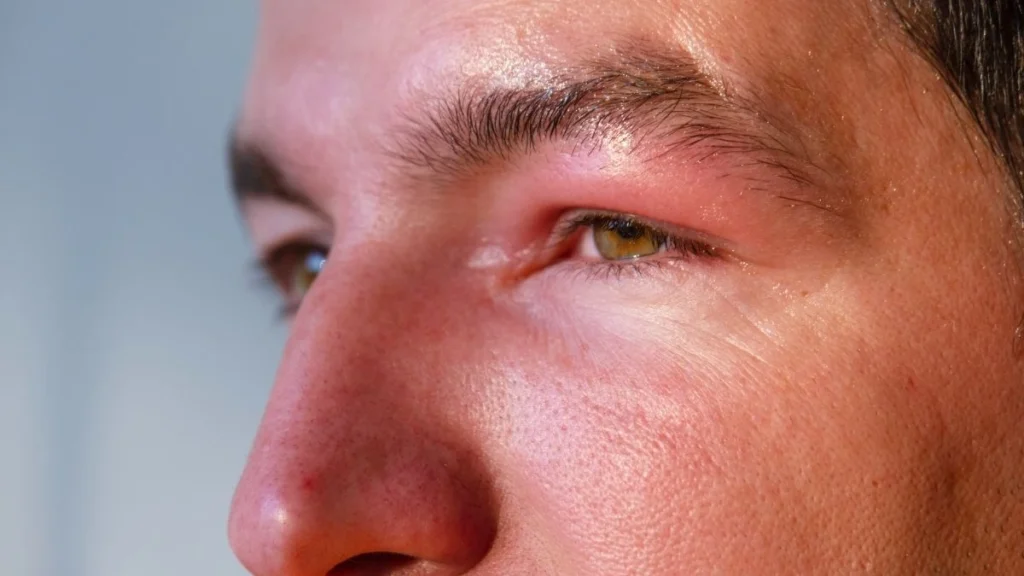
Picture waking up with incredibly heavy and puffy eyelids. Failing kidneys spill vital protein directly into your urine.
This dangerous condition is called proteinuria. Your stressed body also holds onto too much sodium. This fluid shift causes heavy swelling. Gravity moves the fluid around your body. You will notice puffy eyes in the morning. You will see swollen ankles in the evening.
Try the pitting test today. Press your thumb firmly into the swelling. Does it leave a visible indentation? If it does, these are true skin signs of kidney disease. This is not normal tiredness or seasonal allergies.
8. Painful Hard Lumps Under the Skin (Calcinosis Cutis)

Severe mineral imbalances cause major structural damage. Excess calcium and phosphate solidify into hard nodules.
These painful lumps form deep under the skin or right around your joints. They feel exactly like small stones trapped beneath the skin surface. Doctors call this condition calcinosis cutis.
These hard lumps often show up alongside intense itching. This creates a terrible cycle of uremic pruritus and physical pain.
9. Unexplained Bruising and Purple Spots (Purpura)

High toxin levels heavily impair how your blood platelets function. Your blood struggles to clot normally.
This failure leads to easy bruising from very minor bumps. You might also spot clusters of tiny purple or red dots. Doctors call these dots petechiae.
A normal bruise heals and fades in a few days. A kidney related bruise lingers for weeks. You must pay attention to these spots. They look different from a raised kidney failure skin rash.