
That tight, painful feeling in your stomach isn’t just in your head. Constant bloating has become a modern health crisis, leaving millions feeling uncomfortable and confused.
You scroll through social media and see a flood of #guttok trends promising miracle cures overnight, from expensive cleanses to strange tonics. The truth is, most of it is noise.
Real relief doesn’t come from a quick fix; it comes from understanding what’s actually going on inside your gut. This guide cuts through the hype. It breaks down the 12 real mistakes that are making you bloated and gives you a simple, actionable plan to finally feel better.
1. Falling for Quick-Fix “Resets” and Viral Fads

You see it all over social media. Juice cleanses, detox teas, and pricey “gut resets” that promise a quick fix. The idea is that you can heal your gut in just a few days.
Your gut isn’t a dirty pipe you can just flush clean. Think of it more like a garden. It’s a living system that you need to care for every day.
You Starve Your Gut: Juice cleanses often strip out all the good stuff. They have no fiber, protein, or healthy fats. Your body needs those things to digest food properly and, most importantly, to feed the good bacteria in your gut. Fiber is their main food source.
You Hurt Your Gut Bacteria: A quick fix is a dangerous idea. Drinking only juice might make you feel less bloated for a day or two, but that’s just because your stomach is empty. In the long run, it can actually harm your gut. It can kill off the variety of good bacteria you need to stay healthy.
They Aren’t Backed by Science: These products are mostly marketing. There is no proof that juice cleanses work. The best way to change your gut is with real food.
What to Do Instead
Focus on Routines, Not Resets: Your gut loves consistency. Small, daily habits are what make a real difference.
Eat Whole Foods: Don’t just drink the juice from fruits and vegetables. Eat the actual fruit and vegetable. That way, you get all the fiber that feeds your good gut bacteria.
Listen to Your Body: Your body knows when it’s hungry and when it’s full. Trust those feelings more than a trend you see online.
2. Eating the Same Foods Every Day

You eat the same few “healthy” foods over and over. You think that as long as you’re getting some fiber, you’re doing enough for your gut.
Your Gut Needs Variety: The number one sign of a healthy gut is diversity. This means having many different types of good bacteria. A gut with a lot of variety is stronger and works better. To get that variety, you need to eat many different kinds of foods.
Aim for 30 Plants a Week: This isn’t a random number. A large study found that people who ate more than 30 different plant foods a week had much healthier guts than people who ate 10 or fewer.
You Make More Good Stuff: When you eat a variety of plants, your diverse gut bacteria produce helpful compounds called short-chain fatty acids (SCFAs). These are super important. They feed the cells in your colon, reduce inflammation, and can even lower your risk of bowel cancer.
What to Do Instead
Take the 30-Plant Challenge: Try to eat at least 30 different plant foods each week. This includes fruits, vegetables, whole grains, beans, nuts, seeds, herbs, and spices.
Keep Track: Use a notepad to check off each new plant food you eat during the week. Herbs and spices count as a quarter of a point.
Eat the Rainbow: When you go grocery shopping, try to buy foods with many different colors. The colors in plants come from different nutrients that feed different types of good bacteria.
Make Small Swaps: You don’t have to change your whole diet at once. Sprinkle seeds on your oatmeal. Use a new herb in your salad dressing. Swap rice for quinoa. Try one new vegetable each week. These small changes add up fast.
3. Adding Too Much Fiber, Too Fast

You get excited about improving your gut health and suddenly switch from a low-fiber diet to a very high-fiber diet.
You Get More Bloated: A sudden flood of fiber can shock your gut bacteria. Your gut needs time to adjust to digesting more fiber.
If you add too much at once, the bacteria produce a lot of extra gas. This leads to the exact problems you’re trying to fix: painful gas, bloating, and cramps.
You Can Get Constipated: Fiber needs water to work. It soaks up water to soften your stool and keep things moving.
If you eat a lot more fiber without drinking more water, it can backfire. Your stool can become hard and dry, making you constipated.
The Protein and Fiber Mix Matters: A 2020 study found something interesting. High-fiber diets that were also high in plant protein (like beans and nuts) were more likely to cause bloating.
This doesn’t mean plant protein is bad. It just means your gut needs a balanced mix of fiber from different sources, like whole grains and vegetables too.
What to Do Instead
Start Low and Go Slow: Increase your fiber slowly over a few weeks. This gives your gut bacteria time to adapt without causing extra gas. Try adding just five more grams of fiber a day until you reach your goal.
Drink More Water: As you eat more fiber, you must drink more water. Make it a habit to drink plenty of water all day long.
Balance Your Foods: When you add high-fiber foods like beans, make sure you’re also eating fiber from whole grains, fruits, and vegetables.
Prep Your Beans: You can make beans less gassy. If you’re using dry beans, soak them overnight and throw out the water before cooking. If you’re using canned beans, rinse them well.
4. Eating Too Many Processed Foods and Hidden Sugars
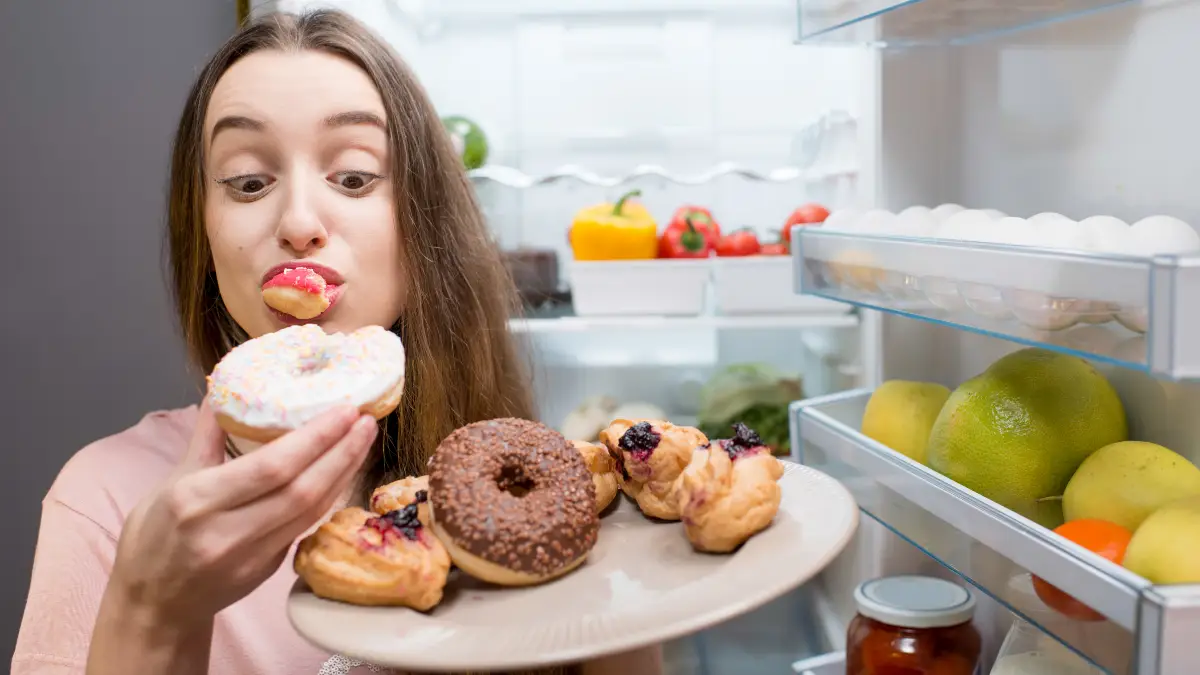
You eat a lot of ultra-processed snacks, sugary drinks, and white bread. You think it’s okay because you also eat some healthy foods.
You Feed the Wrong Bacteria: Processed foods create a bad environment for your gut. They are usually low in fiber, which starves your good bacteria. At the same time, they are high in sugar.
Bad, inflammatory bacteria love to eat sugar. This lets them grow and take over, throwing your gut out of balance.
You Cause Inflammation: An unbalanced gut can lead to bigger problems. It can cause inflammation and damage your gut lining. This is sometimes called a “leaky gut.” It can let toxins into your bloodstream and cause inflammation throughout your body.
Watch Out for “Healthy” Traps: Many foods that look healthy are actually full of sugar. Flavored yogurts, granola bars, and “gut-healthy” drinks can be packed with hidden sugars and additives that hurt your gut. A drink with “gut healthy” on the label but 20 grams of sugar is not helping you.
What to Do Instead
Read the Label: The most important thing you can do is read the ingredient list. Don’t just look at the claims on the front of the box. Choose foods with short, simple ingredient lists. Avoid products with lots of added sugar and chemicals.
Choose Whole Foods: Make simple swaps. Eat an apple instead of drinking apple juice. Choose whole-grain bread instead of white bread. Pick plain yogurt and add your own fruit for sweetness.
Rethink Your Drinks: Replace sugary sodas and juices with water or herbal tea.
5. Not Knowing the Truth About Probiotics

You think all yogurts are good for you, any probiotic supplement will work, and taking a pill can make up for a bad diet.
Why This Is a Problem
Not All Yogurts Are Probiotic: Many yogurts are heated after they are made. This process, called pasteurization, kills the live bacteria. If a yogurt doesn’t have “live and active cultures,” it’s not giving you a probiotic benefit.
The Strain and Dose Matter: Probiotics are not all the same. Different types, or strains, of bacteria do different things. For bloating, certain strains like Bifidobacterium lactis and Lactobacillus acidophilus have been shown to help.
The amount you take, or the dose, is also important. A good probiotic should have between 1 and 10 billion colony-forming units (CFUs).
You Can’t Out-Supplement a Bad Diet: Probiotics are like seeds for your gut garden. But they need fertilizer to grow. That fertilizer is prebiotic fiber from plant foods. If you don’t eat enough fiber, the probiotics won’t have anything to eat and won’t do you any good.
What to Do Instead
Check the Label Carefully: When you buy yogurt or kefir, look for the words “live and active cultures.” For supplements, choose one that lists the specific strains and has a CFU count in the billions.
Match the Strain to Your Symptom: Use a guide to find the right probiotic for your problem. The table below can help you choose a strain that is proven to help with bloating.
Eat Fermented Foods: In addition to supplements, eat fermented foods like kimchi, sauerkraut, and low-sugar kombucha. They give you a variety of good bacteria.
Feed Your Probiotics: The most important step is to eat a diet full of fiber from many different plants. This feeds the good bacteria and helps them grow.
Table 1: Probiotic Strains That Help with Bloating
| Probiotic Strain | Good For | What It Does | Where to Find It |
| Bifidobacterium lactis | General gut health, bloating from constipation | Helps break down fiber and lactose. Studies show it reduces IBS symptoms like bloating. | Yogurt, fermented milks, supplements. |
| Lactobacillus acidophilus | Lactose intolerance, general bloating | Makes the enzyme that helps you digest dairy. Good if bloating comes from food intolerance. | Yogurt, kefir, sauerkraut, supplements. |
| Bifidobacterium infantis | IBS bloating, gut inflammation | Proven to help bloating and gas in people with IBS. It reduces inflammation. | Supplements. |
| Saccharomyces boulardii | Bloating from antibiotics, diarrhea | A helpful yeast that antibiotics don’t kill. Good for bloating caused by antibiotic use. | Supplements. |
6. Using the Wrong Artificial Sweeteners

You choose “zero-sugar” or “diet” products with artificial sweeteners, thinking they are better for you than sugar.
Why This Is a Problem
New research shows that not all sweeteners are the same. Some are much worse for your gut than others.
Some Sweeteners Harm Gut Bacteria: A 2025 study found that synthetic sweeteners like Sucralose and Saccharin seriously reduced the variety of good gut bacteria.
They even helped harmful bacteria grow. On the other hand, non-synthetic sweeteners like Xylitol and Stevia were much less harmful.
“Zero Sugar” Can Be Deceiving: Diet drinks may not be as healthy as they seem. Some studies show that drinking them daily can increase the risk of liver problems, even more than sugary sodas. They can also confuse your brain and gut, messing with your insulin and making you crave more sweets.
Watch Out for Other Additives: It’s not just sweeteners. Other additives called emulsifiers are in thousands of processed foods to improve their texture. These can also harm your gut bacteria, reduce helpful compounds, and cause inflammation by damaging the protective mucus layer in your gut.
What to Do Instead
Read the Ingredient List: Look past the “zero sugar” claim. Check the back for synthetic sweeteners like sucralose and saccharin. Also look for emulsifiers like carboxymethylcellulose (CMC) and carrageenan.
Choose Better Options: If you use sweeteners, the new research is clear. Choose non-synthetic options like stevia or xylitol. They seem to be much better for your gut.
Eat Fewer Processed Foods: The best way to avoid bad additives is to eat whole, real foods. When you cook at home, you know exactly what’s in your meal.
Table 2: How Common Sweeteners Affect Your Gut
| Sweetener Type | Examples | What It Does to Your Gut | What You Should Do |
| Synthetic | Sucralose, Saccharin | Greatly reduces the variety of good bacteria. Helps harmful bacteria grow. | Use with caution. These may be more harmful than helpful, especially if you have gut problems. |
| Synthetic | Acesulfame K | Disrupts the balance of your gut bacteria, which could cause problems long-term. | The effects are unclear, but it could make your gut less stable over time. |
| Non-Synthetic | Stevia, Xylitol | Much less harmful to your gut bacteria. May even help some good bacteria grow. | A better choice if you want to use a sweetener. |
7. Ignoring Food Sensitivities like FODMAPs

You have bloating all the time, but you keep eating “healthy” foods that are actually triggering your symptoms. This is often due to a group of carbs called FODMAPs.
Why This Is a Problem
What Are FODMAPs: FODMAP is a name for a group of short-chain carbs. For some people, these carbs are not absorbed well in the small intestine. They travel to the large intestine, where gut bacteria eat them and produce a lot of gas.
They also pull water into your gut. The mix of gas and water causes bloating, pain, and changes in your bathroom habits.
The Link to IBS: The low-FODMAP diet is a proven therapy for IBS. Since IBS is a major cause of bloating, FODMAPs are a key factor for many people.
“Healthy” Foods Can Be Triggers: The tricky part is that many high-FODMAP foods are very healthy. This includes garlic, onions, apples, beans, cauliflower, and wheat. It’s hard to know they are the problem without a clear plan.
What to Do Instead
Try a Short-Term Elimination Diet: If you have constant bloating, a temporary low-FODMAP diet can help you figure out your triggers. This is not a forever diet. You first remove high-FODMAP foods for a few weeks to calm your symptoms. Then, you slowly add them back one by one to see which ones cause problems.
Work with a Professional: A low-FODMAP diet is tricky to do on your own. It’s best to work with a registered dietitian. They can make sure you’re getting enough nutrients and help you through the process correctly.
Use a Trusted App: To know which foods are high or low in FODMAPs, use a reliable source. The Monash University FODMAP Diet App is the best one. The researchers who created the diet run it.
Table 3: Common High-FODMAP Foods and Easy Swaps
| Food Category | High-FODMAP Foods (May Cause Bloating) | Low-FODMAP Swaps (Safer Choices) |
| Vegetables | Onion, Garlic, Asparagus, Cauliflower, Mushrooms | Green parts of scallions, Garlic-infused oil, Carrots, Bell Peppers, Zucchini, Potatoes |
| Fruits | Apples, Pears, Mangoes, Cherries, Watermelon | Oranges, Strawberries, Blueberries (small amounts), Kiwi, Pineapple |
| Grains | Wheat, Rye, Barley (in bread and pasta) | Oats, Quinoa, Rice, Gluten-Free Breads/Pastas |
| Legumes | Most beans, Lentils, Chickpeas | Canned lentils/chickpeas (small, rinsed amounts), Firm Tofu, Tempeh |
| Dairy | Cow’s Milk, Soft Cheeses, Yogurt, Ice Cream | Lactose-Free Milk/Yogurt, Hard Cheeses (Cheddar, Parmesan), Almond Milk |
| Sweeteners | Honey, High Fructose Corn Syrup, Agave | Maple Syrup, Table Sugar (in moderation), Stevia |
8. Forgetting That Stress Wrecks Your Gut

You treat your bloating like it’s only a food problem. You forget that your mental and emotional health have a huge impact on your digestion.
Why This Is a Problem
Your Gut and Brain Are Connected: Your gut and brain are constantly talking to each other through the gut-brain axis. Your gut is even called the “second brain” because it makes over 90% of your body’s serotonin. Serotonin is a chemical that controls your mood and digestion.
Stress Shuts Down Digestion: When you’re stressed, your body goes into “fight-or-flight” mode. It sends energy to your muscles and heart, and away from things it thinks are less important, like digestion. This can slow down or speed up your digestion, causing bloating, cramps, diarrhea, or constipation.
Stress Changes Your Gut Bacteria: Chronic stress can actually change the types of bacteria in your gut. It can reduce the good kinds and let the bad kinds grow. This creates a bad cycle. An unhealthy gut sends stress signals to the brain, which makes you feel more anxious. That anxiety then makes your gut problems even worse.
It’s a Common Problem: Almost everyone with IBS says their symptoms get worse with stress. But more than half of them say their doctor never talked to them about the gut-brain connection.
What to Do Instead
Turn on “Rest and Digest”: You need to practice things that calm your nervous system. This switches you from “fight-or-flight” to “rest and digest” mode. Try deep breathing exercises, meditation, or yoga every day.
Make Time to Relax: Doing things you enjoy is not a luxury; it’s a necessity for your gut. Listen to music, work on a hobby, or spend time in nature.
Look into Gut-Directed Therapies: If stress is a big trigger for you, some therapies can help. Cognitive Behavioral Therapy (CBT) and gut-directed hypnotherapy are proven to reduce symptoms by retraining the communication between your gut and brain.
9. Not Getting Enough Sleep

You sacrifice sleep for work or other activities. You don’t realize that a lack of sleep is directly hurting your gut health and making you bloated.
Why This Is a Problem
Sleep Loss Quickly Harms Your Gut: The damage from poor sleep happens fast. Studies show that just two nights of bad sleep can cause negative changes in your gut bacteria.
It Creates a Vicious Cycle: Not enough sleep leads to more inflammation in your body. This can damage your gut lining. Then, an unhealthy gut has trouble making the chemicals that help you sleep well, like serotonin. So, bad sleep hurts your gut, and a hurt gut makes it harder to sleep.
It Messes with Your Hormones: Lack of sleep is a major stress on your body. It raises your levels of the stress hormone cortisol. High cortisol slows down digestion and can make bloating and discomfort worse.
What to Do Instead
Get 7-9 Hours of Good Sleep: Your body, brain, and gut need this time to repair themselves. Make sleep a priority.
Create a Bedtime Routine: Have a relaxing routine to signal to your body that it’s time to sleep. Avoid screens for at least an hour before bed. The blue light from phones and TVs can stop your body from making the sleep hormone melatonin. Try a warm bath or reading a book instead.
Stick to a Schedule: Go to bed and wake up around the same time every day, even on weekends. This helps regulate your body’s internal clock, which is also connected to your gut’s daily rhythm.
10. Sitting Around Too Much

You spend most of your day sitting at a desk, in a car, or on the couch. You don’t connect your lack of movement to your bloating.
Why This Is a Problem
It Slows Things Down: Your body needs movement to help push food and waste through your digestive system. When you sit all day, this process can become sluggish. This leads to constipation and trapped gas, which are two main causes of bloating.
It Reduces Good Bacteria: Exercise does more than just move things along. Research shows that active people have a greater variety of healthy gut bacteria than people who don’t move much.
You Miss Out on Stress Relief: Exercise is one of the best ways to manage stress. By reducing stress, it also helps calm your gut through the gut-brain connection.
What to Do Instead
Move for 30 Minutes a Day: You don’t need to do intense workouts. A brisk walk, especially after meals, is great for digestion. Yoga, swimming, or biking also help reduce bloating and stress.
Be Consistent: The most important thing is to make movement a daily habit. Your gut does best with regular, consistent activity.
Take “Movement Snacks”: If you’re busy, break up your activity. Take a 10-minute walk. Use the stairs instead of the elevator. Do a few stretches at your desk every hour. This helps fight the negative effects of sitting all day.
11. Forgetting to Drink Water

You don’t drink enough water during the day. You might think about hydration for your energy levels, but you forget how important it is for digestion.
Why This Is a Problem
Water Is Key to Digestion: Water helps your body break down food so you can absorb nutrients. It’s also needed to prevent constipation.
It Prevents Constipation: When you’re dehydrated, your body pulls water out of your stool to use elsewhere. This makes your stool hard, dry, and difficult to pass. This is a direct cause of constipation, trapped gas, and bloating.
Fiber Needs Water: Water and fiber are a team. Fiber soaks up water to create a soft gel that keeps your bowel movements smooth and regular. If you eat a lot of fiber but don’t drink enough water, you can make constipation and bloating worse.
What to Do Instead
Sip Water All Day: Don’t try to chug a lot of water at once. Carry a reusable water bottle with you as a reminder to sip throughout the day.
Eat Your Water: You can also get water from foods. Cucumbers, celery, watermelon, and soups all help you stay hydrated.
Limit Dehydrating Drinks: Be careful with alcohol and too much caffeine. They can make you lose fluid. If you have them, drink extra water to balance it out.
Know the Early Signs: Thirst is actually a late sign of dehydration. Early signs can be digestive problems like constipation and cramping.
12. Eating Too Fast and While Distracted
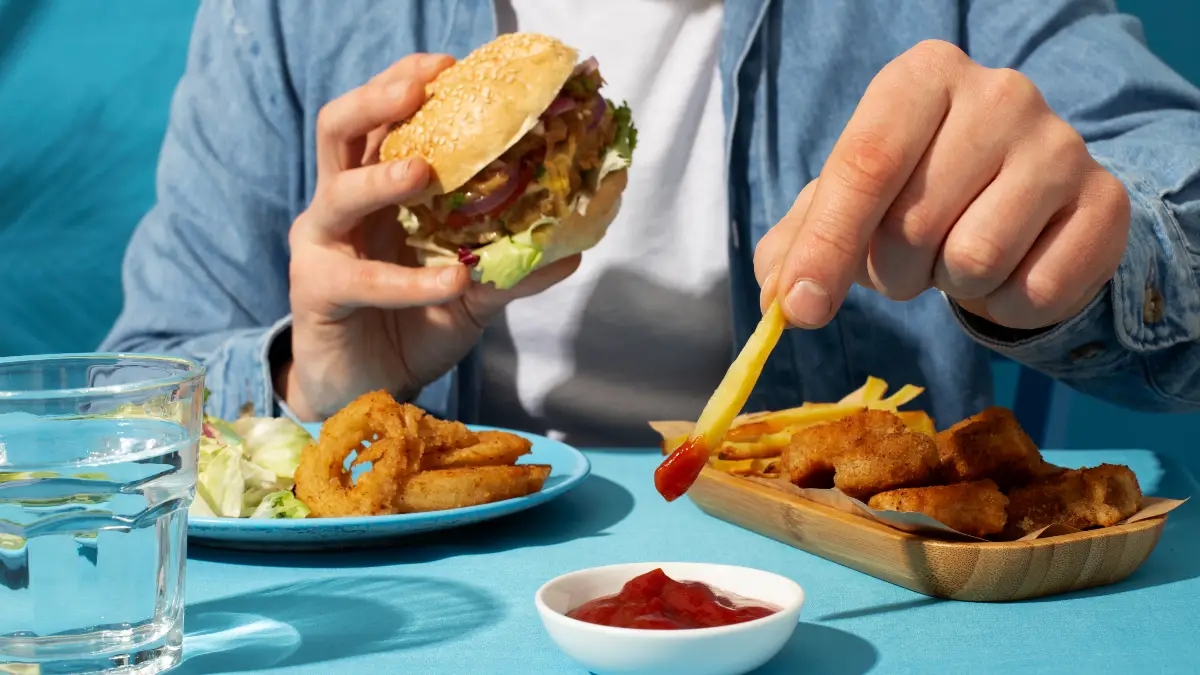
You rush through your meals while working, watching TV, or looking at your phone. You swallow your food without chewing it well and ignore your body’s signals.
Why This Is a Problem
You Swallow Air: When you eat too fast, you swallow a lot of extra air. This air gets trapped in your stomach and is a very common cause of gas and painful bloating.
You Stay in “Fight-or-Flight” Mode: Eating should be a “rest and digest” activity. When you eat while stressed or distracted, your body stays in “fight-or-flight” mode. This shuts down good digestion from the start.
You Miss Your Fullness Cues: It takes time for your gut to tell your brain that you’re full. If you eat too quickly, you can eat a lot more food before that signal arrives. This leads to overeating, which overloads your digestive system and causes bloating.
You Skip the First Step of Digestion: Digestion starts in your mouth. Chewing breaks down food and mixes it with enzymes in your saliva. If you swallow big chunks of food, you put a huge strain on the rest of your digestive system.
What to Do Instead
Create a Calm Eating Space: When it’s time to eat, just eat. Put your phone away and turn off the TV. Sit at a table and focus on your meal.
Chew Your Food Well: Make a real effort to chew every bite until it’s almost liquid. A good trick is to put your fork down between bites to slow yourself down.
Use Your Senses: Pay attention to the colors, smells, and textures of your food. This helps you stay in the moment and naturally improves your digestion.
Check Your Hunger Level: Before you eat, think about how hungry you are on a scale of 1 to 10. Try to stop eating when you feel satisfied, around a 7 or 8, not when you’re completely stuffed.