
You’re staring at that prescription bottle and feeling a little sick. You saw another headline linking a common pill to cancer, and now you’re second-guessing everything. The fear is real.
But the information? It’s a chaotic mess of lawyer ads and half-true reports. You’re left just wondering if your medicine is safe.
This is not another scare-tactic post. This is your 2025 guide to the truth about medications and cancer risk. We’ll cut straight through the noise on 15 common drugs. You’ll get the data and the context you need, moving you from a place of fear to a place of action.
1. Ranitidine (Zantac)
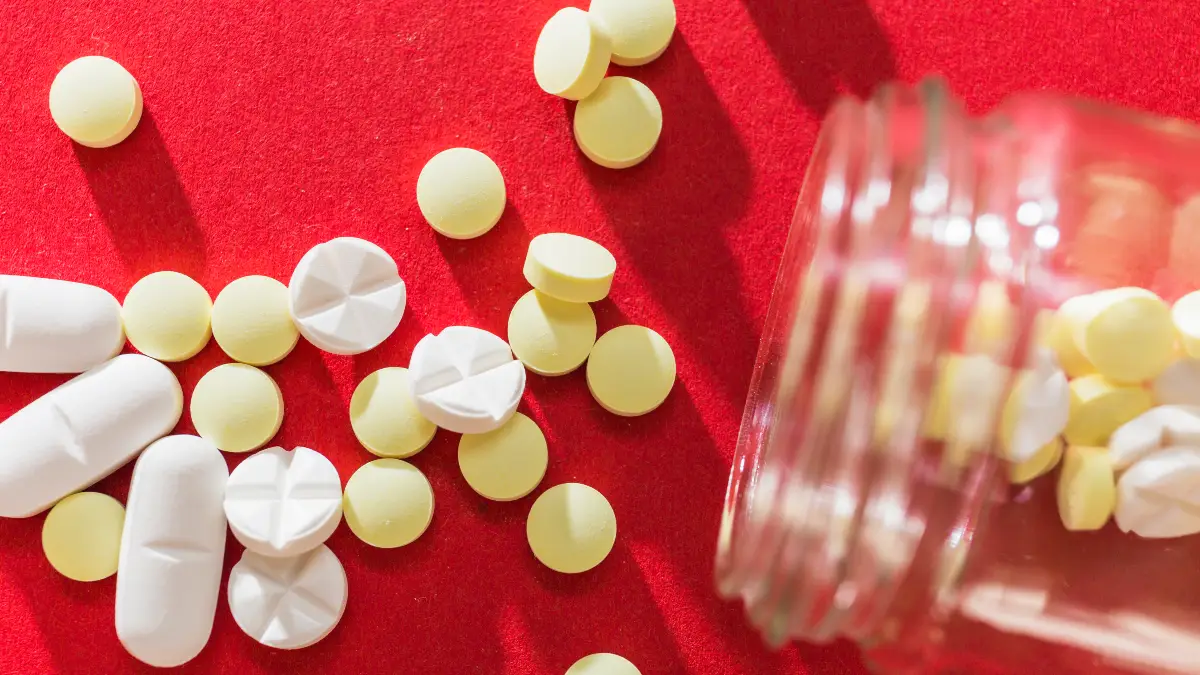
A popular H2-blocker used to treat acid reflux and heartburn.
This wasn’t just a factory mistake. The drug itself, ranitidine, was pulled from the market in 2020. The problem? The molecule was unstable. It could break down over time, especially in warm conditions, and form the carcinogen NDMA.
By late 2025, there are tens of thousands of lawsuits. But lawsuits are not the same as scientific proof. The FDA has not said Zantac definitely causes cancer. They removed it to be safe, noting the risk (if any) is from long-term, high-level exposure.
If you took Zantac, don’t panic. The risk isn’t immediate. But you should tell your doctor about this history. The clear action today is to use alternatives like Famotidine (Pepcid) or Cimetidine. They have a different chemical structure and don’t have this NDMA problem.
2. “Sartan” Blood Pressure Drugs (ARBs)

A class of Angiotensin II Receptor Blockers (ARBs) including Valsartan, Losartan, and Irbesartan.
This was a classic contamination case. Beginning in 2018, specific batches of these ARBs from certain manufacturers were recalled. They were contaminated with N-nitrosamines (NDMA and NDEA). The risk was not the drugs themselves. It was these manufacturing impurities.
This contamination scare is now largely resolved. The data on the ARB drug class itself is reassuring. A massive meta-analysis of 15 clinical trials, with 138,769 people, found no significant increase in the overall or site-specific cancer risk from ARB therapy.
A large Danish cohort study confirmed this. In fact, a 2025 meta-analysis suggested that ARBs (especially Valsartan) may be associated with a reduced risk of lung cancer in Asian populations.
This is a solved problem. The bad batches are gone. Today’s prescriptions are safe. Here’s what’s important: The risk of a stroke or heart attack from stopping your blood pressure medicine is real, immediate, and far greater than the past risk of contamination.
3. Prazosin (Minipress)
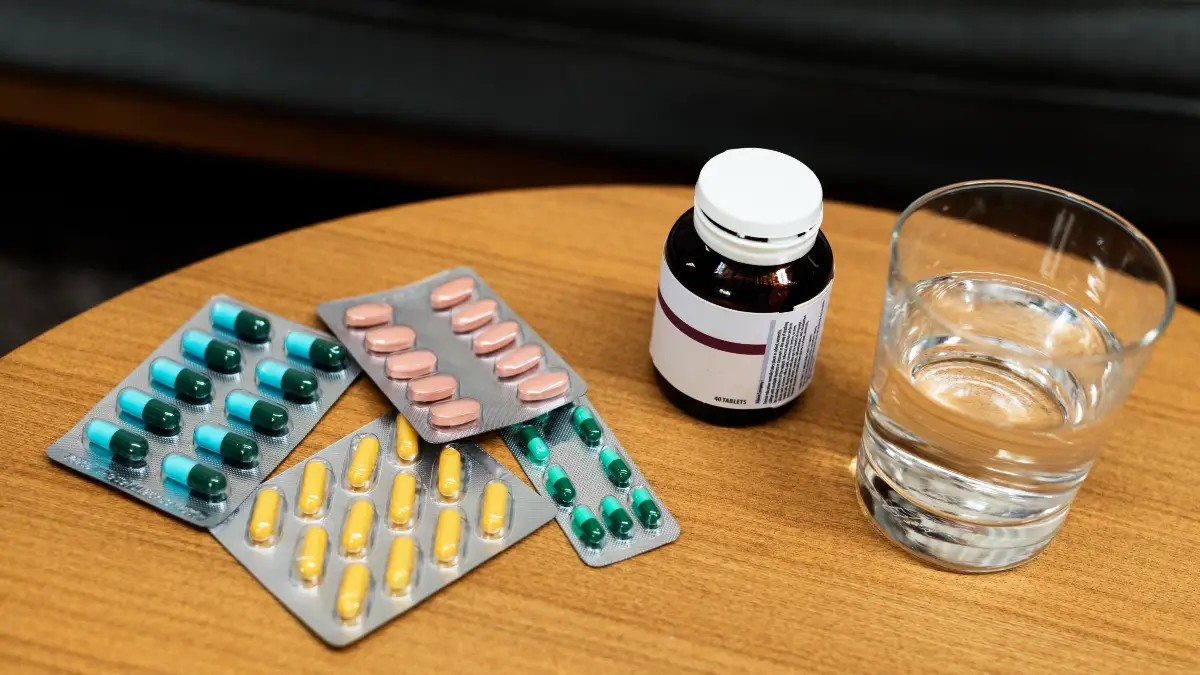
An alpha-blocker used to treat high blood pressure.
This is happening right now. It proves the contamination problem isn’t over. In late 2025, Teva recalled over half a million bottles of Prazosin. Why? They found high levels of N-nitrosamine impurities.
The FDA called this a Class 2 recall. That’s important. It means the pills might cause temporary or reversible health problems, but the chance of serious harm is “remote.”
Listen to the FDA’s advice here: Do not stop taking the medication. Stopping suddenly could be more harmful than the small risk from the impurity.
If you take Prazosin, call your pharmacist today. Check if your prescription’s lot number is on the recall list and get a replacement from a safe batch.
4. Menopausal Hormone Therapy (MHT/HRT)

Estrogen and/or Progestin, used to manage severe menopausal symptoms like hot flashes.
People are scared of MHT because of old studies. The 2025 view is much clearer. The risk is completely different depending on which type of MHT you take.
A large-scale analysis from the National Institutes of Health (NIH), published in June 2025, provides the clearest data yet for women under 55.
- Estrogen + Progestin (EP-HT): This combination is for women with an intact uterus (progestin protects the uterine lining). This therapy is linked to a higher rate of breast cancer. Women using it for more than two years had an 18% higher rate of breast cancer than non-users.
- Estrogen-Only (E-HT): This therapy is for women who have had a hysterectomy (no uterus). The same 2025 study found that E-HT was associated with a 14% reduction in breast cancer incidence.
This is a huge deal. It means for millions of women, one type of MHT actually lowers breast cancer risk. What about other cancers? New 2024-2025 studies show the ovarian cancer risk from MHT is “minimal” based on the last 10 years of data.
MHT is still the main treatment for severe symptoms, 2025 guidelines say. But the approach must be personal. You must talk to your doctor about your history (especially if you have a uterus) to decide which MHT, if any, is right for you.
| 2025 Breast Cancer Risk for MHT (Women < 55) | ||
| Therapy Type | Breast Cancer Risk (vs. Non-Users) | Who It’s For (Uterus Status) |
| Estrogen + Progestin (EP-HT) | 18% Higher Rate (if used >2 years) | Women with an intact uterus |
| Estrogen-Only (E-HT) | 14% Lower Rate | Women without a uterus (post-hysterectomy) |
5. Combined Oral Contraceptives (The Pill)

Combination estrogen and progestin birth control pills.
This pill is the best example of a “risk-shifter.” It doesn’t cause more cancer overall. It actually lowers your risk for some cancers in a big way, while slightly raising it for one other.
The Data (The Trade-Off):
- Protection (The Main Story): The good news is huge. Long-term use is linked to a 30% to 50% lower risk of ovarian cancer. It also significantly reduces endometrial cancer.
- Risk: Long-term use (5 or more years) is linked to a higher risk of cervical cancer.
- No Link: A 2024 systematic review found no association between oral contraceptive use and liver cancer.
The one risk that goes up (cervical cancer) is very easy to manage. Why? Because cervical cancer is linked to HPV, and regular Pap tests are great at catching it early. The protection you get against ovarian cancer, which has no good screening, is a very big deal. If you’re on the pill, just be sure to get your regular cervical screenings.
6. Tamoxifen
A Selective Estrogen Receptor Modulator (SERM) used to treat and prevent breast cancer in high-risk individuals.
This is a classic medical trade-off. Tamoxifen saves lives. It works by blocking estrogen in the breast. But, it acts like estrogen in the uterus. This can make the uterine lining grow.
This is known to raise the risk of uterine cancer. This is not a secret. It’s the main side effect your oncologist talks about. The benefit of treating a deadly breast cancer is considered much greater than the smaller, manageable risk of a (usually more treatable) uterine cancer.
This is an expected side effect that doctors watch for. If you take Tamoxifen, you will be monitored closely. You must report any unusual vaginal bleeding to your doctor right away.
7. Immunosuppressants (for Transplant & Autoimmune)

Life-saving medications for organ transplant recipients, such as Tacrolimus (TAC), Cyclosporin (CY), and Mycophenolate (MMF).
These drugs are designed to stop the immune system from attacking a new organ. As a direct, known consequence, the immune system is also less able to “perform tumor immunity.”
Old news: “Transplant drugs raise cancer risk.” New 2025 data: Not all these drugs carry the same risk. This is a critical, actionable difference.
- A 2025 population-based study analyzed drug-specific risks post-transplant and found:
- Tacrolimus (TAC) and Cyclosporin (CY) were both associated with an increased risk of any cancer (Hazard Ratio ~1.5).
- Mycophenolate (MMF) was associated with a decreased risk of any cancer (Hazard Ratio 0.77).
- The study also found specific risks: Tacrolimus (TAC) was linked to a 5.25-fold increased risk of liver cancer, while Cyclosporin was linked to a 5.06-fold increased risk of lung cancer.
You must take these drugs to live. They are not optional. But the 2025 data shows the mix of drugs matters. Using MMF, for example, might help lower the cancer risk. This gives you a reason to have a high-level talk with your transplant team about your long-term cancer screening plan.
| 2025 Cancer Risk for Post-Transplant Immunosuppressants | ||
| Drug | Overall Cancer Risk (Hazard Ratio) | Specific Cancers of Note |
| Tacrolimus (TAC) | Increased (HR 1.49) | High risk of Liver Cancer (HR 5.25) |
| Cyclosporin (CY) | Increased (HR 1.51) | Increased risk of Lung Cancer (HR 5.06) |
| Mycophenolate (MMF) | Decreased (HR 0.77) | Associated with lower overall cancer risk |
8. TNF-alpha Inhibitors (for Autoimmune Disease)

Biologics like Adalimumab (Humira) and Etanercept (Enbrel), used for rheumatoid arthritis (RA) and Crohn’s disease.
For years, a “black box” warning on these drugs created significant fear of a “risk of lymphoma.”
This is a good news story. Newer, better data has proven this myth wrong.
- A large, patient-level meta-analysis published in 2025 (the highest standard of evidence) concluded there was “no statistically significant increased risk of malignancy”.
- A 2024 systematic review and meta-analysis specifically investigating the lymphoma question also found “no significant difference in the risk of lymphoma” for RA patients on anti-TNF agents versus those on conventional therapies.
The science has changed. Doctors now widely believe the autoimmune disease itself (the constant inflammation) raises the lymphoma risk, not the drugs used to treat it. The 2025 evidence is very reassuring.
9. Proton Pump Inhibitors (PPIs)
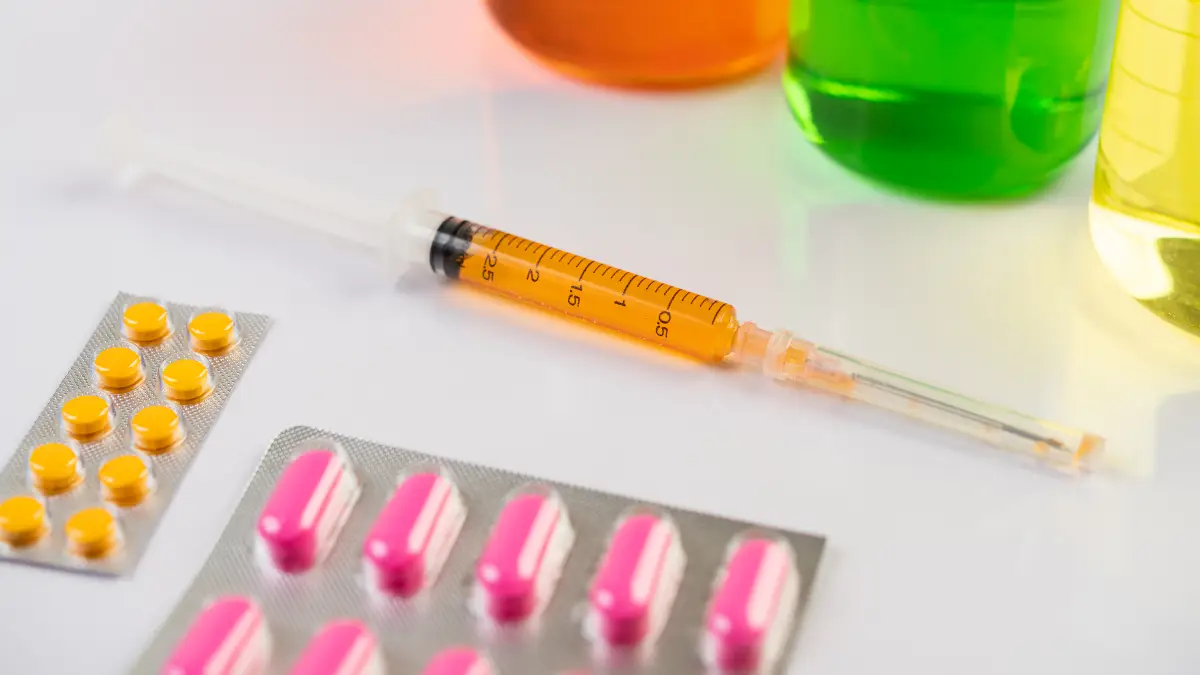
Extremely common over-the-counter and prescription drugs for acid reflux, such as Omeprazole (Prilosec) and Esomepratole (Nexium).
This is one of the most hotly debated links in pharmacology. The data looks very concerning.
A 2025 systematic review found that 20 out of 21 meta-analyses showed a “consistently associated” link between PPI use and an increased risk of gastric (stomach) cancer.
Another meta-analysis found PPI use was associated with a 75% increased incidence of gastric cancer (Relative Risk = 1.75). The risk appears to increase with the duration of use.
The Nuance (The Big Question): This is the classic science puzzle. Does the drug cause cancer? Or do people who need the drug long-term (those with severe reflux) already have the problems that lead to cancer, like an H. pylori infection or chronic atrophic gastritis?
The evidence isn’t clear. However, a 2025 review noted with concern that gastric cancer risk has increased in young men in the years after PPIs became widespread.
The risk, if it’s real, is tied to long-term use. You should not take these drugs “like candy” for years. This is a prime candidate for “deprescribing”—a medical review to see if a drug is still necessary. Patients on long-term PPIs should ask their doctor: “Do I still need this? Can I step down to a less potent alternative like Famotidine?”
10. Pioglitazone (Actos)
A medication used to treat Type 2 Diabetes.
This drug has been debated for a decade over a potential link to bladder cancer. The science is directly contradictory. This is why people are confused.
The Data (The Conflict):
- The Risk: The FDA has issued warnings that pioglitazone may be linked to an increased risk of bladder cancer. A large study published in the BMJ found a 63% increased risk of incident bladder cancer in pioglitazone users.
- The Rebuttal: The evidence is “inconclusive.” A 2024 systematic review analyzed six recent studies and found that the majority (four of the six) reported no statistically significant association.
When studies disagree, follow the FDA’s guidance. It’s the most important action. The FDA recommends that healthcare professionals should “Not use pioglitazone in patients with active bladder cancer” and “Use…with caution in patients with a prior history”.
For patients without a history of bladder cancer, the proven benefit of blood sugar control is weighed against this small, debated risk.
11. GLP-1 Agonists (Weight Loss Drugs)
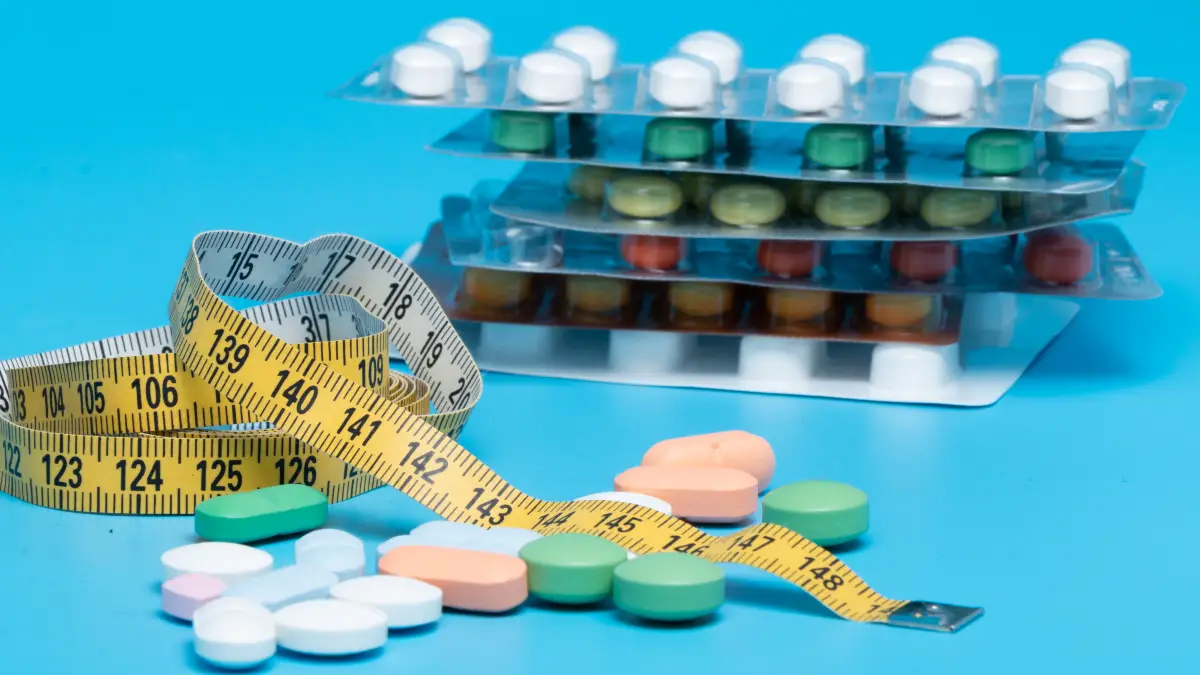
Semaglutide (Ozempic, Wegovy) and Liraglutide (Victoza).
These drugs are everywhere. The cancer scare didn’t come from human data. It came from early studies on rodents that showed a risk of thyroid C-cell tumors.
The human data, as of 2025, does not support this risk. A large 2024 systematic review and network meta-analysis of antidiabetic drugs (including GLP-1 agonists) found they did not increase the overall risk of cancer.
The Real Story (Benefit > Risk): People are arguing about a theoretical risk. And it’s hiding the proven benefit.
- Obesity is a known, causal, and major risk factor for at least 13 types of cancer, including breast, colorectal, endometrial, and pancreatic cancer.
- These GLP-1 drugs produce significant, sustained weight loss.
- Significant weight loss (such as that from bariatric surgery) is proven to reduce cancer-related mortality.So, the benefit of losing a lot of weight (which is a powerful way to prevent cancer) is almost certainly much bigger than any small, unproven risk. These drugs are likely a big win for cancer prevention.
12. Statins
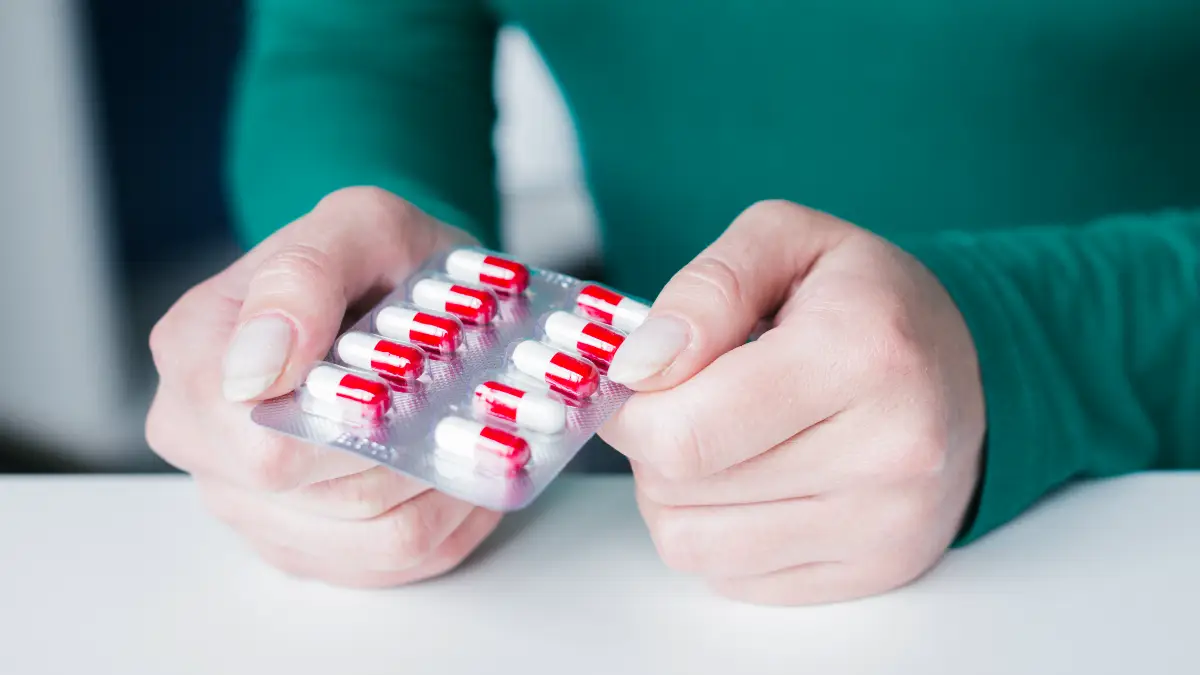
Cholesterol-lowering drugs like Atorvastatin (Lipitor) and Rosuvastatin (Crestor).
Far from causing cancer, statins are strongly linked to reducing it.
A 2025 meta-analysis found that statin use was associated with a 23% lower risk of developing colorectal cancer (Hazard Ratio 0.77). Other meta-analyses confirm a 16% reduction in rectal cancer risk and show that statins can even improve survival for patients already diagnosed with advanced cancer.
13. Metformin
The most common first-line medication for Type 2 Diabetes.
Metformin is one of the most-studied and most promising chemopreventive drugs.
A 2025 systematic review concluded that metformin intake is linked to a significantly decreased risk of breast cancer (Relative Risk 0.63, or a 37% reduction). Other large studies show it is associated with a lower incidence of colorectal, prostate, and pancreatic cancer as well.
14. Aspirin / NSAIDs
A daily low-dose aspirin or other non-steroidal anti-inflammatory drugs.
This is one of the most well-established chemopreventive links.
A large meta-analysis showed that five years of regular aspirin or NSAID use was associated with a 40% reduction in the relative risk of colorectal cancer.
These drugs work by inhibiting the COX-2 enzyme, a mechanism known to slow or stop the growth of pre-cancerous polyps. (Note: Patients should always consult a doctor before starting aspirin due to bleeding risks.)
15. Certain Blood Pressure Meds (ACE Inhibitors & ARBs)
Agents acting on the renin-angiotensin system, including “pril” drugs (ACEs) and “sartan” drugs (ARBs).
This finding provides a powerful conclusion to the contamination-risk story. The very class of drugs (ARBs) that caused the 2018 contamination scare is, itself, protective.
A large-scale 2025 study provided “robust evidence” that the use of these drugs is causally linked to a reduced risk of prostate cancer (Odds Ratio 0.94). This reinforces other findings that the drug class may also be protective against lung cancer.