

That frustrating search for your keys or a forgotten name isn’t just a minor annoyance. It’s a real worry for many of us—a nagging feeling that mental sharpness is slipping away.
This concern about brain fog and memory lapses often leaves people feeling powerless against the effects of aging. But science now shows you have more control than you think. A groundbreaking 2023 study revealed that eating certain foods could give your brain a biological profile nearly 19 years younger.
This isn’t about a single magic pill; it’s about a proven nutritional strategy called the MIND diet, designed by neuroscientists to fight cognitive decline. This guide breaks down the 15 essential foods from that plan, showing you exactly what to add to your plate to build a more resilient, sharper mind.
1. Leafy Greens
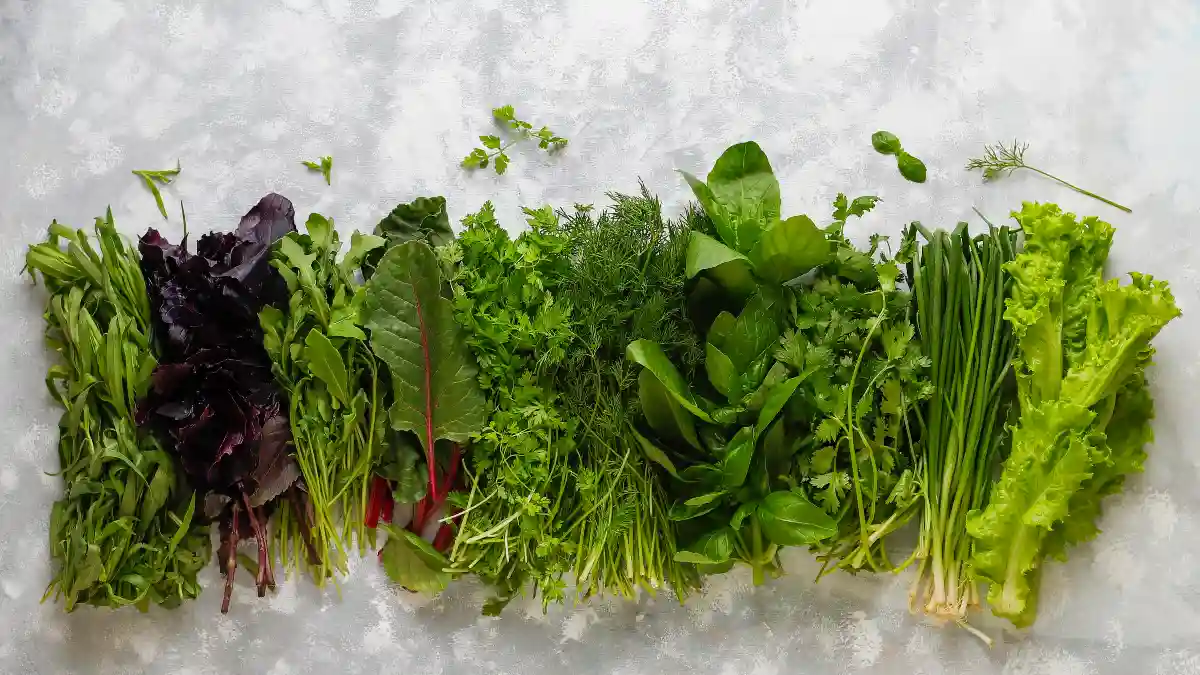
The headline-making promise of a younger brain starts here. A 2023 study found that people who ate seven or more servings of leafy greens a week had levels of amyloid plaque in their brains that matched people almost 19 years younger.
Another study from Rush University showed that eating just one serving of greens per day was linked to the cognitive functioning of someone 11 years younger.
How does it work? These greens are full of a powerful trio of nutrients. Vitamin K helps build the structure of brain cells.
Folate, a B vitamin, helps your brain make chemical messengers and keeps certain harmful amino acids in check. And Lutein, an antioxidant, settles in your brain to protect it from damage.
Actionable Tip: Aim for at least one serving (one cup raw, half a cup cooked) of greens like spinach, kale, or arugula daily. A simple way to start is by adding a handful of spinach to your morning smoothie or omelet.
2. Berries
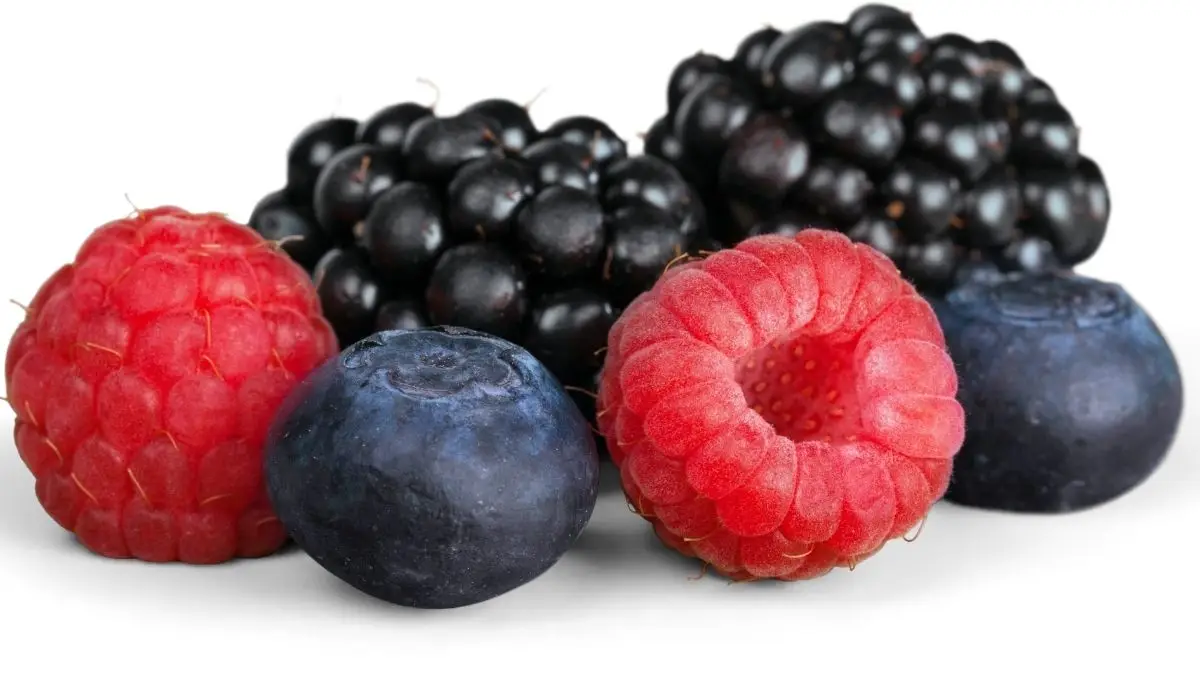
The beautiful colors of blueberries, strawberries, and blackberries come from compounds called flavonoids, especially a type called anthocyanins. These special compounds can cross the blood-brain barrier, which means they can get right into your brain tissue to do their work.
Think of flavonoids as your brain’s personal bodyguards. They neutralize harmful molecules called free radicals that cause damage over time—a process like rust on metal.
They also calm inflammation in the brain and help with the cell signaling that supports learning and memory. Human studies show that eating berries regularly can improve memory and increase blood flow to important parts of the brain.
A recent analysis of multiple studies confirms that berries lead to real improvements in cognitive performance.
Actionable Tip: The MIND diet suggests at least two servings of berries per week. Enjoy a handful of fresh blueberries as a snack, or add frozen mixed berries to your yogurt or oatmeal for an easy, year-round brain boost.
3. Fatty Fish

Your brain is made of nearly 60% fat, so it needs healthy fats to thrive. A huge part of that fat is an omega-3 called docosahexaenoic acid (DHA). Think of DHA as the essential building block for your brain’s cells.
Omega-3s, including DHA and eicosapentaenoic acid (EPA), become part of your brain cell membranes. They keep the membranes fluid and strong, which is key for fast and clear communication between cells.
Your body also turns these fats into powerful anti-inflammatory compounds that protect the brain. A large amount of research links eating more omega-3s from fish like salmon, mackerel, and sardines to better memory, improved learning, and a lower risk of depression and dementia.
Actionable Tip: Aim for at least one serving of fatty fish per week, as the MIND diet recommends. A simple baked salmon with lemon and herbs makes a perfect brain-healthy dinner.
4. Walnuts
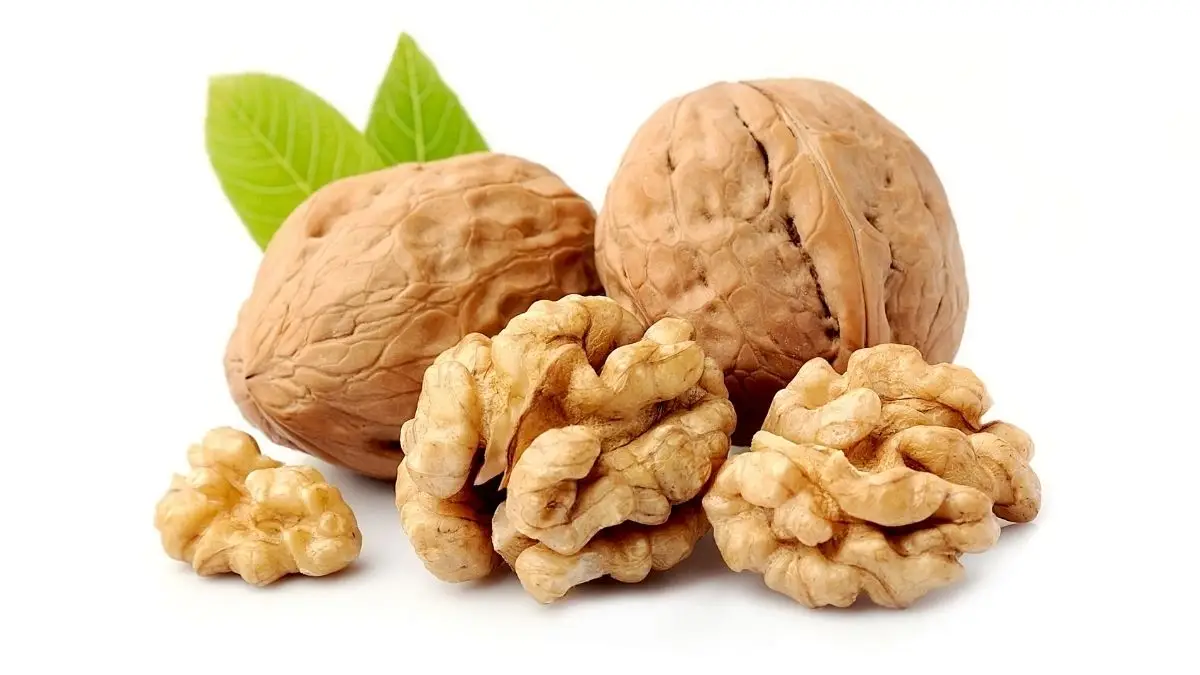
While many nuts are good for you, walnuts are special. They have a very high amount of a plant-based omega-3 fatty acid called alpha-linolenic acid (ALA), which your body can convert to EPA and DHA.
A study from the University of Reading found something interesting: young adults who ate walnuts with their breakfast had faster reaction times and better memory performance during the day compared to those who didn’t.
The power of walnuts comes from the combination of ALA, strong antioxidants, and other plant compounds called polyphenols. Together, they work to reduce inflammation and cell damage in the brain, two of the main things that cause age-related cognitive problems.
Actionable Tip: Add a daily handful of walnuts (about 1.5 ounces, or 7-11 whole walnuts) to your morning routine. Mix them into oatmeal or yogurt, or just eat them raw to give your brain a powerful start to the day.
5. Dark Chocolate & Cocoa
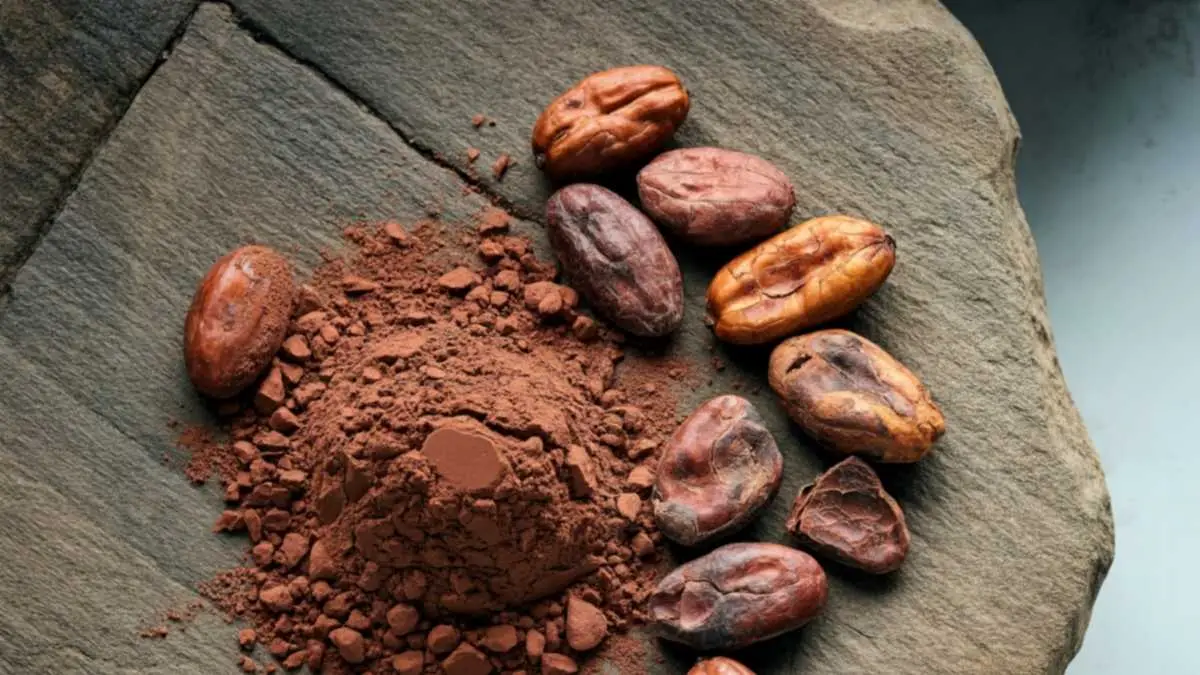
The brain benefits of chocolate come from cocoa flavanols, which are found in dark chocolate with a high cocoa content (70% or more) and unsweetened cocoa powder. This isn’t an excuse to eat sugary milk chocolate.
Here’s how it works: cocoa flavanols help your body produce nitric oxide, a molecule that relaxes and widens your blood vessels. This increases blood flow to the brain, delivering more oxygen and nutrients to key areas like the hippocampus, which is vital for memory.
Flavanols also help calm the brain’s immune cells and encourage the production of Brain-Derived Neurotrophic Factor (BDNF). BDNF acts like fertilizer for your brain cells, helping them grow and survive.
Actionable Tip: Enjoy a small portion of 1 to 1.5 ounces of high-quality dark chocolate (70% or higher) each day. For a sugar-free option, add a tablespoon of unsweetened cocoa powder to your coffee, smoothie, or yogurt.
6. Turmeric

The power of turmeric comes from its active compound, curcumin. One of its key features is that it can cross the blood-brain barrier, which means it can work directly inside your brain.
Curcumin is a strong anti-inflammatory and antioxidant. It helps reduce the kind of chronic, low-level inflammation in the brain that is linked to neurodegenerative diseases.
Curcumin also helps increase levels of BDNF, the same brain-growth protein found in dark chocolate. Higher levels of BDNF are connected to better memory and a lower risk of cognitive decline.
Actionable Tip: Add this golden spice to your daily diet by putting it in scrambled eggs, soups, or roasted vegetables. To get the most benefit, always pair turmeric with a pinch of black pepper. Pepper contains a compound called piperine that can increase your body’s absorption of curcumin by up to 2,000%.
7. Broccoli
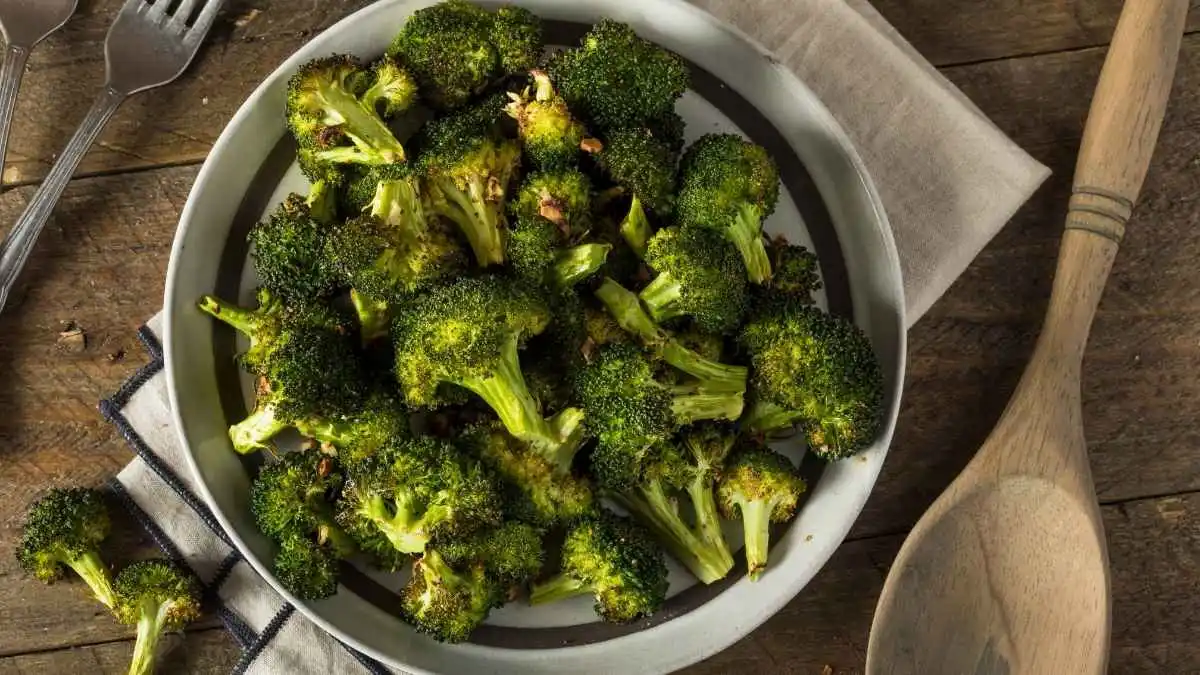
Broccoli and other cruciferous vegetables like cauliflower contain a powerful compound called sulforaphane. This compound is known for turning on the body’s natural detoxification and antioxidant defenses.
Sulforaphane helps protect the brain in several ways. It reduces inflammation, makes the “power plants” in your cells (mitochondria) healthier, and defends brain cells from the kind of damage seen in strokes and neurodegenerative diseases.
Human studies have even shown that eating sulforaphane can lead to real improvements in cognitive processing speed and memory in older adults.
Actionable Tip: To keep the sulforaphane, lightly steam or roast broccoli instead of boiling it. A simple and tasty way to prepare it is to roast florets with olive oil, garlic, and a sprinkle of Parmesan cheese.
8. Eggs

Eggs are one of the best food sources of choline, an essential nutrient for your brain. Your body uses choline to make acetylcholine, a chemical messenger that is critical for memory, learning, and mood. Think of it as the raw material for your memory’s communication system.
The egg yolk also contains the antioxidants lutein and zeaxanthin, which gather in the brain and help protect it from inflammation and damage. Many people used to think they should avoid the yolk, but that’s where most of these brain-boosting nutrients are, along with nearly half of the protein.
Actionable Tip: Eat the whole egg! For most healthy people, one egg a day is a safe and effective way to support brain health. Try a simple avocado and egg on whole-grain toast for a powerhouse breakfast.
9. Avocados
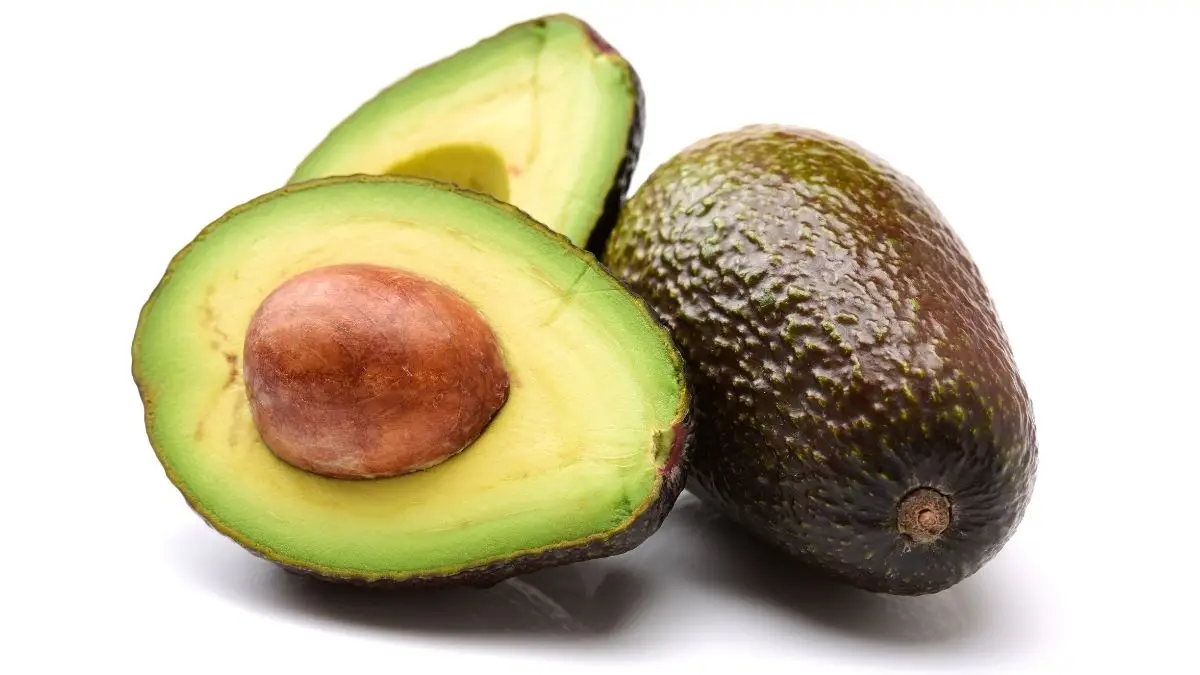
Avocados are full of monounsaturated fats. These healthy fats help promote good blood flow throughout your body, including to your brain. A healthy blood supply is needed to deliver the oxygen and nutrients your brain cells need to work their best.
There’s another benefit, too. The healthy fats in avocados support heart health, which can help lower high blood pressure.
Since high blood pressure is a risk factor for cognitive decline, keeping it in check is great for your brain. Avocados also contain Vitamin K and folate, which help prevent blood clots in the brain and support overall cognitive function.
Actionable Tip: Avocados are easy to add to your diet. Add half an avocado to your daily salad, blend it into a smoothie for extra creaminess, or use it as a healthy substitute for mayonnaise on a sandwich.
10. Beans & Legumes
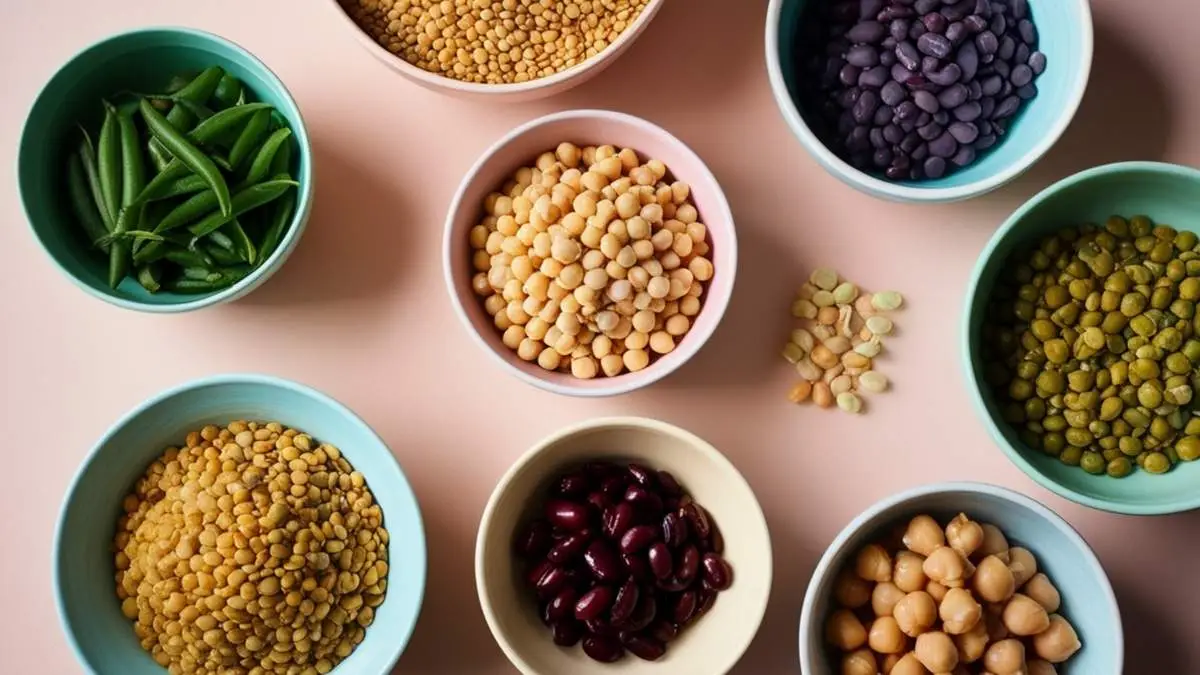
Beans, chickpeas, and lentils are great for your brain because of how they manage your blood sugar. They are packed with fiber, which means they release glucose—the brain’s main fuel—slowly and steadily.
This prevents the energy spikes and crashes you get from sugary foods and refined carbs, helping you stay focused for longer.
Beans are also rich in folate and other B vitamins. Research suggests these nutrients are important for brain health and may help slow down age-related brain shrinkage. They also play a role in the gut-brain connection.
The fiber in beans feeds the good bacteria in your gut, and a healthy gut is linked to lower inflammation throughout your body, including your brain.
Actionable Tip: The MIND diet recommends at least four meals with beans per week. This is easy to do: add a can of rinsed chickpeas to a salad, make a hearty lentil soup, or blend cannellini beans to make a creamy dip like hummus.
11. Oranges & Citrus Fruits
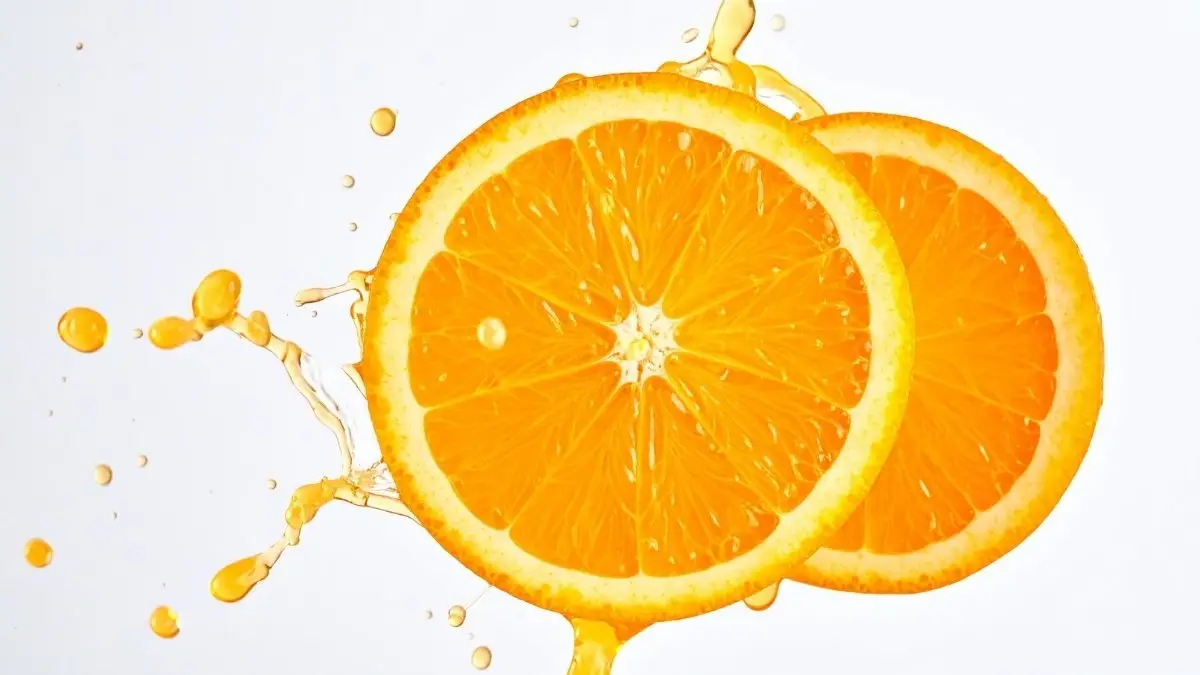
Your brain uses a lot of energy, which creates a lot of free radicals that can damage cells. Vitamin C, found in oranges and other citrus fruits, is a powerful antioxidant that neutralizes these harmful molecules and protects your brain cells from damage.
Citrus fruits also contain flavonoids, especially one called hesperidin. Like the flavonoids in berries, hesperidin can cross the blood-brain barrier. It may help improve blood flow to the brain and reduce inflammation.
Studies have linked eating more citrus fruits to better performance on cognitive tests and a lower risk of memory loss over time.
Actionable Tip: For the full brain benefits, eat the whole orange instead of just drinking the juice. This way, you get the fiber, which helps control your blood sugar. Add orange slices to salads or yogurt, or just enjoy one as a simple snack.
12. Pumpkin Seeds
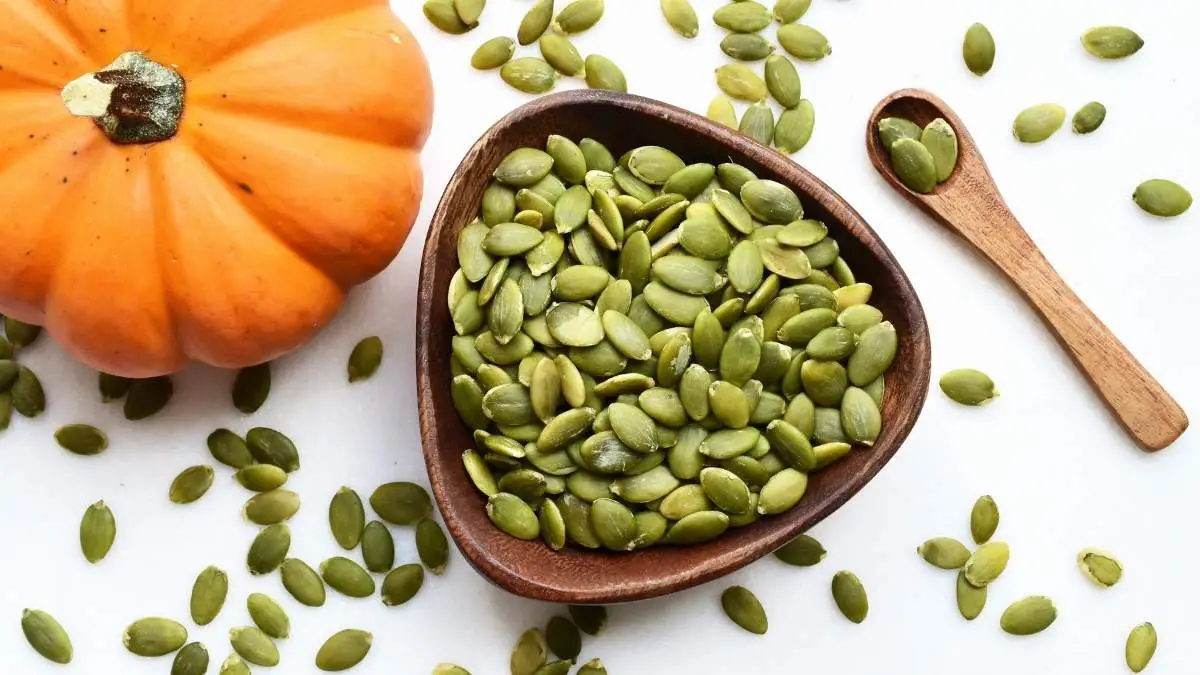
Pumpkin seeds are a small but mighty source of several minerals that are very important for your brain. Zinc is found in high amounts in the brain’s memory center and is needed for nerve signaling.
Magnesium is essential for learning and memory, and it helps prevent nerve cells from becoming over-excited. Iron is needed to make chemical messengers in the brain and to carry oxygen, which helps with attention and focus.
On top of these minerals, pumpkin seeds also provide antioxidants and healthy fats, including some omega-3s, which add to their brain-protecting power.
Actionable Tip: A small handful of pumpkin seeds makes a great snack. You can also sprinkle them on top of salads, soups, or oatmeal. You can even blend them into pesto instead of pine nuts for a nutrient-packed twist.
13. Green Tea

Green tea offers a unique combination of two compounds: caffeine and L-theanine. While the caffeine gives you a gentle lift, the L-theanine provides a calming effect that balances it out.
L-theanine is an amino acid that can cross the blood-brain barrier. It increases the activity of GABA, a chemical messenger that helps calm the brain. It also boosts alpha brain waves, which are linked to a state of “wakeful relaxation” or calm focus, without making you sleepy.
This is why green tea can help you focus without the jitters you might get from coffee. Green tea is also full of antioxidants called catechins, which protect brain cells from damage.
Actionable Tip: Think about swapping your second cup of coffee for a cup of green tea to keep your focus in the afternoon. For an extra benefit, try preparing it mindfully: focus on the warmth of the cup and the smell of the tea to center your attention before a task.
14. Coffee

The main reason coffee helps you feel alert is caffeine. It works by blocking adenosine receptors in your brain.
Adenosine is a chemical that makes you feel sleepy. By blocking it, caffeine stops you from feeling drowsy and allows your brain’s neurons to fire more, which leads to better alertness and concentration.
But it’s not just about alertness. Coffee is also high in antioxidants, and research has linked regular, moderate coffee drinking to a lower risk of neurodegenerative diseases like Parkinson’s and Alzheimer’s. Just be careful not to load your coffee with sugar and high-fat creams, as this can cancel out the health benefits and lead to an energy crash.
Actionable Tip: To get the most out of your morning coffee, try making a “brain-boosting” brew. Add a pinch of cinnamon to help steady your blood sugar and a dash of unsweetened cocoa powder for a dose of brain-healthy flavanols.
15. Almonds
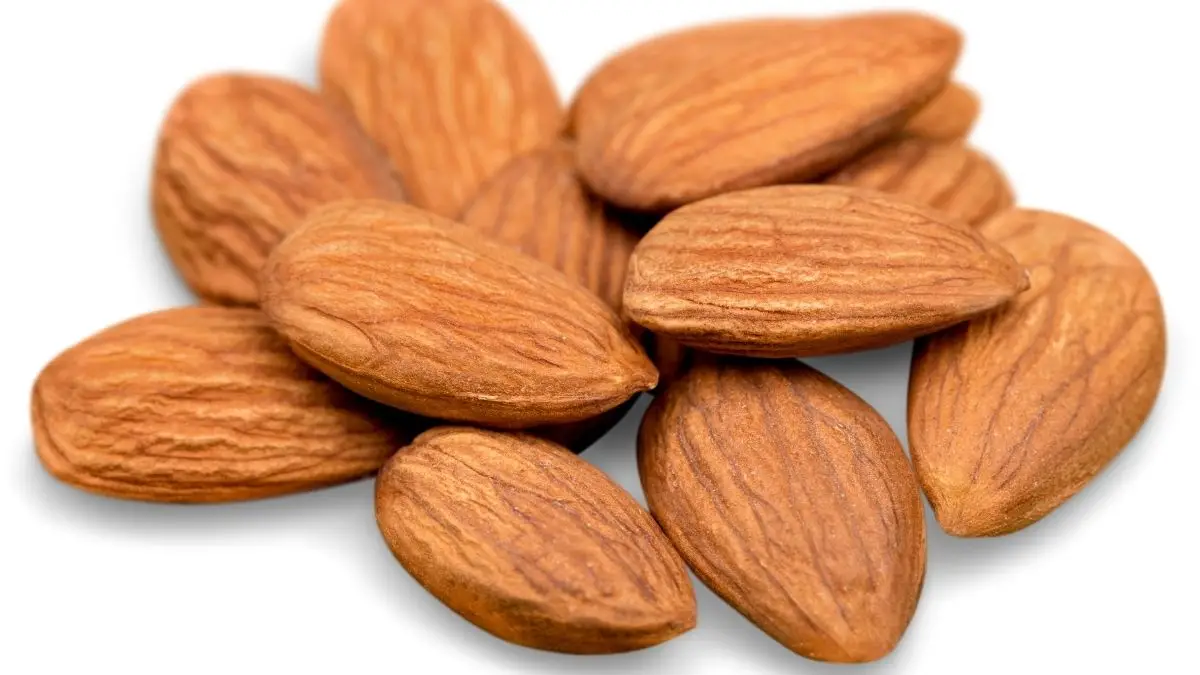
Almonds are one of the best food sources of Vitamin E, a fat-soluble antioxidant that plays a big role in protecting your brain.
Here’s how it works: Vitamin E becomes part of the fatty membranes of your brain cells. There, it acts as a first line of defense against damage from free radicals. This protection is key for keeping your neurons strong and functional.
A higher intake of Vitamin E is linked to slower cognitive decline. Almonds also provide a mix of healthy monounsaturated fats, fiber, and protein, which helps keep your blood sugar stable and gives your brain sustained energy. Their magnesium content also supports nerve function.
Actionable Tip: A small handful of raw, unsalted almonds makes an excellent brain-healthy snack. For a powerful combination that steadies blood sugar and supports cognitive health, pair a handful of almonds with a hard-boiled egg.