

That familiar morning stiffness isn’t just a sign of getting older; it’s a signal your body is sending. The creaky knees on the stairs and the nagging hip pain after a walk are not your new normal.
For too long, we’ve accepted joint pain as an unavoidable part of life after 50—a simple case of “wear and tear.” This belief is the biggest barrier to feeling better. The truth is, you have more control than you think. This isn’t about accepting limitations; it’s about understanding what’s actually causing the pain.
This guide exposes 13 hidden triggers that are making your joints hurt and gives you simple, actionable ways to fight back. It’s time to stop just coping with the pain and start reclaiming your comfort and mobility.
1. Carrying Extra Weight

Extra body weight is a big problem for your joints. It attacks them in two ways.
First, it’s a matter of pressure. Your hips and knees are built to hold up your body. For every extra pound you carry, your knees feel three to six pounds of extra force when you walk or climb stairs. This means losing just 10 pounds can take up to 40 pounds of pressure off your knees with every step. That’s a huge relief.
But it’s not just about pressure. Fat tissue also releases chemicals into your body that cause inflammation. This can damage cartilage in all your joints, even your hands. This is why being overweight is a risk for different kinds of arthritis.
This mix of pressure and inflammation creates a tough cycle. Your joints hurt, so you don’t want to move. Your brain starts to connect movement with pain, so you become afraid to be active.
This makes your muscles weaker and can make you gain more weight. Now your joints have to support a heavier body with weaker muscles, which makes the pain even worse. To break this cycle, you have to start small. You don’t need a drastic diet. Just swap one sugary drink for water today. Or park a little farther from the store to get a few more steps in.
2. A Sedentary Lifestyle

When a joint hurts, your first thought is probably to rest it. But when the pain is there day after day, not moving enough can make things worse. Experts have a saying: “motion is lotion.”
Movement helps your joints make their own natural lubricant. When you sit still for too long, this fluid gets thick, and your joints feel stiff and sore. It’s a balance. Too little movement is bad, but too much can also cause pain.
Sitting still also makes you lose muscle faster as you get older. The muscles around your joints, like your thigh muscles for your knees, act like shock absorbers. When they get weak, your cartilage and bones have to take the full impact of every step. This is a big reason why not moving makes joint pain worse.
This makes your whole body more fragile. Your muscles get weaker, and the tissues that hold your joints together get tighter. A simple wrong step that a healthy body could handle can now cause a serious injury.
Moving more isn’t just about feeling less stiff. It’s about protecting your body from future injuries. You can fight this by setting a timer to stand up and stretch every hour. Or, add low-impact exercises like walking, swimming, or biking to your week.
3. Poor Posture
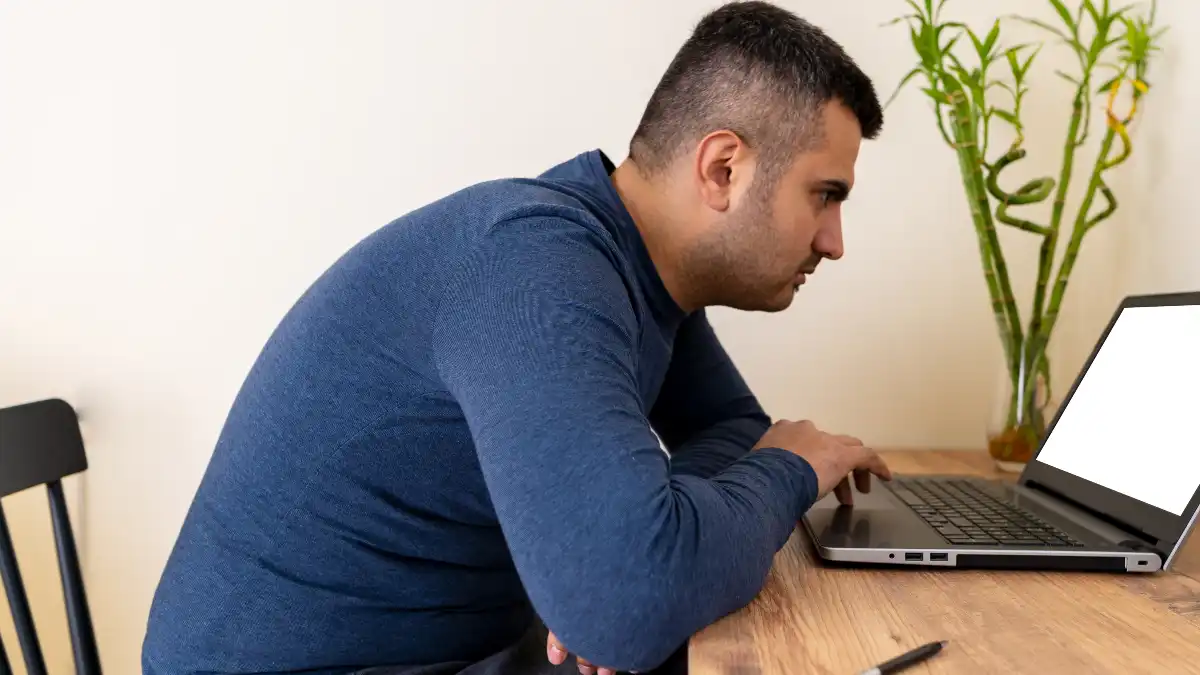
Your body is built to be balanced. When you stand or sit up straight, gravity is spread evenly across your muscles and joints. No single area gets too much stress. Poor posture throws this balance off. It forces some joints and muscles to carry a heavy load all day long, which can wear them out.
Think about slouching at a desk or looking down at your phone—that’s “tech neck.” Both put a lot of strain on your neck and back. Standing with your knees locked or always leaning on one leg does the same thing to your hips and knees.
Over time, your brain starts to think your bad posture is normal. This happens because it makes the wrong muscles do all the work. They get tired and sore, while the right muscles get weak from not being used.
This creates a cycle where it feels “normal” to slouch, but that slouching is what’s causing the pain and weakness.
Fixing this takes work. Try a “posture audit” right now. If you’re sitting, are your feet flat on the floor? Is your lower back supported? Is your computer screen at eye level? When you stand, pull your shoulders back and down a bit.
If you’ve been hunched over, take a second to stand up and stretch backward. It can help undo the strain.
4. Wearing Improper Footwear
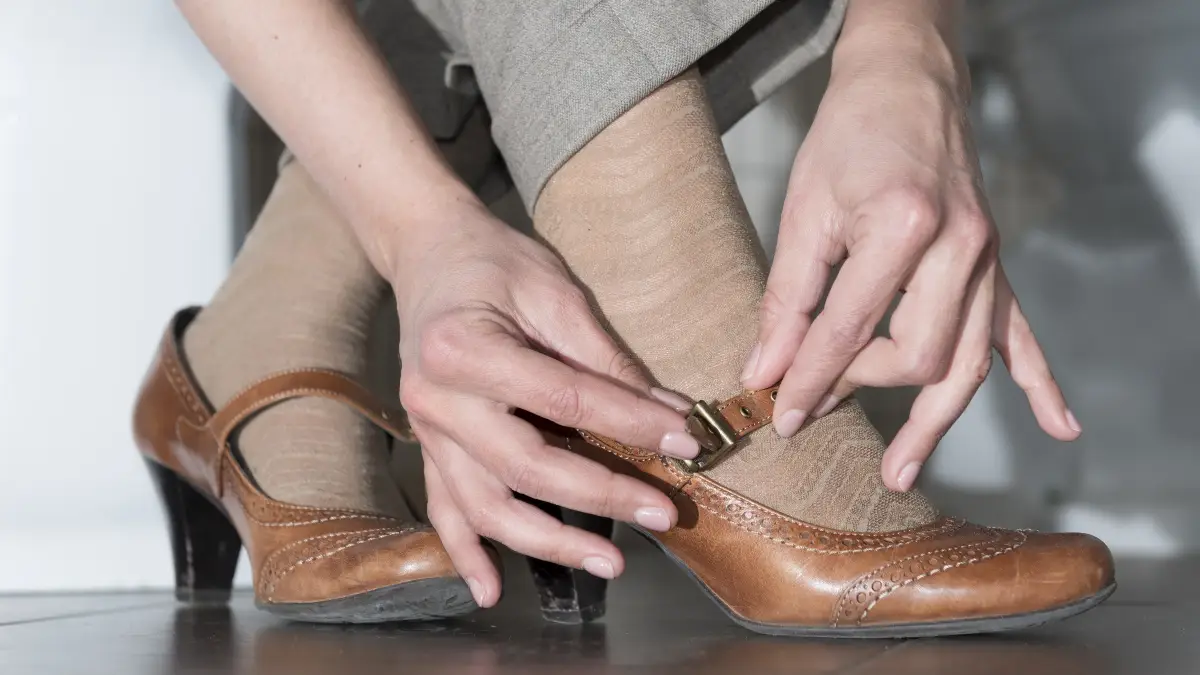
Your feet are your body’s foundation. The shoes you wear are what connect that foundation to the ground. Bad shoes can cause problems all the way up your body, from your ankles to your knees, hips, and back. The damage happens slowly, so you might not even realize your shoes are the real problem.
Different shoes cause different issues. High heels push your body forward, putting extra pressure on your knees and lower back. Flats might seem comfy, but many have zero arch support.
This makes the muscles in your feet work too hard. Even your favorite sneakers can become a problem when the cushion wears out. They stop giving you a stable base, which changes how you walk. This forces other joints to pick up the slack, leading to pain far from your feet.
You might get back pain and blame your office chair, but the real cause could be the worn-out shoes you wear every day. Take a look at your most-used shoes. Put them on a table.
Do they lean to one side? Is the bottom worn down unevenly? If so, they are no longer supporting you. It’s time to replace them with a pair that has good arch support, cushion, and a firm heel.
5. Eating an Inflammatory Diet

Some inflammation is good for healing, but constant, low-level inflammation is bad for your joints. Many foods common in Western diets can make this inflammation worse. The main ones to watch out for are:
Processed Sugars: Sugary drinks and snacks can directly trigger the release of chemicals that cause inflammation.
Saturated and Trans Fats: These are found in foods like red meat, pizza, and fried foods. They can also kickstart inflammation.
Refined Carbs: Things like white bread and crackers turn into sugar quickly in your body and can feed bad bacteria in your gut.
Too Many Omega-6 Fats: Your body needs a balance of fats. Many vegetable oils (like corn and sunflower oil) are high in omega-6s, and too much can lead to inflammation.
This kind of diet attacks your joints and leaves them defenseless. It gives your body things that cause inflammation while not giving it the nutrients that fight inflammation, like omega-3s in fish or antioxidants in fruits and vegetables. This can wear down your cartilage and make pain feel worse.
Changing your diet can feel like a big job, so start with small swaps. You can also keep a food diary for a week to see if certain foods make you feel worse. Here are some simple swaps to get you started:
- Instead of sodas or pastries, try berries or water with lemon.
- Instead of red meat or pizza, try oily fish like salmon, or avocados and nuts.
- Instead of white bread, try whole grains or sweet potatoes.
- Instead of cooking with corn or sunflower oil, use extra virgin olive oil.
- Instead of fried foods, try making meals at home with healthy fats.
6. Chronic Dehydration

Water is key for healthy joints, but it’s easy to forget. The cushion in your joints, called cartilage, is about 80% water. This is what makes it springy and good at absorbing shock. The fluid that lubricates your joints is also mostly water.
When you don’t drink enough, these tissues dry out. This causes two problems. First, your joints have less lubrication, so they don’t move as smoothly.
It’s like running an engine without enough oil. Second, the cartilage isn’t as good at absorbing impact. This means more force goes straight to your bones, which causes pain and damage.
Dehydration can make other problems worse. If you already have some arthritis, being dehydrated can make a manageable pain feel much worse. The stress from extra weight or bad posture is now greater because your joints have lost their natural cushion.
You might blame your arthritis, but simply drinking more water could bring real relief. A good first step is to drink a full glass of water right now.
Thirst is often a sign that you’re already dehydrated. Keep a water bottle with you during the day as a reminder to drink. Eating foods with a lot of water, like cucumbers and watermelon, helps too.
7. Smoking

Smoking harms your whole body, and it’s especially bad for your joints. The chemicals in cigarettes can directly damage the cartilage that your joints need to move smoothly.
Smoking also causes inflammation throughout your body. It’s one of the biggest risk factors for developing rheumatoid arthritis (RA), a disease where your own immune system attacks your joints.
On top of that, smoking makes pain feel worse and can stop your treatments from working. Smokers often feel pain more intensely than non-smokers. Smoking can also interfere with common arthritis medicines, making them less effective.
You might think your treatment is failing, when really, your smoking habit is getting in the way. If you smoke and have joint pain, the best thing you can do is decide to quit. There are resources like quit-lines that can help you take this important step.
8. Excessive Alcohol Consumption

Too much alcohol can make joint pain worse in a few ways. It can raise the levels of inflammatory chemicals in your body. For people who get gout, alcohol can be a direct trigger.
Beer, in particular, is high in substances that your body turns into uric acid. When there’s too much uric acid, it can form sharp crystals in your joints, causing a painful gout attack.
Alcohol also has indirect effects. It makes you lose fluid, which can lead to dehydration and more stress on your joints. Drinking, especially at night, can also mess up your sleep. You might fall asleep easily, but the sleep you get is often poor quality.
A bad night’s sleep can make you more sensitive to pain the next day. It can also lead to bad food choices, creating a cycle of unhealthy habits.
The pain you feel after drinking might not be from the alcohol itself, but from the chain of bad choices it helps you make. Try swapping an alcoholic drink in the evening for herbal tea or sparkling water and see how your joints feel.
9. Overdoing It (Repetitive Strain)

Movement is good, but you can have too much of a good thing. Overuse injuries happen slowly from doing the same motion over and over. As you get older, your body is more at risk for these injuries. Your cartilage gets thinner, and the tissues connecting your joints lose some of their stretch.
These injuries don’t just happen to athletes. Daily tasks like gardening, typing, or knitting can cause problems. Even a good fitness plan can be a problem if you don’t mix things up.
If you only walk for exercise, you might be putting the same stress on your knees and hips every single day. This shows a problem with some fitness goals.
Focusing only on a number, like 10,000 steps, can lead to injury if you’re not also focusing on doing different kinds of movement. An injury can then force you to be inactive, which makes things worse.
The best way to prevent these injuries is to add variety and rest to your routine. Try cross-training. Walk one day, swim the next, and do some strength exercises on another day. This way, no single joint gets all the stress.
A simple thing you can do today is to pick one repetitive task you do and build in breaks. For every 30 minutes of the activity, take five minutes to stretch or move in a different way.
10. Skimping on Sleep

The link between sleep and joint pain is a vicious cycle. Pain makes it hard to sleep, and not sleeping makes the pain worse. Many people with arthritis can’t get comfortable at night or wake up because of aching joints. But this lack of sleep isn’t just a result of the pain—it’s a cause of it.
Studies show that a bad night’s sleep can lower your pain tolerance. This means the same ache will feel more painful after you’ve slept poorly.
Not getting enough sleep also leads to more inflammation in your body, which makes arthritis worse. This creates a loop: pain leads to bad sleep, which leads to more inflammation and pain, which leads to even worse sleep.
A lack of sleep does more than just make pain worse. It can cause fatigue and “brain fog.” This makes it harder to make good choices. You’re more likely to grab sugary, inflammatory comfort foods instead of a healthy meal.
You’re also less likely to have the energy for gentle exercise, so you end up sitting around more. A lack of sleep doesn’t just make your current pain worse; it sets you up for new pain. Making sleep a priority is a big part of managing joint pain.
A simple but powerful action is to create a “wind-down” routine. Turn off all screens 30 to 60 minutes before bed. Read a book or listen to calm music to tell your body it’s time to rest.
11. Unmanaged Stress

Chronic stress can directly harm your joints. It works in three main ways: chemically, physically, and mentally.
Chemically, long-term stress makes your body release too much of the stress hormone, cortisol. In the short term, cortisol fights inflammation. But when it’s always high, it messes up your body’s ability to control inflammation, making joint pain worse.
Physically, stress makes your muscles tense up. When you’re always stressed, your muscles are always tight. This puts constant pressure on your joints. Tight shoulder muscles can cause neck pain. Tight hip muscles can change how you walk and strain your knees.
Mentally, stress changes how your brain feels pain. High stress can make you more sensitive to pain. An ache that you could ignore on a good day might feel awful when you’re stressed.
Stress also leads to bad habits that trigger joint pain, like eating junk food, smoking, or drinking too much. In this way, stress is a “master trigger.” It causes pain on its own and opens the door to other bad habits. You can fight back with simple things. Try taking five minutes to breathe deeply or practice mindfulness.
12. Ignoring Old (and New) Injuries

The “walk it off” mindset can be bad for your joints in the long run. A joint that was badly injured in the past, like with a torn ligament, is much more likely to get arthritis later. This can happen years after you thought the injury was healed.
If an injury doesn’t heal right, it can leave the joint weak or unstable. For example, a sprained ankle that doesn’t heal properly can make the joint wobbly. Over the years, this causes uneven wear and tear on the cartilage.
A decade later, you might find out you have bad arthritis in that ankle—something that could have been prevented with proper physical therapy right after the “minor” injury.
For new injuries, you need to take care of them right away. The RICE method—Rest, Ice, Compression, and Elevation—is a great first step to reduce swelling and pain. If you ignore a new injury or go back to your activities too soon, you can make it a long-term problem.
If you have a nagging ache from an old injury, stop ignoring it. See a doctor or physical therapist. For a new minor injury, put ice on it for 20 minutes. Taking care of injuries is an investment in your future.
13. Disregarding Your Body’s Reaction to Weather

The idea that weather changes can make joint pain flare up is not just an old wives’ tale. Science has some theories about why it happens. You can’t change the weather, but you can change how you react to it.
One idea is about air pressure. When a storm is coming, the air pressure drops. This might let the tissues in your body expand a tiny bit. In a joint that’s already sore and swollen, this little bit of expansion can press on nerves and cause more pain.
Another idea is about temperature. Cold weather can make the fluid inside your joints thicker, so they don’t move as smoothly. This can make them feel stiff and painful.
Instead of just putting up with it, you can be proactive. The weather forecast can be your tool. Check the forecast for the next day or two. If a cold front is coming, you can plan ahead.
Lay out warm clothes. Plan some gentle indoor stretches. Have a heating pad ready. This approach can help with both the physical pain and the feeling of dread that comes with a bad weather forecast.