It’s 2 PM, and your brain feels like it’s running on fumes. The coffee has worn off, and the glow from your screen feels like a physical weight on your eyes. You know the feeling: focus slips, productivity dives, and the rest of the afternoon looks like a long, uphill battle.
While you’re struggling, the world’s top performers are deploying a quiet strategy to dominate these critical hours. You might have seen it—a subtle glint of yellow from the glasses of a tech CEO or a top investor in a midafternoon meeting.
This isn’t about protecting their sleep later. It’s an offensive move. They are actively managing their light exposure to stay sharp and mentally clear when everyone else hits the wall. This is the new frontier of peak performance.
Why That 2 PM Meeting Suddenly Has a Yellow Tint

It’s 2:00 PM in a Silicon Valley meeting. The post-lunch slump is hitting hard. A team of engineers is in a big product review. Laptops are open, code is on the big screens, and you can feel the focus in the room.
But the lead investor on the video call looks a little different. She’s wearing stylish glasses with a light yellow tint. This isn’t a fashion choice. It’s a smart move, a sign of a new way people are trying to stay at the top of their game.
For years, the advice about blue light was simple: wear dark amber or red glasses at night. This was to protect melatonin, the hormone that helps you sleep, from the bright light of screens. It was a defensive move to protect your sleep.
But seeing yellow glasses in a 2 PM meeting shows a big change in how people think about this. The most successful people—tech millionaires, top coders, and investors—are not just protecting their sleep anymore.
They are actively managing their light during the day to stay sharp and focused when everyone else is hitting that afternoon slump. These glasses aren’t just a shield; they’re a tool for staying mentally clear when it matters most.
From Protecting Sleep to Winning the Day
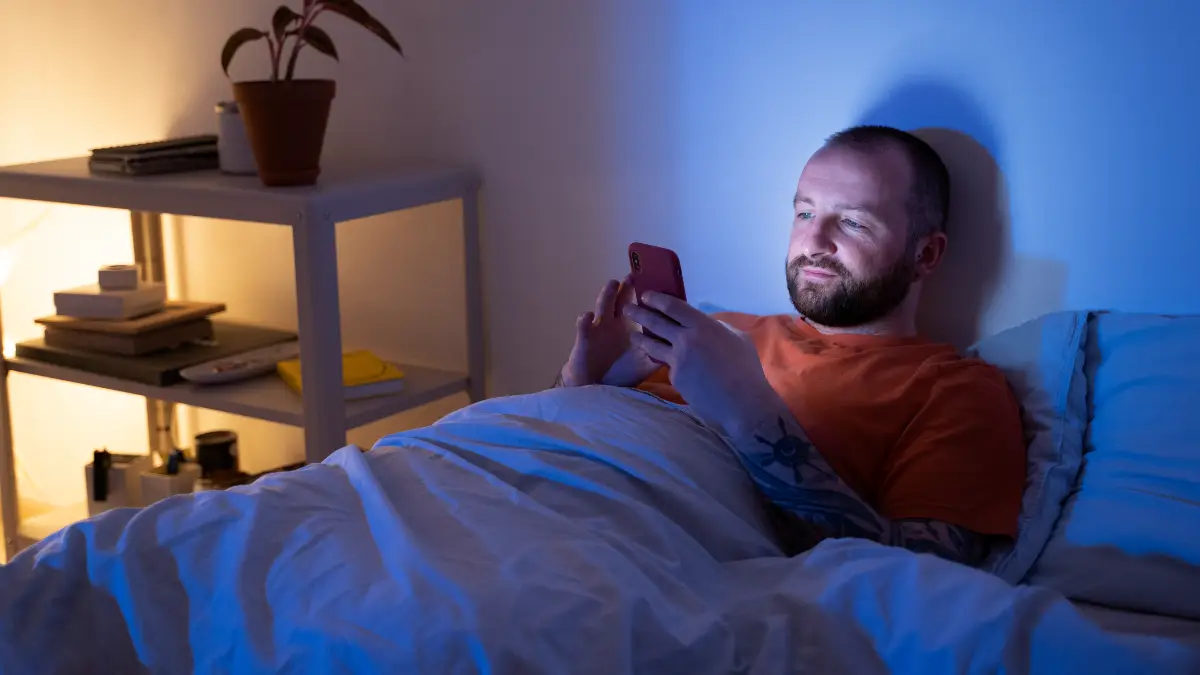
Wearing blue light blockers at night to sleep better is common now. It’s a known trick based on science: some light fools your brain into thinking it’s still daytime, which stops melatonin and makes it hard to sleep.
But the newest trick for getting ahead isn’t about night anymore. It’s about the day. The new plan isn’t just to block light, but to carefully manage the light you see all day long.
You can see this change in the new types of blue light glasses available. Companies that focus on performance now sell different lenses for “daytime” and “nighttime.” Each one is made for a specific job.
This shows a new way of thinking: the light you see at 2 PM is just as important for your work as the light you avoid at 10 PM. When top performers wear daytime blue light glasses, it shows a shift in wellness.
It’s no longer about fixing a problem (“I can’t sleep”). It’s about getting ahead of the problem (“How can I stay on my A-game all day?”).
This new way treats your office like something you can control to get the best work out of yourself. Light isn’t just for seeing. It’s like a nutrient or a drug for your body that you need to get in the right dose all day, not just at night.
Why Blue Light Isn’t the Bad Guy You Think It Is

To get why someone would wear yellow glasses in a bright office, you have to get one thing straight: blue light isn’t “bad.” It’s a natural force your body needs to work well.
The plan top performers use isn’t against blue light; it’s all about working with your body’s natural clock. The problem isn’t the light. It’s when, how much, and where you get it from.
Your Brain’s Master Clock and Its Favorite Drink: Morning Sun
Deep in your brain, there’s a tiny part called the suprachiasmatic nucleus (SCN). Think of it as your body’s master clock. It runs all your 24-hour cycles, called circadian rhythms.
These cycles control everything from when you sleep and wake up to your body temperature and hunger. To keep this clock on time, it needs to sync with the outside world every day. The main thing that syncs it is light.
Your eyes have special cells just for this job. They aren’t the ones you use to see pictures. They are called intrinsically photosensitive retinal ganglion cells (ipRGCs). These cells have something called melanopsin, which is very sensitive to blue light.
When morning light hits your eyes, it turns on these cells. They send a strong signal straight to your master clock that the day has started. This isn’t about seeing; it’s about setting your body’s time.
This morning signal is a must-have for good health. It starts a chain of important events:
- A Good Cortisol Spike: It releases cortisol, the hormone that makes you feel alert. This morning spike is key to waking you up and getting you ready for the day.
- A Sharper Brain: Blue light during the day helps you stay alert, improves your memory, and lifts your mood.
- Setting Your Sleep Timer: When your brain gets that strong “wake up” signal in the morning, it starts a countdown. About 14-16 hours later, it will start releasing melatonin to get you ready for sleep.
This is why experts like neuroscientist Andrew Huberman say that getting morning sun—without sunglasses—is one of the best things you can do for your health. The full, bright light from the sun is the key nutrient that sets up your body’s operating system for the day.
The Problem with Modern “Junk Light”
If natural blue light is so good for you, why block it? The reason is that the light our bodies grew up with is very different from the light we live in now. The light from the sun is not the same as the light from your screen.
Sunlight has a good balance of all the colors of the rainbow. It also changes during the day, with more blue light at noon and more red light at sunrise and sunset. This gives your brain clues about the time of day.
But the artificial light inside our homes and offices is a poor copy. LED lights and screens don’t have a balanced mix of colors. They make “white” light by using a blue LED with a coating. This creates a huge, unnatural spike of blue light and not enough of the other good colors, like red.
This is what some people call “junk light.” Even though a screen gives off less blue light than the sun, its color mix is all wrong, and we’re exposed to it all day long. We are soaking our bodies in a weird, spiky light signal for hours on end.
And it has real effects. A 2025 report found the average worker gets 97 hours of screen time a week. This constant light is a kind of stress. The same report showed that 68% of workers feel digital fatigue and eye strain, and 59% say it hurts their work.
This isn’t a small thing; it’s a big problem for health and business. The plan of the tech pros is a fix for this modern problem: to filter the artificial light to make it less disruptive for our bodies.
How to Beat the 2 PM Slump with the Right Light
The 2 PM plan is all about knowing what daytime blue light glasses are for—and what they’re not for. The ads for these glasses can be confusing. To see why top performers use them, you have to look past the weak arguments and find the real reason they help you stay sharp.
First, Let’s Be Honest: These Glasses Won’t Fix Eye Strain
One of the biggest claims about blue light glasses is that they fix Digital Eye Strain (DES). The signs of DES are real: dry eyes, blurry vision, and headaches are big problems for people who work on screens all day. The question is, what causes it?
Top eye doctors are very clear on this. The American Academy of Ophthalmology says there is no scientific proof that blue light from screens hurts your eyes or causes DES.
A major 2023 review of many studies, known as a Cochrane review, found that blue-light filtering glasses may not help with eye strain at all compared to regular glasses.
According to these experts, the real causes of eye strain are about how we use our screens, not the light itself. These causes include:
- Blinking Less: We blink about half as much when we stare at a screen, which makes our eyes dry.
- Bad Posture: Sitting the wrong way or having your screen at the wrong height can strain your eyes and neck.
- Glare: Bad lighting can create glare on your screen, which makes your eyes work harder.
- Needing Glasses: Even a small vision problem can feel much worse after hours on a computer.
So, to be clear, wearing blue light blockers is not a proven fix for Digital Eye Strain. Knowing this lets us move on to the real, smarter reason people wear them during the day.
The Real Goal: Fighting Brain Fatigue
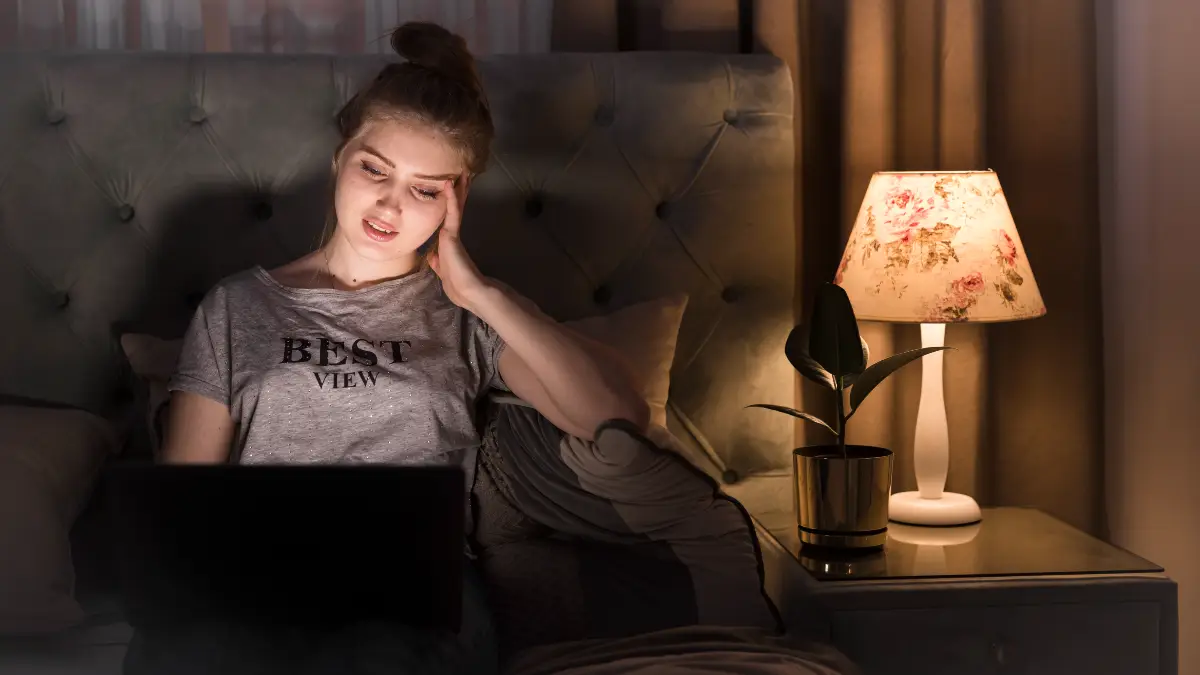
The 2 PM plan isn’t about your eyes; it’s about your brain. The real problem isn’t DES. It’s a condition you could call “Artificial Light Overstimulation.”
The science is clear: blue light wakes up your brain. Studies show it lights up the part of your brain that handles focus and decision-making. This is why blue light in the morning is great for you.
But, just like with coffee, too much for too long is a bad thing. In a modern office, you get a constant, strong dose of this brain-waking signal for eight hours or more.
This can lead to brain fatigue. People often call this “digital fatigue.” You feel mentally tired after a long day of screen time, even if your eyes feel okay.
This feeling often gets worse after lunch when your energy naturally dips. Your brain is being forced to stay on high alert by artificial light, and it gets worn out.
This is where daytime glasses help. They filter out the harshest spike of blue light from screens. They don’t block all the blue light. They just turn down the volume on the constant “noise” hitting your brain.
The goal is to turn the up-and-down cycle of being overstimulated into a smooth, steady state of focus. It’s a plan to save your mental energy so you can stay sharp all day and avoid that afternoon crash.
The medical world asks, “Does this light hurt my eyes?” and the answer is “No.” The performance world asks, “Is this light the best for my brain all day?” and the answer is “No.” The glasses are a tool to fix that.
Day Glasses vs. Night Glasses: Know the Difference
To use the 2 PM plan, you have to know the difference between daytime and nighttime glasses. Using the wrong tool at the wrong time won’t work and can even be bad for you.
Daytime Lenses (Clear or Light Yellow):
These are filters. They are made to cut down the strongest, most unnatural spike of blue light from screens and LEDs, usually by 30% to 50%.
They are designed to let enough of the good blue light through to keep you alert and in a good mood, while cutting down on the overstimulation that makes your brain tired. They try to make the “junk light” of an office feel more like natural light.
Nighttime Lenses (Dark Amber or Red):
These are blockers. Their job is to make your brain think it’s dark, even if the lights are on. To work, they need to block 95% to 100% of all blue and green light. This is because green light can also stop melatonin.
Wearing these dark red ones during the day is a big mistake. It tells your brain it’s nighttime, which can make you sleepy and mess up your whole schedule. If you do it for a long time, it could even lead to feeling down, like what happens in the winter when there’s not enough sun.
Your 24-Hour Plan for Managing Light
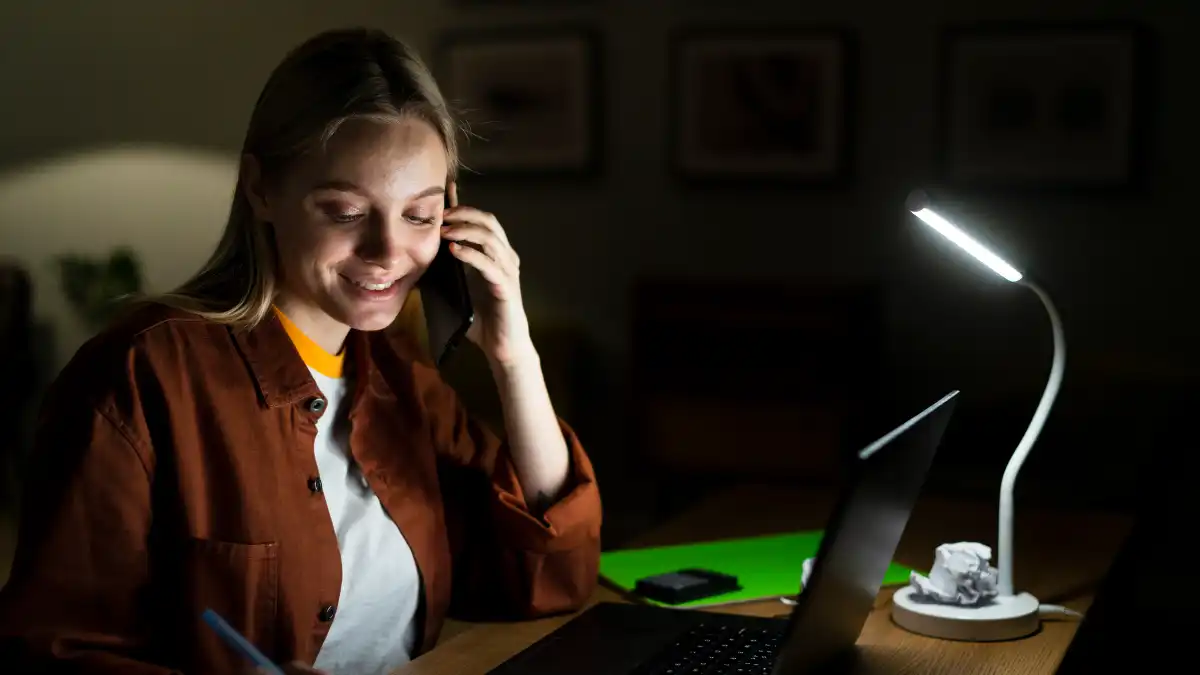
A pair of glasses won’t fix everything. For top performers, it’s just one part of a full, 24-hour plan for managing light. This plan sees our connection with light as an all-day thing, with different parts of the day needing different actions and tools.
The best plans have two phases: a “light-seeking” part in the morning to set your body clock, and a “light-avoiding” part in the evening to get ready for sleep. Daytime glasses are a tool to fix your environment during the indoor “light-seeking” part of the day.
What the Experts Do
If you look at what the top people in health do, you can see a clear plan you can use.
Andrew Huberman (Neuroscientist):
Huberman’s plan is based on hard science. His number one rule is to get 5-10 minutes of natural sunlight as soon as you can after waking up. This is the main signal to set your body’s clock.
During the day, he says to use bright overhead lights to stay alert. He sees blue light blockers as a tool for the evening, to be worn after the sun goes down to protect your sleep. His plan is to use free, simple habits first, and technology second.
Dave Asprey (“Father of Biohacking”):
Asprey’s idea is to actively fight against the modern world, which he thinks is bad for our bodies. He often uses products to fight “junk light” all day. His company, TrueDark, was one of the first to sell different lenses for day and night.
Yellow “Daylights” are for wearing inside during the day to filter the light from screens that makes you tired. Dark red “Twilights” are for night, to block almost all blue and green light to protect your sleep. For Asprey, managing light is a constant fight that needs tools all day and night.
Ben Greenfield (Fitness Expert):
Greenfield likes to live as close to how our ancestors did as possible. This means getting as much natural sunlight as he can during the day and avoiding all artificial light after the sun sets.
His perfect evening would have red light bulbs or even candles, which don’t have much blue light. He thinks blue light blocking glasses are a key tool for living in the modern world—a way to get things done after dark without messing up your body’s old systems.
Your Step-by-Step Daily Light Plan
Putting together what these experts say gives you a strong, simple plan to boost your energy and focus. Here is a daily schedule that turns these ideas into a plan you can actually use.
Morning (6-9 AM): Set Your Clock
- What to do: As soon as you can after you wake up, go outside and get 10-20 minutes of sunlight. Don’t wear sunglasses or blue light blockers.
- Why it works: This sends a powerful signal to your brain’s master clock to start the day, give you a healthy shot of the alert hormone cortisol, and lock in your 24-hour body clock.
- Tools: The sun (even on a cloudy day). If you can’t go outside, use a very bright SAD lamp.
Daytime (9 AM-2 PM): Get in the Zone
- What to do: Work in a bright room. If you can, put your desk near a window. Use bright, cool-colored overhead lights.
- Why it works: Bright light, especially blue light, helps your brain release chemicals that make you feel alert, happy, and ready for deep work.
- Tools: Windows, bright office lights, or special lights that you can change the color of.
Afternoon (2 PM-5 PM): Stay Sharp
- What to do: When you’re working on a screen for a long time, especially after lunch when you might feel tired, put on your daytime blue light glasses (the clear or light yellow ones).
- Why it works: They filter the most unnatural spike of blue light from screens, which turns down the constant signal to your brain. This helps you avoid brain fatigue and stay focused without making you sleepy.
- Tools: Good daytime blue light glasses that tell you how much blue light they filter.
Evening (5 PM-8 PM): Start to Wind Down
- What to do: Start making your home dimmer. Turn off bright overhead lights and use lamps with warmer-colored bulbs. If you can, get a little late afternoon sun.
- Why it works: This copies the natural sunset and tells your brain that the day is ending and it’s time to start relaxing.
- Tools: Dimmers on your lights and warm-colored light bulbs.
Night (8 PM-Bedtime): Protect Your Sleep
- What to do: Stay away from bright screens and lights. If you have to use a screen, wear your nighttime blue light blocking glasses (the dark amber or red ones).
- Why it works: These block almost all blue and green light. This stops the light from messing with your sleep hormone, melatonin, and lets your body get ready for sleep naturally.
- Tools: Nighttime blue light blockers, apps for your screen that make it warmer at night (like Night Shift), and red light bulbs.
How to Get Started in 2025
Turning this knowledge into real habits means knowing what tools to use and how to stick with it. You can start with free, simple habits or buy special gear. Either way, making your light environment better is something any professional can do.
How to Pick the Right Glasses
The market for blue light glasses can be tricky because of unclear ads. A smart shopper should look for specific, real features.
Daytime Glasses (Yellow/Clear):
You use these inside during the day when you’re under artificial light. The most important thing is that the company is honest. Don’t buy glasses that just say “blocks blue light.”
Look for companies that give you real numbers, like “filters 50% of blue light at 455 nm.” This shows the glasses are made to just turn down the signal from artificial light, not block it completely.
Nighttime Glasses (Amber/Red):
You use these for 2-3 hours before you go to bed. The only thing that matters is that they block all the light that stops your sleep hormone. A good pair must block almost 100% of blue and green light.
The test is easy: when you wear them, everything should look orange or red. Blue and green things should look black. If the glasses are clear or light yellow, they won’t work for protecting your sleep at night, no matter what the ads say.
How to Get Started for Free
Special glasses are a great tool, but they don’t replace good habits. You can get the biggest improvements in your energy and focus with simple, free actions that match your environment to your body.
Get Morning Sun: This is the most important step. As Huberman says, 10-20 minutes of outdoor light soon after you wake up is the master switch for your whole body clock. It’s free and does more good than any gadget.
Use the 20-20-20 Rule: To fight the real causes of eye strain, do this simple trick. Every 20 minutes you’re on a screen, take a 20-second break and look at something 20 feet away. This relaxes your eye muscles and helps with the physical signs of eye strain.
Set Up Your Workspace: Take charge of your space. Put your desk near a window if you can. Make sure your screen doesn’t have glare from lights. Use bright lights in the morning to wake you up, and then dim them later in the day.
Use Your Device’s Software: All modern phones and computers have settings like “Night Shift” or “Night Light.” They aren’t as good as real nighttime glasses, but they can be set to automatically make your screen’s color warmer after sunset.
Have a “Digital Sunset”: The best way to protect your sleep is to have a break between screen time and bedtime. Make the last 60-90 minutes of your day screen-free. This lets your sleep hormone rise naturally and helps your mind calm down.