
That stubborn weight gain after 40 isn’t your fault, but it is your problem to solve. You follow the old playbook—eating clean, exercising—yet the scale refuses to cooperate, especially around your middle.
It feels like your body is working against you, ignoring the rules that once guaranteed results. This isn’t a failure of willpower; it’s a sign that your internal engine is running on an outdated operating system.
This guide is your 2025 update. We’re not talking about vague advice. We’re exposing 16 silent saboteurs, from hormones to hidden habits, that are actively slowing you down. By understanding these concrete factors, you can stop fighting your body and start working with its new biology to finally see real, sustainable results.
How to Stop Age-Related Muscle Loss

The biggest reason your metabolism slows down after 40 is muscle loss. Doctors call this sarcopenia. Muscle is your metabolism’s main engine.
It’s active tissue that burns calories all day, even when you’re resting. As this engine gets smaller, it burns fewer calories. This creates a “metabolic tax” that gets worse each year.
The numbers are clear. Starting around age 30, adults lose 3% to 8% of their muscle every ten years. This gets faster after 40.
This loss means you have a lower resting metabolic rate (RMR). That’s how many calories your body burns just to live. Your body might burn 100–200 fewer calories a day at rest than it used to. Over a year, this can lead to gaining 10-20 pounds of fat.
Many people think that running or cycling is enough to stop this. But even active people lose muscle if they don’t do exercises that make muscles stronger.
Using only cardio to fix a slow metabolism doesn’t work well. It’s like trying to empty a sinking boat with a spoon. You burn calories while you move, but you don’t fix the real problem—the shrinking engine.
To fight muscle loss and rebuild your metabolic engine, you need to build more, not just burn more.
Do Resistance Training:
This is the most important thing you can do for your metabolism after 40. Building muscle is the best way to raise your RMR.
Try to do 2 to 4 full-body resistance workouts each week. You can lift weights, use machines, do bodyweight exercises like squats and push-ups, or use resistance bands.
Challenge Your Muscles:
To make muscles grow, you have to keep challenging them. This is called progressive overload. You can do this by slowly lifting heavier weights, doing more reps or sets, or taking less rest between sets.
Eat Enough Protein:
Exercise tells your muscles to grow, but protein gives them the building blocks. Eating enough high-quality protein is key for muscle repair. We will talk more about this later.
Why You Must Pay Attention to Hormones

If muscle is your metabolism’s engine, hormones are the master controls. They are chemical messengers that manage fat storage, appetite, energy, and mood. After 40, these signals change a lot.
This creates a new situation inside your body that can make weight loss much harder. These hormone changes speed up the bad effects of a poor diet, stress, or bad sleep. They change how your body uses fuel, making it more likely to store fat.
For women, the change to perimenopause can start in the late 30s or early 40s. Estrogen and progesterone levels go up and down and then fall. This causes several metabolism problems. Lower estrogen makes your body store fat, especially in the belly area. This leads to more dangerous visceral fat.
It also makes you more resistant to insulin, so your body is not as good at using carbs and stores them as fat. Symptoms like hot flashes and night sweats can also ruin your sleep, which causes more metabolism issues. Many women gain about 5 pounds after menopause because of these things.
For men, the problem is a slow drop in testosterone. After age 30-40, testosterone levels go down by about 1% each year. Lower testosterone leads to more body fat, especially visceral fat, and less muscle.
This makes muscle loss from aging even worse. This change also lowers energy and motivation, which makes it harder to stick to an exercise plan.
Your 2025 Action Plan
You can’t stop these hormone changes, but you can use new strategies to support a healthier hormone balance and lessen their effect on your metabolism.
- Live a Hormone-Friendly Life: The best defense is your lifestyle. A balanced diet, regular exercise (especially strength training), and managing stress are the foundation for healthy hormones.
- Eat for Hormone Health: Some foods can help. For women, foods with phytoestrogens, like flax seeds, soy, and chickpeas, may help with falling estrogen. For men, getting enough zinc (from pumpkin seeds and nuts) and vitamin D can help with testosterone.
- Talk to a Doctor: It’s important to talk about these changes with a doctor. They can do blood tests to check your hormone levels and look for other problems that affect metabolism, like a slow thyroid. For some people, treatments like hormone replacement therapy (HRT) might be a good option to discuss.
How to Stop Chronic Stress and Cortisol

In our world today, stress is everywhere. Work, family, and money can put your body in a constant state of “fight-or-flight.” This response is controlled by cortisol, your main stress hormone.
Short bursts of cortisol are good for you. But high levels all the time stop weight loss. They create a body environment that stores fat instead of burning it, no matter how many calories you eat.
Cortisol’s main job during stress is to give you energy by raising your blood sugar. This fuel is for a physical threat. But with today’s stress, you rarely use this energy. The extra sugar in your blood makes insulin spike.
High cortisol and high insulin together are a strong signal for your body to store fat, especially in your belly. This is often called “cortisol belly.” It’s real. The fat cells in your belly have more cortisol receptors than other fat cells, so they are very sensitive to stress.
High cortisol also makes you crave high-sugar, high-fat “comfort foods.” This adds to the cycle of overeating and weight gain. It also makes your body less sensitive to insulin. To make things worse, cortisol breaks down muscle to make more sugar.
This slows your metabolism even more. Finally, high cortisol at night can mess up your sleep. And bad sleep leads to even higher cortisol the next day. This creates a bad cycle for your metabolism.
Your 2025 Action Plan
Managing stress is not a nice-to-have; it’s a must-do for your metabolism. The goal is to lower cortisol and calm your body’s stress response.
- Try Mindful Movement: Do activities that are known to lower stress. This includes yoga, tai chi, meditation, and deep breathing. Even a simple 20-30 minute walk outside can lower cortisol.
- Schedule “Unplug” Time: Make it a rule to take a break from screens, news, and work emails every day. Even 10-15 minutes of quiet time, reading, or listening to calm music can help reset your system.
- Balance Your Workouts: Exercise is a great stress reliever, but too much high-intensity training can raise cortisol for a short time. It’s important to balance hard workouts with relaxing activities like stretching, walking, or yoga. This lets your body recover.
- Eat an Anti-Stress Diet: Some foods can help with stress. Eat foods with omega-3 fatty acids (like salmon and walnuts), magnesium (in leafy greens and nuts), and vitamin C (in citrus fruits and bell peppers).
Why You Need to Stop Skimping on Sleep

Sleep is not just rest. It’s a time when your body actively resets your metabolism and hormones. Thinking of it as optional is one of the worst things you can do for your metabolism after 40.
Not getting enough sleep creates “metabolic jet lag.” Your body’s internal clocks and hormone signals for hunger, fullness, and energy storage get out of sync. This makes it almost impossible to eat based on what your body needs and leads to fat gain.
The biggest effect of bad sleep is on the hormones that control your appetite: ghrelin and leptin. Ghrelin is the “go” hormone that makes you hungry. Leptin is the “stop” hormone that tells you you’re full.
Lots of research shows that even one night of bad sleep makes ghrelin go up and leptin go down. This change makes you want to eat more, even if your body doesn’t need the energy.
A tired brain doesn’t just want more food; it wants high-calorie, high-carb foods. This makes it a biological fight against your willpower.
This problem gets worse because bad sleep also raises cortisol and makes you less sensitive to insulin. This means the extra calories you eat because of your hormones are more likely to be stored as fat.
For people over 40, this creates another bad cycle. The hormone changes of perimenopause, like hot flashes, can make it even harder to get good sleep. About 30% of adults get less sleep than they should, making this a huge metabolism problem.
Your 2025 Action Plan
Making sleep a priority is a key strategy for a healthy metabolism. This means creating a routine and space that helps you get deep, restful sleep.
Practice Good Sleep Habits: These are habits that help you sleep well regularly.
Get 7-9 hours: Most adults need this much for good health. Being consistent is important.
Keep a Regular Schedule: Go to bed and wake up around the same time every day, even on weekends. This helps control your body’s internal clock.
Make Your Bedroom a Sleep Haven: It should be cool, dark, and quiet.
Have a Digital Curfew: The blue light from phones and computers can stop your body from making melatonin, the sleep hormone. Stop using screens at least 60-90 minutes before bed.
Watch What You Eat and Drink: Don’t have caffeine after 2 p.m. and limit alcohol at night. Alcohol might make you feel sleepy at first, but it hurts your sleep quality later.
Create a “Wind-Down” Routine: In the hour before bed, do calming things to tell your body it’s time to sleep. You could read a real book, take a warm bath, listen to relaxing music, or do light stretching.
Be Careful with Supplements: Some supplements, like magnesium glycinate or L-theanine, can help you relax and sleep better. But you should always talk to a doctor before you start taking any new supplement.
Why You Need to Eat More High-Quality Protein

If you could make one food change to help your metabolism after 40, it would be to eat more protein.
Not enough protein creates a bad cycle: it speeds up muscle loss, which slows your metabolism. At the same time, it makes you hungrier and lowers the calories you burn from digesting food. It’s a triple attack on your metabolism.
First, protein gives you the amino acids you need to build and keep muscle. As we’ve said, fighting muscle loss is the most important thing for keeping your metabolism high. Without enough protein, your body can’t fix the muscle you break down during exercise or daily life. This leads to a loss of your most active tissue.
Second, protein makes you feel fuller than carbs or fat. Meals with a lot of protein help you feel full for longer. This naturally helps you eat fewer calories by stopping cravings and snacking.
Third, protein has the highest Thermic Effect of Food (TEF). This is the number of calories your body uses to digest and process food.
Your body burns a lot more calories processing protein (15-30% of the protein’s calories) than it does for carbs (5-10%) or fats (0-3%). This means if you switch some of your calories from fats and carbs to protein, you burn more calories every day without trying.
A key point for people over 40 is that they actually need more protein than younger adults. As we get older, our muscles don’t respond as well to protein.
This is called “anabolic resistance.” It means you need more protein to get the same muscle-building effect. So, following the standard guidelines is often not enough to keep, or build, muscle.
Your 2025 Action Plan
To use the power of protein for your metabolism, you need to be smart about how much you eat and when.
Set a Good Protein Goal:
Go beyond the minimum. For active adults over 40 who want to manage weight and keep muscle, a goal of 1.2 to 1.6 grams of protein per kilogram of body weight is better.
To figure this out, divide your weight in pounds by 2.2 to get your weight in kilograms. Then multiply that number by 1.2 and 1.6 to find your daily range. For example, a 150-pound (68 kg) person should eat about 82 to 109 grams of protein a day.
Spread Protein Out:
A common mistake is to eat a little protein at breakfast and lunch and a lot at dinner. To build muscle best, it’s better to spread it out. Try to get at least 25-30 grams of protein at each main meal.
Choose High-Quality Sources:
Build your meals around lean, high-quality protein. Here’s a helpful list:
- Lean Meats: 4oz of chicken or turkey breast (about 30-35g protein)
- Fish: 4oz of salmon or tuna (about 25-30g protein)
- Eggs: 3 large eggs (about 18g protein)
- Greek Yogurt: 1 cup of plain, non-fat Greek yogurt (about 20-23g protein)
- Legumes: 1 cup of cooked lentils or chickpeas (about 15-18g protein)
- Tofu/Tempeh: 4oz of firm tofu (about 10-12g protein) or tempeh (about 20g protein)
How to Avoid Ultra-Processed Foods (UPFs)
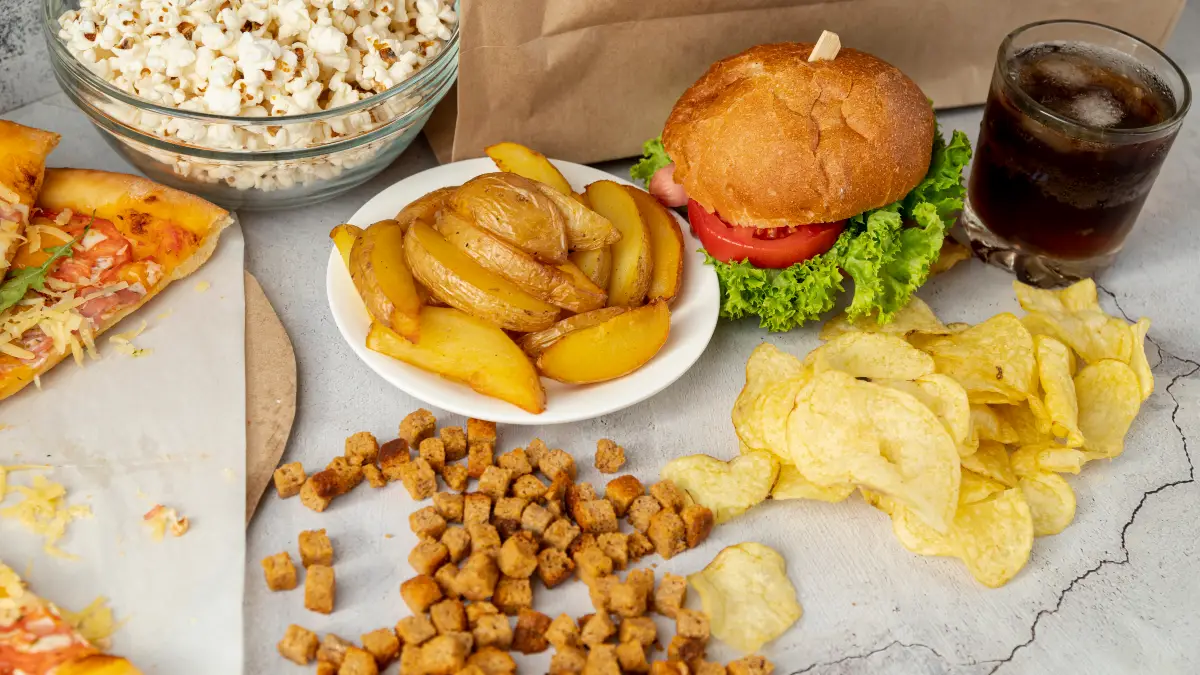
Ultra-processed foods (UPFs) are not just “junk food.” They are factory-made products designed to be extra tasty and last a long time. They often have additives, colors, and very little real food.
Examples include packaged snacks, sugary drinks, instant soups, and frozen pizzas. For a body over 40, which is already at risk for metabolism problems, UPFs are like throwing gas on a fire. They are not just empty calories.
They are made to mess up your metabolism. They cause inflammation, insulin resistance, and bad gut health—problems that get worse with age.
The latest science is very worrying. A big 2024 review in The BMJ looked at data from almost 10 million people. It found clear links between eating a lot of UPFs and 32 bad health outcomes.
The evidence was very strong for linking UPFs to a higher risk of death from heart disease and type 2 diabetes. Another 2024 study showed a strong link between high UPF intake and a higher risk of obesity and metabolic syndrome.
UPFs hurt your metabolism in many ways. They are made to be “hyper-palatable,” which means their mix of salt, sugar, and fat is designed to make you overeat. They are usually low in fiber and protein and high in refined carbs.
This causes your blood sugar and insulin to spike and then crash. This rollercoaster ride leads to insulin resistance over time. Also, the additives in UPFs can harm your gut bacteria and increase inflammation, which is another big cause of metabolic disease.
Your 2025 Action Plan
Eating fewer UPFs is a key way to protect yourself from a faster-aging metabolism. The goal is to eat more whole, simple foods.
- Read the Labels: The easiest way to spot a UPF is to read the ingredients. If the list is long and has things you can’t say or wouldn’t have in your kitchen (like high-fructose corn syrup or artificial flavors), it’s probably ultra-processed.
- Focus on “Crowding Out”: Instead of thinking about what to cut out, think about what to add. By adding more whole foods—fruits, vegetables, lean proteins, nuts, and whole grains—to every meal, you will naturally have less room for UPFs.
- Use the “One-Swap” Rule: Start with a small, easy change. Find one UPF you eat a lot and swap it for a whole-food option. For example, swap a sugary cereal for oatmeal with berries. Swap chips for an apple and almonds. Swap a soda for sparkling water with lemon. These small changes add up to big metabolism improvements over time.
Why You Shouldn’t Fear Carbs (But Should Love Fiber)

In the search for weight loss, carbs have often been seen as the enemy. This has led many people over 40 to try low-carb diets.
But they often make a big mistake: they cut out all carbs, including the ones with lots of nutrients and fiber that are key for a healthy metabolism. This “war on carbs” hurts dietary fiber the most. A low-fiber diet starves a key part of your metabolism: your gut bacteria.
Fiber is a type of carb that your body can’t digest. It has huge benefits. Soluble fiber, found in foods like oats, beans, and apples, dissolves in water and forms a gel in your gut. This gel slows down digestion, which helps stop big spikes in blood sugar and insulin after a meal. It also helps you feel full, which is great for controlling your appetite.
Maybe the most important thing is that fiber is the main food for the trillions of good bacteria in your gut. When these bacteria break down fiber, they make things called short-chain fatty acids (SCFAs).
These SCFAs are great for your metabolism. They give energy to the cells in your colon, help lower inflammation in your body, make you more sensitive to insulin, and can even affect your hunger hormones.
A diet without enough different fibers leads to a less healthy gut, which is linked to more inflammation and worse metabolic health.
Also, while very-low-carb diets can work for some people, some research shows they might change thyroid hormones in some people.
This is not a problem for everyone, but it shows why a balanced diet with high-quality, fiber-rich carbs is often a better and safer long-term plan, especially without a doctor’s help.
Your 2025 Action Plan
The goal is to change your thinking from “low-carb” to “smart-carb,” and to make fiber a priority.
Set a Daily Fiber Goal: Try to get the recommended amount of fiber each day, which is 25 grams for women and 38 grams for men under 50. Most people don’t get nearly enough.
Choose Carbs with Fiber: Focus on eating these foods:
Legumes: Lentils, chickpeas, black beans.
Whole Grains: Oats, quinoa, brown rice.
Vegetables: Broccoli, Brussels sprouts, leafy greens.
Fruits: Berries, pears, apples.
Nuts and Seeds: Almonds, chia seeds, flax seeds.
Use the “Add, Don’t Subtract” Method: Instead of thinking about what to take away, focus on adding a high-fiber food to every meal. Add a tablespoon of chia seeds to your yogurt. Add a half-cup of beans to your salad. Add a big serving of roasted broccoli to your dinner.
How to Fix Hidden Nutrient Gaps

While we pay a lot of attention to protein, carbs, and fat, your metabolism is a series of complex chemical reactions. These reactions need many micronutrients—vitamins and minerals—to work right.
These micronutrients are like “spark plugs” for the enzymes that make energy. If you’re low on any of them, it can create a problem in your metabolic system.
This can lead to feeling tired and can stop weight loss, even if your calories and macros are perfect. The signs of these gaps, like being tired, are often just blamed on “getting older.”
Several key micronutrient gaps are common and have a big impact on adults over 40:
Vitamin D:
This is one of the most common nutrient gaps in the world. A lot of research shows a strong link between low vitamin D levels and a higher chance of metabolic syndrome, a bigger waist, and insulin resistance in middle-aged and older adults.
The link is complex; being obese can also lead to lower vitamin D levels because the vitamin is stored in fat tissue and is less available for the body to use.
B Vitamins:
The B vitamins (especially B1, B2, B6, and B12) are the hard workers of your energy metabolism. They are very important for turning the food you eat into energy for your cells.
A gap can directly hurt this process, leading to deep fatigue and a slow metabolism. Studies show that taking B vitamins can improve the work of energy-related enzymes and make you feel less tired during exercise.
Iron:
Iron is a key part of hemoglobin, the protein in red blood cells that carries oxygen to every cell in your body, including your muscles where it’s used to burn fuel for energy.
Low iron is very common in perimenopausal women because of heavier or more frequent periods.
The signs—fatigue, weakness, and poor concentration—are often mistaken for normal signs of perimenopause or aging. But the real problem is that the metabolic system is not getting enough oxygen.
Your 2025 Action Plan
Fixing your micronutrient status is a key part of a good metabolic plan.
- Eat a Nutrient-Rich, Colorful Diet: The best way to get these micronutrients is from a varied diet of whole foods.
- For Vitamin D: Eat fatty fish (salmon, mackerel), fortified milk, and egg yolks. Getting some sun (10-15 minutes a few times a week) is also a main source.
- For B Vitamins: Eat a mix of lean meats, fish, eggs, legumes, and leafy green vegetables.
- For Iron: Eat lean red meat, poultry, and fish (which have heme iron that’s easy to absorb). For plant-based non-heme iron from foods like lentils and spinach, help your body absorb it by eating it with a source of Vitamin C, like lemon juice or bell peppers.
- Get Tested, Don’t Guess: The only way to know for sure if you have a gap is with a blood test. Ask your doctor to check your levels of vitamin D, vitamin B12, and ferritin (the stored form of iron). This lets you take supplements if you need them.
- Think About a Good Multivitamin: For many older adults, a daily multivitamin can be a good “insurance policy” to fill in small gaps. But it should never replace a healthy diet.
How to Stop Living a Sedentary Life Outside the Gym

Many people think a 60-minute workout gives them a pass to sit for the other 23 hours of the day. This is a big metabolic mistake. This “active couch potato” problem ignores a huge and very important part of daily calorie burning: Non-Exercise Activity Thermogenesis (NEAT).
NEAT is all the energy you burn from movements that are not sleeping, eating, or formal exercise. It’s the energy used walking to your car, typing, fidgeting, doing chores, and even standing instead of sitting.
Each of these things burns a few calories, but together they add up to a lot. For most people, NEAT burns far more calories each day than their workout. The difference in NEAT between people can be up to 2,000 calories a day.
This difference is often the hidden reason why some people struggle with weight and others stay at a healthy weight easily.
The modern lifestyle, especially office work, has destroyed our NEAT. Sitting at a desk for eight hours, then driving, then sitting on the couch creates “metabolic stagnation.” Research has clearly linked sitting for long periods to a higher risk of heart disease and type 2 diabetes, even in people who exercise.
Focusing only on one workout while ignoring the other 16 waking hours is missing the big picture. NEAT is the constant, low-level burn that keeps your engine running all day.
Your 2025 Action Plan
The way to boost NEAT is to change your daily routines to encourage more small movements.
- Become a “Movement Opportunist”: Change your mindset to look for small chances to move all day.
- Always take the stairs.
- Park far from the store entrance.
- Set a timer to remind you to stand up and walk around for a few minutes every hour.
- Walk around while on the phone.
- Do chores by hand: wash dishes instead of using the dishwasher.
- Fidget—tap your feet, move in your chair. It all helps.
- Track Your Steps: Use a phone or fitness tracker to see how many steps you take. Setting a goal, like 7,000 to 10,000 steps a day, can be a great motivator to move more and make NEAT a priority.
Why You Need to Focus on Strength, Not Just Cardio

For a long time, cardio has been seen as the best way to lose weight. So, many people over 40 spend hours on the treadmill, watching the “calories burned” number go up.
While cardio is great for your heart, relying on it too much for weight loss after 40 is a strategy that stops working. It doesn’t fix the main metabolic problem of this age group: muscle loss.
The main issue is that while cardio burns calories during the activity, it does very little to build or keep the active muscle that burns calories all the time.
In fact, if you’re eating a lot fewer calories, too much long cardio can even break down muscle for fuel. This makes the problem you’re trying to solve worse and slows your metabolism even more.
While some cardio, like High-Intensity Interval Training (HIIT), can create a small “afterburn” effect, this short boost is nothing compared to the permanent benefit of adding five pounds of muscle.
By choosing cardio over strength training, people are focusing on a temporary fix (the calories burned in the session) instead of a permanent one (raising their 24/7 metabolic rate). This mistake is a big reason for hitting weight loss walls.
Your 2025 Action Plan
The best exercise plan for metabolic health after 40 is a smart mix of strength and cardio, with a clear change in priority.
- Flip the Script: Strength First, Cardio Second: Plan your workout week with strength training as the main thing. Aim for 2-4 sessions a week. Think of cardio as a helpful extra, adding 2-3 sessions a week as you can.
- Combine for the Best Effect: You can mix them in a few ways. You can end a strength workout with a short, 10-15 minute HIIT session. Or you can have separate days for each: strength training on Monday and Wednesday, and a long walk on Friday.
- Redefine “Exercise Success”: Change how you measure success. Don’t just look at the calorie counter on the treadmill. Instead, track real strength gains (like lifting a heavier weight), how your clothes fit, more energy, and better sleep. These are much better signs of good metabolic change.
How to Escape the “All-or-Nothing” Diet Trap

The “all-or-nothing” mindset is a common thinking trap that is very bad for diet and lifestyle changes. It’s the voice that says, “I ate one cookie, so my diet is ruined. I might as well eat the whole box and start over on Monday.”
This perfect-or-bust approach turns a simple food choice into a big emotional drama. It triggers your body’s stress response and sets you up to fail.
This mindset creates a bad, endless cycle. It starts with very strict rules, where some foods are “bad” and not allowed.
This is hard to do and always leads to a slip-up. Because of the all-or-nothing view, this one slip-up is seen as a total failure, not a small mistake. This causes feelings of guilt and shame, which then lead to overeating to deal with the bad feelings.
The metabolic damage from this trap is big. The stress raises cortisol, which promotes belly fat and cravings. The strict periods can slow your metabolism to save energy. The overeating periods then lead to fast fat gain on top of this slower metabolism. It’s a perfect storm for metabolic problems and long-term weight gain.
Your 2025 Action Plan
To break free from this bad mindset, you need to switch from trying to be perfect to being consistent and kind to yourself.
- Use the 80/20 Rule: Be flexible. Aim to make healthy choices 80% of the time. This leaves 20% for planned treats, special events, or just real life. This takes the pressure off and makes a healthy lifestyle last.
- See “Failure” as “Feedback”: When you have an unplanned treat, change how you think about it. Instead of calling it a failure, see it as information. Ask yourself without judgment: “Why did I make this choice? Was I too hungry? Stressed? Bored?” This helps you learn about your triggers and turns guilt into a learning moment.
- Focus on Consistency, Not Perfection: Real, lasting results come from the small, good habits you can do over and over for weeks, months, and years—not from short, miserable periods of being perfect. The goal is not to be perfect; the goal is to make progress.
Why You Should Avoid Extreme Calorie Cutting

When weight loss stops, many people think they need to eat even less and exercise even more. This often leads to crash diets and cutting calories too much.
This might make you lose weight fast at first, but it’s one of the worst things you can do for your long-term metabolism. Cutting calories too much teaches your body to be a very good fat-storing machine.
This is because of a strong survival tool called metabolic adaptation. When your body feels a big, long gap between the calories it gets and the calories it burns, it doesn’t know you’re trying to fit into smaller jeans.
It thinks there’s a famine and a threat to your life. So, it starts to save energy.
During metabolic adaptation, your resting metabolic rate (RMR) slows down more than can be explained by your weight loss alone. Your body becomes more energy-efficient, burning fewer calories to do the same things.
Your hormones also change to push you back to energy balance: thyroid hormone levels can drop, while the hunger hormone ghrelin goes up and the fullness hormone leptin goes down. You are left feeling tired, cold, and very hungry.
The long-term effects of this were shown in a study of people from the TV show “The Biggest Loser.” Years after the show, researchers found that their metabolisms were still much slower.
They had to eat far fewer calories than expected just to keep their weight. This shows that the damage from extreme diets can last a long time. When you stop the crash diet, you have a metabolism that is slower than when you started and a strong hormonal drive to eat.
This creates the perfect situation for gaining weight back fast—often with more body fat than before.
Your 2025 Action Plan
The way to lose weight for good is to work with your metabolism, not against it. This means creating a calorie deficit that works but is not so big that it triggers a strong adaptation response.
Aim for a Small, Steady Deficit:
Avoid big changes. For most people, eating fewer than 1,200 calories a day is a red flag for triggering metabolic adaptation. A much safer and better way is to aim for a small deficit of about 500 calories a day. This usually leads to a steady weight loss of about one pound a week.
Think About Diet Breaks:
To fight the natural slowdown that happens with any weight loss, think about planned “diet breaks.” This means you go back to eating at your maintenance calorie level for a week or two.
This can help get your hormones back to normal and gently push your metabolic rate back up. This makes the next period of dieting work better.
Eat a Lot of Protein in a Deficit:
This is very important. When you are losing weight, eating enough protein is your best defense against muscle loss. Keeping your muscle is the most important thing you can do to protect your metabolic rate when you’re eating fewer calories.
How to Take Care of Your Gut

The trillions of bacteria and other tiny things in your gut are like a complex metabolic organ. This “second brain” is very important for how you digest food, control your immune system, make some vitamins, and even manage your mood and appetite.
Not taking care of this internal world creates an environment that promotes insulin resistance and fat storage. It’s like an invisible brake on your metabolism.
After age 40, the variety and balance of your gut bacteria often start to go down. The good bacteria can shrink, while the bad ones can grow.
This imbalance, called dysbiosis, can be made worse by things common in midlife, like chronic stress, some medicines, and a diet low in fiber and high in processed foods.
An unhealthy gut hurts weight loss in several key ways. It can lead to a “leaky gut,” where inflammatory things pass from the gut into the blood. This causes a state of chronic, low-grade inflammation.
This type of inflammation is a known cause of insulin resistance, which makes it much harder for your body to manage blood sugar and promotes fat storage.
Also, the types of bacteria in your gut can affect how many calories you get from your food and can affect the hormones that control hunger. The gut is also involved in managing estrogen, which is another key link between gut health and the hormone challenges after 40.
Your 2025 Action Plan
Building a healthy, diverse gut is a key strategy for better metabolic health.
- Feed Your Good Bacteria with Prebiotics: Prebiotics are types of fiber that your good gut bacteria love to eat. Try to eat a wide variety of plant-based, fiber-rich foods every day. Good prebiotic sources include garlic, onions, leeks, asparagus, and bananas.
- Add Probiotics: Probiotics are live good bacteria found in fermented foods. Eating these foods can help add to and diversify your gut bacteria. Good sources include plain yogurt with live cultures, kefir, sauerkraut, and kimchi.
- Eat a Variety of Plants: The key to a diverse gut is a diverse diet. A great goal is to try to eat 30 or more different types of plant foods each week. This includes fruits, vegetables, whole grains, legumes, nuts, and seeds.
- Avoid “Gut Busters”: Be careful with foods and things that can harm your good gut bacteria. These include too much sugar, artificial sweeteners, and the additives found in many ultra-processed foods.
Why You Need to Stay Hydrated

Water is where every single metabolic reaction in your body happens. It is the most important and often most forgotten nutrient for a working metabolism.
Even being a little dehydrated can cause these key chemical processes to slow down. This creates stress in your cells that hurts mitochondrial function and makes fat metabolism less efficient.
Research shows a direct link between how hydrated you are and your metabolic health. Studies have shown that drinking more water can help with weight loss.
This might be because it increases lipolysis (the breakdown of fat for energy) and expands cell volume, which may make cells more sensitive to insulin. On the other hand, being chronically a little dehydrated has been linked to more body weight and a higher risk of metabolic problems.
On a more practical level, the brain often confuses the signals for thirst and hunger. The part of the brain that controls both appetite and thirst can send mixed signals when you are dehydrated.
As a result, many people grab a snack when their body is actually asking for water. This can lead to eating hundreds of extra calories throughout the day, which directly hurts weight loss efforts.
Your 2025 Action Plan
Staying well-hydrated is a simple but powerful metabolic habit.
- Drink Before You’re Thirsty: Don’t wait until you feel thirsty to drink. Thirst is a late sign, which means by the time you feel it, your body is already dehydrated. Get in the habit of sipping water all day.
- Set a Daily Water Goal: A simple goal is to aim for eight 8-ounce glasses of water a day. A more personal guide is to drink about half of your body weight (in pounds) in ounces of water. For example, a 160-pound person would aim for about 80 ounces of water a day.
- Eat Your Water: Remember that you don’t have to drink all your water. Many fruits and vegetables have a lot of water and help you stay hydrated. Good choices include cucumber, celery, zucchini, and watermelon.
- Start Your Day with Water: One of the best habits is to drink a large glass of water first thing in the morning. You naturally get dehydrated overnight, and this helps rehydrate your body and start your metabolism for the day.
How Alcohol Can Sabotage Your Goals

For many adults, a glass of wine or a beer at the end of a long day feels like a reward and a way to relax.
But regular drinking is a multi-part metabolic saboteur that creates a perfect storm for weight gain after 40. It gives you empty calories, stops fat burning, messes up your sleep, and hurts key metabolic hormones.
When you drink alcohol, your body treats it like a poison and works to get rid of it first. Your liver starts to clear the alcohol from your system right away. While it’s doing this, the metabolism of carbs and fats is put on hold.
This means that any food you eat with or around the time you drink is much more likely to be stored as fat.
The sneakiest thing about alcohol is its effect on sleep. While it can help you fall asleep faster, it ruins your sleep later in the night.
Alcohol greatly reduces REM sleep, the most mentally refreshing stage of sleep, and makes you wake up more often. The result is a night of bad sleep, even if you were in bed for eight hours.
As we saw in Killer #4, this bad sleep leads to higher cortisol and messed-up ghrelin and leptin the next day. This creates a hormonal state of more hunger and cravings.
Finally, alcohol gives you “empty” calories—about 7 calories per gram—with almost no nutritional value. It also lowers your guard, making it much more likely that you’ll make bad food choices, like reaching for high-calorie snacks.
For men, regular drinking can also lower testosterone levels, making the hormone challenges of aging even worse. A single drink in the evening can start a negative 24-hour metabolic chain reaction that goes far beyond the calories in the glass.
Your 2025 Action Plan
This doesn’t mean you can never have a drink again, but it does mean you need to be more mindful and strategic.
- Use the “Three-Hour Rule”: To avoid messing up your sleep, don’t drink alcohol within three hours of when you plan to go to bed. This gives your body time to process most of the alcohol before you get into your deep sleep cycles.
- Practice Mindful Drinking: Stick to the guidelines for moderate drinking, which is up to one standard drink a day for women and up to two for men. When you do drink, slow down. Have a full glass of water between each alcoholic drink to stay hydrated and drink less overall.
- Find Healthier Ways to Wind Down: Actively find and practice non-alcoholic ways to relax at the end of the day. This could be drinking a cup of herbal tea, taking a warm bath, reading a book, or doing some gentle stretching.
Why You Need to Fight Insulin Resistance

Insulin resistance is where many of the other silent killers meet. It is the result of muscle loss, hormone shifts, chronic stress, and a bad diet.
It creates a cycle that makes the body very good at storing fat and very bad at losing it. It is probably the most important metabolic condition to understand and fix after 40.
Think of insulin as the key that opens your body’s cells to let sugar from your blood in to be used for energy. Insulin resistance is when the “locks” on your cells get “rusty” and don’t respond well to the key.
In response, your pancreas has to work extra hard, making more and more insulin to do the same job and keep your blood sugar in a safe range.
This state of having high insulin all the time is a strong signal for your body to store fat. High insulin levels block lipolysis, the process of releasing stored fat from your fat cells to be burned for energy.
At the same time, it promotes lipogenesis, the creation and storage of new fat, especially in the belly area. This creates a “metabolic lock.” Even if you are eating fewer calories, the constant high insulin makes it chemically hard for your body to use its own fat stores for fuel.
Insulin resistance gets more common with age and is often a silent problem at first, with few or no signs. It is a main reason why the high-carb, low-fat diets that might have worked in your 20s can now cause weight gain and fatigue.
Your 2025 Action Plan
Making your body more sensitive to insulin is the key to unlocking your ability to burn fat again. This takes a lifestyle approach with many parts.
Build Your “Glucose Sponges”:
Remember the key role of strength training. Muscle is the main place where your body gets rid of glucose. The more muscle you have, the more places there are for glucose to go after a meal. This takes the pressure off your pancreas to make insulin.
Manage Your Carbs Smartly:
This doesn’t mean no carbs, but being strategic. Always eat your carbs with protein, healthy fats, and fiber. This mix slows down how fast sugar gets into your blood, which means a smaller insulin response.
Also, a simple 10-15 minute walk after meals can be very good at helping your muscles use up extra blood sugar.
Focus on Anti-Inflammatory Foods:
Chronic inflammation is a key cause of insulin resistance. Eat a diet full of anti-inflammatory foods, especially those with omega-3 fatty acids, like fatty fish (salmon, sardines), walnuts, and flax seeds.
Ask Your Doctor for the Right Tests:
A standard fasting glucose test might not show an insulin problem until it’s very advanced. To get a better idea of your insulin sensitivity, ask your doctor to also check your fasting insulin and Hemoglobin A1c (HbA1c) levels. These tests can find a problem much earlier, so you can act on it.
Your Metabolism Rescue Plan
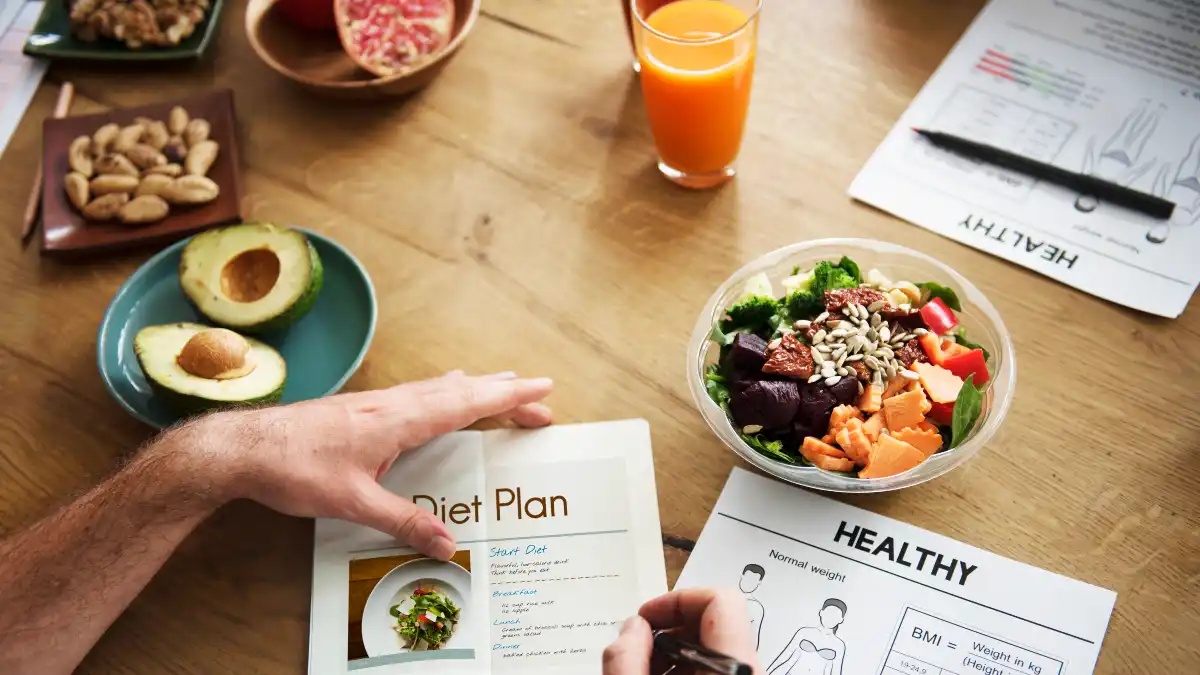
This information can feel like a lot. To make it easy to use, here is a quick summary of the 16 silent killers and their main solutions. Use this as a quick guide to see which areas you need to work on first.
| The Silent Killer | Your 2025 Action Plan |
| 1. Ignoring Muscle Loss | Do strength training 2-4 times a week to build your metabolic engine. |
| 2. Hormonal Shifts | Balance your lifestyle (diet, exercise, stress) and talk to a doctor about your hormones. |
| 3. Chronic Stress & Cortisol | Schedule daily stress-reducing activities like walking, meditation, or yoga. |
| 4. Poor Sleep | Aim for 7-9 hours of good sleep a night by improving your sleep habits. |
| 5. Not Eating Enough Protein | Aim for 1.2-1.6g of protein per kg of body weight, spread out over your meals. |
| 6. Eating Ultra-Processed Foods | Focus on “crowding out” these foods by adding more whole, single-ingredient foods. |
| 7. Fearing Carbs & Missing Fiber | Change from “low-carb” to “smart-carb,” aiming for 25-38g of fiber a day from whole foods. |
| 8. Micronutrient Gaps | Eat a colorful, nutrient-rich diet and ask your doctor to test your Vitamin D, B12, and iron. |
| 9. Low NEAT (Sitting Too Much) | Be a “movement opportunist.” Stand more, walk more, and take the stairs. Aim for 7k-10k steps a day. |
| 10. Relying on Cardio Alone | Make strength training your main focus and use cardio as an extra, not the main tool. |
| 11. “All-or-Nothing” Mindset | Use an 80/20 approach. Focus on being consistent, not perfect. |
| 12. Extreme Calorie Cutting | Avoid crash diets. Aim for a small, steady calorie deficit of about 500 calories a day. |
| 13. Neglecting Gut Health | Feed your gut with a variety of fiber-rich plant foods and eat fermented foods. |
| 14. Chronic Dehydration | Drink water all day. Don’t wait until you’re thirsty. |
| 15. Regular Alcohol Use | Limit alcohol, especially within 3 hours of bedtime, to protect your sleep and metabolism. |
| 16. Insulin Resistance | Build muscle, manage carbs by eating them with protein/fat, and ask your doctor for the right tests. |