
Full time RV life can look simple from the outside. You picture quiet campgrounds, open roads, morning coffee with a view, and the freedom to move whenever you want. But once the RV becomes your actual home, the small problems start showing up fast.
Tank limits, campground reservations, internet issues, repair bills, storage, bad weather, and lack of personal space can turn that freedom into daily stress. Many new RVers do not realize how much planning full time living really takes.
These 13 lessons can help you avoid common mistakes and prepare for RV life before you commit.
1. Your RV Can Reach Its Weight Limit Faster Than You Think
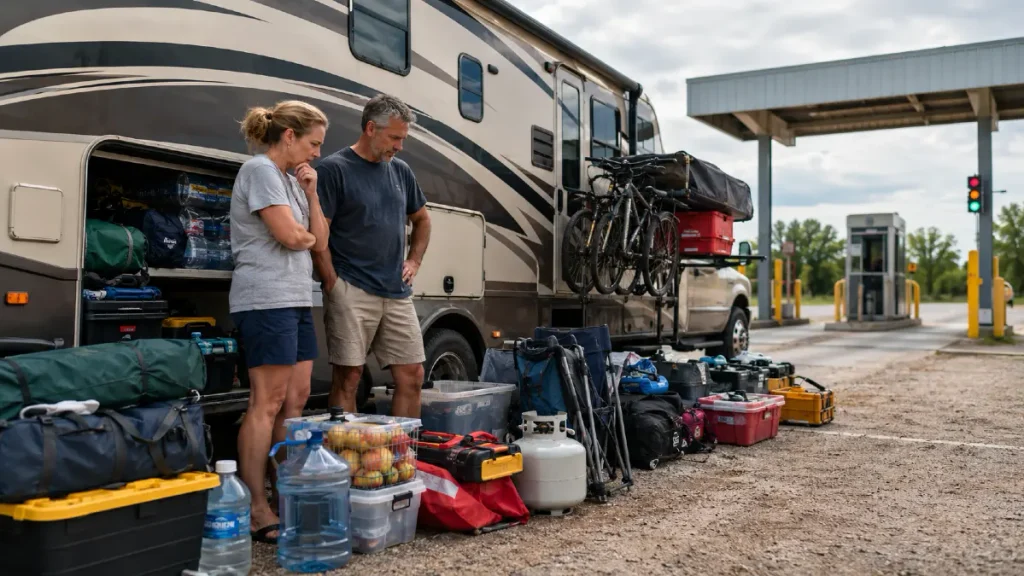
Storage space can fool you. Just because another cabinet has room does not mean your RV can safely carry whatever you put inside it.
Food, clothing, tools, batteries, outdoor furniture, cooking gear, water, bikes, pet supplies, and upgrades all add weight. NHTSA specifically tells RV buyers to consider water, added equipment, and luggage when looking at cargo capacity.
The agency also says the GVWR shown on the manufacturer’s certification label must not be exceeded.
This matters even more during full time RV life because you tend to carry far more than you would for a weekend trip. Seasonal clothes, extra food, office equipment, tools, spare parts, and hobby gear slowly find their way inside.
Take the loaded RV to a suitable public scale. Do it with the gear, water, passengers, and supplies you normally carry. Check your RV manual and weight labels too, since total weight is only part of the picture.
Then repeat the check after major upgrades. New batteries, solar equipment, storage boxes, appliances, and other additions can quietly eat into the capacity you thought you had.
2. Campground Reservations Can Control Your Route
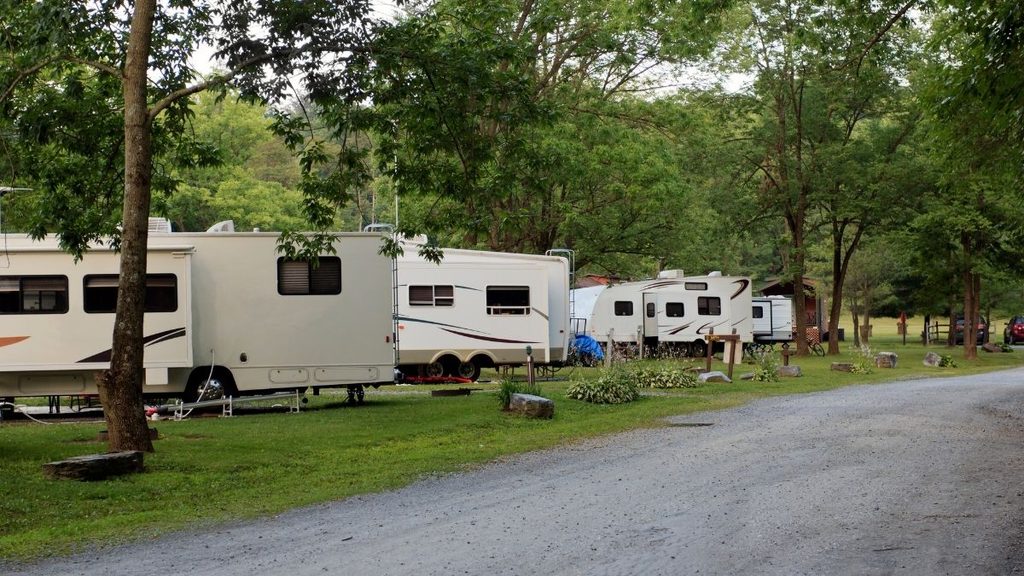
One of the biggest surprises in full time RV life is that freedom still requires planning. You may be free to drive anywhere, but that does not mean there will be an open campsite waiting when you arrive.
Recreation.gov says most campsites on its system can be reserved about six months before arrival. It also warns that some popular campgrounds can fill within minutes after reservations become available.
Demand is not exactly small. KOA’s 2026 Camping and Outdoor Hospitality Report found that more than 52 million North American households camped during 2025. That figure includes many types of camping, but it shows how many travelers can be looking for outdoor stays during busy periods.
Do not respond by booking every night of the next six months. That can make RV life feel like an appointment calendar.
Instead, identify the places where timing really matters. Reserve major national parks, holiday weekends, festivals, and popular summer areas early, then leave some space between those dates.
A flexible route gives you room for repairs, bad weather, a campground you love, or a town where you simply want to stay another week.
3. A Bigger RV Can Limit Where You Can Camp
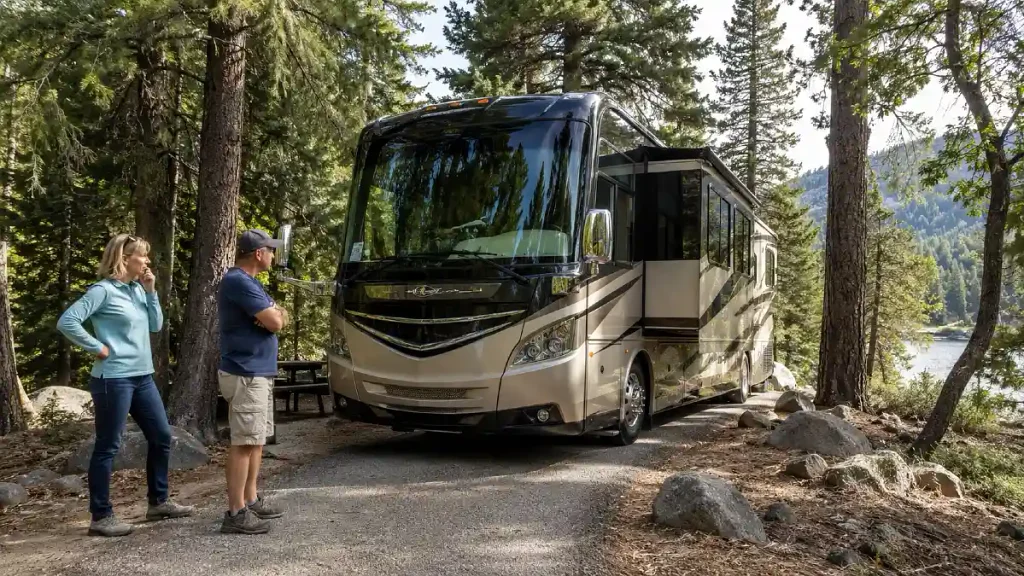
A huge fifth wheel or motorhome can feel wonderful inside. You get more storage, a bigger kitchen, a better bathroom, and enough floor space to stop bumping into another person.
The tradeoff appears when you start looking for campsites.
At Rocky Mountain National Park’s Timber Creek Campground, RVs and combined vehicles and trailers cannot exceed 30 feet. Other campgrounds have their own limits based on roads, turns, parking pads, and campsite layouts.
This does not mean a large RV is a bad choice. It means RV size changes where you can comfortably go.
Before buying, think about the places you actually want to visit. A couple planning long stays at private RV resorts may value interior space more than campsite access. Someone who wants older public campgrounds may prefer a smaller rig.
Write down your true length and height, including anything added to the RV. Keep those numbers where the driver can easily find them.
The best RV is not automatically the biggest one you can afford. It is the one that fits the way you plan to live.
4. Your RV Budget Needs More Than Fuel and Campsites

Many new full timers build a budget around the obvious costs. They estimate an RV payment, fuel, food, and campground fees, then assume the big numbers are covered.
Full time RV life has many smaller bills that can become large when they arrive together. Insurance, propane, internet, laundry, tolls, mail service, routine service, tires, replacement parts, roadside help, and emergency lodging all deserve space in the budget.
Repairs can also change your plans quickly. When the RV is your house, taking it to a service center can mean losing your transportation and your bedroom at the same time.
A useful budget separates expenses into three groups:
- Fixed costs: insurance, payments, subscriptions, mail, and regular phone service.
- Travel costs: fuel, tolls, campgrounds, propane, laundry, and attractions.
- Repair costs: service, tires, parts, tools, and unexpected lodging.
Do not build your plan around the idea that RV living must be cheaper than living in a house. It can cost less for some people and more for others.
Travel pace matters a lot. Moving hundreds of miles every few days usually creates a very different budget from staying several weeks in one area.
5. Tank Management Becomes Part of Normal Life
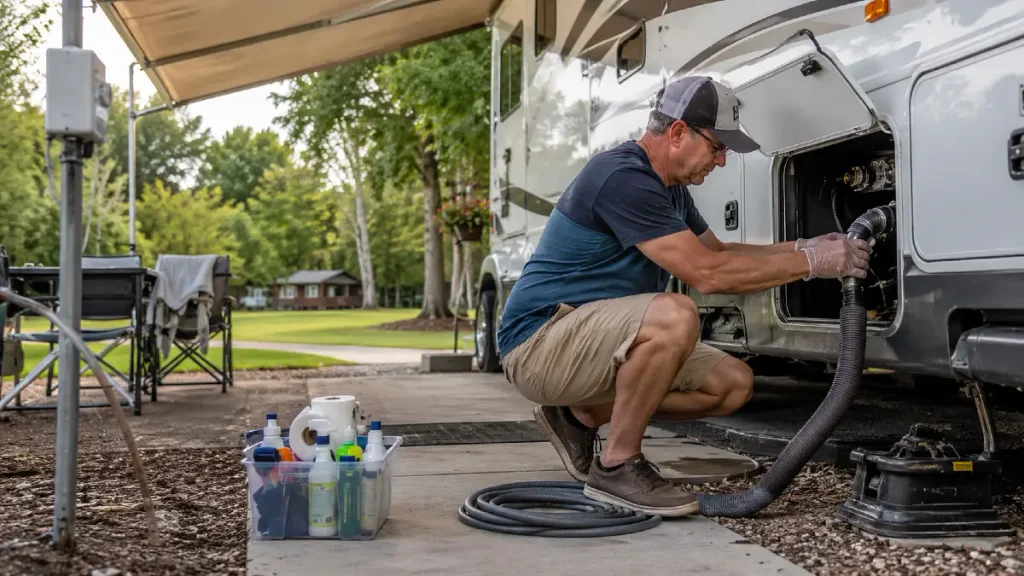
Your toilet, shower, sinks, and fresh water supply are connected to tanks with limits. Once you start living in the RV, checking those levels becomes as normal as checking the fuel gauge.
The fresh tank stores usable water when you do not have a water connection. The gray tank collects water from sinks and showers. The black tank holds toilet waste.
One common beginner mistake happens at campsites with sewer connections. It seems logical to leave the black tank valve open so waste can drain continuously.
Do not do that.
Thetford warns that leaving the black tank valve open during use can allow liquids to drain away while solids remain inside. Over time, that material can build up and create odor and blockage problems.
Keep the black valve closed during normal use. Give the tank enough liquid, then empty it according to your RV and sanitation system instructions.
And remember that a water connection does not give your gray tank unlimited room. Water can keep entering the RV while the waste tank beneath the shower continues filling.
Learning your tanks before the first long trip will save you from learning them during a very unpleasant emergency.
6. Water and Electricity Change Your Daily Habits
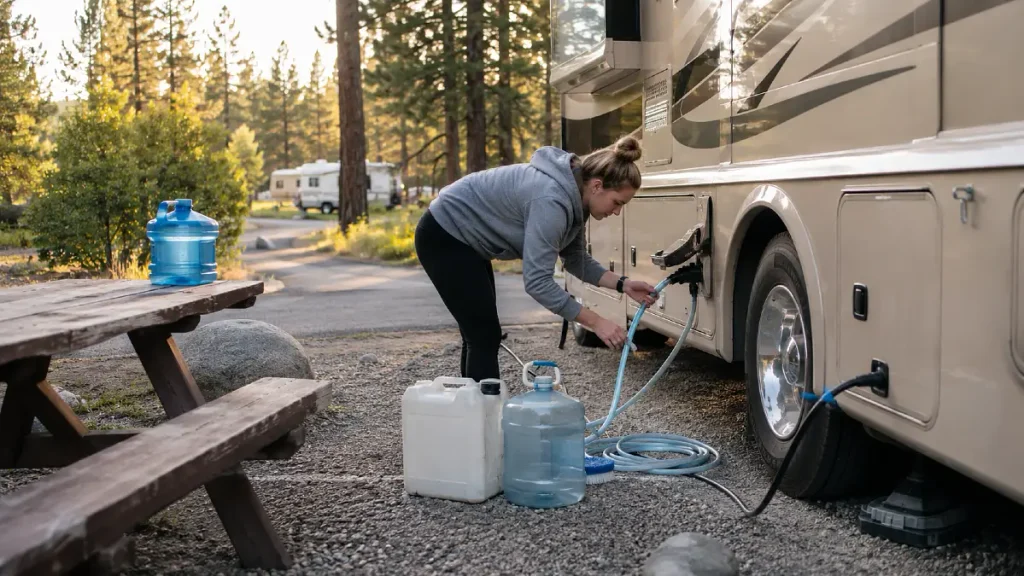
At home, most people do not think about how long they shower or how many appliances are running at once. An RV makes those limits much easier to see.
When you are using the fresh tank, every gallon matters. When you are connected to campground water, you still need to think about your plumbing and gray tank.
A water pressure regulator is a simple piece of equipment worth researching for your particular RV. Winnebago recommends a pressure regulator when connecting to campground water because excessive pressure can damage fittings and internal plumbing.
Electricity also requires more attention. Campgrounds may provide different types of electrical service, while remote camping may leave you depending on batteries, solar, or a generator.
The National Park Service recommends keeping shore power cords in good condition and using wiring suitable for the electrical load. It also recommends checking carbon monoxide and propane detectors.
Generator placement is especially important. The CDC says portable generators should run outdoors more than 20 feet from windows, doors, and vents.
Learning these limits turns power and water from daily worries into normal routines.
7. Working From an RV Requires an Internet Backup

A campground may advertise Wi Fi and still give you a connection that struggles with a video call. Your phone may show excellent service in one town and almost nothing twenty miles later.
That becomes more than an inconvenience when your income depends on being online.
Remote work is already part of RV ownership for many households. RVIA reports that 22 percent of RV households have someone working remotely, and 54 percent of those remote workers have worked from an RV.
Satellite internet has given travelers another option. Starlink currently markets its Roam plans for travel and camping, but it says the equipment needs an unobstructed view of the sky. A beautiful campsite beneath thick trees can therefore create its own connection problem.
If missing an online meeting would hurt your job, do not depend on one connection method.
A practical setup might include cellular data as one option and satellite service as another. The exact combination depends on where you travel and how much data your work needs.
Test your connection before an important call. Internet problems are far easier to solve at 8 a.m. than two minutes before a client meeting.
8. Maintenance Does Not Wait Until You Get Home
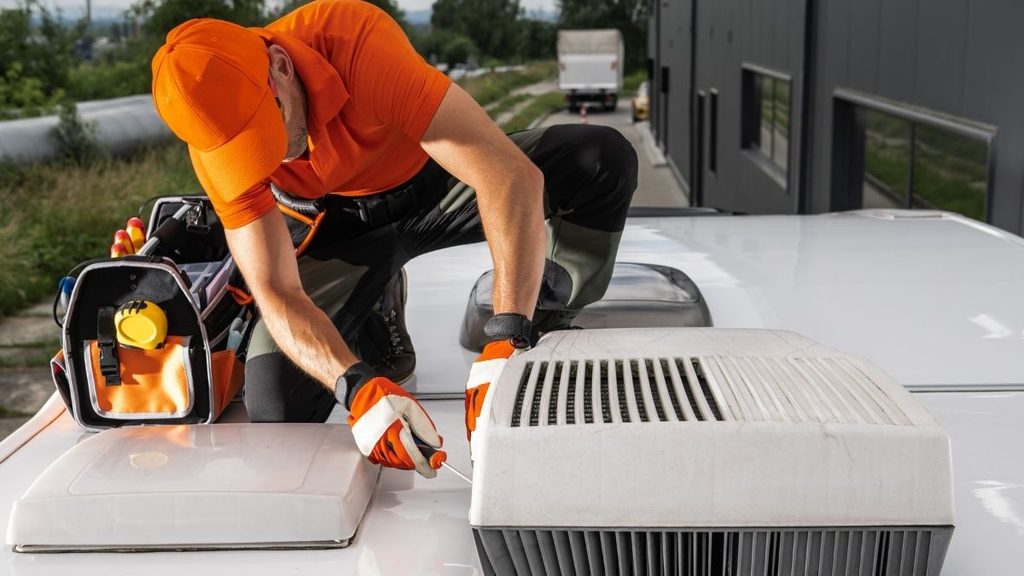
During vacation camping, you can sometimes tell yourself you will fix something when the trip ends. During full time RV living, the trip does not really end.
That changes your relationship with maintenance.
Small problems deserve attention because your RV spends thousands of miles shaking, flexing, heating, cooling, and sitting outside in the weather. Loose connections, worn seals, tire issues, plumbing leaks, and appliance problems do not care that you planned a sightseeing day.
The National Park Service advises RV travelers to check brakes and electrical connections and to make sure 12 volt connections, detectors, and electrical cords are in good condition.
Create a simple inspection routine based on the manual for your exact RV. Keep the manuals for major appliances accessible too.
Look for moisture, loose hardware, tire problems, strange smells, changing battery behavior, and anything that suddenly sounds different.
Also leave time in your schedule for service. A route packed with reservations can become stressful when a repair shop needs your RV for three days.
Maintenance is part of full time RV life. Planning for it makes it far less disruptive.
9. Vacation RV Insurance May Not Fit Full Time Living
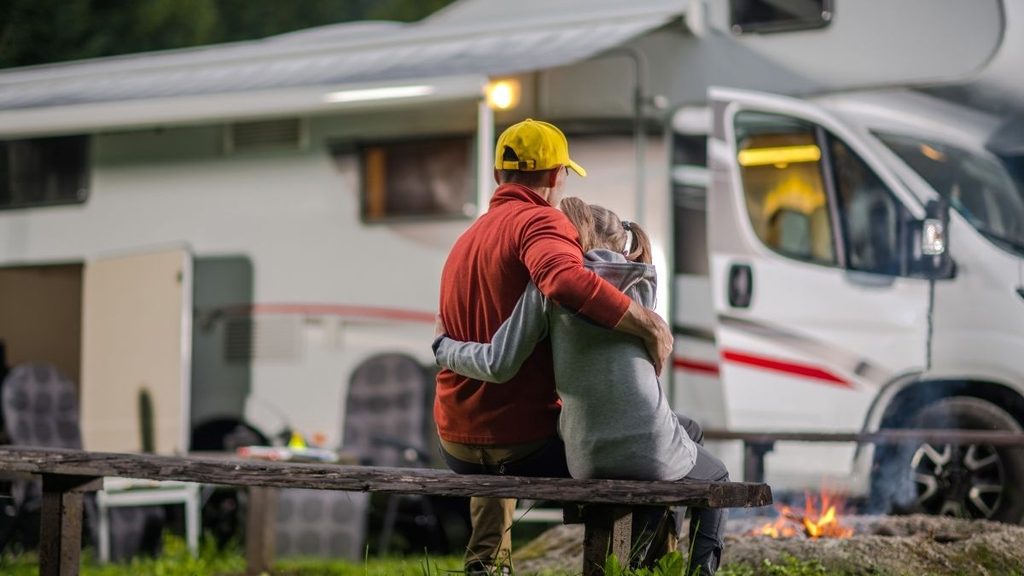
Insurance is easy to overlook because you probably already insured the RV when you bought it. The question is whether the policy matches the way you are using it now.
An RV used several weekends each year is different from an RV serving as your primary home.
Progressive says full time RV coverage is designed for people using an RV as a permanent residence, generally described by the company as living in it for more than six months of the year. Such coverage can add protection for issues such as personal liability and certain losses while the RV is being used as a home.
Policies differ by company and state, so ask specific questions.
Tell the insurer that you plan to live in the RV. Ask how your personal belongings are covered, what happens if someone is hurt around the parked RV, and whether emergency expenses are covered if the RV becomes unusable.
Check roadside assistance and towing terms too. Moving a large motorhome or fifth wheel is very different from towing a small car.
The cheapest policy is not useful if it was written for a different type of RV use.
10. You Still Need a Legal Home Base and Reliable Mail

Getting rid of a house does not remove your connection to paperwork.
Your driver’s license needs an address. Your vehicles must be registered somewhere. Banks, insurers, government agencies, voting systems, and other services may also need information about your legal residence.
Escapees, an organization that works with full time RV travelers, notes that domicile can affect driver’s licenses, vehicle registration, health insurance, auto insurance, bank accounts, and credit cards.
Mail is a separate problem. Even if most bills are digital, replacement cards, government documents, vehicle paperwork, and other important items can still arrive on paper.
Professional mail services can receive mail and forward it when requested. Escapees currently offers mail forwarding and domicile related address services in Texas, Florida, and South Dakota.
Do your research before choosing a state. Tax rules, registration rules, insurance availability, licensing requirements, and legal definitions can differ.
This is one part of full time RV life that is easier to solve before leaving your old address than after.
11. Weather Feels Different Inside a Small RV
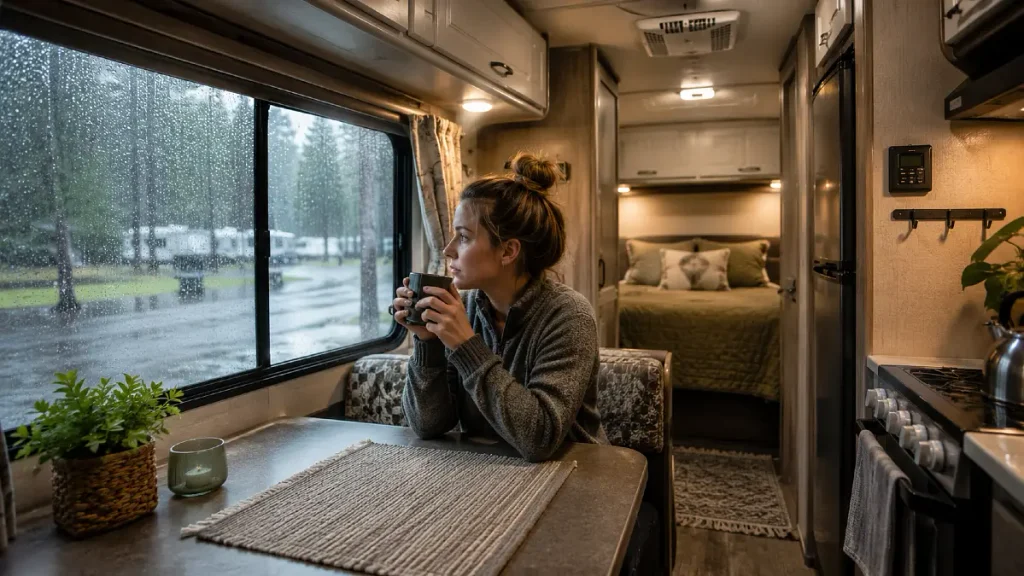
An RV gives you walls, heating, cooling, and a roof, but it still reacts quickly to the weather outside. A hot sunny site, cold mountain night, or week of rain can change how the whole space feels.
Moisture deserves special attention. Cooking, showering, wet clothing, and normal breathing all add moisture to a small interior, so ventilation becomes part of daily comfort.
Use roof vents when cooking and showering when conditions allow. Watch for moisture collecting around windows, cabinets, mattresses, and other places where air moves poorly.
Cold weather brings different problems. Water lines, tanks, batteries, propane use, and heating equipment may all need more attention depending on how your RV was built.
Your refrigerator can also care about how the RV is parked. Dometic says absorption refrigerators should be reasonably level during operation while the RV is stationary. They do not need to be perfectly level, but a noticeable slope can hurt cooling performance over time.
Know what equipment your RV actually has. Advice written for one refrigerator, heating system, or plumbing layout may not apply to another.
12. Moving Constantly Can Make RV Life Feel Like Work
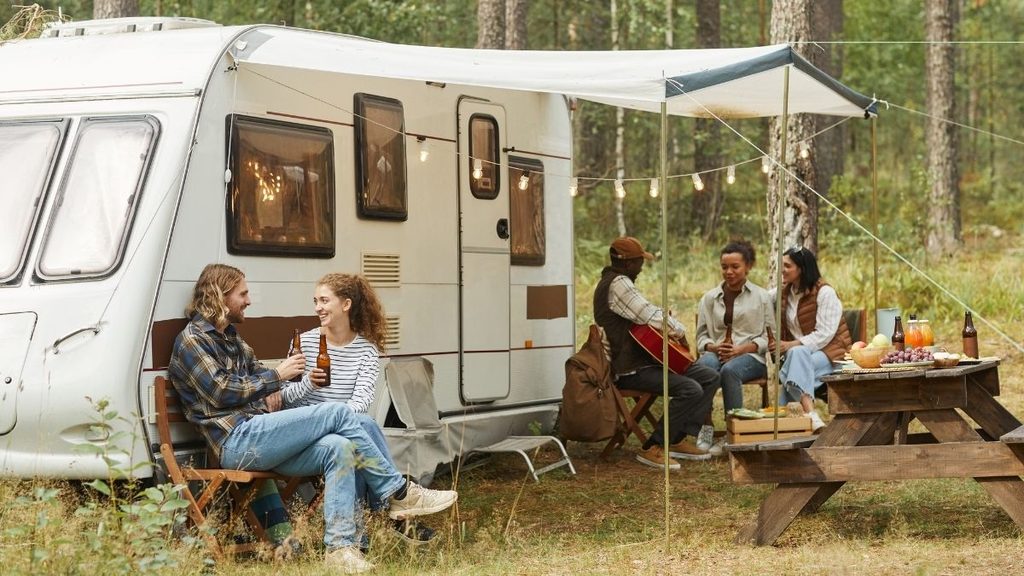
A new campsite every few days sounds exciting until you count everything that comes with moving.
You pack loose items, disconnect utilities, check the site, secure the RV, drive, stop for fuel, arrive, level, reconnect utilities, unpack, buy groceries, and start researching the next stop. Then you do it again.
There is nothing wrong with fast travel for a short period. It becomes tiring when every week is built around departure and arrival days.
Try slowing your schedule after the first burst of excitement. Staying longer gives you time for laundry, work, maintenance, groceries, exercise, and ordinary lazy afternoons.
It can also change how you experience a destination. You have time to visit the famous places without feeling that every hour must become an attraction.
KOA’s 2026 research found that 77 percent of surveyed campers agreed that simply being in nature was enough without extra organized activities. That fits well with a slower style of RV travel.
You bought an RV to gain flexibility. Do not accidentally create another schedule that leaves you exhausted.
13. Personal Space and Community Matter More Than Expected
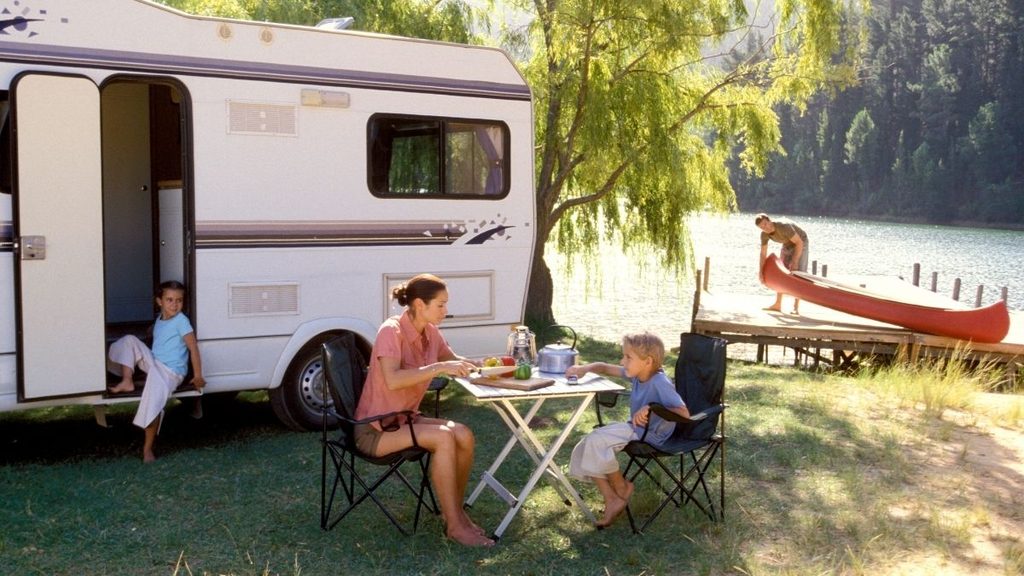
An RV can feel huge during the dealership tour and very small after two people have lived inside it during three rainy days.
You hear phone calls. You know when someone opens a cabinet. One person may want music while the other needs silence for work.
That does not mean couples should avoid full time RV life. It means personal space needs to be planned even when the physical space is limited.
Create small routines that give each person some independence. One person might work outside while the other uses the dinette. Separate morning routines, solo walks, headphones, hobbies, and occasional time apart can make the shared space easier to enjoy.
Solo RVers have a different problem. Privacy is easy, but regular social contact may require more effort.
Campground events, RV clubs, volunteer opportunities, local classes, hiking groups, and friendships with other travelers can help you build some regular connection.
Your RV may be your home, but it does not need to contain your entire life. The more reasons you have to step outside it, the larger full time living begins to feel.
What We Would Do Before Starting Full Time RV Life
Full time RV life becomes easier when you stop treating the RV like a permanent vacation and start treating it like a small home with wheels. Weight, water, power, maintenance, internet, paperwork, insurance, money, and relationships deserve as much thought as destinations.
You do not need to solve every possible problem before leaving. You should, however, know how your own RV works and have backup plans for the things that could stop your trip.
If possible, take an extended test trip before selling everything. Live from the RV for several weeks, work if you normally work, cook most meals, manage the tanks, do laundry, track every dollar, and resist the urge to run home when something becomes inconvenient.
That test can teach you more about full time RV life than another month of watching campground videos.