

Your first RV budget probably looked solid.
You counted the payment, insurance, campground rent, and fuel. You may have added food and a little money for fun. Then several months passed, and your bank balance started dropping faster than expected.
That is when the hidden costs of RV life become clear. A tire begins cracking. Your internet fails during a work call. A campground keeps your deposit after a repair changes your route. Then a water pump stops working.
Month 7 is not a magic deadline. It is simply when many new owners have enough road time for wear, weather, seasonal rates, and poor planning to catch up with them.
1. Campground Rates Rise When Your Travel Style Changes
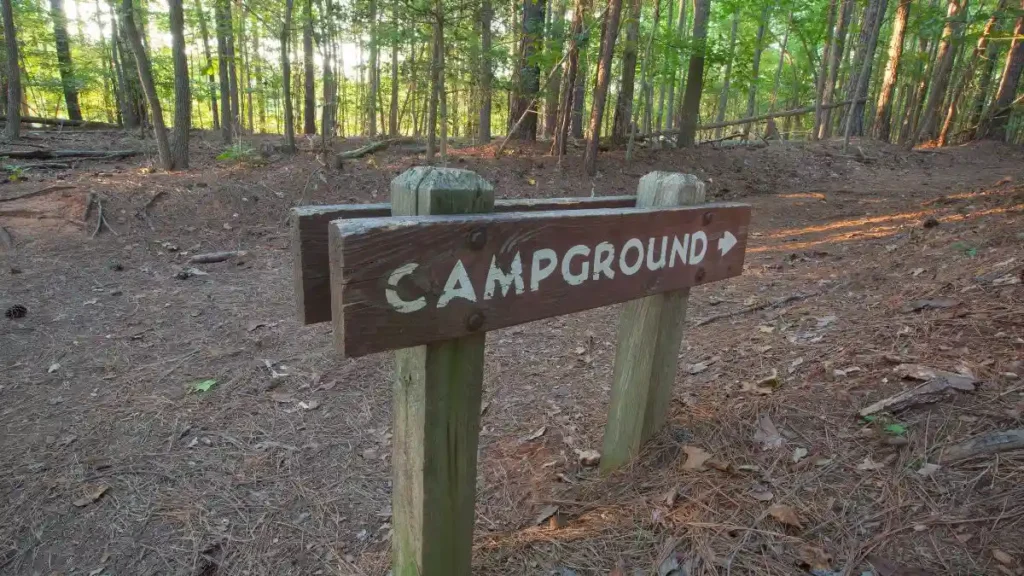
Cheap camping looks easy when you first plan RV life. You picture public land, basic campgrounds, and long monthly stays.
Real travel rarely stays that simple.
You may need hookups during extreme heat. You may want to stay close to a city, medical office, family member, or major attraction. Those needs reduce your cheap options.
Public campgrounds show how much the site type can change the price. Bryce Canyon lists RV campsites at $30 per night. Schoodic Woods Campground in Acadia lists sites from $30 for a small RV with basic electric service to $40 for water and electric service. Joshua Tree lists some campsites at $25 per night.
Private parks can cost more, especially when they include full hookups, pools, laundry rooms, or premium locations. KOA notes that rates change based on location, season, hookups, and amenities. A 2026 Bakersfield KOA offer, for example, advertised a $55 full hookup site during its promotion period.
Your listed rate may also exclude:
- Electricity during a monthly stay
- Extra adults or children
- Pets
- A second vehicle
- Premium site placement
- Resort or activity charges
Budget fix: Track your real average nightly cost every month. Include every campground charge, not just the advertised site rate.
2. Reservation Fees and Lost Deposits Punish Plan Changes

RV travel plans change all the time.
A storm can block your route. A repair can hold you in one town. Smoke, flooding, illness, or extreme heat can make the next stop a bad choice.
The campground may still keep your money.
Some parks offer a refund when you cancel early. Others keep a service fee, one night, or the entire deposit. Holiday bookings and special events often have stricter rules.
The loss may seem small when it happens once. It becomes a real budget problem when you change several bookings in one season.
You can also lose money by making several backup reservations because you are not sure where you will be. That feels safe, but only when you remember every cancellation deadline.
Budget fix:
- Save each cancellation deadline in your phone.
- Choose flexible rates during uncertain travel periods.
- Avoid booking several months ahead during repair season.
- Keep a small monthly category for lost deposits and booking fees.
The cheapest listed rate is not always the least expensive choice. A slightly higher flexible rate can save money when your route is likely to change.
3. Fuel Costs More Than the Mileage Calculator Shows
Most RV fuel estimates include the drive from one campground to the next.
They often leave out everything else.
You still need to reach grocery stores, laundromats, propane stations, repair shops, attractions, and trailheads. A missed turn can add several miles when you cannot make a quick turn in a large rig.
Generators also use fuel. So do repeated trips in a tow vehicle or car.
Fuel prices can change from one state or region to another. The U.S. Energy Information Administration updates national and regional gasoline and diesel prices each week, which makes it more useful than a fixed yearly estimate.
Your RV may also use more fuel when:
- You drive fast.
- You face strong headwinds.
- Your tires are low.
- You climb steep grades.
- You carry excess weight.
- You stop and start in heavy traffic.
Budget fix: Calculate fuel from every vehicle and generator. Review the total at the end of each month.
Slowing your travel pace often saves more than chasing the cheapest fuel station. You drive fewer repositioning miles and have more time to combine errands.
4. Tires Age Even When They Still Have Tread
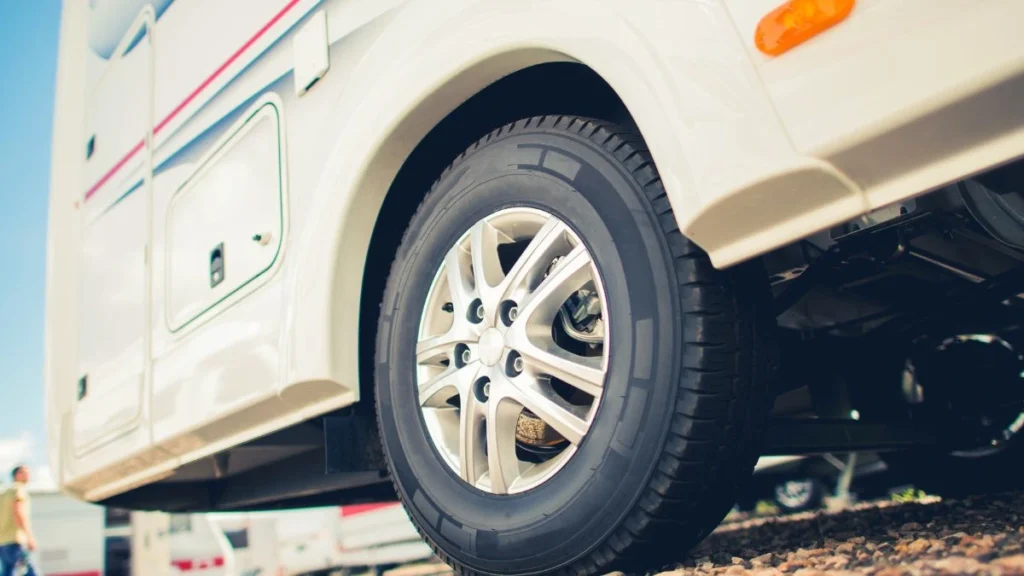
RV tires can look fine and still need attention.
Many RVs spend long periods parked. Their tires face sunlight, heat, moisture, heavy loads, and repeated pressure changes. This means tread depth is only part of the safety check.
Michelin recommends a close professional inspection after five years of use. It also recommends replacement by ten years from the manufacture date, even when tread remains. Tire condition and performance can require earlier replacement.
That bill can be painful because RV owners often need several tires at once. A motorhome may also need different service equipment than a passenger car.
Check for:
- Sidewall cracks
- Bulges
- Cuts
- Uneven wear
- Pressure loss
- Vibration
- Old manufacture dates
Michelin advises immediate professional attention for visible bulges and deep cuts that expose the inner material.
Budget fix: Put money into a tire fund every month. Do not wait for the inspection to begin saving.
A tire pressure monitoring system can warn you about pressure or temperature changes. It cannot replace regular visual checks.
5. Small Repairs Become a Normal Monthly Cost
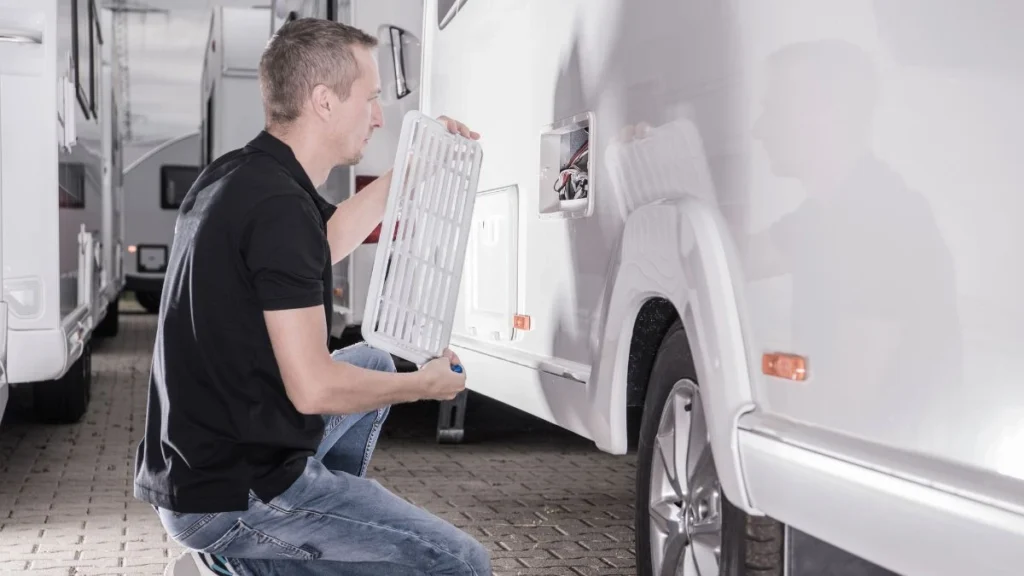
An RV is a vehicle and a small house joined together.
That means you have engine or towing parts, plus plumbing, appliances, electrical wiring, tanks, furniture, doors, windows, and roof seals.
Road vibration works on all of them.
A loose cabinet latch may cost very little. A failed refrigerator, slide motor, water heater, or roof seal can cost far more. Water damage can become especially serious when a leak stays hidden behind a wall.
The president of the RV Dealers Association has compared RV maintenance with home maintenance. Furnaces, plumbing, and other systems still need routine care, even though the home moves. Dealers may also split service work between the living area and the engine or chassis.
Common costs include:
- Sealant and roof inspections
- Water pump replacement
- Broken steps or latches
- Plumbing fittings
- Battery replacement
- Appliance service
- Slide adjustments
- Mobile technician travel charges
Budget fix: Keep two repair categories.
The first pays for routine work and small parts. The second is an emergency reserve for major failures.
Read your manufacturer’s service schedule. Keep receipts and dates in one folder. A small problem is easier to manage when you catch it before water, heat, or vibration causes more damage.
6. Insurance Changes When the RV Becomes Your Home

A policy built for weekend camping may not protect a full time home in the same way.
Your RV may hold laptops, clothing, kitchen gear, tools, outdoor equipment, and most of your personal property. You also have greater liability exposure when guests visit your campsite.
Progressive explains that full time RV coverage can include personal liability protection. It may also cover belongings, medical payments, roadside help, and emergency expenses, depending on the policy and selected options.
Do not compare policies by premium alone.
Ask these questions:
- Does the company know you live in the RV?
- How much personal property is covered?
- Is replacement cost available?
- What happens when the RV cannot be lived in?
- Are towing and roadside services included?
- Does the policy cover attached equipment?
- How large is the deductible?
Some Progressive full timer policies may offer higher emergency expense limits than vacation policies, but limits vary by state and coverage.
Budget fix: Review the policy each year and after any major purchase. Keep photos and receipts for valuable items stored inside the RV.
7. Reliable Internet Often Requires More Than One Plan

Campground Wi Fi can work well for light browsing.
It may struggle when a park fills up and dozens of guests begin streaming video. Trees, hills, distance from a tower, and local demand can also weaken cellular service.
That creates a serious problem when your job depends on video calls, uploads, or access to company systems.
Many remote workers end up paying for more than one connection:
- A primary cellular plan
- A second carrier for backup
- Satellite internet
- A router or signal equipment
- Extra data
- Coffee shops or work spaces during outages
Starlink’s Roam plans offer mobile service at different data levels, and current plan pages should be checked because prices and options can change. In 2026, available Roam tiers shown on Starlink support pages included different data allowances and prices.
The equipment is another cost. You may need a safe storage spot, power supply, mount, cable entry point, or weather protection.
Budget fix: Treat internet like rent when it supports your income. Test coverage before booking a long stay, and keep one backup that does not use the same network.
You may not need satellite service. But relying on one weak campground network is a risky way to protect a remote job.
8. Propane and Climate Control Create Seasonal Bills
A mild spring can make RV heating and cooling look cheap.
Then winter or summer arrives.
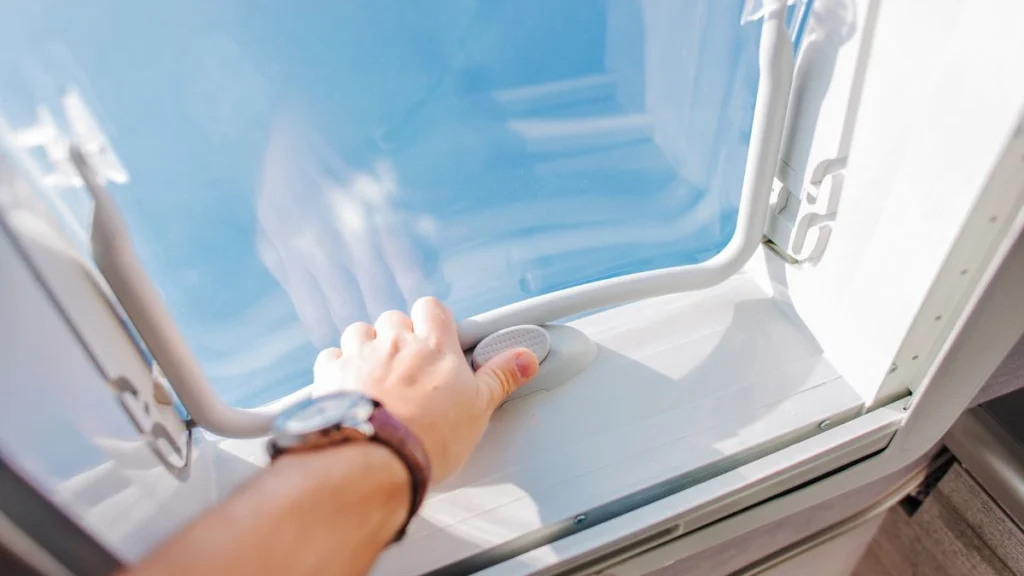
RV furnaces can use propane quickly during cold nights. Air conditioners may run for much of the day during hot weather. Some monthly RV parks charge electricity separately, so a low site rate may not include your full climate cost.
RV walls and windows usually provide less insulation than a standard house. Gaps around slides, doors, and storage areas can also let outdoor air enter.
You can reduce waste with:
- Reflective window covers
- Insulated vent cushions
- Clean air conditioner filters
- Repaired door seals
- Thermal curtains
- Shade
- A warmer or cooler travel route
Do not block required appliance vents. Do not use an outdoor heater inside the RV.
Budget fix: Create separate summer and winter estimates. A single yearly average can hide the months when propane or electricity use rises sharply.
Sometimes moving to a milder area is cheaper than fighting the weather. That choice will depend on fuel, campground rates, work needs, and your travel plans.
9. Laundry and Showers Stop Feeling Like Small Purchases
A few dollars for laundry does not seem important.
Then you wash clothes, towels, sheets, pet bedding, and heavy blankets every week. Several wash and dry cycles can turn laundry into a steady monthly bill.
Large machines may cost more. Dryers may need a second cycle when they run cool or hold heavy loads.
You also spend fuel reaching the laundromat. You may buy detergent in small containers because storage space is limited. Some public campgrounds also charge for showers or do not offer them at all.
You can lower the cost by carrying:
- Quick drying towels
- Lightweight bedding
- A small drying rack
- Concentrated detergent
- Fewer bulky fabrics
- Enough clothing for a full load
Budget fix: Record laundry spending for four weeks. Include machine fees, detergent, parking, and the drive.
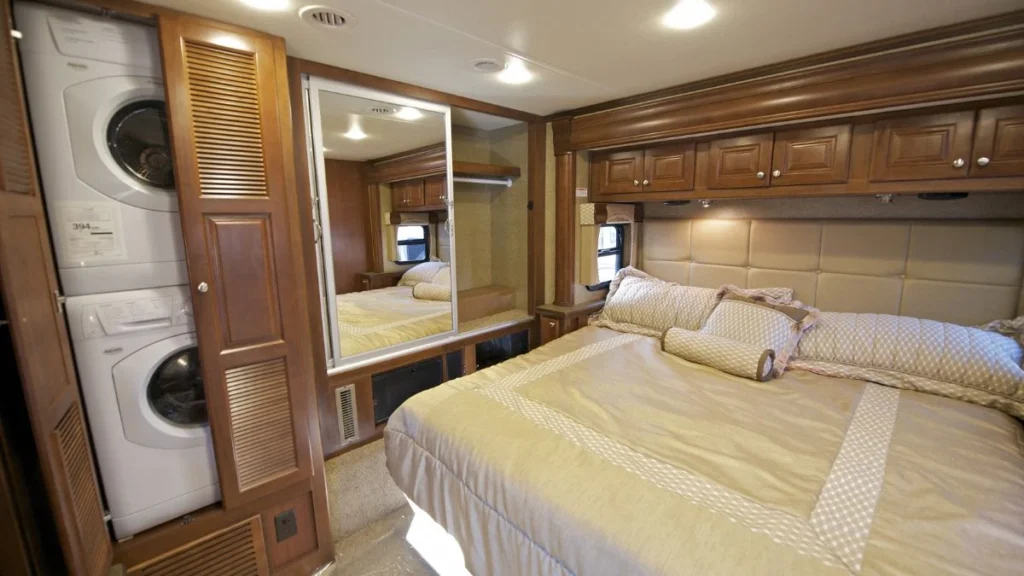
An RV washer can help in some large rigs, but it uses space, water, power, and cargo capacity. It is not automatically the cheaper choice.
10. Dump Stations, Water, and Tank Supplies Cost Money
You cannot assume every overnight stop includes a dump station and potable water.
Some public campgrounds have no hookups. Some dump stations are seasonal. Others are limited to registered guests or charge a separate fee.
Even when dumping is included, the equipment does not last forever.
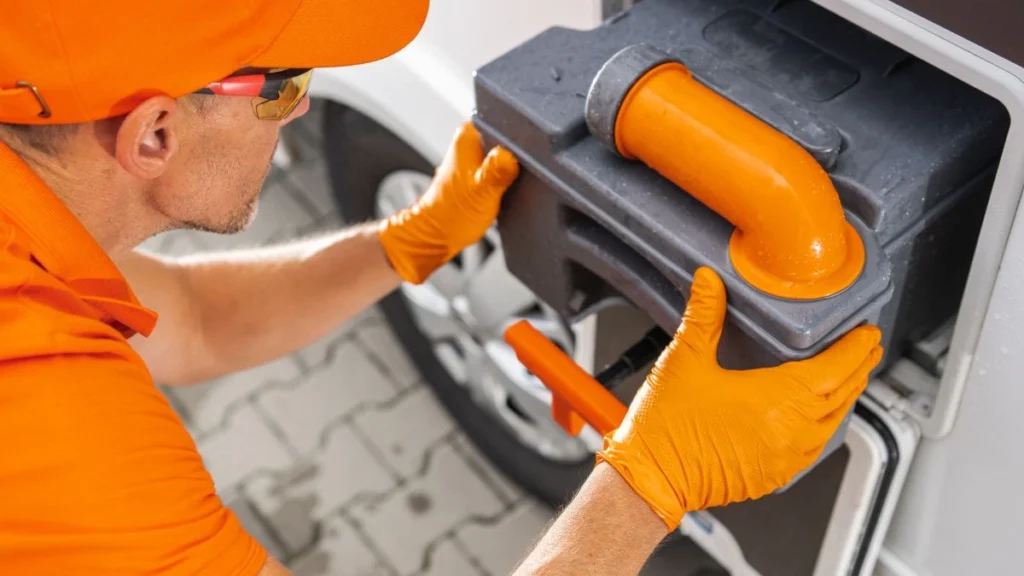
You may need to replace:
- Sewer hoses
- Hose seals
- Elbows
- Valve parts
- Drinking water hoses
- Water filters
- Pressure regulators
- Tank treatment
- Disposable gloves
Campground amenity pages show how much services can vary. National Park Service listings may include full hookups at one campground and only basic sites, vault toilets, or seasonal dump access at another.
A separate water or dump stop also uses fuel. It may take you far off your route.
Budget fix: Check water and waste services before leaving your current site. Combine dumping, water filling, fuel, propane, and groceries when possible.
Carry spare seals and basic fittings. A cheap fitting can prevent a frustrating delay when the nearest RV store is far away.
11. Mail, Packages, and a Legal Address Need a System

Living on the road does not end your need for mail.
Banks, insurers, government offices, health plans, and vehicle agencies may still send physical documents. You may also need prescriptions, replacement cards, repair parts, and online orders.
USPS Premium Forwarding Service Residential sends collected mail by Priority Mail on a weekly basis. It requires an enrollment fee and a weekly shipment fee.
Private mail services may offer:
- A mailing address
- Envelope scanning
- Mail opening
- Document scanning
- Package holding
- Forwarding to your current location
Each service can carry its own fee.
Campgrounds do not always accept guest packages. Some accept only major carriers. Others charge a handling fee or require your site number and arrival date.
Budget fix: Choose one reliable mail system before going full time. Learn which documents can be switched to online delivery and which still require a physical address.
Plan prescription refills early. Emergency shipping is usually more expensive than normal forwarding.
12. Breakdowns Can Create Three Bills at Once

A major breakdown is rarely one bill.
First, you may need a tow. Large motorhomes and trailers can require special equipment, so a basic car towing plan may not be enough.
Next comes the repair bill.
Then you may need a hotel, rental car, restaurant meals, pet boarding, or temporary storage while the RV is in a shop. Food in the refrigerator may spoil if power is lost.
This is why a breakdown can hurt even when insurance covers part of the damage.
Progressive notes that emergency expense coverage may pay certain hotel and travel costs after a covered event, subject to policy terms and limits. Full time policies may offer broader options than basic vacation coverage.
Before choosing roadside assistance, check:
- RV size limits
- Towing distance
- Trailer coverage
- Tire service
- Mobile mechanic access
- Winching
- Trip interruption benefits
- Pet related limits
- Number of yearly calls
Budget fix: Create a breakdown fund that can cover towing, lodging, food, and the insurance deductible at the same time.
A general emergency fund is helpful. A named RV breakdown fund is harder to spend on ordinary travel.
Quick Guide to the Hidden Costs of RV Life
| Hidden cost | Early warning sign | Smart budget response |
|---|---|---|
| Campgrounds | Cheap sites are unavailable on your route | Track your real nightly average |
| Lost deposits | Plans change after sites are booked | Record every cancellation deadline |
| Fuel | Monthly mileage keeps exceeding the plan | Count errands, generators, and detours |
| Tires | Cracks, age, or uneven pressure appear | Build a monthly tire fund |
| Repairs | Small faults happen every few weeks | Keep routine and emergency repair funds |
| Insurance | Your policy still describes vacation use | Ask about full time coverage |
| Internet | Work calls fail at busy campgrounds | Keep a second connection |
| Propane and power | Weather forces constant heating or cooling | Use seasonal budgets |
| Laundry | Bedding needs several paid machines | Track a full month of laundry |
| Water and waste | Free stations are missing from the route | Plan service stops before travel |
| Packages are delayed or refused | Use one reliable forwarding system | |
| Breakdowns | Roadside coverage has low limits | Save for towing, lodging, and repairs |
How to Build an RV Budget That Survives Month 7
Do not rebuild your budget from guesses.
Start with your last three months of bank and credit card statements. Sort every purchase into a real category.
Separate living costs from travel costs.
Living costs include food, insurance, phone service, health care, laundry, and personal items. Travel costs include fuel, campgrounds, tolls, reservations, attractions, and vehicle wear.
Next, create monthly sinking funds for bills that do not happen every month.
Your sinking funds may include:
- Tires
- Batteries
- Annual insurance
- Registration
- Roof and seal work
- Appliance repairs
- Internet equipment
- Emergency lodging
- Major service
- Medical travel
Divide the expected yearly amount by 12. Move that amount into savings each month.
Use real spending to set the number. Do not copy another traveler’s budget without checking how they travel. A couple moving twice a week will have different costs from someone staying in one park for two months.
When the budget feels too high, slow down before cutting safety items. Fewer travel days can reduce fuel, campground pressure, reservation losses, and wear at the same time.
Keep one extra margin for the things you cannot predict. An RV budget with no spare room is already broken.