You might be doing everything right for your heart during the day, but what happens to your cardiovascular system when the lights go out?
A healthy cardiovascular system requires a 10% to 20% drop in blood pressure overnight. Doctors call this “dipping.” When this fails to happen, it creates a dangerous condition called nocturnal hypertension. You wake up exhausted and at risk.
Medical data shows that 15% to 20% of people are “non dippers” and they do not even know it. We are uncovering 10 hidden factors sabotaging your nighttime recovery.
We will break down the most common nocturnal hypertension causes and show you exactly what is happening inside your body.
1. Undiagnosed Sleep Apnea (The Oxygen Thief)

You might think heavy snoring is just an annoyance for your partner. But it often hides a major threat to your heart.
Pauses in breathing cause sudden oxygen drops in your blood. Your brain panics and spikes adrenaline to wake you up just enough to breathe.
This sympathetic nervous system activation forces your blood vessels to constrict. That reaction drastically raises your blood pressure.
According to the American Heart Association, severe obstructive sleep apnea increases the risk of high blood pressure at night by two to three times.
2. A Bedroom That Is Too Warm

Piling on thick blankets feels cozy on a chilly night. But excessive heat stops your heart from resting.
Your body needs to drop its core temperature by about one to two degrees Fahrenheit to initiate deep sleep. A hot room fights this natural process.
It forces your heart to pump more blood to your skin to dissipate the heat. Think of your cardiovascular system like a car engine. Sleep is when it is supposed to idle.
Optimal sleep temperature falls between 60 and 67 degrees Fahrenheit.
3. Hidden Background Noise Pollution
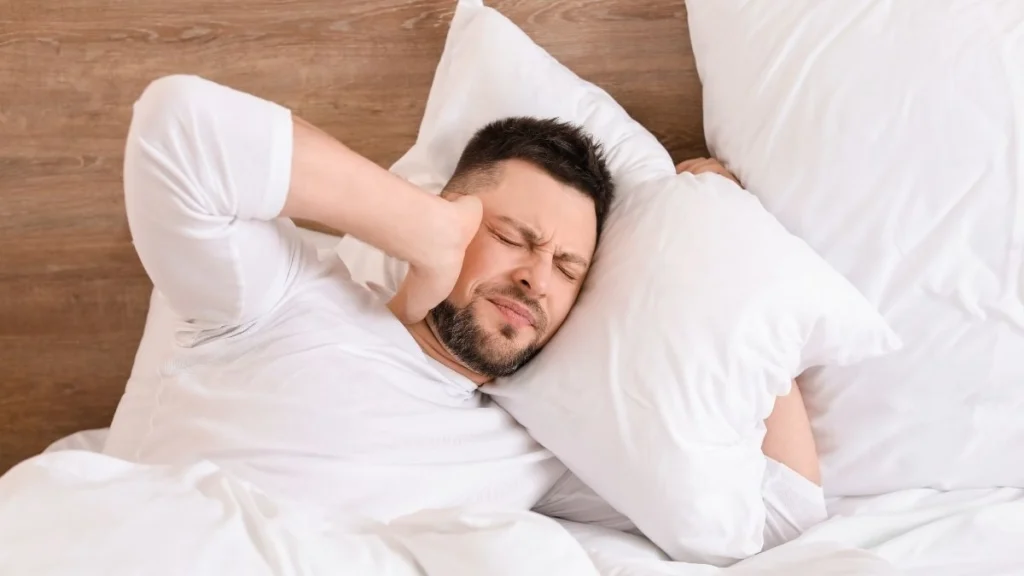
You might sleep right through the sound of garbage trucks or a snoring dog. Your brain still hears every single noise.
These sounds trigger micro arousals in your brain. Your auditory cortex registers the noise as a potential threat.
This spikes your cortisol levels and your blood pressure. World Health Organization data shows nighttime noise levels above 55 decibels strongly link to hypertension.
Your heart never gets the signal that it is safe to fully relax.
4. Late Night Salty Snacks

We all love a handful of chips while watching television. Your heart pays for that crunch later in the night.
Eating processed snacks right before bed floods your bloodstream with sodium. Your body holds onto water to dilute the extra salt.
This increases your overall blood volume. Pushing more liquid through your veins naturally increases the pressure inside them.
This completely stops your normal overnight cardiovascular rest. Learning how to lower blood pressure before bed starts in the kitchen.
5. The Relaxing Nightcap (Alcohol Rebound)

Pouring a glass of wine might help your eyelids feel heavy. The second half of your night will tell a different story.
Alcohol initially acts as a depressant to help you fall asleep. But your liver metabolizes the alcohol around 2 or 3 AM.
This triggers a massive sympathetic nervous system rebound. This chemical spike shoots your heart rate up and constricts your blood vessels.
If your blood pressure stays high, you are leaving your foot on the gas all night.
6. Ignoring a Full Bladder
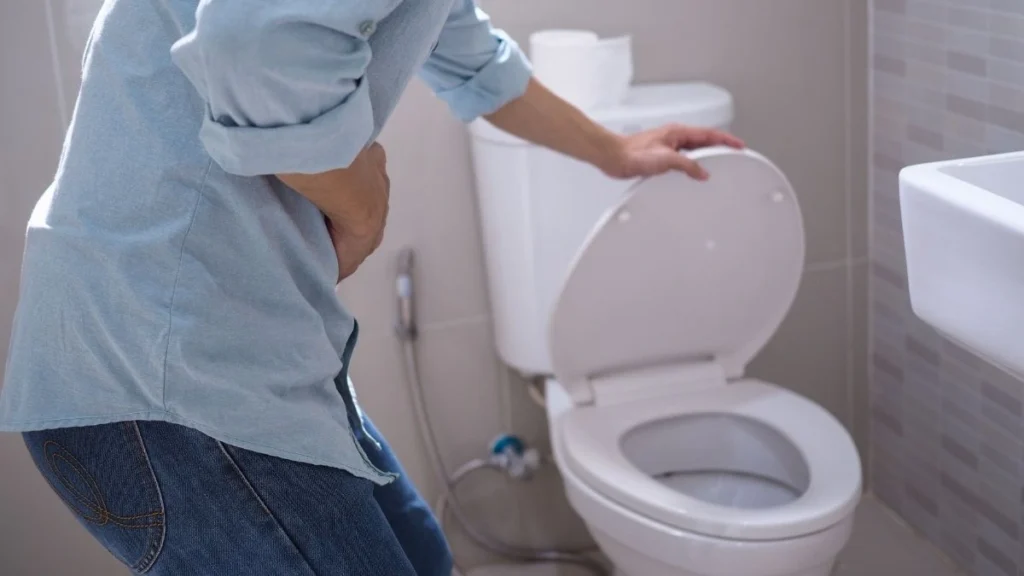
You wake up at 4 AM needing the bathroom but try to force yourself back to sleep. This choice actively stresses your heart.
Just like a hot room prevents your heart from resting, a full bladder sends panic signals to your brain.
Holding in urine sends low grade distress signals through your nervous system. The physical stretching of your bladder activates your fight or flight response.
This physically constricts your blood vessels and raises your blood pressure.
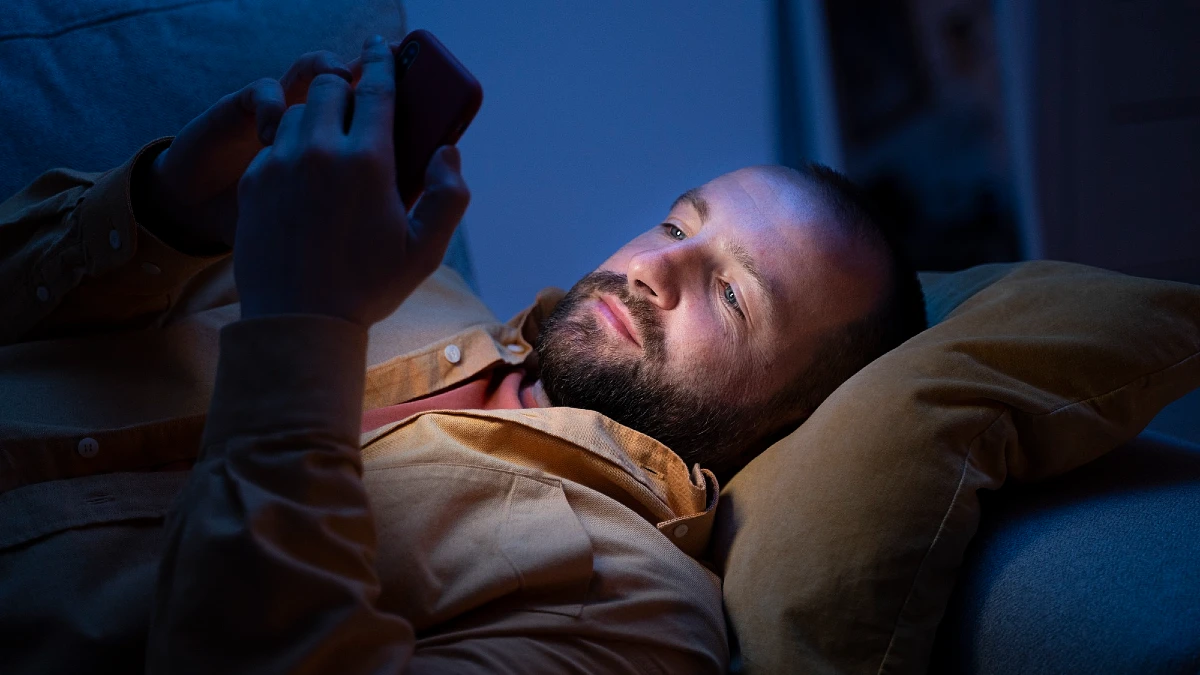
7. Your Smartphone on the Nightstand (The Silent Stressor)

This is the most common bedroom staple. Millions of people sleep with their phones just inches from their heads.
Even lying face down, your phone destroys your cardiovascular rest. The real danger comes from ambient blue light and notification anxiety.
Anticipating a text message or email keeps your brain highly vigilant. This completely prevents the deep sleep stages where your blood pressure naturally drops.
Even tiny amounts of light from a charging screen cause damage. A recent Northwestern Medicine study proved that even dim artificial light during sleep raises your heart rate and insulin resistance the next morning.
Your autonomic nervous system stays on high alert all night.
8. Going to Bed with Unresolved Stress (Rumination)

Staring at the ceiling while replaying an argument from work is a surefire way to ruin your rest.
Mentally rehashing your day keeps your brain locked in a fight or flight state. Your adrenal glands continue pumping out cortisol.
This stress hormone keeps your blood vessels tight and your heart beating faster. This mental loop is one of the biggest nocturnal hypertension causes.
Your body cannot distinguish between a real physical threat and a stressful memory.
9. Sleeping on Your Back

Lying flat on your back might feel great for your spine. It can create serious problems for your breathing and your heart.
Sleeping on your back allows gravity to pull the base of your tongue and soft palate downward. This narrows your airway.
Even if you do not have full sleep apnea, this increased breathing resistance forces your heart to work harder. Your body struggles to pull in enough oxygen.
This physical effort prevents your blood pressure from dipping.
10. Nighttime Decongestants and Medications

Reaching for cold medicine to clear a stuffy nose seems like a smart way to get some rest. Certain pills do the exact opposite.
Taking pseudoephedrine or specific pain relievers right before bed acts as a vasoconstrictor. This means the medicine physically narrows your blood vessels.
Pushing blood through smaller tubes requires more force. Your heart has to pump much harder all night long just to keep blood flowing.
Conclusion
Nighttime should be a period of cardiovascular repair, not stress. Your heart deserves a break.
By adjusting your room temperature, skipping the late nightcap, and banishing the smartphone, you can reclaim your rest. You hold the power to take control of these silent triggers.
Addressing these small habits eliminates the most common things raising blood pressure while sleeping.