

You might be swallowing a small fortune in supplements every morning. But if you are over 50, your body might not be absorbing any of them.
As we age, our stomach acid decreases by up to 40 percent. Digestion slows down completely. Our natural ability to break down pill form nutrients plummets. Taking a handful of vitamins with your morning coffee blocks absorption.
You need to learn the best time to take vitamins after 50. We will look at precise biological windows to take seven crucial vitamins. This guide uses recent pharmacokinetics research to improve your vitamin absorption timing.
1. Vitamin B12: The Empty Stomach Essential
Most people take B12 with their breakfast. But if you are over 50, your scrambled eggs are actually getting in the way.
Because your stomach produces less acid, it struggles to break down dense foods. Aging destroys B12 absorption due to a lack of intrinsic factor. This is a specific protein needed to absorb the vitamin in your gut.
Up to 30 percent of adults over 50 struggle to absorb B12 from food. Food bound B12 requires strong stomach acid. Synthetic B12 supplements bypass this step entirely. You need to organize your morning vs night vitamins routine to boost vitamin B12 absorption.
2. Vitamin D3: The Fat Dependent Hormone
Swallowing Vitamin D3 with just a cup of black coffee guarantees you will flush it right out.
Unlike water soluble vitamins, D3 requires dietary fat to pass through your intestinal walls. Older adults naturally synthesize less D3 from sunlight. You rely heavily on supplements to maintain bone health.
But D3 is fat soluble. Taking it with a dry bagel means you excrete it. Studies show taking Vitamin D with a fat containing meal increases absorption by 32 percent compared to a fat free meal.
Pick the right meal to perfect your vitamin absorption timing. Finding the best time to take vitamins after 50 means pairing them with healthy fats like:
- Olive oil
- Avocados
- Nuts and seeds
- Fatty fish like salmon
3. Calcium: The Divided Nighttime Mineral
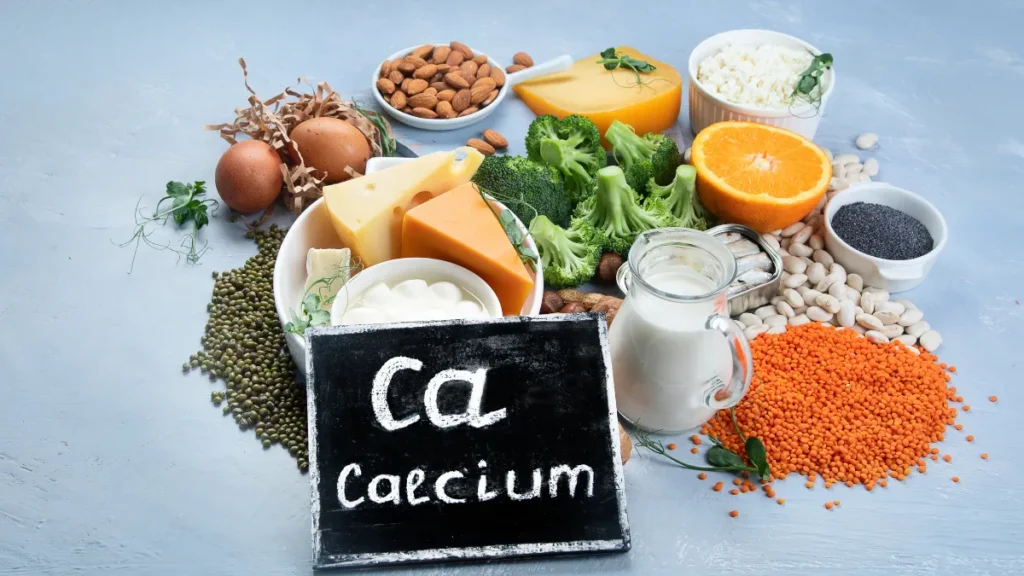
Popping a single large calcium pill in the morning is the worst way to protect your bones.
Because your digestive tract can only process so much at once, excess minerals get left behind. Your body cannot absorb more than 500mg of calcium at one time.
The body absorbs less than 20 percent of a 1000mg calcium pill taken all at once. You must split the dose. Calcium levels in your blood naturally drop at night. Getting your supplements for older adults right means separating the doses.
You need to plan your morning vs night vitamins carefully to avoid bone loss.
4. Magnesium: The Sleep Anchor

Taking magnesium right after your morning cereal can leave you feeling sluggish all day.
Since this mineral relaxes your central nervous system, timing it with your circadian rhythm changes everything. Magnesium is crucial for over 300 biochemical reactions. It also activates Vitamin D.
But roughly 50 percent of older adults consume less than the estimated average requirement. Taking magnesium and calcium at the exact same time causes them to compete for absorption. Perfect your vitamin absorption timing by moving this to the evening.
Forms like Magnesium Glycinate cross the blood brain barrier easily. This promotes deep sleep instead of stomach upset. Prioritize your night vitamins effectively.
5. Zinc: The Immune Booster That Hates Calcium

Taking zinc on an empty stomach will likely make you incredibly nauseous.
Because zinc is a highly reactive metal, it competes aggressively with other minerals in your gut. Zinc is essential for immune function and wound healing in older adults. But severe absorption competition happens constantly.
Calcium and iron actively block zinc absorption. Zinc absorption kinetics peak at 150 minutes post ingestion. But this only happens if the gastrointestinal pathway is clear of competing minerals. You need to balance these supplements for older adults carefully.
Improve your vitamin absorption timing to get the full immune benefits.
6. Vitamin C: The Staggered Protector

Gulping down a massive 1000mg Vitamin C pill means you are just creating very expensive urine.
Because your kidneys filter out excess water soluble nutrients rapidly, large single doses get flushed away quickly. Vitamin C is water soluble. Your body flushes what it does not immediately use.
The body absorption capacity for Vitamin C plummets by 50 percent when doses exceed 1000mg. It does help you absorb plant based iron. You must stagger your doses. Finding the best time to take vitamins after 50 means spacing them out.
Recent studies suggest evening doses even support cardiovascular health. Master your morning vs night vitamins routine.
7. Iron: The Solo Mineral
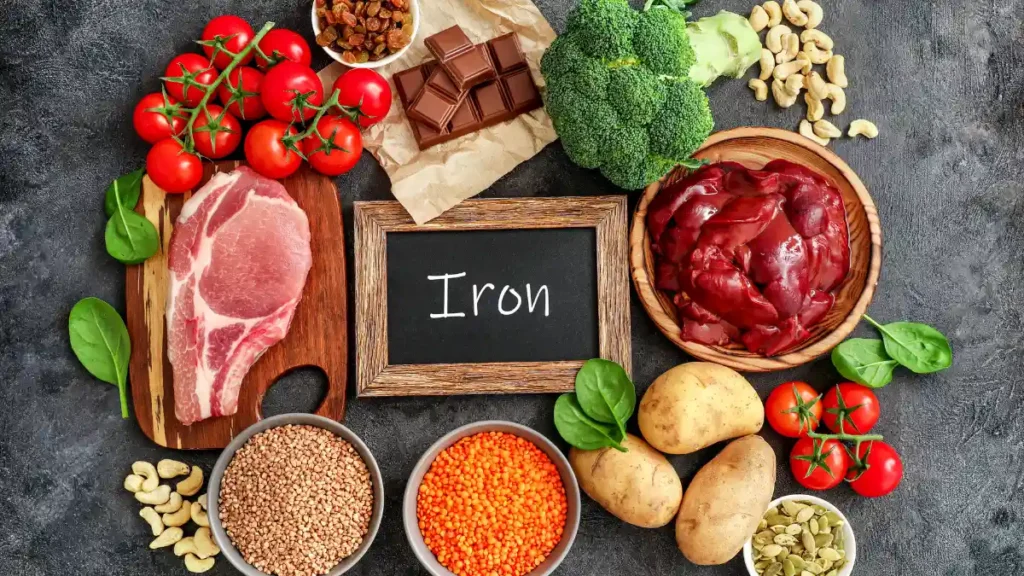
Most people over 50 take iron without realizing it is actively blocking their other daily vitamins.
Because iron oxidizes quickly in the digestive tract, it binds to other substances and becomes useless. Most adults over 50 do not need iron. You only need it if specifically prescribed by a doctor for anemia.
Iron is a highly reactive mineral. It blocks other nutrients and can cause severe constipation. Tannins in coffee and tea reduce iron absorption by up to 80 percent. This mineral needs complete isolation.
Managing your supplements for older adults requires serious care here. Optimize your vitamin absorption timing to avoid digestive issues.
Morning vs Night Quick Cheat Sheet
| Time of Day | Vitamins to Take | Important Notes |
| Morning | B12 and Half Calcium | Take B12 on an empty stomach. |
| Midday Meal | Zinc and Vitamin C | Avoid dairy if taking zinc. |
| Dinner | Vitamin D3 | Eat with healthy fats. |
| Nighttime | Magnesium and Half Calcium | Take Magnesium 1 to 2 hours before bed. |
Conclusion
Timing is not just a suggestion. It is the biological key to accessing the value of the money you spend on supplements.
Take water soluble vitamins on an empty stomach. Pair fat soluble vitamins with meals. Split up the heavy minerals so they do not compete. Review your current pill organizer tonight.
Shift your B12 to your nightstand for the morning. Move your Vitamin D to the dinner table. Recommend using a timed pill organizer or setting smartphone alarms to separate your doses.