

You sit on the exam table. The arm cuff deflates. Your doctor smiles and declares your blood pressure a perfect 120 over 80. You breathe a deep sigh of relief. You think you are completely safe from a stroke. But a critical piece of the puzzle is missing.
Standard daytime clinic readings only capture a single snapshot of your cardiovascular health. They entirely miss the eight hours when your stroke risk can silently skyrocket. This hidden danger happens while you sleep.
In this guide, you will discover the nighttime dip. You will learn why its absence is a massive stroke predictor. We will cover the specific nighttime blood pressure stroke risk factors that standard tests ignore.
The Nighttime Dip: The Stroke Predictor Most Miss

When you fall asleep, your body enters a natural resting state. Your blood pressure should drop by 10 to 20 percent. Doctors call this the nighttime dip.
But for millions of adults, this vital rest period never arrives. Doctors call these people non dippers. Their blood pressure stays high all night. Some are even reverse dippers, meaning their pressure actually rises while they sleep.
According to a 2023 study by cardiovascular researchers, individuals with elevated nighttime blood pressure but normal daytime readings face extreme danger. They are 38 percent more likely to experience a serious cardiac event or stroke.
Think of your blood vessels like plumbing pipes. If the water pressure stays cranked to maximum all night, the pipes wear out much faster. If your blood pressure fails to dip, your brain arteries never recover from the stress of the day.
The American Heart Association states that a healthy nighttime blood pressure should fall below 110 over 65. When it stays above this mark, your cardiovascular system works overtime.
Your heart pumps harder against stiff arteries. This constant physical wear and tear directly increases your nighttime blood pressure stroke risk.
Two More Hidden Metrics: Pulse Pressure and Variability
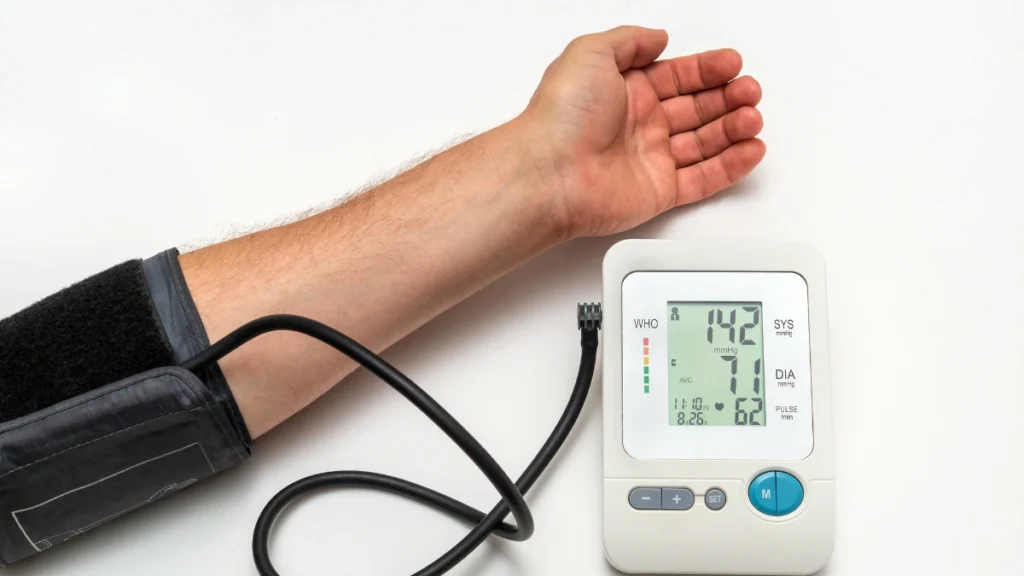
Nocturnal pressure is not the only blind spot in your annual physical. Two other numbers tell a deeper story about your arterial health.
We must separate these two concepts so you know exactly what to watch for:
- Pulse pressure: The gap between your top and bottom numbers. Normal is around 40. A gap consistently over 60 indicates stiff arteries and a major pulse pressure stroke risk.
- Blood pressure variability: Wild daily or hourly swings in your readings. These sudden spikes and drops damage blood vessels over time.
These two hidden metrics work alongside your nocturnal readings to paint a complete picture. This proves exactly why a single doctor visit provides an incomplete assessment of your true health.
Why Standard Doctor Visits Miss the Red Flags

It is incredibly frustrating to follow the rules and still miss hidden dangers. But it is not your fault. The standard medical model simply lacks the tools to catch this condition.
You might already know about the white coat effect. This is when your anxiety at the clinic makes your numbers read artificially high. But the exact opposite is much more dangerous. Doctors call it masked hypertension.
Masked hypertension happens when your daytime clinic measurements look completely normal. Meanwhile, your daily living readings are dangerously high.
Standard physicals do not screen for this hidden threat. Because of this gap, up to 15 percent of adults aged 40 to 75 have undiagnosed nocturnal hypertension.
Measuring your numbers once a year at ten in the morning is a flawed strategy. It is exactly like trying to comprehend an entire movie by looking at a single frame.
Over 80 percent of stroke patients exhibit elevated pressure levels, proving we need better screening. You must advocate for yourself to get proper dynamic testing.
What to Ask For: The 24 Hour Ambulatory Monitor
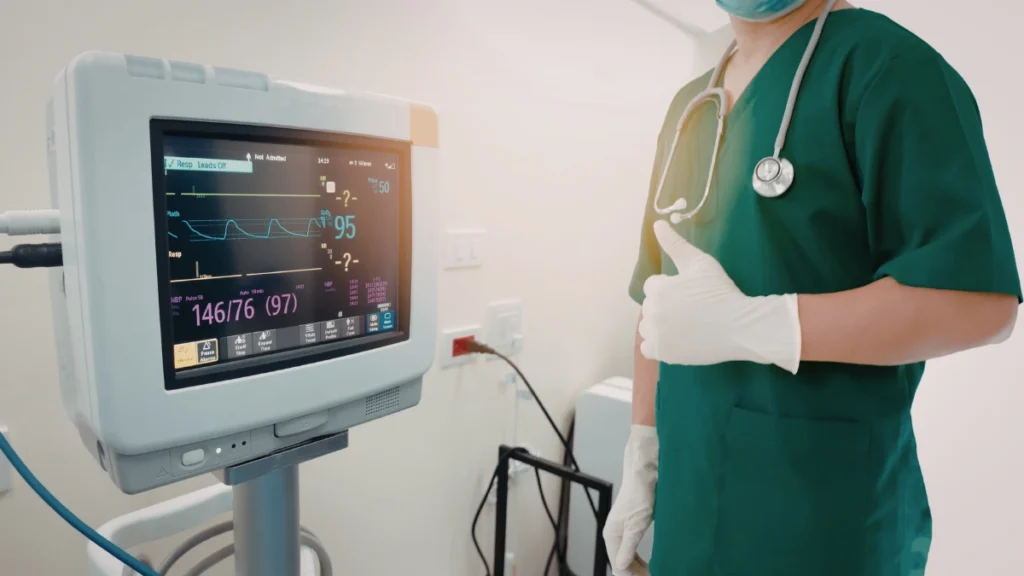
The solution to this massive blind spot is the 24 hour ambulatory blood pressure monitor.
This clinical device is painless and completely non invasive. You simply wear a portable cuff home from the clinic. The device inflates automatically every 20 to 30 minutes during the day. It then measures you every 30 to 60 minutes at night while you sleep.
You bring the device back the next day. Your doctor downloads the data to see your true cardiovascular rhythm. This gives them a literal map of your stroke risk.
If your clinic lacks this equipment, modern FDA cleared home smart cuffs from brands like Withings or Omron feature sleep tracking and nocturnal measurement tools.
Do not wait for your doctor to offer this test. You need to ask for it directly. This is especially true if you have sleep apnea, kidney disease, or unexplained morning headaches. Use this exact script at your next appointment:
“Doctor, given my family history of stroke, I am concerned about masked hypertension and my nighttime blood pressure. Can we order a 24 hour ambulatory blood pressure monitor?”
Actionable Steps to Fix Nocturnal Blood Pressure

Finding out you have nocturnal hypertension is only half the battle. The good news is that this condition is highly treatable.
Once you see the data from your monitor, your doctor can help you adjust your routine. Here are the three main interventions to lower your numbers at night:
- Sleep Apnea Screening: Obstructive sleep apnea is the number one driver of high pressure at night. When you stop breathing in your sleep, your body panics and spikes your pressure. Treating this with a CPAP machine often fixes the entire issue.
- Medication Timing: Doctors call this chronotherapy. Simply moving one of your existing blood pressure medications to bedtime can drastically improve your nighttime dip.
- Evening Sodium Restriction: Eating high salt meals at dinner forces your cardiovascular system to work overtime. Your kidneys must filter the sodium while you sleep, which keeps your pressure elevated. Stop eating salty foods after lunch.
These simple changes can completely reverse your nighttime blood pressure stroke risk. Always remember that any medication changes should only be done in strict partnership with your doctor.
| Target Keyword | Keyword Type | Recommended Placement | Frequency Goal |
|---|---|---|---|
| Nighttime blood pressure stroke risk | Primary | Title, Intro, H2, Conclusion | 3 to 4 times |
| 24-hour ambulatory blood pressure monitor | Secondary | H2, Body paragraphs, Call-to-Action | 2 to 3 times |
| Pulse pressure stroke | Secondary | Dedicated H2 section | 1 to 2 times |
| Blood pressure variability | Secondary | Intro, Dedicated H2 section | 1 to 2 times |
Conclusion
A reading of 120 over 80 in the clinic is great. But it is not a free pass if your nighttime pressure is silently damaging your arteries.
You need the full picture to protect your brain and heart. Standard checkups simply leave too much to chance. Take control of your health today by asking the right questions.