

For 30 years, standard medical advice has accidentally allowed heart disease to brew silently in younger adults. Millions of people were told their cholesterol was fine for their age. Then they suffered preventable heart attacks years later.
But here is the problem. The medical community relied on a 10 year risk model. This old model completely ignored the compounding lifetime damage of elevated LDL cholesterol. It left younger adults exposed to massive heart disease risk.
But things have finally changed. Today we are breaking down the newly released March 2026 ACC/AHA Dyslipidemia Guidelines. You will see why the strict new LDL cholesterol cutoff matters.
Why the Old Cholesterol Approach Failed Us
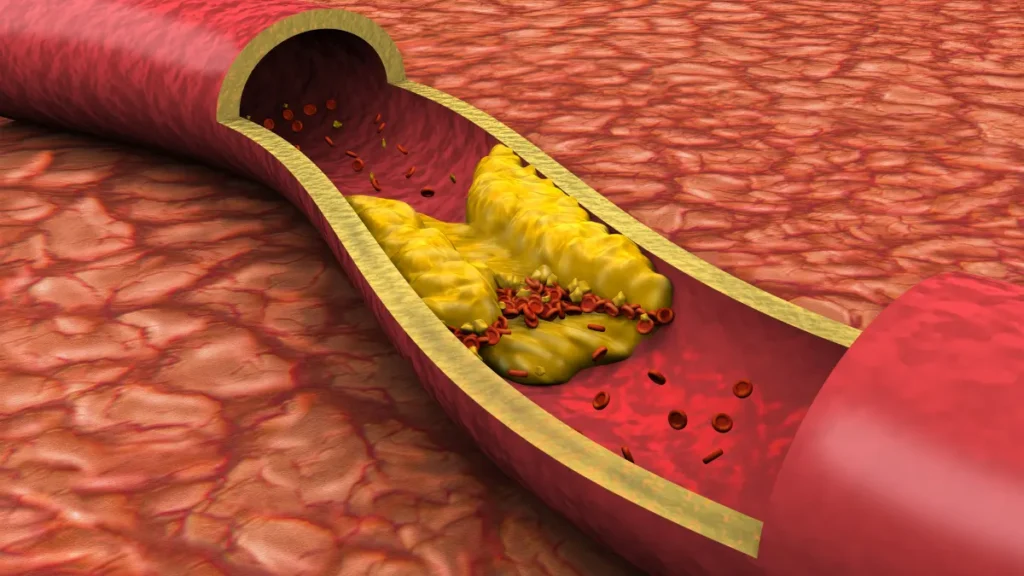
Leaving high cholesterol untreated in your 30s is like ignoring a leaking pipe. A few drips today seem harmless. A decade later your whole house is flooded. Plaque buildup in your arteries works exactly the same way. This buildup is called atherosclerosis. It is strictly cumulative.
But here is where the medical system failed you. Doctors used the ASCVD risk calculator. This tool only looked 10 years ahead.
If you were 35 with high cholesterol, your 10 year risk of a heart attack was very low. Because of this short window, doctors rarely prescribed treatment. They just told you to watch your diet.
This wait and see approach allowed plaque to harden over decades. Right now 29 percent of adults aged 25 to 34 already have elevated cholesterol. Yet only about half of adults under 40 actually get tested.
The March 2026 AHA/ACC statements make a firm correction. Their new medical philosophy is clear. Lower for longer is better.
We must stop lifetime exposure to bad cholesterol before the damage becomes permanent. That is why the strict new LDL cholesterol cutoff is strictly enforced.
The New Cholesterol Guidelines 2026: What Are the New Cutoffs?

The new cholesterol guidelines 2026 finally establish hard targets again. Doctors are no longer guessing what healthy looks like. They have exact numbers to hit. For decades, the medical field debated the best approach for primary prevention. Now the science is settled.
Here are your new strict targets:
LDL Cholesterol
Risk-Stratified Targets
Low / Intermediate Risk
If you fall into this baseline category, your target is strictly <100 mg/dL to maintain optimal long-term cardiovascular health.
High Risk
With elevated risk factors (such as diabetes or severe hypertension), your target is strictly <70 mg/dL to halt arterial plaque progression.
Very High Risk
Your target has officially dropped to <55 mg/dL. This incredibly strict threshold applies directly to anyone with existing heart disease or prior events.
Think about it this way. Why does <55 mg/dL matter so much now? It all comes down to shrinking and stabilizing the dangerous plaque inside your arteries. The recent Ez PAVE trial proved this beautifully.
This major study showed that dropping LDL below 55 mg/dL reduced major cardiovascular events by 33 percent. This includes nonfatal heart attacks.
This massive reduction was compared to the old 70 mg/dL target. The problem is that most people are failing to hit even the old numbers. Only 1 in 3 high risk patients currently meet the old 70 mg/dL goal according to the Gould Registry.
Cardiologist Dr. Yu Ming Ni strongly supports this aggressive new LDL cholesterol cutoff. He points directly to the Ez PAVE trial results to show how lower numbers physically stop arteries from clogging further.
Say Goodbye to ASCVD: Meet the PREVENT Risk Calculator
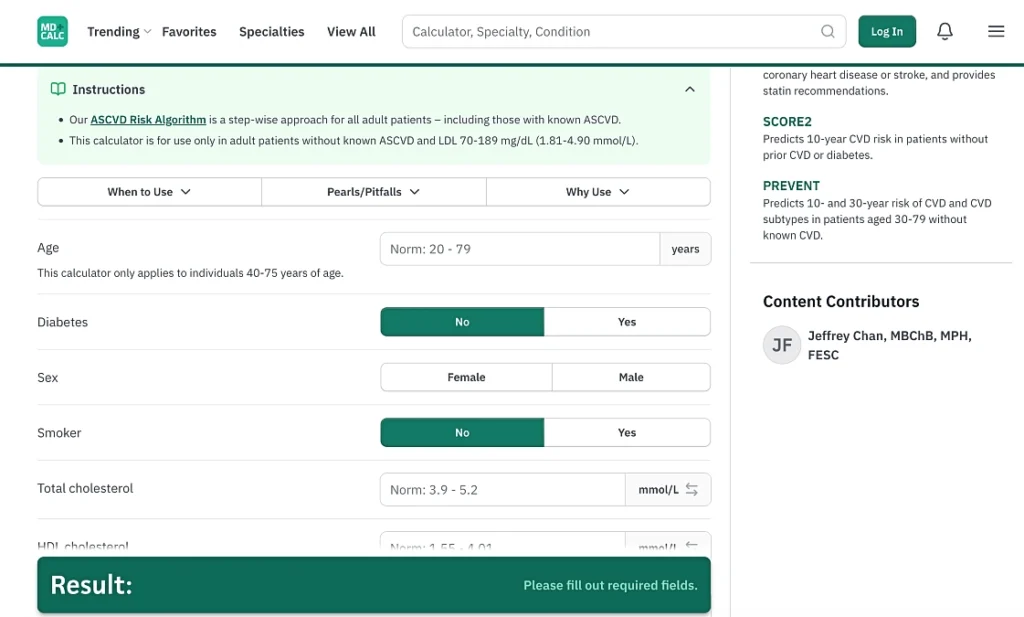
If your doctor is still using the ASCVD calculator, they are using outdated math. That old formula missed the big picture. The medical field has officially moved on.
Say hello to the American Heart Association PREVENT risk calculator. PREVENT stands for Predicting Risk of Cardiovascular Disease EVENTs. This tool completely changes how doctors treat your heart.
The old tool just calculated your 10 year risk. PREVENT calculates your 30 year risk. This massive change allows doctors to identify high risk patients as early as age 30. They no longer have to wait until you are 50 or 60 to start caring about your arteries.
This new tool assesses adults ages 30 to 79. This makes it highly relevant to Millennials and Gen Z adults right now. The PREVENT risk calculator also looks at your whole body. It factors in broader health metrics like your body mass index and kidney health.
This gives your doctor a much better view of your true 30 year risk of heart disease. The new cholesterol guidelines 2026 rely heavily on this exact tool.
Beyond Standard Lipids: Why You Need ApoB and Lp(a) Testing
Standard lipid panels are a relic of the past. Checking just your Total, HDL, and LDL is no longer enough. The science has advanced. You need more precise blood tests to truly know your risk.
The first test is for Lipoprotein(a). We usually just call this Lp(a). This specific protein is entirely genetic. High levels significantly raise your heart attack risk regardless of your healthy lifestyle.
The new guidelines state every adult must test for this at least once in their life. You cannot fix it with diet. You just need to know if you have it.
The second crucial test is the ApoB test. Apolipoprotein B measures the actual number of plaque causing particles in your blood. Standard tests just measure the total weight of the cholesterol.
The ApoB test counts the exact number of dangerous particles crashing into your artery walls. It is a far more accurate predictor of heart disease than standard LDL.
Half of the people with high LDL cholesterol do not have a family history of heart disease. This fact proves our old standard assumptions completely wrong. You must ask your doctor for ApoB and Lp(a) testing this year.
How to Protect Your Heart Under the New Guidelines
It is time to put this theory into practice. You have the knowledge. Now you need an action plan. Here is exactly what you should do next to protect your heart.
- Fix your fats. You need to replace saturated fats like butter and heavy cream with unsaturated fats. Aim for less than 6 percent of your daily calories from saturated fats.
- Get medical imaging. Ask your doctor about a Coronary Artery Calcium scan. This is often called a CAC scan. You should get this if you are a man over 40 or a woman over 45. It physically shows the calcified plaque in your heart. It helps decide if you truly need a statin to lower LDL.
- Consider medications. Sometimes lifestyle changes are not enough. If that happens, new oral and injectable medications work incredibly well. They can get your cholesterol below that strict <55 mg/dL cutoff easily.
Modern medicine gives you incredible tools. You just have to follow the ACC AHA guidelines and use them.
Conclusion
The medical community is no longer waiting for you to get sick. The 2026 guidelines prioritize early testing and 30 year risk tracking. They also set strict targets like <55 mg/dL for high risk patients. The days of watching and waiting are over.
Message your doctor today through your patient portal. Ask them to run the PREVENT calculator assessment for you. Tell them you also want ApoB and Lipoprotein(a) testing added to your next lab order.