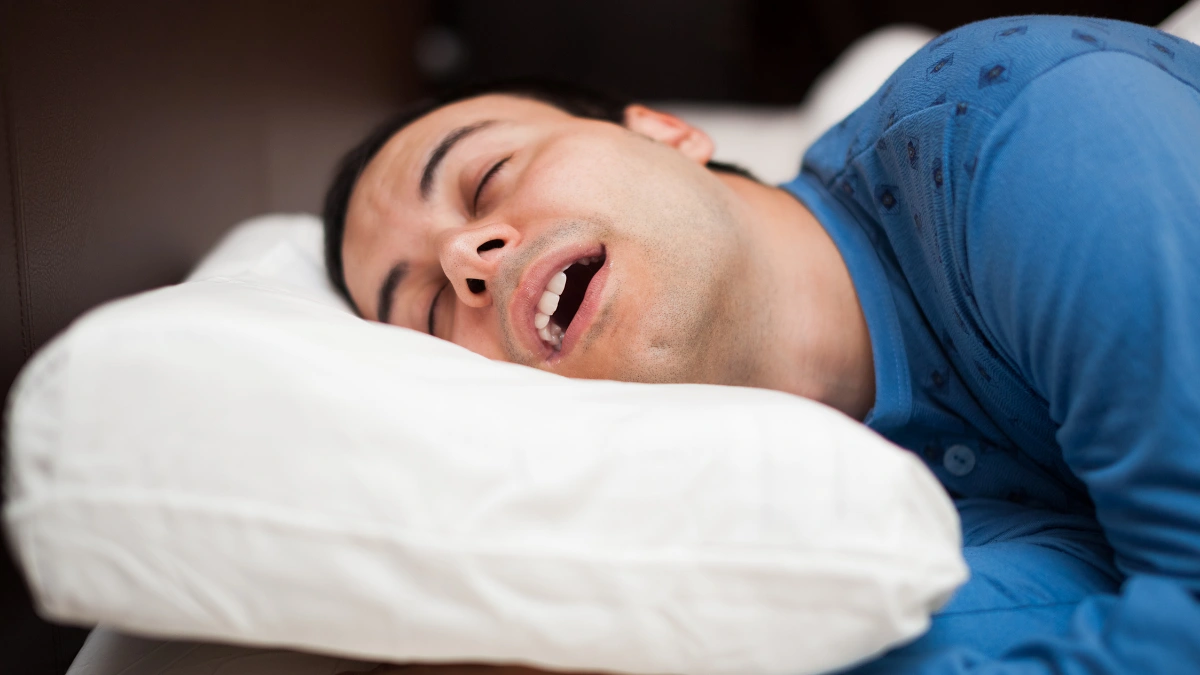
Most people treat loud snoring as a harmless nighttime annoyance or a joke between partners. But it could actually be a silent alarm for your heart. Millions unknowingly suffer from sleep disordered breathing.
They write off dangerous gasps and silent pauses as just heavy snoring until a heart emergency strikes. The snoring heart attack risk is real and very dangerous. When breathing stops, your body stops healing.
You deserve to sleep safely. By the end of this article, you will know exactly how to spot the breathing pattern before cardiac event emergencies happen. You will also learn to protect yourself.
How to Tell Normal Snoring From a Heart Warning

Picture a typical night next to a heavy sleeper. You hear a steady, rhythmic vibration of throat tissue. This is normal snoring. It keeps a consistent rhythm. It does not drop the oxygen in your blood. You breathe in and out without a problem.
But when the rhythmic sawing of wood turns into silence, the danger begins. The airway collapses entirely. This blocks air from reaching the lungs.
We call this Obstructive Sleep Apnea. It causes brief choking or gasping as the body fights for air. The chest heaves, but no air enters.
Another dangerous sound is Cheyne Stokes breathing. This is a specific pattern where breaths get gradually deeper. Then they get shallower. Finally, they pause completely. The cycle then repeats.
The American Academy of Sleep Medicine states that 30% to 40% of people with heart failure exhibit this exact pattern during sleep.
These are not just annoying sleep issues that keep your partner awake. They are severe cardiovascular stressors. They act as a loud sleep apnea cardiac warning that your heart is struggling to pump blood.
Why This Breathing Pattern Triggers Nighttime Heart Attacks
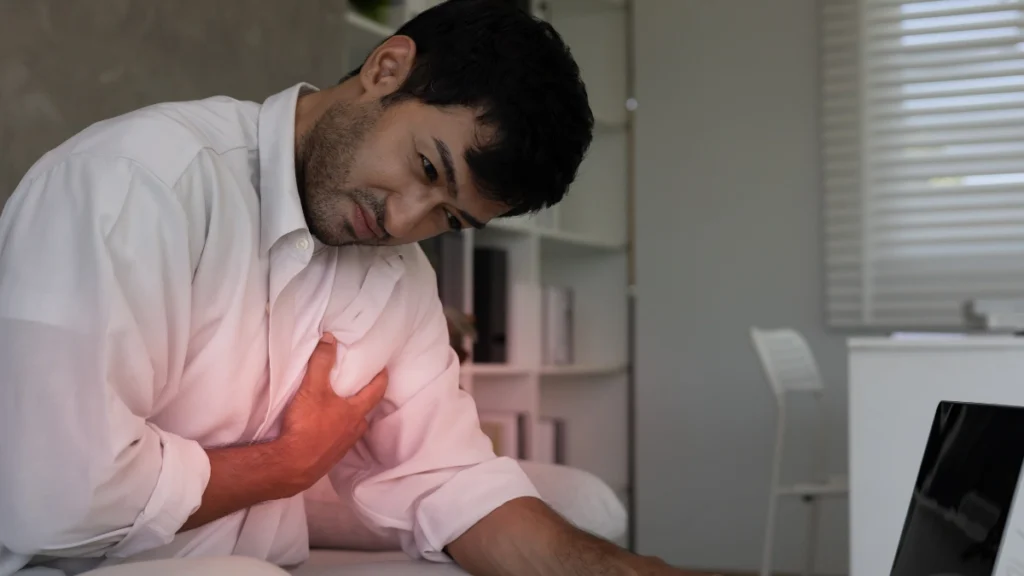
When your airway closes, your brain enters survival mode. Repeated pauses in breathing cause your blood oxygen levels to plummet quickly. Doctors call this Nocturnal Hypoxemia. It simply means a dangerous lack of oxygen in your blood at night.
When you stop breathing, your brain panics. It triggers a massive fight or flight response. Your body dumps adrenaline into your bloodstream. This causes a sudden, violent spike in your blood pressure and heart rate.
Leaving this untreated is like making your heart run a marathon while you are trying to sleep. Night after night, this inflammation hardens your arteries. It creates intense oxidative stress in your blood vessels.
It drastically increases your risk for dangerous blood clots. This cumulative damage directly causes nighttime heart attacks. These terrifying events usually strike between midnight and 6 AM.
The Journal of the American Heart Association shows terrifying data. Patients with severe sleep apnea and nighttime oxygen dips face up to an 80% higher risk of having a heart attack while sleeping. Your heart gets no rest.
It works overtime just to keep you alive. This is why doctors take the breathing pattern before cardiac event emergencies so seriously.
5 Red Flags That Point to Heart Trouble

Not all snorers are at risk for a heart attack. Some people just have narrow nasal passages. Here is exactly how to tell the difference. These five warning signs reveal a high snoring heart attack risk.
Critical Warning Signs
Sleep Apnea Pathology
The Silent Pause
The most dangerous sound is no sound at all. This silent apnea is usually followed by a loud, sudden gasp for air as the brain panics.
Extreme Daytime Fatigue
Do you wake up feeling like you haven’t slept at all? Waking up exhausted with morning headaches is a massive red flag.
Resistant High Blood Pressure
Almost 50% of the time, high blood pressure and sleep apnea happen together. If your blood pressure stays high even with multiple medications, check your sleep.
Waking Up Choking
You might experience a sudden jolt awake. Your heart races and you feel completely breathless in the dark as your airway temporarily collapses.
The Cheyne Stokes Cycle
Watch for a cyclical pattern of fast, deep breathing that slowly fades into a complete stop. This usually repeats every 45 to 90 seconds.
Experiencing even two of these five signs warrants a doctor visit right away. Many times, it is the partner who saves a life. They notice the terrifying silence of an apnea event while waiting anxiously for the next breath.
4 Steps to Fix Your Breathing and Protect Your Heart

The good news is that this condition is highly treatable. You can lower your risk very quickly. Follow these exact steps if you hear these dangerous sounds in the bedroom.
Apnea Action Plan
Diagnostic & Treatment Protocol
Record the Sleep
Have a partner record audio or video of the breathing pattern. Show this evidence directly to a doctor. Hearing the sound is undeniable proof.
Schedule a Sleep Study
Testing is incredibly easy today. Home sleep apnea monitors let you test from your own bed, and wearables track nighttime blood oxygen as an early warning system.
Consult a Cardiologist
Do not just see a sleep specialist. This sleep apnea cardiac warning requires a baseline heart health check. Ask for an EKG and an echocardiogram.
Explore Treatments
CPAP therapy abolishes the apnea. Continuous Positive Airway Pressure keeps your airway open with a gentle, consistent flow of air throughout the night.
Treating this condition with a CPAP machine restores normal nocturnal blood pressure dips. This directly reduces your cardiovascular strain. Dr. Rick Pumill is a clinical cardiologist.
He says, “Sleep isn’t just about rest. It’s a vital part of protecting your heart. Untreated sleep apnea puts patients at a much higher risk of heart attacks while they sleep.”
3 Things to Tell Your Doctor Tomorrow

Booking a medical visit is your most important step. But you need to share the right details. Doctors only know what you tell them. Give them the exact clues they need to order a proper sleep study.
First, tell your doctor if you wake up feeling like you did not sleep at all. Second, explain exactly what your partner hears at night. Mention the loud gasps or silent pauses.
Third, ask your doctor to check your blood pressure. Heart trouble and sleep problems often happen together. Getting a clear answer gives you real peace of mind.
Take Action to Save a Life

A cyclical, gasping breathing pattern is a distress signal from your cardiovascular system. It is never just a benign quirk. It is a clear cry for help from a struggling heart.
Listen to your partner if they complain about your loud snoring or sudden gasps. Take their worries seriously.
Book an appointment with a pulmonologist or cardiologist immediately if you recognize these signs. Modern medicine can fix this problem easily. You have the power to protect your heart right now.
Do not ignore the breathing pattern before cardiac event risks. Taking action today could save your life tonight.