
You sleep through your most critical health test every single night. Most people rely on yearly doctor visits to check their overall health. But stress or caffeine easily ruins those single clinic readings.
A recent Stanford resting heart rate study changes everything. Researchers proved that continuous wearable data predicts illness and biological trends for the next decade. Your deep sleep heart rate reveals hidden facts about your body.
You will learn how this metric predicts blood tests years early. Proper wearable health monitoring makes your smartwatch an early warning system. Tracking sleep data is your best tool for predicting health.
The Flaw of the Annual Checkup vs Continuous Data

Medical checkups need a massive update. It is outdated to rely on one 15 minute appointment every 365 days. Evaluating your health this way is like judging a company’s yearly performance based on a single random Tuesday.
Dr. Michael Snyder leads a genetics lab at Stanford. His team published a groundbreaking 2021 Nature Medicine study to test wearables against standard lab panels. They proved that annual physicals often create a point in time failure.
Your watch captures hundreds of thousands of data points daily. Continuous data from your wrist predicts clinical blood test abnormalities much better than a yearly exam. The Stanford study analyzed participants for over 3 years and found this constant tracking consistently predicted issues like low red blood cell count.
You can predict health with smartwatch technology today. But you must look at the data recorded during a very specific hour of the night.
Why 3 AM? The Science of Nocturnal Resting Heart Rate

True rest only happens when your body shuts down completely. Daytime heart rate is an unreliable baseline for your health. Several daily factors ruin your daytime data:
Physiological Load
Factors Impacting Basal State
Digestion & Metabolism
Digesting large meals diverts massive blood flow to the GI tract, increasing core temperature and elevating resting metabolic strain.
Kinetic Output
Physical movement and walking acutely raises cardiovascular demand, delaying the body’s return to a true homeostatic resting baseline.
Neurological Strain
Work stress and mental strain trigger sympathetic nervous system responses, chronically elevating cortisol and resting heart rate.
Chemical Stimulants
Drinking coffee or energy drinks introduces artificial sympathetic arousal, blocking adenosine receptors and masking physical fatigue.
Fluid Balance
Poor hydration levels decrease blood volume, forcing the heart to pump faster and harder to distribute oxygen and clear cellular waste.
Your nocturnal resting heart rate cuts through this daily noise. At 3 AM, your body enters deep sleep. Your parasympathetic nervous system (your rest and digest mode) takes over completely.
Cortisol naturally hits its lowest point around midnight to 3 AM. This makes it the only time your heart rate is entirely uninfluenced by stress hormones. Your deep sleep heart rate reveals your actual cardiovascular and nervous system health by removing the stress of daily life.
What Your Nighttime Heart Rate Predicts About Your Future
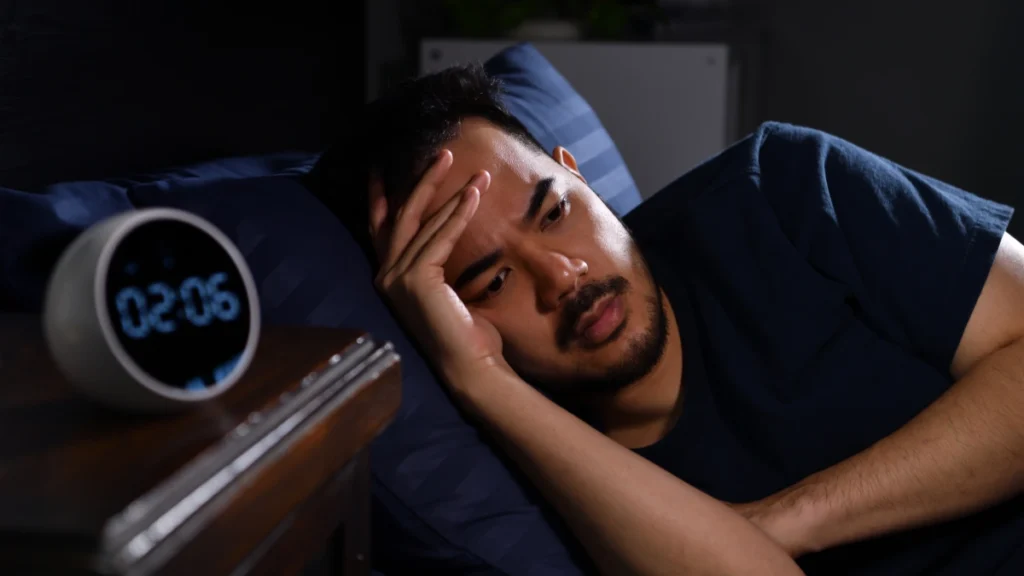
Elevated resting heart rates can signal immune responses days before you feel sick. Smartwatch data identified 81 percent of viral infections up to 9.5 days before symptom onset. They spotted viruses like COVID 19 simply by tracking extreme elevations in resting heart rate.
The famous Apple Heart Study also evaluated over 400,000 participants for atrial fibrillation using background optical sensors. Dr. Michael Snyder explained the impact perfectly.
“Devices are becoming much more sensitive… As technology continues to advance, people will be better equipped to understand what is going on with their own health in real time.”
A baseline that creeps up over months indicates systemic stress, overtraining, or potential cardiovascular risk. Lower sweat gland activation and altered heart rates strongly correlate with clinical dehydration and low iron levels.
Your nighttime heart rate predicts long term chronic changes like anemia and inflammation long before you feel the symptoms.
The Stanford resting heart rate study proves this data is an early warning system. It is not meant to cause anxiety. It exists to give you a head start on healing.
Why Heart Rate Variability Is Your Second Warning Sign
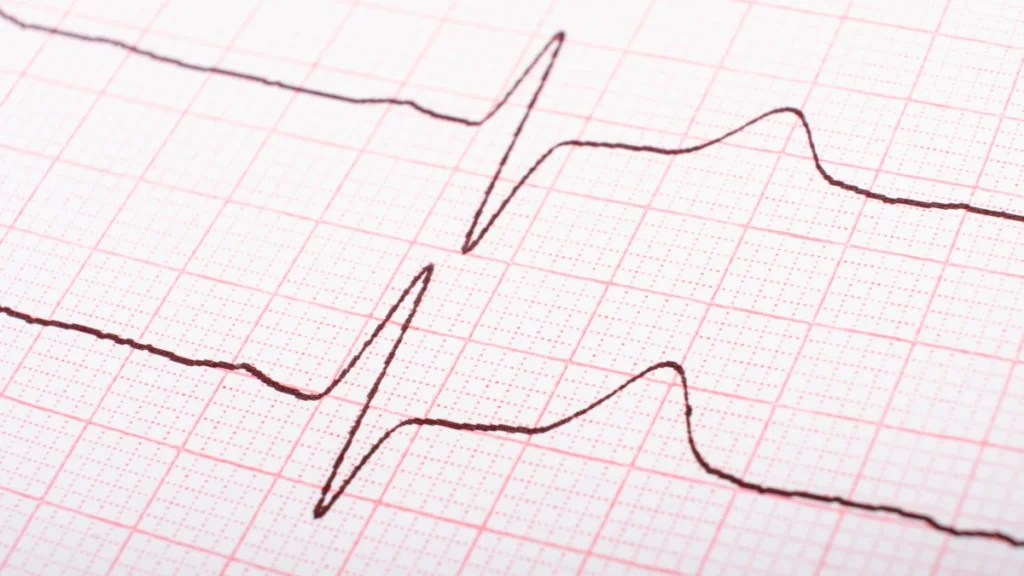
Your heart does not beat perfectly on a steady rhythm. The time between each beat changes slightly. Doctors call this heart rate variability.
A high number means your body recovers well. A low number at 3 AM means your nervous system is fighting hard against stress.
Your heart rate variability drops days before you feel sick or burned out. Look at this number right next to your resting heart rate in your health app. When your resting heart rate goes up, your variability usually goes down.
What to Do When Your Sleep Data Spikes

Seeing a sudden jump in your sleeping heart rate feels scary. Do not panic and rush to the hospital immediately. Look at your recent choices first.
Did you eat a massive meal right before bed? Did you drink alcohol or stay up too late? These simple actions ruin your resting baseline for a single night.
If your heart rate stays five beats higher for three straight days, you should call your doctor. Use your watch data to ask better questions at your next medical appointment.
The Baseline Action Guide
You need to know exactly how to react when your numbers change. Use this simple guide to understand your 3 AM heart rate spikes.
| Heart Rate Increase | Likely Cause | What You Should Do |
| 1 to 2 Beats | Normal daily stress | Stick to your normal routine |
| 3 to 4 Beats | Poor sleep or heavy meals | Drink water and rest |
| 5 to 7 Beats | Fighting a virus or illness | Skip the gym and sleep more |
| 8 or More Beats | Acute infection or severe stress | Call your doctor for advice |
How to Track and Optimize Your Baseline in 2026
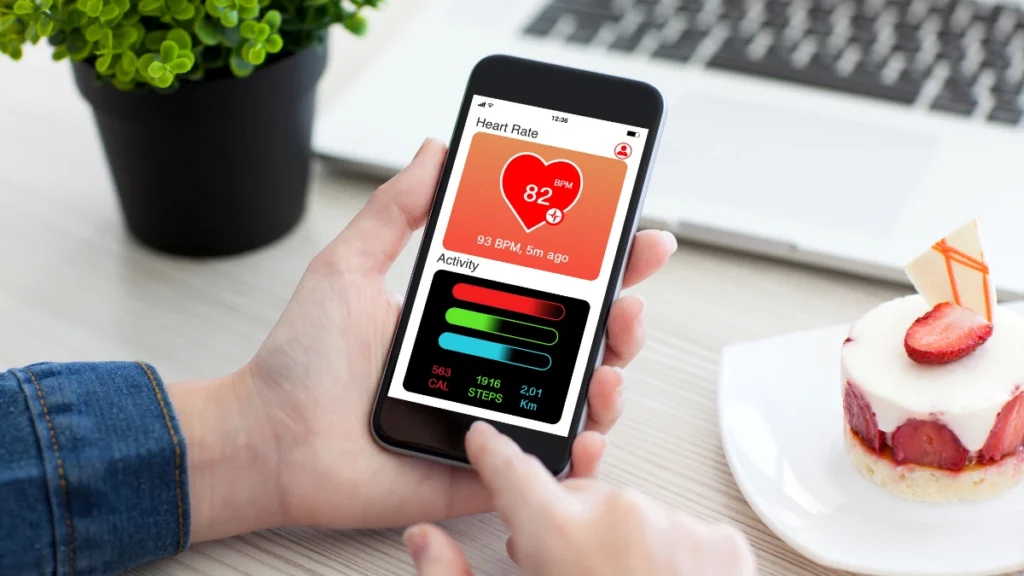
You likely already own the required hardware. Devices like the Apple Watch, Oura Ring, Whoop strap, and Garmin watches feature excellent wearable health monitoring. They all track your body battery and sleep staging automatically.
You need to establish your personal 14 day baseline first.
- Open your preferred health app on your phone.
- Go to the sleep or heart rate section.
- Find your average sleeping heart rate over the past two weeks.
- Write this baseline number down.
Follow the 3 Beat Rule to monitor your health. A 3 beat per minute deviation from your baseline warrants attention for rest or hydration. A 5 to 10 beat per minute deviation might warrant medical screening.
You must establish a sleeping heart rate baseline to quickly spot abnormalities that require medical attention. You can use a few lifestyle levers to lower your nocturnal heart rate tonight:
Sleep Architecture
Restorative Bio-Protocol
Environmental Control
Practice good sleep hygiene in a dark room. Removing ambient light signals your brain to maximize natural melatonin production for deep, uninterrupted rest.
Digestive Fasting
Stop eating three hours before bed. Fasting before sleep allows your core body temperature to drop and prevents energy from being diverted to digestion.
Chemical Elimination
Reduce or eliminate alcohol consumption. While it may act as a sedative initially, alcohol severely fragments your sleep architecture and destroys vital REM cycles.
Eating late or drinking alcohol can artificially inflate a 3 AM heart rate by 10 to 15 percent. Take action tonight to improve your score.