

You leave the doctor’s office feeling exhausted and achy. Then you hear the words, “Great news, your bloodwork is perfectly normal.” This is incredibly frustrating when you still feel sick.
Standard doctors look for active disease. They miss the brewing storm of chronic inflammation that comes first. By the time typical inflammatory markers like hs CRP go up, the fire has burned for years.
But you can find hidden data inside the cheapest blood test in the world. The Complete Blood Count or CBC holds clues. You just need to know where to look. This guide shows you how to spot systemic inflammation before it causes disease.
We will look at early inflammation markers on routine bloodwork. You will learn to spot the hidden signs of chronic inflammation on CBC.
The Advanced CBC Blueprint
Find the hidden signs of chronic inflammation on your routine bloodwork before disease strikes.
Grab your most recent Complete Blood Count (CBC with Differential) from your patient portal and enter the values below.
NLR Ratio
Enter your Neutrophils and Lymphocytes to see if your immune system is in attack mode.
RDW Marker
Enter your RDW percentage to check for bone marrow oxidative stress.
Why Doctors Miss the Signs of Chronic Inflammation on CBC

Doctors are busy. They are trained to look for acute emergencies on a CBC. They want to rule out immediate infections or leukemia. They do not look for a chronic slow burn.
Conventional medicine relies on hs CRP and ESR to check for inflammation. But doctors usually order these tests late in the process. A CBC is ordered at every single physical. It costs less than $20. It is performed over a billion times a year.
Yet doctors only look at individual counts like total WBC to find immediate problems. The secret lies in the relationship between the cells. It is about the ratio between them, not just the absolute numbers. Knowing this helps you find the signs of chronic inflammation on CBC long before a major illness strikes.
The NLR: Your Earliest Warning System

First, we calculate the Neutrophil to Lymphocyte Ratio. This is your NLR. Neutrophils are the SWAT team of your immune system. Lymphocytes are the diplomats.
If you have too much SWAT and not enough diplomats, your body is a warzone. A high ratio means your body is stuck in attack mode. You lack the regulatory cells to calm the system down.
To find this on your lab report, look for Absolute Neutrophils. Then look for Absolute Lymphocytes. Divide the neutrophils by the lymphocytes.
NLR Biomarker
Inflammatory Index Tiers
Optimal Range
A healthy NLR is between 1.0 and 2.0. This indicates a balanced immune system with well-regulated physiological responses.
Elevated State
An NLR above 2.0 strongly indicates active and ongoing inflammation, suggesting the body is under stress or fighting a chronic condition.
Critical Threshold
A ratio above 3.0 is a major warning sign. This level is significantly correlated with severe systemic stress and elevated clinical risk.
A 2019 study showed an elevated NLR predicts cardiovascular disease. It also points to metabolic syndrome. This ratio is a powerful neutrophil to lymphocyte ratio inflammation warning.
RDW: The Anemia Marker That Actually Signals Inflammation

Next, look at your Red Cell Distribution Width. This is your RDW. It measures the variation in the size of your red blood cells.
Doctors usually only look at RDW to figure out what kind of anemia you have. But it tells a much bigger story. Chronic inflammation damages your bone marrow. This makes your body release red blood cells in wild and varying sizes. The medical term for making red blood cells is erythropoiesis.
Conventional labs say an RDW up to 15% is normal. Functionally, anything above 12.6% points to oxidative stress. It often correlates with elevated hs CRP. The 2014 Tromsø Study looked at over 25,000 people.
They found a 1% increase in RDW resulted in a 16% higher risk of a future heart attack. This makes the RDW blood test inflammation connection undeniable.
How to Calculate Your Ratios at Home Today
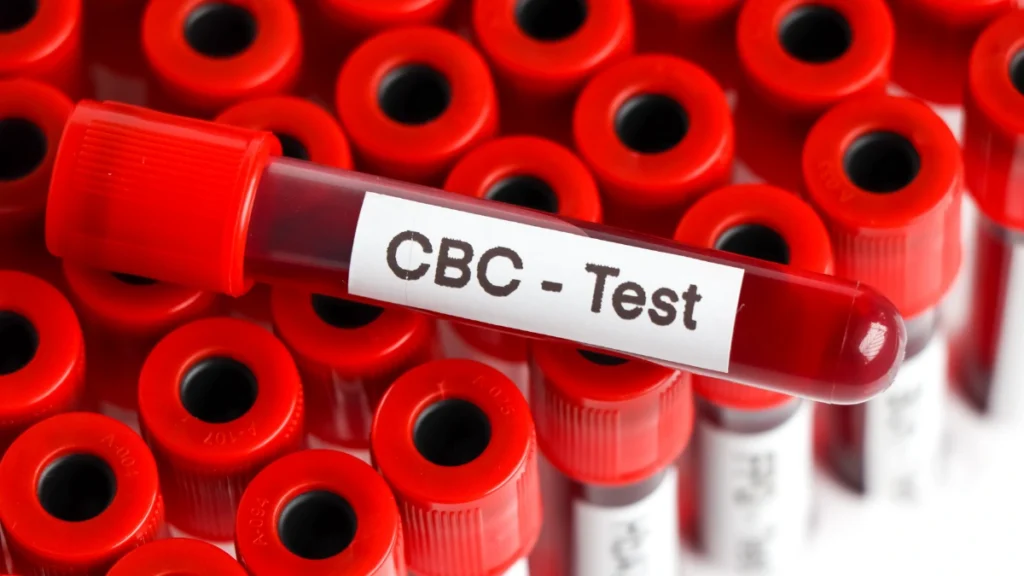
You can check these early inflammation markers on routine bloodwork right now. Log into your patient portal like MyChart. Follow these simple steps.
Decoding Your Bloodwork
Unlocking critical systemic metrics from a standard blood panel.
The Foundation
Pull out your most recent standard lab results. Ensure you are looking at a CBC with Differential, which explicitly breaks down white blood cell subtypes.
Locate the Markers
Scan the breakdown to find your Absolute Neutrophils (ANC) and your Absolute Lymphocytes (ALC).
Calculate the Ratio
Divide your ANC by your ALC to calculate your NLR (Neutrophil-to-Lymphocyte Ratio), a widely recognized marker of systemic stress and inflammation.
Check Cellular Variance
Look at your RDW percentage (Red Cell Distribution Width) to assess the variation in size and volume of your red blood cells.
Let us look at a quick example. Say your neutrophils are 4.5 and your lymphocytes are 1.5. That equals an NLR of 3.0. This is a clear warning sign.
If your NLR is greater than 2.0, take action. If your RDW is creeping up, pay attention. It is time to improve your diet, sleep, stress, and gut health.
The Final Word on Your Bloodwork
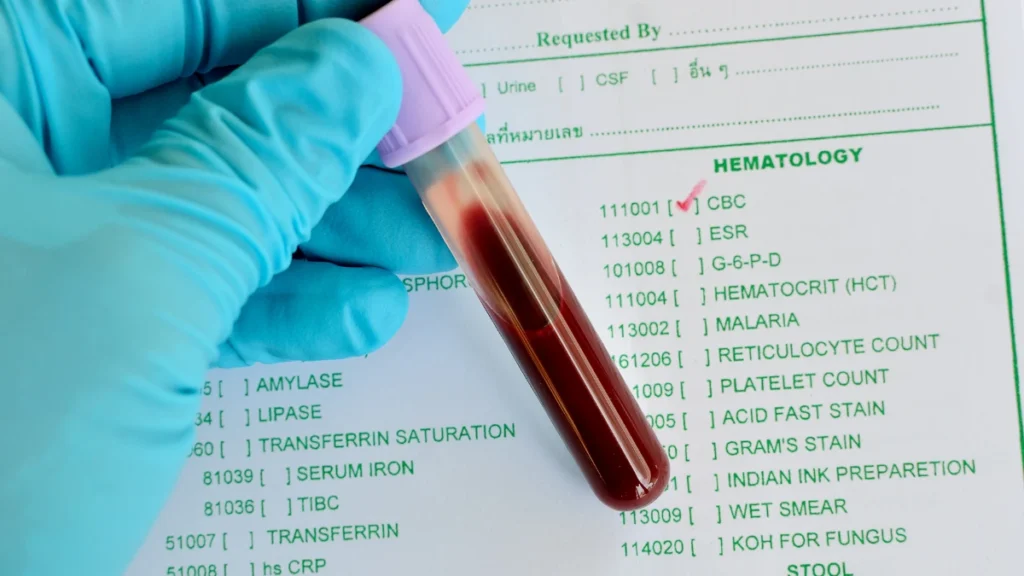
Your standard bloodwork holds secrets. You just need to do the math. The NLR and RDW give you a clear window into your inflammatory burden.
They show you the truth long before a doctor orders specialized tests. Grab your last CBC results today. Calculate your NLR.
Why High Normal Platelets Mean Trouble
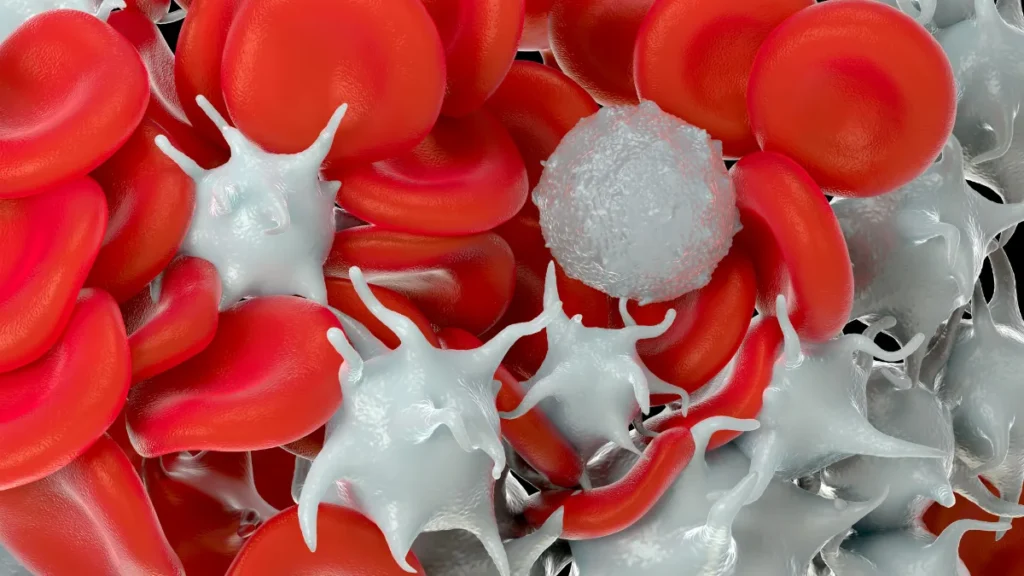
Look at your platelet count next. Platelets are the cells that clot your blood. When you get a cut, they rush in to stop the bleeding.
But chronic inflammation makes your platelets sticky. It also causes your bone marrow to pump out too many of them. Doctors usually do not worry until your platelets climb over 400. They wait for a massive red flag.
Functionally, a healthy platelet count sits between 150 and 250. If your number is creeping up toward 300 or 350, your body is sounding an alarm. It means your immune system is fighting a hidden war. High platelets often show up right beside an elevated RDW and NLR.
Here is a quick cheat sheet to help you read your next lab report like a pro.
| Marker | Conventional Range | Optimal Range | What High Means |
| NLR | 1.0 to 3.0 | 1.0 to 2.0 | Immune system stuck in attack mode |
| RDW | Under 15% | Under 12.6% | Oxidative stress and bone marrow stress |
| Platelets | 150 to 450 | 150 to 250 | Sticky blood and hidden physical stress |
| hs CRP | Under 3.0 | Under 1.0 | Active cardiovascular inflammation |
3 Fast Ways to Lower Your Inflammation Markers

Now you know your numbers. If they are too high, you need to take action. You can fix these ratios with daily habits.
- Prioritize deep sleep. Poor sleep spikes your NLR faster than almost anything else. It forces your body into a panicked attack mode. Get seven to eight hours of quality sleep every night.
- Increase your omega 3 intake. Foods rich in omega 3 fatty acids calm the immune system. They act like the diplomats we talked about earlier. Eat more wild caught salmon or take a high quality fish oil supplement.
- Cut the processed sugar. Sugar creates massive oxidative stress. This directly damages your red blood cells and spikes your RDW. Swap sugary snacks for whole foods to cool the fire inside you.