

If you are over 55 and still following the government standard recommendation for protein intake, you are systematically starving your muscles.
As we age, our bodies develop a stubborn biological roadblock called anabolic resistance. This means the exact same meal you ate at 30 now builds significantly less muscle at 60. It is not your fault you are losing muscle. You were given outdated advice.
Getting the right protein requirements for older adults is crucial to fix this problem. We will break down 10 scientifically proven rules that modern dietitians use to override aging.
1. Ditch the Outdated RDA (Why You Need 1.2g/kg)
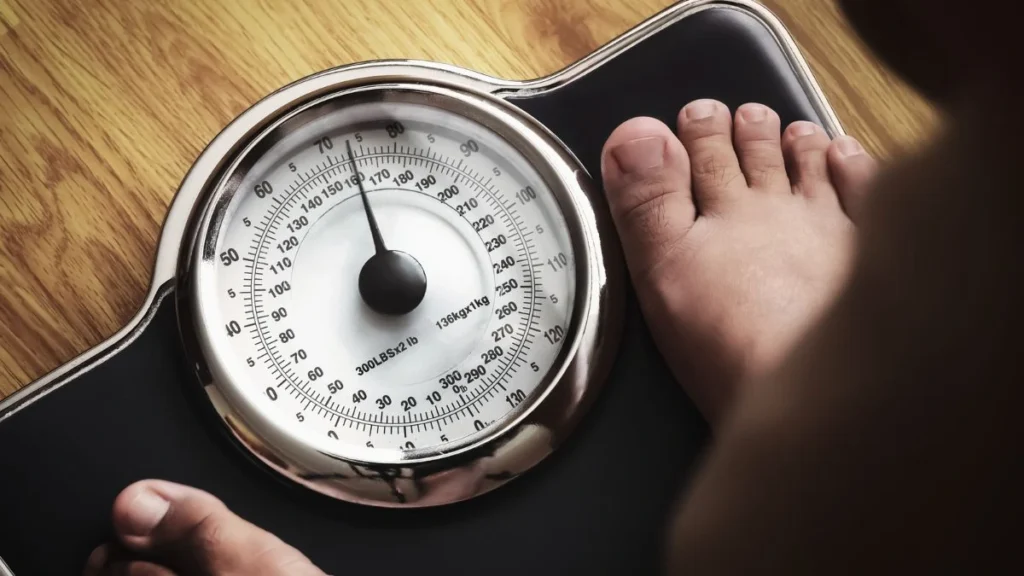
The standard 0.8g/kg RDA is the bare minimum to prevent malnutrition. It is not the target for optimal aging.
The PROT AGE study group and the ESPEN guidelines strictly recommend 1.0 to 1.2 grams per kilogram of body weight daily for healthy adults over 65. Researchers found the old RDA directly results in lean mass loss in postmenopausal women.
Let us explain the math simply. A 160 pound (72kg) person needs roughly 86 grams daily minimum. You do not just need 58 grams. Fixing your baseline protein requirements for older adults is the mandatory first step.
2. Overcome Anabolic Resistance with 30g Per Meal
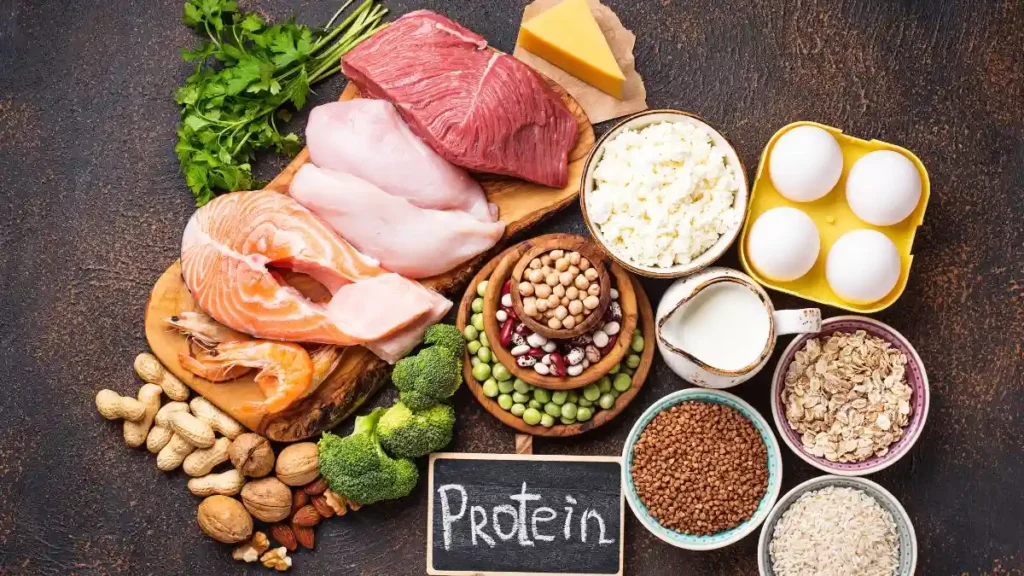
Aging muscles are less sensitive to dietary protein. This biological roadblock is called anabolic resistance.
Eating 10 grams of protein three times a day does not equal eating 30 grams once. Low doses completely fail to trigger muscle synthesis.
Studies show older adults need roughly 60 percent more protein per meal than twenty year olds to stimulate the exact same muscle protein synthesis response.
The biological switch only flips when you hit 25 to 30 grams of high quality protein in a single sitting. You must always calculate how much protein per meal you eat to ensure you cross this threshold.
3. Hit the 3 Gram Leucine Threshold
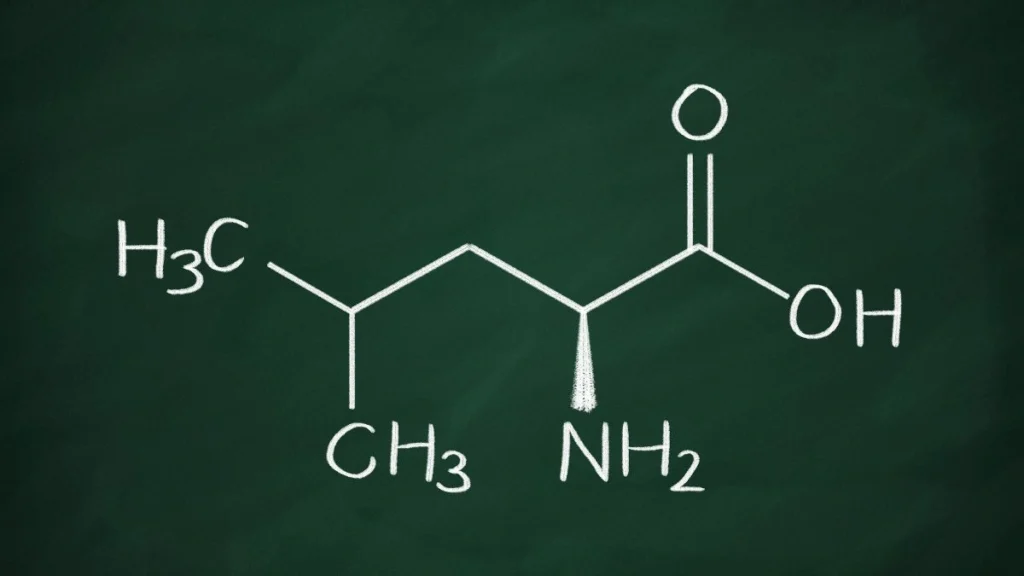
Leucine is the specific branched chain amino acid that acts as the ignition key for muscle growth. Scientists call this process mTOR activation.
Total protein amounts do not matter if your leucine intake is too low. Older adults need about 2.5 to 3.0 grams of leucine per meal to trigger muscle synthesis. Without this specific amino acid, you will quickly notice signs of low protein after 50 like chronic fatigue and weakness.
Here is a quick cheat sheet for getting three grams of leucine:
- 4 whole eggs
- 4 ounces of chicken breast
- 1 scoop of whey protein
4. Stop Backloading Protein at Dinner

Most adults eat a tiny carb heavy breakfast, a light lunch, and a massive 50 gram protein steak for dinner. This is a massive mistake.
Dietary habit surveys from 2026 show only 23 percent of older adults reach the minimum protein threshold at breakfast. The body cannot store excess protein for later.
The excess dinner protein is oxidized and wasted. Meanwhile, your body spent the whole morning breaking down your muscle tissue.
When you track how much protein per meal you eat, distribution is everything.
Here is what an optimized morning looks like:
- Standard morning: Toast and coffee (6 grams of protein)
- Optimized morning: Greek yogurt, whey, and eggs (35 grams of protein)
Protein must be distributed evenly. You need 30 grams at breakfast, 30 grams at lunch, and 30 grams at dinner.
5. Adjust for Plant Based Inefficiencies
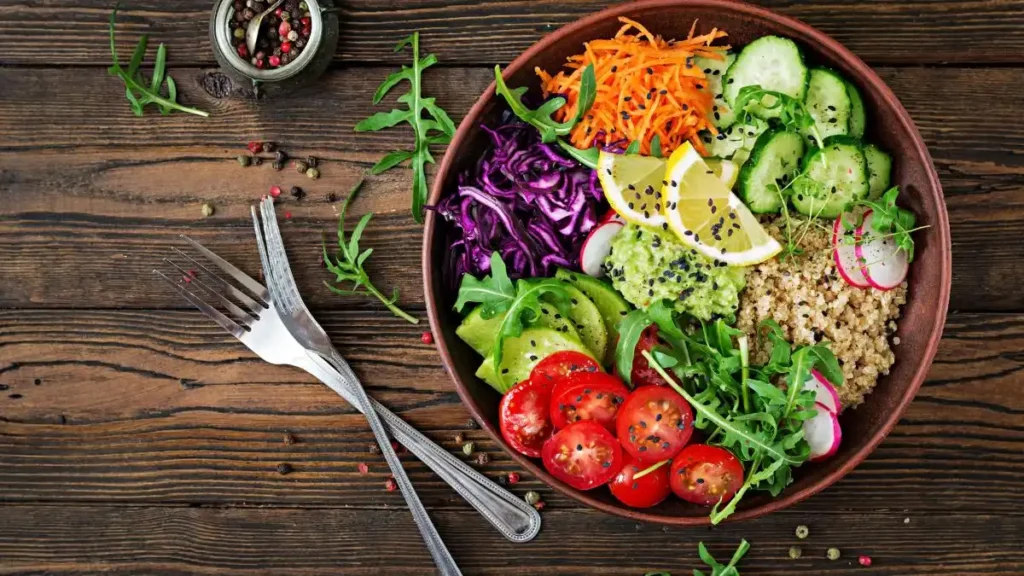
Plant proteins are excellent for your overall health. But they are generally lower in leucine and less bioavailable than animal proteins.
If you are vegan or vegetarian, you cannot do a direct one to one swap. A 100 gram serving of beef has about 1.9 grams of leucine. A 100 gram serving of chickpeas has only 0.5 grams.
To get the same muscle building effect, you need to eat roughly 20 to 30 percent more total plant protein. You should also blend complementary sources like rice and beans. This dietary adjustment is absolutely required if you want to prevent sarcopenia naturally on a vegan diet.
6. Use Pre Sleep Protein to Stop Overnight Muscle Loss
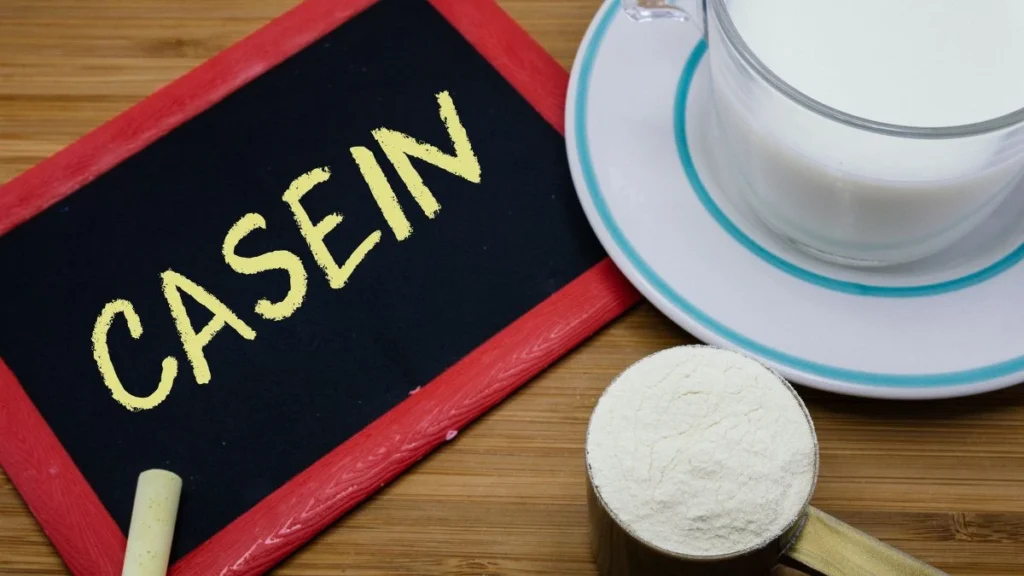
The overnight fasting period is when older adults lose the most muscle mass.
Consuming 30 to 40 grams of slow digesting protein thirty minutes before bed fixes this problem. Casein protein is perfect because it provides a slow drip of amino acids while you sleep.
Recent clinical literature suggests 40 grams of pre sleep protein heavily improves daily amino acid utilization in seniors.
This simple habit stops nocturnal muscle breakdown. It greatly improves your overnight recovery. Incorporating this late meal is an incredibly smart way to meet the daily protein requirements for older adults.
7. The Intermittent Fasting Sarcopenia Trap
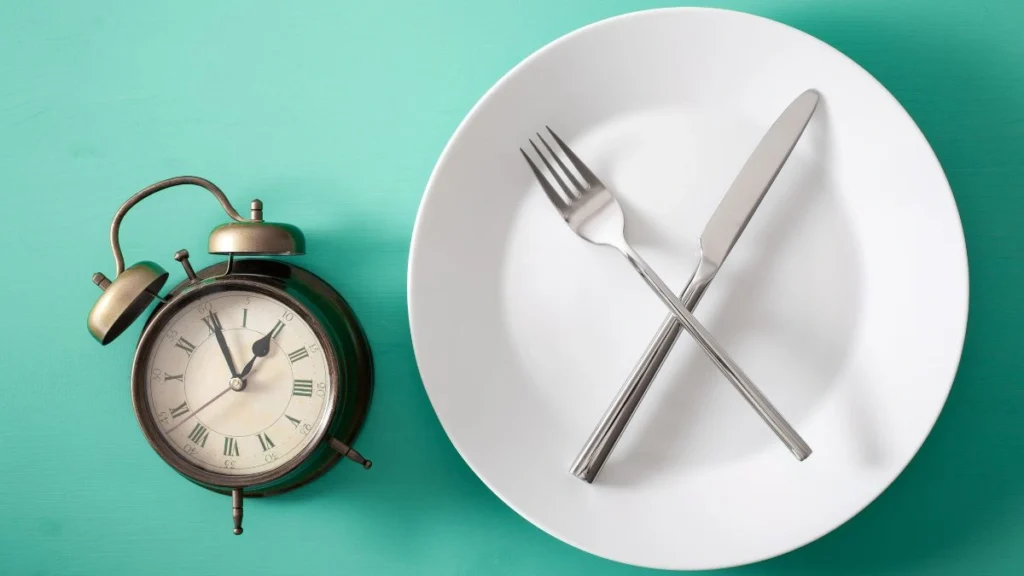
Intermittent fasting is great for improving your longevity markers. But a tight eating window makes it nearly impossible for a senior to hit their 90 gram plus protein goal.
Skipping breakfast usually means missing out on one of the three required 30 gram muscle building triggers. Age related muscle loss accelerates rapidly when daily caloric intake drops without a corresponding spike in protein density.
If you are fasting over 55, strict tracking is mandatory. Otherwise, you will start seeing clear signs of low protein after 50 very quickly. You will literally waste away your valuable muscle tissue.
8. The Illness Multiplier Nobody Mentions

A brief hospital stay, a bout of the flu, or prescribed bed rest causes rapid and catastrophic muscle loss in adults over 60.
Older adults can lose up to 1 kilogram of leg muscle mass during just one week of bed rest. During acute illness, your body demands massive resources. Your protein needs spike drastically to support immune function.
The requirement jumps from 1.2 grams up to 1.5 to 2.0 grams per kilogram per day. You must drastically increase the protein requirements for older adults immediately when you get sick.
9. Pair Protein with Resistance (The Synergistic Effect)

Eating protein without lifting weights is like sending bricks to a construction site without hiring bricklayers.
Resistance training sensitizes the aging muscle to amino acids. Dr. Stuart Phillips from McMaster University notes that lifting weights effectively cures anabolic resistance for up to 24 hours.
Walking and cardio are great for the heart. But they do not stop sarcopenia. The ESPEN guidelines explicitly mandate pairing the 1.2 gram diet with load bearing resistance exercise for optimal functional capacity. You must lift weights to effectively prevent sarcopenia naturally.
10. Protect Muscle During Caloric Deficits

If you try to lose weight after 55, lowering calories usually forces the body to burn muscle for fuel.
Studies show older adults on caloric deficits who consume under 0.8 grams of protein lose significantly more lean mass than fat. Losing strength while dieting is one of the most common signs of low protein after 50.
To lose fat but keep muscle, protein intake must actually increase while total calories decrease. You should aim closer to 1.4 grams per kilogram during any active weight loss phase.
Aging gracefully does not mean eating like a bird. Overcoming anabolic resistance requires a major strategic shift. You need a minimum of 1.2 grams per kilogram a day. You must split this evenly into 30 gram meals packed with leucine.