
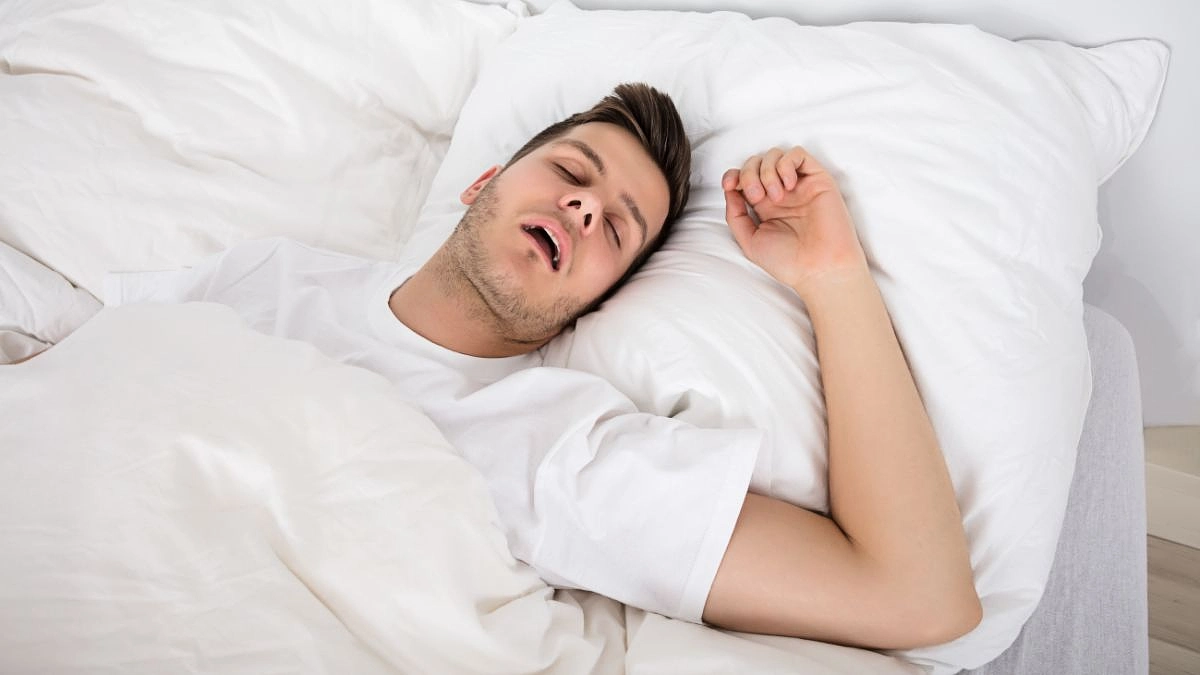
Waking up exhausted with brain fog is not just a normal part of getting older. It is a major hormonal red flag. After age 40, your testosterone drops by about 1 to 2 percent each year.
But your modern sleep routines make things worse. They can speed up this aging by a full decade in just a few days. You might experience signs of low testosterone sleep like low energy and reduced stamina.
We will uncover the hidden evening routines sabotaging your hormones. Then we will reveal a simple, zero cost routine to fix it tonight. Knowing how bedtime habits lower testosterone will change your life.
1. Staring at Screens (The Blue Light Trap)
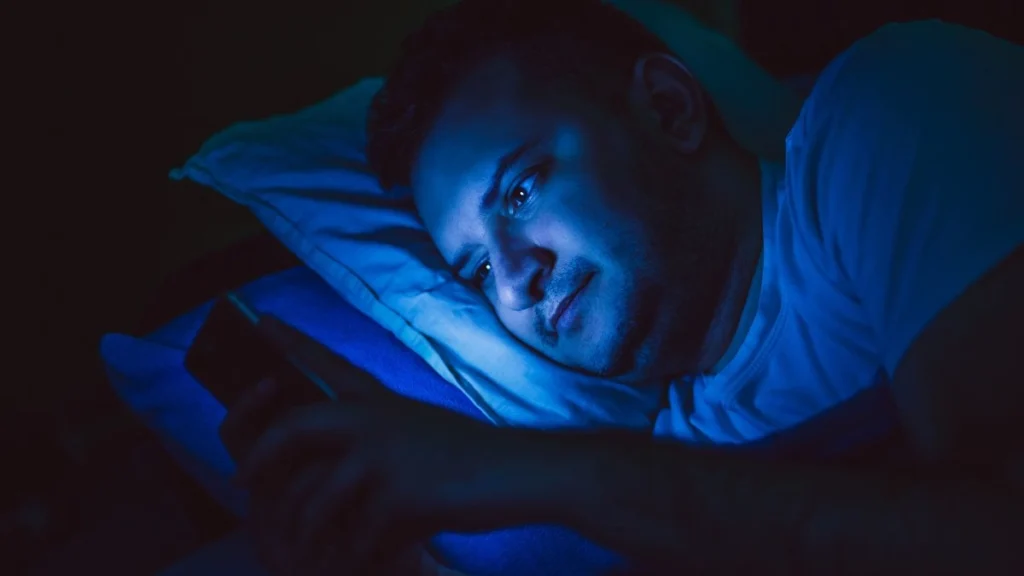
You check your phone one last time before closing your eyes. This common habit ruins your hormones. Blue light from phones stops melatonin production dead in its tracks.
This delay pushes back your REM sleep. That is the exact sleep phase where peak testosterone release happens. Your body releases testosterone in large bursts every 90 minutes.
Delaying sleep means you miss the largest initial burst entirely. This makes screen time one of the worst evening habits lower testosterone men face today.
2. Sleeping on 5 Hours (The Hustle Culture Myth)

You think you can crush your goals on five hours of sleep. You assume you can just catch up on the weekend. But here is why that matters.
You cannot catch up on lost sleep. Short sleep windows absolutely devastate your endocrine system. The National Institutes of Health confirms this.
Just one week of restricted sleep causes a massive 10 to 15 percent drop in daytime testosterone. This massive drop effectively ages your body by ten years overnight.
3. The Evening Nightcap Alcohol

You pour a glass of whiskey to help you unwind. You think it helps you fall asleep faster. But alcohol acts as a sedative that makes you pass out.
It fundamentally destroys your sleep architecture and ruins your REM sleep. Heavy drinking directly impacts your liver function. Consuming over 14 units a week reduces your circulating testosterone significantly.
You wake up feeling groggy instead of refreshed.
4. Sleeping in a Warm Room
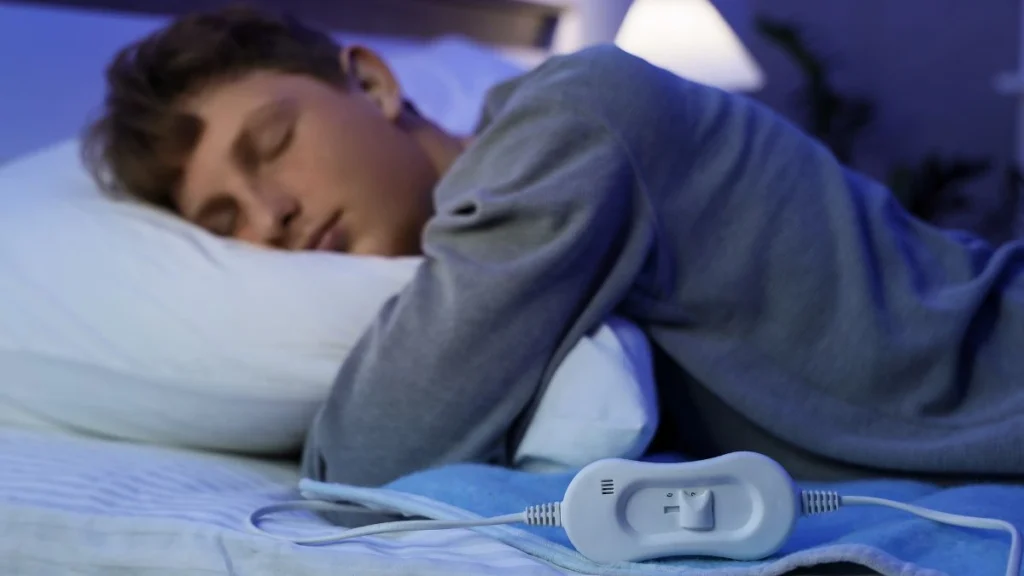
You keep the house warm and cozy all night long. This prevents your body from cooling down. Your core body temperature must drop by about 2 degrees to trigger deep sleep.
Heat fragments your sleep cycle and wakes you up. Men naturally lose about 1.7 percent of deep Slow Wave Sleep per decade. A hot room speeds up this loss and cuts off your hormone production.
Your body needs a cool environment to recover.
5. Irregular Bedtimes (Social Jetlag)
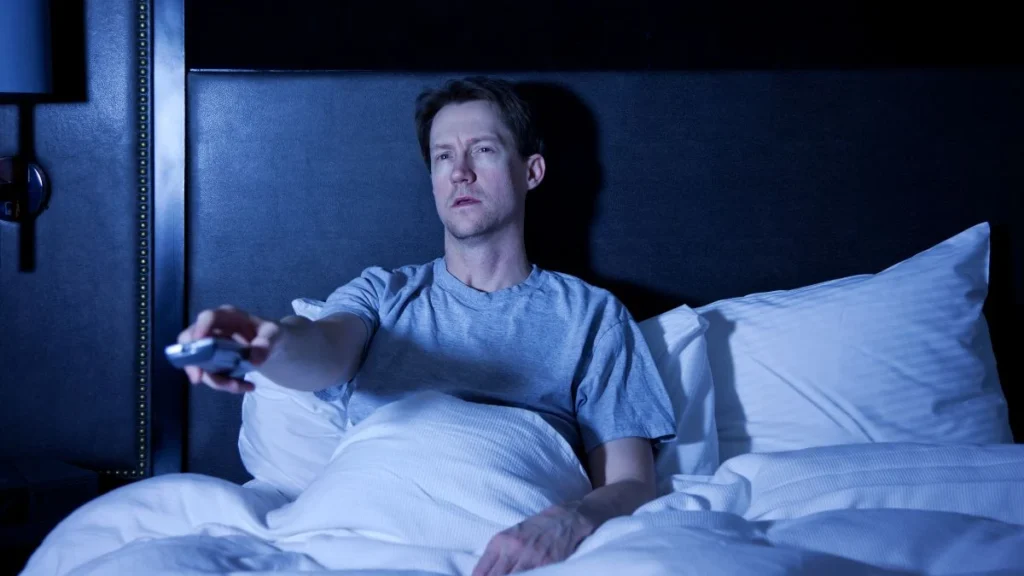
You go to bed at 10 PM on weekdays. Then you stay up until 1 AM on weekends. This massive shift confuses your body and its natural clock.
A broken circadian rhythm destroys your hormone cycles. It means your body stops making testosterone during its normal peak hours. Clinical trials show shifted sleep schedules destroy your hormonal pulses.
Your body craves a predictable routine to function perfectly.
6. Late Night Carb Binging

You reach for a sweet snack right before bed. Eating high sugar foods late at night causes massive insulin spikes. High insulin quickly drives down your growth hormone and testosterone.
But it gets worse. High blood sugar directly increases nighttime cortisol. This creates a very hostile environment for your sex hormones to thrive.
Your body spends the night managing blood sugar instead of building hormones.
7. Bringing Work Stress to Bed

You lie in bed worrying about tomorrow. You check stressful work emails right before turning off the lights. When you stress out, your body releases cortisol.
This stress hormone and testosterone are complete opposites. If you stay in fight or flight mode, your body will not produce testosterone. This leads directly to signs of low testosterone sleep.
These warning signs include:
Sleep Architecture Deficit
Identifying Poor Recovery Signals
Unrefreshed Awakening
Waking up feeling completely unrefreshed, despite logging sufficient hours, points to severely disrupted or fragmented sleep cycles.
Cognitive Impairment
Experiencing heavy morning brain fog and difficulty concentrating indicates a distinct lack of restorative REM and deep sleep phases.
Depleted Energy
A noticeably reduced physical stamina and lingering muscle fatigue suggest inadequate cellular repair and hormone regulation during the night.
8. Ignoring Snoring (Untreated Sleep Apnea)
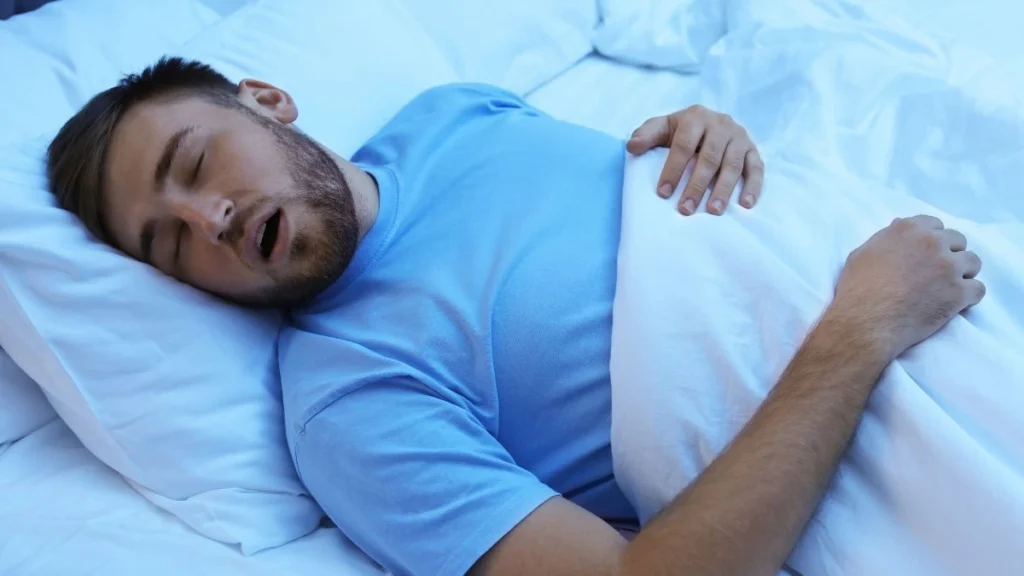
Your partner complains about your loud snoring every single morning. Snoring often signals a serious condition called Obstructive Sleep Apnea. When your breathing stops, your oxygen levels drop rapidly.
This drop in oxygen spikes your adrenaline and violently pulls you out of deep sleep. Severe sleep fragmentation from apnea is directly linked to clinical testosterone deficiency. Your body never gets the unbroken rest it needs.
9. Sleeping on an Unsupportive Mattress

You wake up with an aching back after tossing and turning all night. Tossing and turning stops your body from finishing its full 90 minute sleep cycles.
Constant awakenings to fix your posture halt your natural hormonal pulses. These important pulses only happen during deep rest. You need unbroken rest for hormone production.
The 2 Minute Fix
Here is a fast, 120 second routine to prime your body for deep sleep. If you want to learn how to naturally increase testosterone at night, start right here.
This simple routine prepares your mind and your bedroom for perfect recovery.
- Spend 60 seconds writing down your tasks for tomorrow. This dumps your cortisol and clears your mind.
- Spend 60 seconds turning down the thermostat to 65 degrees.
- Turn off all overhead lights to signal your brain that it is time for bed.