

You scrub your neck in the shower. But that dark velvety shadow just will not wash off. Because it is not dirt. It is an alarm bell from your pancreas.
Most people mistake this darkening for friction or sun damage. Some think it is just a normal sign of aging. They waste money on expensive fading creams. All the while the root cause quietly worsens inside their body.
You are about to discover exactly what causes this issue. You will learn why your body creates these skin signs of insulin resistance. You will also get the exact steps to reverse this problem.
Catching these early signs of diabetes on skin gives you a massive advantage. You can stop the disease before it actually starts. It is completely reversible.
What is Acanthosis Nigricans? The Dirty Neck Myth
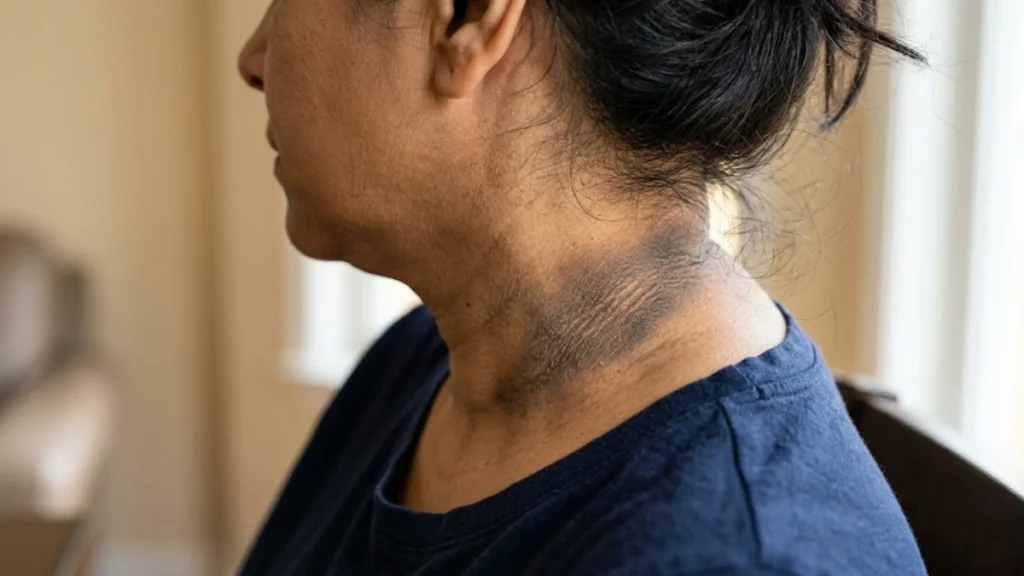
Acanthosis Nigricans is the medical name for this condition. It is a noncontagious skin issue that creates dark velvety patches. The affected skin often feels noticeably thicker than the surrounding areas. You will usually spot it in folds and creases of your body.
Look out for these common trouble spots:
- The back and sides of the neck
- Inside the armpits
- Around the groin area
- Under the breasts
Many people search for ways to clear an Acanthosis nigricans neck by scrubbing it. But soap and harsh exfoliants will never remove these dark patches.
This is not a hygiene problem. It is a metabolic signal. Experts at the Mayo Clinic note that this skin change points directly to underlying endocrine dysfunction.
These changes act as clear prediabetes skin symptoms. This condition affects up to 34 percent of certain high risk groups in the US.
People who develop these dark patches are twice as likely to develop Type 2 diabetes later on. Stop scrubbing your skin. The true problem lives in your blood.
How Skin Signs of Insulin Resistance Predict Diabetes
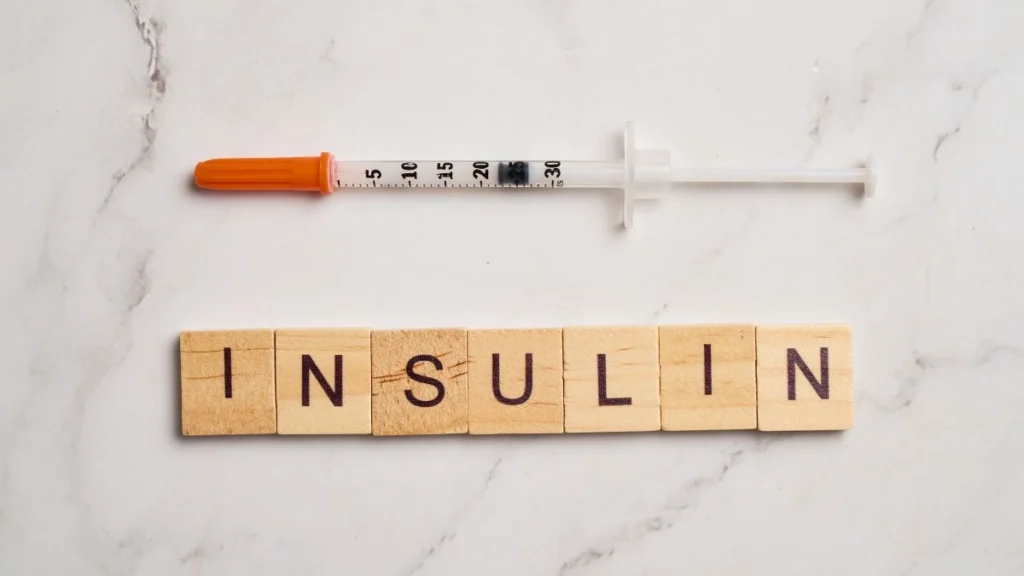
Think of insulin as a key and your cells as a lock. Insulin opens the cell door to let sugar inside for energy. But sometimes the locks get jammed. This is called insulin resistance. Your body panics when the doors will not open. So your pancreas just makes more keys.
Your blood soon fills up with massive amounts of insulin. This excess hormone then spills over and starts affecting your skin. High levels of circulating insulin cross deep into the skin layers.
They trigger special cell receptors called IGFR. This forces your keratinocytes (skin cells) to reproduce at a rapid pace.
This rapid growth produces more melanin. Melanin is the pigment that gives skin its color. More cells and more pigment create those thick dark patches. These skin signs of insulin resistance are literal physical evidence of high insulin.
This metabolic stress happens silently. According to 2026 reports from Liv Hospital undiagnosed Type 2 diabetes can persist for 4 to 7 years before detection.
The skin changes happen first. You will see these early signs of diabetes on skin long before a standard doctor visit flags a problem. You have a huge window of time to fix it.
The Skin Tag Connection: Another Hidden Warning

Acanthosis Nigricans rarely travels alone. You might also notice a sudden appearance of skin tags where clothes rub. These small fleshy growths are called acrochordons. They usually pop up in the exact same friction zones as the dark patches.
Skin tags share a direct link to insulin. Remember that excess insulin acts like a powerful growth hormone. It accelerates the growth of skin and connective tissues.
Having one or two skin tags over a decade is perfectly normal. But a sudden rapid outbreak is a bright red flag.
Medical studies link multiple skin tags directly to higher fasting insulin levels. They also correlate with an increased waist circumference. This happens even in people who are not officially diabetic yet.
Pay attention to these rapid growths. They are highly accurate prediabetes skin symptoms that require immediate attention.
4 Actionable Steps to Reverse Insulin Resistance

You cannot scrub this problem away. But you can eat and move it away. Reversing the root cause halts the overproduction of skin cells. As your internal insulin drops your skin will naturally clear up. Here is exactly what you need to do next.
- Get the right tests: A basic glucose test isn’t enough. Ask your doctor for a fasting insulin test, an HbA1c, and a HOMA-IR score to accurately measure insulin resistance.
- Target the root cause: Skip ineffective skin-fading creams and focus entirely on lowering your internal insulin levels.
- Eat for stable blood sugar: Prevent massive insulin spikes by building your meals around slow-digesting protein and fiber.
- Move after meals: Take a 10-minute walk after eating to help your muscles absorb excess blood sugar and lower your insulin demands.
Weight management and diet changes make this condition entirely reversible. By taking these steps you eliminate the core trigger for these skin signs of insulin resistance. Your body will heal itself over time.
How to Spot the Difference: Normal Skin vs Warning Signs

You might wonder if your skin changes are just normal aging. It is easy to confuse regular skin issues with a metabolic warning. Sun damage and daily friction happen to everyone. But insulin resistance leaves very specific clues.
You need to know exactly what to look for. Check your neck and armpits in the mirror today. Compare what you see to the guide below. This will help you decide if you need to call your doctor.
| Skin Feature | Normal Skin Changes | Warning Signs of High Insulin |
| Color changes | Light fading or minor sun spots | Dark velvety patches in body folds |
| Skin texture | Smooth or slightly dry | Thickened skin that feels like soft velvet |
| Skin tags | One or two appearing over many years | A sudden cluster popping up quickly |
| Washing results | Dirt and sweat easily wash away | Soap and scrubbing do absolutely nothing |
If your skin matches the warning signs do not panic. Remember that this is just an early alarm. You still have plenty of time to take action and reverse the damage.
Conclusion
Dark patches on your neck or armpits are never a hygiene issue. They are a reversible metabolic warning from your body. Your pancreas is working overtime and your skin is showing the strain. But you have the absolute power to turn things around.
Take a picture of the affected area today. This will help you track your progress over the coming months. Then pick up your phone and schedule an appointment with your doctor to check your fasting insulin levels.